Big Game Species You Cannot Hunt in Oregon
It's incredibly frustrating when you're planning your Oregon hunting adventures, dreaming of chasing big game across our diverse landscapes, only to discover that some of the animals you might expect to pursue aren't actually on the menu. This guide is here to shed light on those specific big game species that you simply cannot hunt in Oregon, or those where opportunities are so rare they might as well be off-limits, helping you understand the "why" behind the regulations and manage your expectations.
Understanding Oregon's Big Game Landscape
Before we dive into what you can't hunt, it's helpful to establish a baseline of what Oregon considers "big game" and what opportunities are available to licensed hunters. Oregon boasts some truly world-class hunting for several iconic species, drawing hunters from all corners of the country. However, the state's approach to wildlife management is complex, balancing conservation, population health, and recreational opportunities.
What is Huntable Big Game in Oregon?
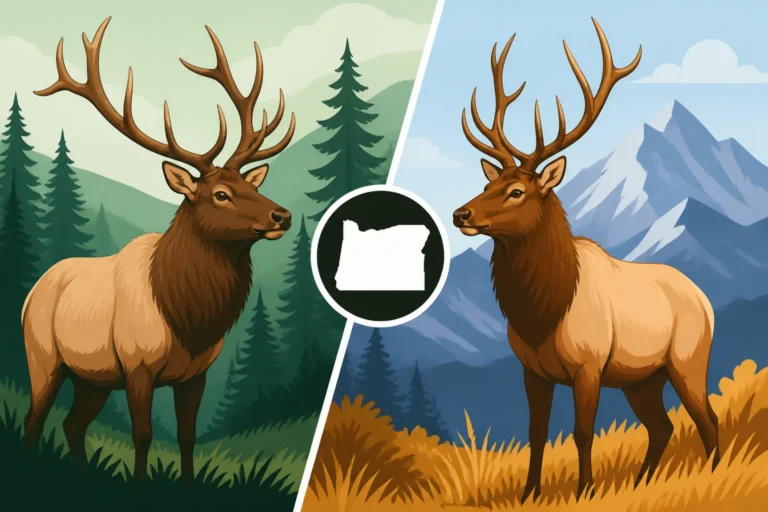
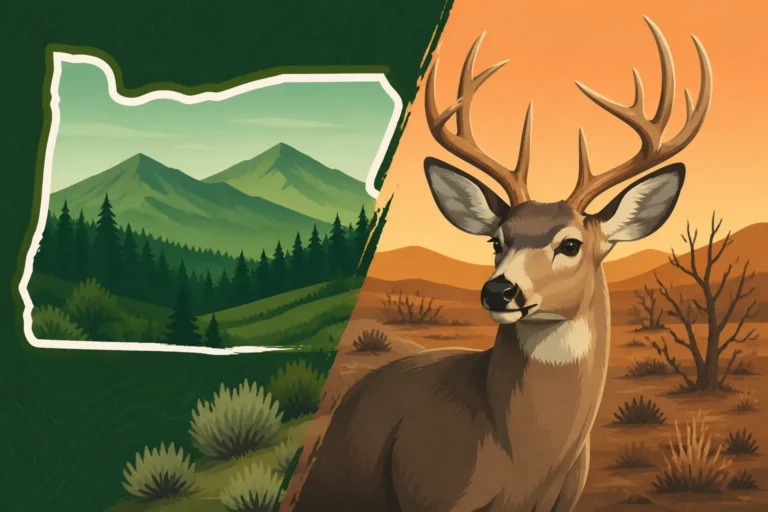
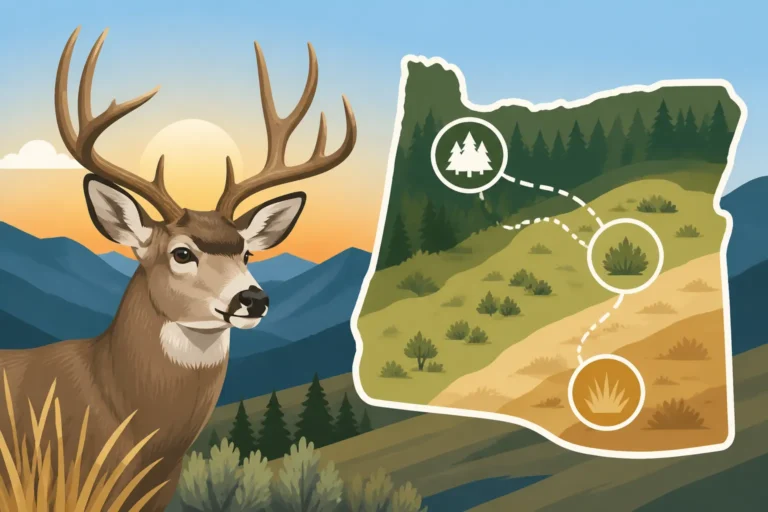
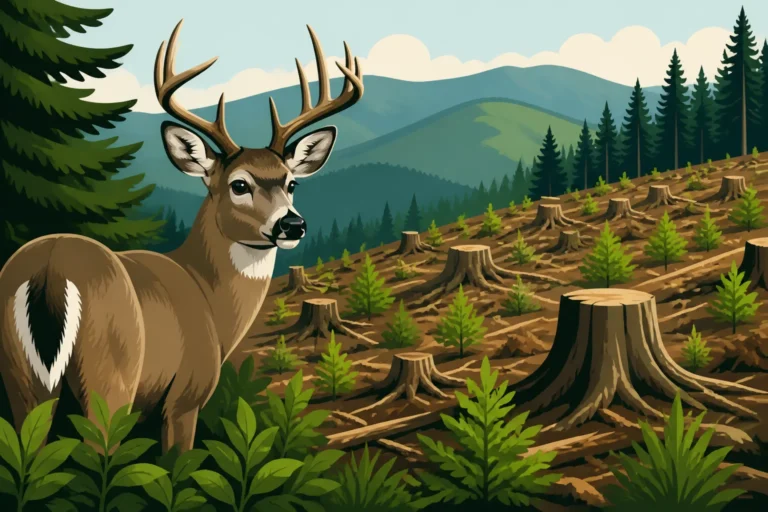
When we talk about traditional big game hunting in Oregon, we're primarily focused on deer and elk. For many, the thrill of a Oregon Elk Hunting Tactics for the November Rifle Seasons or the challenge of still-hunting for Blacktail Deer Hunting in Oregon's Coastal Clearcuts defines the Oregon experience. We have healthy populations of both Roosevelt and Rocky Mountain elk, each offering distinct challenges depending on the terrain and your preferred method. Similarly, both Columbian blacktail and mule deer provide incredible hunting experiences, though concerns around Oregon Mule Deer and the Herd Range Decline mean careful management of those tags.
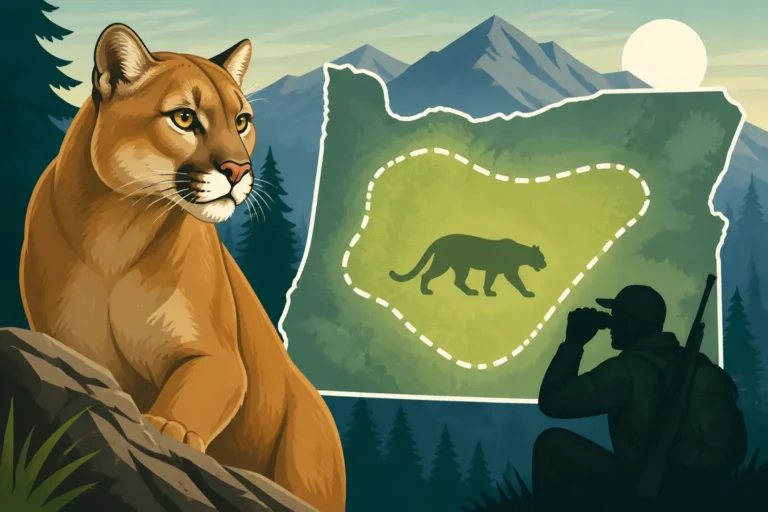
Beyond deer and elk, Oregon also offers opportunities for Oregon Black Bears in the Coast Range and Cascades, which are pursued in both spring and fall seasons without bait or hounds. Cougars in Oregon After the Hound Ban are another fascinating predator to hunt, though their elusive nature makes them a significant challenge. Finally, for those with incredible luck and patience in the draw, there are very limited tags for Oregon Pronghorn on the High Desert, and the truly coveted, once-in-a-lifetime tags for California Bighorn Sheep in Oregon's Canyon Country and Rocky Mountain Goats in Oregon's Wallowas. These are the species that ignite the passion of many Oregon hunters, and the ones you'll typically find detailed in the annual regulations.
The Definition of "Big Game" in Oregon Regulations
It's important to understand how the Oregon Department of Fish and Wildlife (ODFW) categorizes wildlife, because "big game" has a specific regulatory meaning. In Oregon, big game generally includes deer, elk, bear, cougar, pronghorn antelope, bighorn sheep, and mountain goats. These animals are managed through specific tag allocations, draw systems, and seasons. They typically require a separate big game tag in addition to your annual hunting license. The management for these species is intense, involving population surveys, habitat assessments, and complex draw systems like the Oregon Controlled Hunt Draw Explained that determine who gets to hunt where and when.
This distinction is crucial because it separates them from other huntable species like furbearers (coyotes, bobcats, fox), upland birds (turkey, pheasant, quail), or waterfowl (ducks, geese). While hunting these other species can be incredibly rewarding and challenging in its own right, they fall under different regulations, license requirements, and often have over-the-counter tags or general seasons rather than limited draws. So, when discussing "big game you cannot hunt," we're specifically looking at animals that might otherwise fit the traditional definition of large, wild mammals but are not included in Oregon's regulated hunting seasons.
Iconic Species That Are Strictly Off-Limits
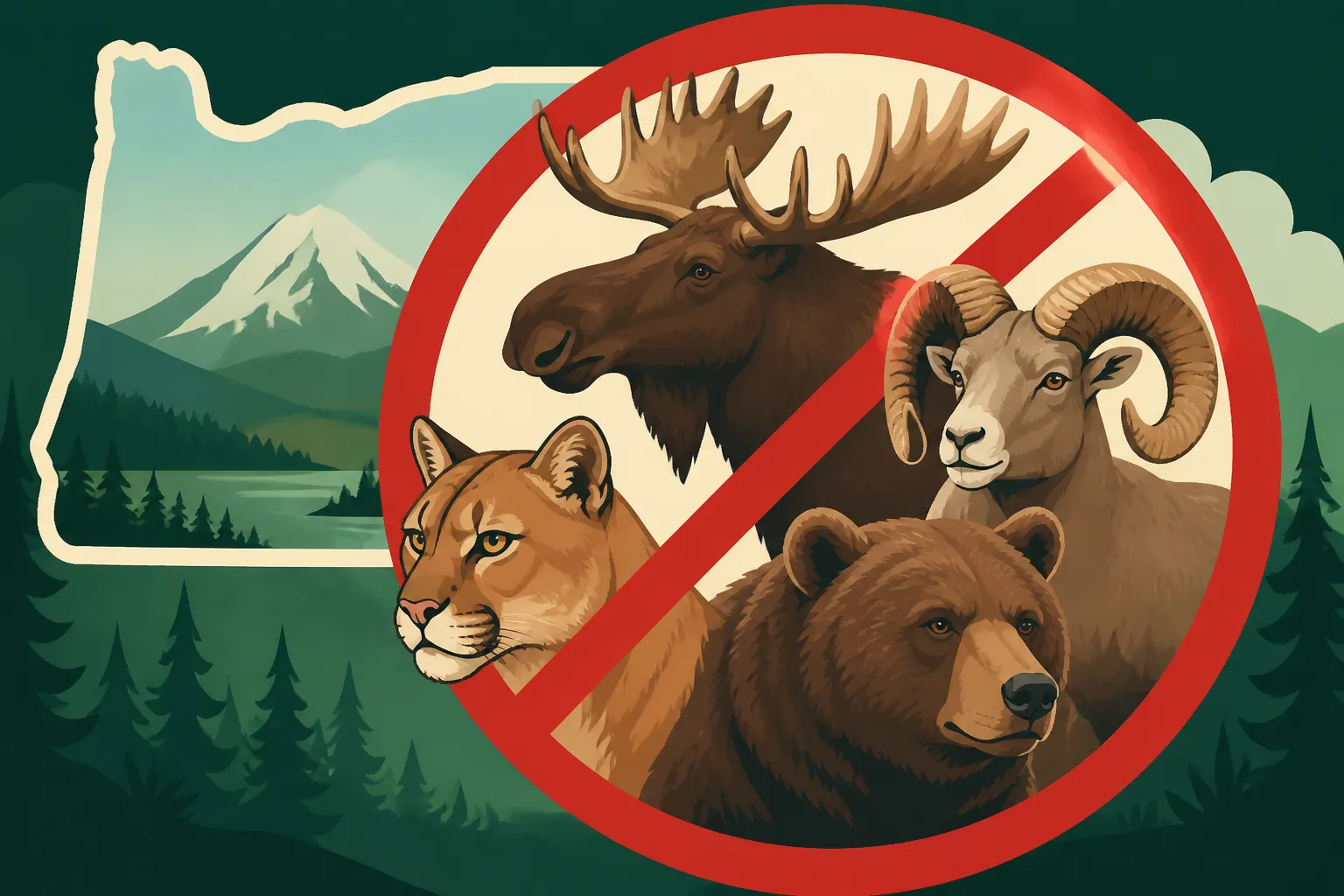
For various reasons, primarily conservation and historical population dynamics, some iconic large mammals are simply not legal to hunt in Oregon. These are the animals that often spark questions or discussions among hunters, sometimes leading to disappointment for those new to the state's regulations.
Wolves: A Protected Predator
Perhaps the most talked-about "big game" species you cannot hunt in Oregon is the gray wolf. After being extirpated from the state decades ago, wolves naturally began to return to Oregon from Idaho in the late 1990s and early 2000s. Since then, their population has slowly grown, and they have expanded their range across parts of eastern and, more recently, western Oregon. Understanding Oregon Wolves and Big Game Herds is a complex and often contentious topic, highlighting the intricate balance of wildlife management.
Currently, wolves in Oregon are protected under the state's endangered species act in the western portion of the state, and managed under a plan in the eastern portion that does not allow for general hunting seasons. While there have been discussions and phases of management that allowed for lethal control in specific circumstances (primarily to address chronic livestock depredation), these actions are highly regulated and distinct from public hunting seasons. For the average hunter, the sight of a wolf in the Oregon backcountry is a rare and awe-inspiring event, but you absolutely cannot legally pursue them. Their presence is a testament to natural recovery, and their management remains a topic of considerable public and scientific debate, but hunting them is not an option.
Grizzly Bears: Long Extinct in Oregon
Another magnificent big game animal that is completely absent and unhuntable in Oregon is the grizzly bear. Unlike black bears, which are native and thrive across much of the state, grizzly bears were extirpated from Oregon by the early 20th century, a common story across many western states during westward expansion. Their historical range once included parts of eastern Oregon, particularly in the Blue Mountains and Wallowas.
Today, there are no wild grizzly bears in Oregon, nor are there any current plans for reintroduction. This means that while you can pursue Oregon Black Bears in the Coast Range and Cascades, you will never encounter a grizzly here, and consequently, there is no hunting season for them. It's a key distinction for hunters to understand, as sometimes the terms "bear hunting" can conjure images of both species, but in Oregon, it's exclusively black bears you'll be targeting. The management of Oregon's black bear population is distinct and focuses solely on the species present.
Species With Extremely Limited or Special Opportunities
While not strictly "unhuntable," some big game species in Oregon present such rare and difficult-to-draw opportunities that for most hunters, they might as well be off-limits. These are the unicorns of the Oregon hunting world, often requiring decades of preference points or incredible luck to draw a tag.
Bighorn Sheep and Mountain Goats: Once-in-a-Lifetime Draws
Oregon is home to both California bighorn sheep and a small, but growing, population of Rocky Mountain goats. These animals inhabit some of the state's most rugged and breathtaking landscapes, from the steep, rimrock canyons of the high desert for bighorns to the alpine peaks of the Wallowa Mountains for goats. The challenge of hunting these animals, combined with their striking appearance, makes drawing a tag a dream for many.
However, these are truly "once-in-a-lifetime" tags, and that's not just a figure of speech—it's often a legal regulation. You might only be eligible to draw one bighorn sheep tag and one mountain goat tag in your entire life. The number of tags available each year is incredibly small, often in the single digits for an entire species across the state. This means the odds of drawing are infinitesimally low, requiring a tremendous amount of luck or, in some cases for bighorn, applying for many, many years. For many hunters, the closest they'll get to a bighorn or goat hunt is applying annually, watching the draw results in June, and contributing to conservation through their application fees. Places like GoHunt provide valuable insights into draw odds and harvest success rates, helping you strategize if you're serious about this long-term goal, but patience is absolutely paramount. When considering Oregon Bighorn Sheep and Goat Applications, understand you're entering a lottery with extremely long odds.
Non-Native Species with Potential, but No General Season
While Oregon doesn't have widespread wild populations of other "big game" animals like bison or caribou, which are hunted in other parts of North America, it's worth a brief mention of any species that might occasionally appear or have a very localized presence but no official hunting season. For example, while feral hogs are a significant issue in some southern states, Oregon has very few, if any, established wild populations. They are not managed as a big game species and there is no specific season for them. Any sightings or situations involving these animals are typically handled on a case-by-case basis through landowner permits or specific depredation control, rather than through a public hunting opportunity.
This category also includes animals that might exist in captive or semi-captive environments but are not considered free-ranging wild game by the state. The focus of Oregon's wildlife regulations is strictly on native, self-sustaining wild populations for its managed big game seasons. If it's not deer, elk, bear, cougar, pronghorn, bighorn, or goat, and it's not a furbearer or bird, chances are there's no legal hunting season for it.
Why Certain Animals Aren't Huntable: Conservation and Management
The decision to allow or restrict hunting for a particular species is never arbitrary. It's the result of complex ecological, biological, and social factors, all guided by the principles of wildlife conservation and responsible management. When a species is deemed "unhuntable" or has severely restricted opportunities, it's almost always for very specific, well-thought-out reasons.
Population Status and Recovery Goals
The primary driver behind hunting regulations is the health and stability of the animal population itself. When a species is listed as endangered or threatened, either federally or at the state level, hunting is almost universally prohibited to allow the population to recover. This is exactly the case with wolves in Oregon. Their reintroduction and slow, gradual expansion mean that conservation efforts are paramount. Wildlife managers are focused on ensuring genetic diversity, establishing new packs, and minimizing threats to the recovering population. Until populations are robust and widely distributed enough to be considered stable and self-sustaining without risk, hunting will not be an option.
Even for huntable species, population numbers dictate tag allocations. A species like the mule deer, which has seen some Oregon Mule Deer and the Herd Range Decline in parts of the state, might see reduced tag numbers or more restrictive seasons to help stabilize or grow the herd. Conversely, healthy and increasing populations, like those of black bears in some regions, allow for more liberal hunting opportunities. The data gathered from aerial surveys, research studies, and even mandatory reporting of harvested tags—like Reporting an Oregon Deer or Elk Tag—all feed into these critical population assessments.
Habitat Challenges and Human-Wildlife Conflict
Habitat is king when it comes to wildlife populations. Loss, fragmentation, or degradation of critical habitat can severely limit the carrying capacity of an area for a given species. If a species like the grizzly bear no longer has the vast, wild, interconnected habitat it needs to thrive in Oregon, then reintroduction, let alone hunting, becomes impractical or impossible. Human development, resource extraction, and wildfires can all play a role in shaping where animals can live and how many can survive.
For species that exist in more developed areas, human-wildlife conflict can also influence management decisions. Wolves, for instance, sometimes come into conflict with livestock producers. While these conflicts are managed, the overarching goal often remains population recovery, which can mean prioritizing non-lethal deterrents or targeted management actions over general hunting seasons. Hunting regulations are a tool to manage populations, but they must be considered within the broader context of how wildlife interacts with its environment and with human communities.
Looking Ahead: The Dynamics of Wildlife Management
Wildlife management in Oregon is not a static endeavor. It's a constantly evolving science, responding to new data, changing environmental conditions, and the diverse values of the public. What might be off-limits today could, theoretically, be managed differently in the distant future, and vice versa.
The Role of Science and Public Input
ODFW's decisions on hunting seasons, tag allocations, and species protection are rooted in science. Biologists conduct studies, monitor populations, and analyze data to make informed recommendations. This scientific foundation is crucial for sustainable management. However, public input also plays a significant role. Through public meetings, comment periods, and advisory committees, citizens and stakeholders have the opportunity to express their views, concerns, and values, which wildlife agencies must consider.
These discussions are particularly intense for species like wolves, where strong opinions exist on both sides of the management spectrum. Changes in hunting regulations, such as Oregon's 2026 Mule Deer Hunt Area Changes or shifts in elk seasons, are not made lightly and always involve extensive biological review and public outreach. As hunters, staying informed and engaged in these processes is vital.
Where to Find Official Updates and Resources
Given the dynamic nature of wildlife management, it's absolutely crucial to rely on official, up-to-date sources for information. The Oregon Department of Fish and Wildlife (ODFW) is your primary resource for all regulations, seasons, and licensing requirements. Their website and annual hunting regulation pamphlets are the authoritative texts. You can usually find the Oregon Regulation Pamphlet Release Date listed well in advance so you know when to grab the latest info.
Additionally, tools like GoHunt are invaluable for serious hunters. GoHunt aggregates a wealth of data, from draw odds and harvest statistics to unit information and regulation summaries. While it doesn't replace the official ODFW pamphlet, it can be an incredible resource for planning, understanding trends, and strategizing for future hunts, especially for those highly coveted draw tags. Staying connected to these resources ensures you're always operating within the legal framework and making informed decisions about your hunting pursuits in Oregon.
| Big Game Species in Oregon | Huntable Status | Primary Reason for Status | Typical Opportunity Level |
|---|---|---|---|
| Roosevelt Elk | Huntable | Stable populations | General season, controlled hunts |
| Rocky Mountain Elk | Huntable | Stable populations | General season, controlled hunts |
| Columbian Blacktail Deer | Huntable | Stable populations | General season, controlled hunts |
| Mule Deer | Huntable | Managed populations | Controlled hunts |
| Black Bear | Huntable | Stable populations | General season |
| Cougar | Huntable | Managed populations | Over-the-counter tag |
| Pronghorn Antelope | Huntable | Limited populations | Controlled hunts, very low odds |
| California Bighorn Sheep | Huntable (Rare) | Extremely limited, recovery | Once-in-a-lifetime draw, extremely low odds |
| Rocky Mountain Goat | Huntable (Rare) | Extremely limited, recovery | Once-in-a-lifetime draw, extremely low odds |
| Gray Wolf | Not Huntable | State/Federal Protection, population recovery | Prohibited |
| Grizzly Bear | Not Huntable | Extirpated (extinct in Oregon) | Absent |
Disclaimer
This article is for general informational purposes only and does not constitute professional advice. Laws, prices and regulations vary by location and change over time. Consult a qualified professional for guidance on your specific situation.