California Bighorn Sheep in Oregon’s Canyon Country
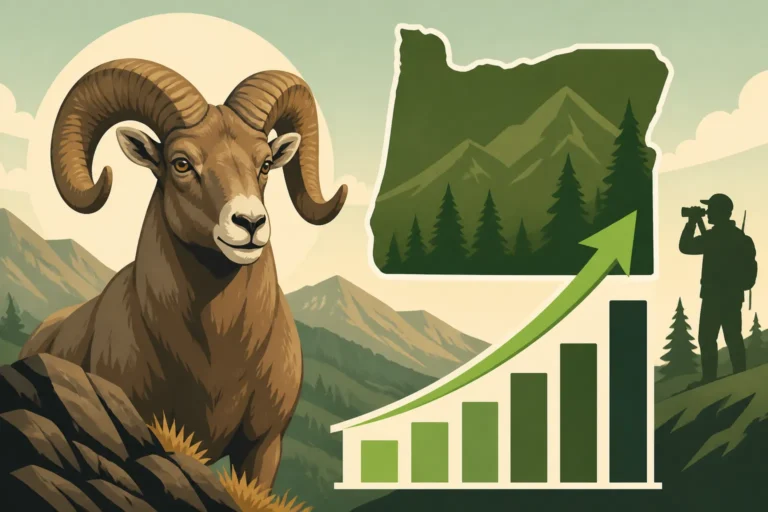
The dream of drawing a California Bighorn Sheep tag in Oregon is something many of us hunters carry, often feeling like an impossible long shot given the extreme rarity and minuscule odds. It's a hunt that demands not just incredible luck in the draw, but also immense physical and mental preparation for some of the state's most rugged and unforgiving canyon country. This comprehensive guide will pull back the curtain on these magnificent animals, their challenging habitat, and what it truly takes to pursue them, offering insights for both the hopeful applicant and the fortunate tag holder.
Understanding Oregon's California Bighorn Sheep
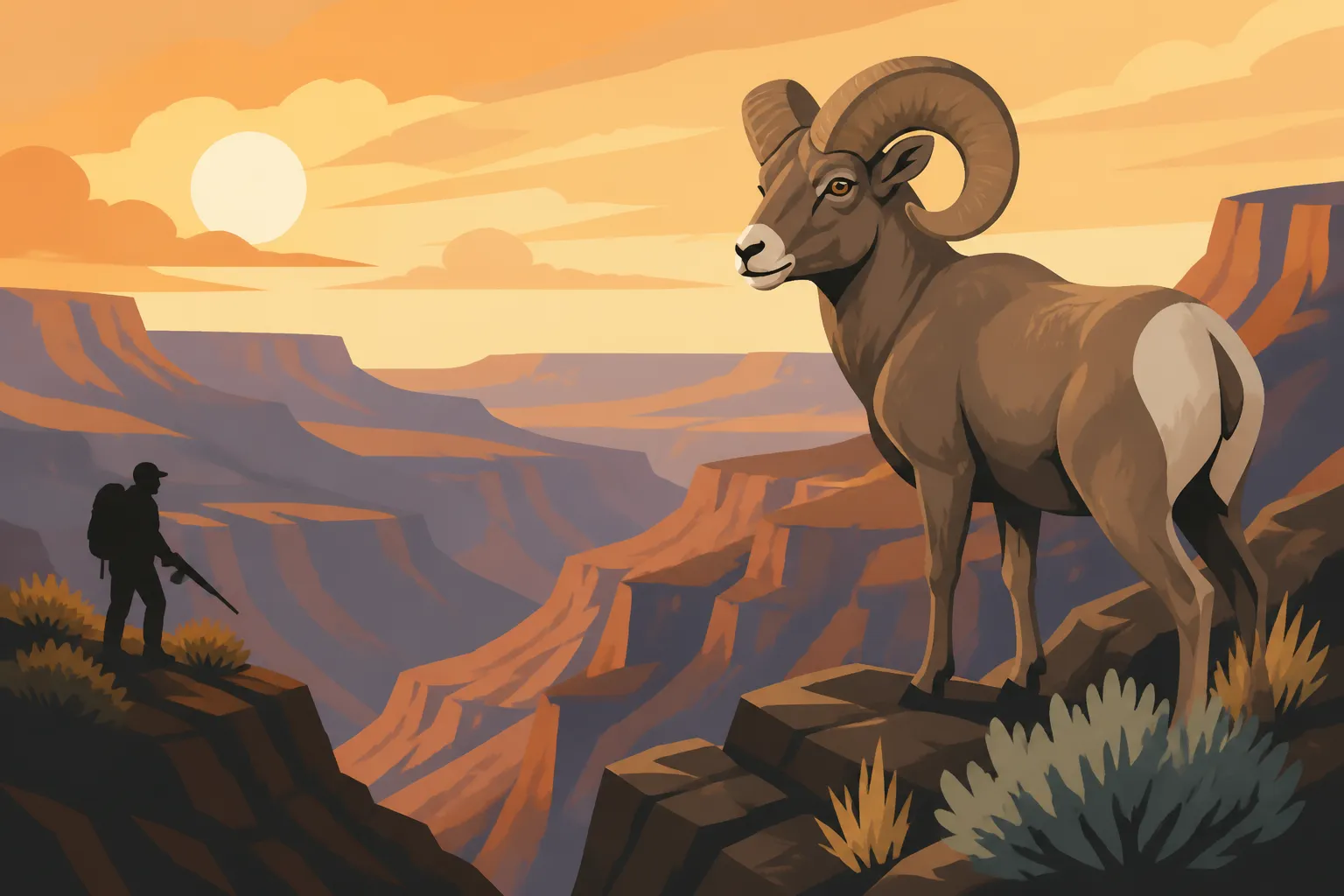
There's something truly majestic about a bighorn ram, standing sentinel on a windswept ridge, perfectly camouflaged against the craggy backdrop of Oregon's eastern canyons. These animals are a symbol of wild, untamed landscapes, and understanding their history, characteristics, and preferred habitat is the first step in appreciating the sheer privilege of even seeing one in person, let alone pursuing one with a tag in hand.
Historical Presence and Reintroduction Efforts
California bighorn sheep are not a new species to Oregon; they are native to our state's rugged canyonlands and high deserts. Unfortunately, like many big game species across North America, their populations faced severe declines in the late 19th and early 20th centuries. Habitat loss, unregulated hunting, and perhaps most devastatingly, diseases contracted from domestic sheep, pushed them to the brink. For a time, it seemed they might be lost from Oregon forever.
However, dedicated conservation efforts began in the mid-20th century, spearheaded by the Oregon Department of Fish and Wildlife (ODFW) and various conservation groups like the Wild Sheep Foundation. These efforts involved carefully planned reintroductions, often trapping bighorns from healthy populations in other states or even other areas of Oregon and relocating them to historical habitats. These reintroduction projects are arduous, requiring significant funding, meticulous planning, and careful monitoring to ensure the transplanted sheep have the best chance to thrive. It’s a testament to these long-term commitments that we have huntable populations today, albeit small ones. If you're curious about this fascinating history, you might want to read more about the California Bighorn Reintroduction in Oregon.
Key Characteristics and Adaptations
California bighorns are marvels of adaptation, perfectly suited to their extreme environments. They're generally smaller than their Rocky Mountain bighorn cousins, with rams typically weighing between 150-220 pounds. Their coats are a beautiful blend of brown and grey, providing excellent camouflage against rock faces, with a distinctive white rump patch. The most striking feature, of course, are the rams' massive, curling horns, which can signify age and dominance. These horns grow continuously throughout their lives, with growth rings indicating each year's growth and often a "broomed" tip from fighting or rubbing. Understanding Bighorn Ram Horn Growth Rings can tell you a lot about an animal's age and health.
Their physical adaptations for canyon life are nothing short of incredible. Their hooves are uniquely designed for traction, with a hard outer edge for grip and a softer inner pad that acts like a shock absorber, allowing them to navigate incredibly steep and rocky terrain with astonishing agility. Their eyesight is legendary, enabling them to spot predators or potential threats from vast distances across open canyons. They also have a keen sense of smell, further enhancing their survival in these exposed environments. These adaptations allow them to access forage and escape predators in places other animals simply cannot reach.
Where They Roam: Canyon Country Habitat
In Oregon, California bighorn sheep are primarily found in the rugged, arid canyonlands of the eastern part of the state. Think deep river breaks, steep volcanic rimrock, and desolate, remote country where water is scarce and vegetation sparse. Hells Canyon, straddling the Oregon-Idaho border, is perhaps the most iconic bighorn habitat in the state, offering vast, precipitous terrain carved by the Snake River. This area, along with sections of the Owyhee Breaks and parts of the Steens Mountain range, represent their core strongholds.
These habitats are characterized by steep slopes, rocky outcrops, and open expanses punctuated by scattered sagebrush and juniper. They need these vertical escape routes to evade predators like cougars and coyotes. Access to water, even seasonal seeps or isolated springs, is absolutely critical, especially during the hot, dry summer months. Forage consists mainly of grasses, forbs, and browse found between the rocks. Understanding the nuances of these specific habitats is paramount for any hunter fortunate enough to draw a tag, making careful scouting of specific units and even looking at Hells Canyon Access for Oregon Hunters a critical first step.
The Unique Challenges of Bighorn Hunting in Oregon
Drawing a California bighorn tag in Oregon is often described as a once-in-a-lifetime opportunity, and for good reason. The challenges extend far beyond the lottery system, encompassing the brutal physicality of the landscape, the elusive nature of the animals, and the sheer mental fortitude required to hunt them successfully. This isn't a hunt for the faint of heart or the unprepared.
Rarity of Tags and Draw Odds
Let's be brutally honest: drawing an Oregon bighorn sheep tag is like winning a small lottery. The number of tags issued each year is incredibly low, often in the single digits for the entire state, due to the limited populations and ODFW's conservative management approach aimed at sustaining and growing these herds. This scarcity means the draw odds for residents are already minuscule, and for nonresidents, they are even more astronomical. There isn't a preference point system for bighorns in Oregon like there is for deer and elk, which means every applicant starts fresh each year, relying purely on luck. This rule, known as Why Oregon Sheep Has No Point System, adds to the incredible challenge.
Many hunters apply for decades without ever seeing their name on the draw list. It's a testament to the allure of these animals that so many continue to apply year after year, knowing the odds. The tag itself is considered a "once-in-a-lifetime" tag, meaning that if you are fortunate enough to draw and harvest a bighorn sheep in Oregon, you cannot draw another bighorn tag in the state ever again. This commitment from the state makes the hunt even more sacred and emphasizes the immense value of each tag. You can delve into the specific details of the draw, including Oregon Bighorn Sheep and Goat Applications and the frustratingly low Oregon Sheep Draw Odds for Residents, through ODFW's annual hunt regulations.
Physical Demands of the Terrain
Hunting California bighorns means immersing yourself in some of Oregon's most physically demanding landscapes. We're talking about relentless vertical climbs, treacherous descents, and navigating loose rock scree fields where every step requires intense focus. The canyons of places like the Owyhee or Hells Canyon offer very little flat ground, meaning you're constantly gaining or losing elevation. Distances that look short on a map can take hours to traverse due to the sheer ruggedness.
The conditions can be extreme, from blistering summer heat during early seasons to freezing winds and snow in late fall. Carrying a heavy pack with optics, water, gear, and potentially meat and a hide adds another layer of difficulty. Dehydration, heat exhaustion, and twisted ankles are very real concerns. This isn't a sit-and-wait hunt; it's a relentless pursuit that demands peak physical conditioning. If you don't spend time training for an Oregon elk hunt in steep country, you'll be quickly humbled by bighorn terrain.
Hunting Strategies for Elusive Rams
Bighorn sheep are naturally wary animals, made even more so by their exposed habitat and keen senses. Their survival depends on their ability to spot danger from afar and quickly disappear into the rocks. This means hunters must employ meticulous spot-and-stalk techniques, often requiring hours of glassing from distant vantage points before attempting an approach. The terrain makes close-range encounters rare, and stalks are often measured in hours, not minutes, requiring extreme patience and stealth.
Finding rams is often the first hurdle. They blend seamlessly into their environment, making them incredibly difficult to spot even with high-quality optics. Once spotted, planning a stalk means navigating deep canyons, ridgelines, and draws, all while staying out of sight and downwind. There are no easy shots in bighorn country; every angle is steep, every foothold precarious. Hunters often find themselves having to back out of a stalk and try again the next day, learning the animals' patterns. It’s a game of chess against an opponent with an intimate knowledge of the home field.
Oregon's Bighorn Management and Conservation
Oregon's bighorn sheep populations are a precious resource, managed with extreme care by the ODFW. The state’s approach is a delicate balance of providing limited hunting opportunities while prioritizing the long-term health and growth of the herds. This involves constant monitoring, habitat improvement projects, and proactive measures to combat disease – the biggest threat to bighorn survival.
Population Status and Herd Health
ODFW biologists continually monitor Oregon's bighorn sheep populations through aerial surveys, ground observations, and health checks. These assessments provide crucial data on herd size, ram-to-ewe ratios, lamb survival rates, and overall health, which directly influence the number of tags issued. While some herds show stable or slowly increasing numbers, others face ongoing challenges. The goal is always to ensure sustainable populations that can withstand environmental pressures. The state tracks these numbers diligently, and it's a constant effort to understand the dynamics of these elusive animals.
For instance, specific units like those in Hells Canyon might have stronger, more established populations compared to newly reintroduced or struggling herds in other areas. Weather patterns play a significant role; harsh winters can reduce lamb survival, while extended droughts can limit forage and water availability, impacting overall herd health. This careful management is why the tags are so limited; ODFW is committed to maintaining the integrity of the resource.
Disease Threats: Bighorn Pneumonia
Without a doubt, the most significant and persistent threat to bighorn sheep populations, not just in Oregon but across the West, is pneumonia caused by bacteria, particularly Mycoplasma ovipneumoniae (Movi). This disease can decimate entire herds, especially after contact with domestic sheep or goats, which often carry the bacteria asymptomatically but can transmit it to bighorns with devastating results. Bighorns have little to no immunity to these pathogens, leading to severe respiratory illness and high mortality rates, particularly among lambs.
The impact of a pneumonia outbreak can set a herd back decades, eliminating years of conservation efforts. ODFW works tirelessly to implement separation strategies between wild and domestic sheep, including buffer zones and public education. However, managing this threat in vast, often intermingled landscapes is incredibly challenging. Understanding Bighorn Pneumonia Die-Offs in Oregon is crucial for appreciating the fragility of these populations and the ongoing efforts to protect them. This threat is a major reason for the extremely conservative tag allocations and the rigorous management protocols in place.
Conservation Efforts and Funding
Conservation of California bighorn sheep in Oregon is a multi-faceted endeavor that relies heavily on partnerships and funding. Beyond ODFW's direct management, organizations like the Wild Sheep Foundation and local conservation chapters play a vital role. These groups contribute funds, volunteer labor, and advocacy for habitat improvement projects, water development in arid areas, and ongoing research into bighorn health and genetics.
A significant portion of the funding for bighorn conservation, including disease research, reintroduction projects, and habitat work, often comes from hunters themselves. The sale of hunting licenses, tags, and especially the revenue generated from special auction tags (which can fetch hundreds of thousands of dollars) directly supports these programs. This financial commitment from the hunting community underscores the deep-seated desire to ensure these magnificent animals thrive for future generations. It’s a powerful example of how hunting can directly fuel conservation.
Preparing for an Oregon Bighorn Hunt
Drawing a bighorn tag is only the beginning; the real work starts now. The success of an Oregon bighorn hunt hinges almost entirely on preparation. This isn't a hunt you can wing; it requires dedicated physical training, meticulous gear planning, and extensive pre-hunt scouting to navigate the complex terrain and locate these elusive animals.
Physical Conditioning and Gear Essentials
Let's not sugarcoat it: a bighorn hunt is a suffer-fest if you're not in top physical shape. You need to be prepared for multi-mile hikes with significant elevation gain, often off-trail, carrying a heavy pack. Your training should mimic the hunt: think weighted pack hikes, stair climbing, and exercises that build core strength and endurance. Don't just walk; train on uneven terrain. The better your physical condition, the more enjoyable and effective your hunt will be. Your body is your most important piece of gear in bighorn country.
Beyond your body, your gear needs to be dialed. High-quality boots with excellent ankle support are non-negotiable for stability on steep, loose rock. Invest in a comfortable, durable pack capable of hauling heavy loads, including potentially quarters of meat. Optics are paramount: top-tier binoculars (10x-15x) for wide glassing, a powerful spotting scope (20-60x or 20-70x) on a sturdy tripod for evaluating rams from extreme distances, and a reliable rangefinder. Even with the best optics, spotting sheep is hard, but it's impossible with poor ones. Other essentials include layered clothing for variable conditions, plenty of water storage, a reliable GPS or satellite communicator for safety in remote areas, and a first-aid kit. Consider a brand like Maven or Swarovski for optics, and Kuiu or Sitka for clothing for their durability and performance in rugged environments.
E-Scouting and Understanding Unit Boundaries
Before you even set foot in the field, countless hours should be spent e-scouting your assigned unit. This involves using mapping software like the GoHunt app or other digital tools to identify potential bighorn habitat: steep, south-facing slopes, benches, rimrock, and most importantly, water sources. Look for areas with a mix of escape terrain and forage. Identify all potential access points, trail systems (or lack thereof), and areas that look particularly difficult to traverse. This virtual reconnaissance will help you narrow down vast landscapes into manageable search areas.
Crucially, you must intimately understand your unit boundaries. Bighorn country often borders multiple units, private land, or even wilderness areas with specific regulations. Tools like GoHunt are excellent for overlaying public land boundaries, private land ownership, and even wilderness boundaries onto topographical maps, helping you avoid accidental trespass or violating special use rules. You'll want to pay close attention to the details of Oregon's Wildlife Management Units and New Hunt Areas to ensure you're in the right place, and understand the implications of Oregon Wilderness Areas Open to Hunting.
Glassing Techniques for Open Country
Bighorn hunting is primarily a glassing game. You'll spend far more time looking through optics than walking or stalking. The key is patience and systematic observation. Find a high vantage point that offers expansive views of suitable habitat. Set up your spotting scope on a tripod, and systematically grid out the landscape, focusing on every rock, every shadow, every patch of scrub. Don't rush; pause and let your eyes adjust. Often, a ram will appear as a subtle difference in texture or color, or a small movement in what you initially dismissed as rocks.
Early mornings and late evenings are prime times, as sheep may be more active moving between bedding and feeding areas. During the heat of the day, they often bed down, blending perfectly. Look for sheep in groups, but also pay attention to lone rams, which can be particularly wary. Practice glassing for long periods, training your eyes to pick out anomalies. Remember that sheep are masters of camouflage, so a "rock" might just turn its head. This is very similar to strategies used when Glassing Eastern Oregon Rimrock for Mule Deer, where patience and thoroughness are key.
Hunting Tactics for Oregon California Bighorns
Once you've drawn a tag and put in the demanding preparation, the actual hunt begins. California bighorn hunting is a mentally and physically taxing endeavor that requires strategic thinking, meticulous stalking, and an intimate understanding of the animal's behavior and the unforgiving terrain.
Spot-and-Stalk in Steep Terrain
The spot-and-stalk method is the cornerstone of bighorn hunting. It typically begins with hours of patient glassing from a high point, often miles away from the sheep. Once a ram is spotted and deemed a target, the real challenge begins: planning an approach. This involves analyzing the terrain, wind direction, and the sheep's behavior. You'll need to use every fold of the land, every draw, and every bit of sparse cover to stay out of sight. Remember that bighorns have exceptional eyesight, making a concealed approach incredibly difficult.
Stalks often involve traversing extremely steep slopes, loose scree, and dangerous cliffs. It’s not uncommon for a stalk to take several hours, sometimes even requiring a multi-day approach if the sheep are in an inaccessible area. You might have to back out and try again the next day, learning from failed attempts. Patience is not just a virtue; it's a necessity. The mental fortitude to abort a stalk that doesn't feel right and restart is critical, rather than pushing into a bad situation that spooks the animal. Every step has to be calculated for quietness and safety.
Water Sources and Travel Corridors
In arid bighorn country, water is life, and understanding where and when sheep access it can be a significant advantage. During hot, dry periods, natural springs, seeps, or even isolated potholes that collect rainwater become magnets for bighorns. Identifying these crucial water sources during your e-scouting and then confirming them in the field can reveal key travel corridors and concentration areas. Sheep will often establish distinct trails leading to and from these water points.
Focus your glassing efforts around these vital water sources, especially during the middle of the day when animals are typically moving to drink. Similarly, pay attention to prominent ridges, saddles, and draws that serve as natural travel corridors between feeding, bedding, and watering areas. These funnels can offer strategic positions for observation or intercepting a ram on the move. However, remember that bighorns are constantly adapting, and just because they used a water source one day doesn't guarantee they'll be there the next.
Judging Rams and Ethical Shot Placement
A critical skill on a bighorn hunt is the ability to accurately judge a ram's age and horn size, especially if you're looking for a mature animal. ODFW regulations often specify legal rams by a certain curl or age, making proper identification essential. This is where your high-powered spotting scope becomes invaluable. You'll need to study horn mass, length, and the brooming at the tips, often using resources like the Boone and Crockett scoring system as a reference. Often, a "full curl" ram, where the horn tip breaks the plane of the eye, is a legal animal. Pay close attention to the Bighorn Ram Horn Growth Rings which can help estimate age. GoHunt sometimes provides resources or articles on field judging various species, including sheep, which can be quite helpful.
When it comes to ethical shot placement, the steep angles and rocky terrain present unique challenges. A bighorn's vitals are similar to other ungulates, but the body posture on a steep slope can alter your aiming point. Practice shooting at extreme angles, both uphill and downhill, before your hunt. Aim for the classic shoulder or lung shot. Due to the high value of the animal and the difficult recovery conditions, it's crucial to only take shots you are 100% confident in. A wounded bighorn can quickly disappear into unforgiving country, making recovery extremely hazardous, if not impossible. Shot placement on a quartering animal, especially with steep angles, demands careful consideration.
Beyond the Hunt: Meat Care and Trophy Preservation
Congratulations, you've overcome incredible odds and the challenges of the landscape! But the hunt isn't over when the shot is fired. The work of field dressing, packing out, and preserving your hard-won trophy is just as demanding and crucial, especially in remote, often hot, bighorn country.
Field Dressing in Remote Conditions
The moment a bighorn is down, the clock starts ticking. If you're deep in a canyon, far from any road, you'll likely need to perform a gutless method to quickly process the animal. This technique involves removing the animal's quarters, backstraps, tenderloins, and neck meat without gutting the animal, minimizing exposure to dirt and internal organs. Rapid cooling is paramount, especially if temperatures are warm. Get the hide off immediately, quarter the animal, and hang the meat in breathable game bags in the shade to promote air circulation.
Consider your elevation and ambient temperature. Even in fall, eastern Oregon can see warm daytime temperatures. If the weather is warm, getting the meat off the bone and into breathable bags as quickly as possible is critical to prevent spoilage. You might even need to consider using a portable game hoist or a sturdy branch to get the quarters off the ground. This process is very similar to Field Dressing an Elk in Warm Early-Season Weather, requiring efficiency and care.
Packing Out in Rugged Terrain
Packing out a bighorn sheep from its typical steep habitat is an arduous undertaking. Even a relatively small ram can weigh over 200 pounds, and you'll be dealing with rough, uneven terrain. You and your hunting partners (if you have them) will likely need to make multiple trips or carry incredibly heavy loads. A sturdy pack frame is absolutely essential for distributing weight properly and protecting your back. Think about what your Pack Frame Load Weight for One Hunter limit is, and plan accordingly.
The same physical conditioning that got you into the country will be tested again, this time with a substantial load. Navigate carefully, watching every step, as a fall with a heavy pack in bighorn country can be extremely dangerous. Plan your exit route carefully, considering the easiest (or least difficult) path out, even if it means a longer distance. Depending on your unit, access might require packing through designated wilderness areas, where motorized game carts are prohibited, adding to the challenge of Packing Meat Out in the Dark if necessary.
Caping for a Mount and Trophy Care
If you plan to have your ram mounted, proper caping is crucial. A shoulder mount requires the hide to be removed well down past the front shoulders, with plenty of extra material for the taxidermist. Make careful incisions to avoid cutting the ears, eyes, or lips. Keep the cape clean and free of blood. In the field, you'll need to carefully remove the skull plate with the horns attached, taking care not to damage the bases.
Once the cape and skull plate are separated from the carcass, they need immediate preservation. In the absence of a freezer, you'll need to thoroughly salt the cape to begin the drying process and prevent hair slippage. Pack the salted cape and skull plate carefully in breathable bags, ensuring they stay as cool and dry as possible during the pack out. Avoid direct sunlight. Once home, get them to a reputable taxidermist as quickly as possible. Many hunters will even pre-arrange for a taxidermist to meet them or guide them through the process due to the value of the trophy.
Drawing a Tag: The Oregon Application Process
For most aspiring bighorn hunters, the primary hurdle isn't the physical challenge or the actual hunt itself, but rather the seemingly insurmountable task of drawing a tag. Oregon's system for bighorn sheep is unique, and understanding its nuances is key to maintaining hope and maximizing your extremely slim chances.
Understanding Oregon's Draw System for Sheep
Unlike deer and elk, Oregon's bighorn sheep tags are part of a true lottery system. There are no preference points, meaning every applicant, regardless of how many years they've applied, has an equal chance each year. This means your application for a bighorn tag does not build points, nor does it affect any points you might be accumulating for other species. This is explicitly stated in ODFW regulations, reiterating Why Oregon Sheep Has No Point System. The logic behind this is to keep the opportunity purely random, ensuring that every hunter who dreams of a sheep hunt has a shot, even if it's a long one.
The application window for bighorn sheep, like most other controlled hunts in Oregon, typically closes on May 15th. It's vital to submit your application well before this deadline. You can apply for multiple choices for various sheep units, but your first choice is where your greatest (and only) odds lie. If you're applying for Oregon Bighorn Sheep and Goat Applications, make sure to review the specific hunt numbers and unit descriptions for that year, as these can occasionally change.
Maximizing Your Chances
Given that the draw is a pure lottery, there isn't a secret formula to "maximize" your chances in the way there is with preference points for other species. However, there are a few practical considerations. Firstly, apply every single year. Consistency is key; you can't win if you don't play. Many hunters purchase a point-only option for deer and elk, but for sheep, you must submit a full application for a hunt to be entered into the draw.
Secondly, research the units. While draw odds are incredibly low across the board, some units might see slightly fewer applicants or offer slightly more tags in a given year. Websites like GoHunt provide detailed draw odds statistics for past years, which can give you a historical perspective on demand and success rates. Use these resources to make informed choices on your first, second, and third hunt selections, although remember that only your first choice matters for the bighorn draw. Knowing the Best Oregon Bighorn Unit Odds might influence your first choice, but it's still a long shot anywhere.
Once-in-a-Lifetime Rules
It’s important to fully grasp the "once-in-a-lifetime" rule for Oregon bighorn sheep tags. If you are fortunate enough to draw an Oregon bighorn sheep tag and successfully harvest an animal, you are permanently ineligible to draw another bighorn sheep tag in Oregon. This rule applies to both California bighorns and Rocky Mountain bighorns within the state. This makes drawing a tag an even more profound opportunity and reinforces the high value placed on each successful hunt.
This "once-in-a-lifetime" status is a common management tool across many Western states for highly coveted species like bighorns, mountain goats, and moose. It ensures that the limited opportunity to hunt these animals is spread among as many hunters as possible over time, rather than allowing a few individuals to harvest multiple animals. It truly means that if your number comes up, you're about to embark on the hunt of a lifetime, with no second chances in Oregon. Details on this can be found under Once-in-a-Lifetime Rules for Oregon Sheep in the ODFW regulations.
Legalities and Regulations Specific to Oregon Bighorns
Hunting bighorn sheep in Oregon comes with a stringent set of rules and regulations. Due to the species' rarity and conservation status, ODFW closely monitors these hunts, and it is imperative for tag holders to understand and adhere to every legal requirement. Violations can carry severe penalties and jeopardize future hunting opportunities.
Weapon Restrictions and Specific Rules
For controlled bighorn sheep hunts in Oregon, hunters are typically restricted to using centerfire rifles, muzzleloaders, or archery equipment, with specific requirements for each. For rifles, there are minimum caliber and bullet energy requirements, generally similar to those for elk. Muzzleloaders have specific ignition and bullet types allowed, often including patched round balls or conical bullets, and sometimes sabots depending on the hunt. Archery equipment also has minimum draw weight and broadhead specifications.
It's crucial to consult the current year's Oregon Big Game Regulations pamphlet for the exact, up-to-date rules specific to your bighorn unit and weapon choice. There are often rules about Oregon Muzzleloader Equipment Rules or Archery Setup for Wet Oregon Timber (though bighorn country is often dry, the principles of reliable gear apply) that you should be familiar with. Any deviation from these rules can result in your harvest being confiscated and severe penalties.
Reporting Requirements and Horn Plug
Oregon has mandatory harvest reporting for all big game species, and bighorn sheep are no exception. In fact, due to their unique status, the reporting requirements for sheep are even more critical. You must report your harvest to ODFW within a very specific timeframe, usually immediately upon harvest or within a few days, and then typically again by January 31st. Failure to report your harvest will result in a $25 penalty, which could also affect your ability to apply for future controlled hunts. This is outlined in Oregon Mandatory Harvest Reporting and the $25 Penalty.
Beyond standard harvest reporting, ODFW requires successful bighorn hunters to present the skull and horns to an ODFW office for inspection and tagging. This typically involves inserting a metal "horn plug" into the horn to signify a legal harvest and prevent re-tagging. This inspection allows biologists to collect crucial data on the ram's age, health, and location of harvest, contributing to their ongoing management efforts. This is usually a required step before you can take your trophy to a taxidermist.
Respecting Private Land and Wilderness Boundaries
Oregon's bighorn habitat often encompasses a mosaic of public and private land, as well as designated wilderness areas. Knowing precisely where you are is non-negotiable. While much of the prime bighorn habitat is on public lands managed by the Bureau of Land Management (BLM) or the U.S. Forest Service, patches of private land can exist within or adjacent to these areas. Trespassing, even accidentally, can lead to fines, loss of your tag, and permanent revocation of hunting privileges. Digital mapping tools, like the GoHunt app with its land ownership layers, are invaluable for staying on public ground and identifying Finding Property Lines on Oregon Public Land.
Hunting within designated wilderness areas, such as parts of Hells Canyon or the Steens Mountain Wilderness, comes with its own set of regulations. These areas prohibit motorized vehicles, bicycles, and sometimes even game carts, necessitating packing everything out on foot or with pack stock. There may also be restrictions on group size, camping locations, and fire use. Understanding the specific rules for Oregon Wilderness Areas Open to Hunting and checking local restrictions for your specific unit is paramount before you enter these pristine, protected landscapes.
Oregon Bighorn Sheep Units Overview
Oregon's bighorn sheep herds are found in distinct geographic areas, each with its own character and challenges. While the draw odds are tough across the board, understanding these units can help you make an informed decision when applying, or prepare for the specific terrain if you're lucky enough to draw a tag.
| Unit Name (or Primary Area) | Geographic Location | Key Terrain Features | Typical Ram Type | Primary Access Challenges | Notes |
|---|---|---|---|---|---|
| Hells Canyon (various hunt codes) | Northeast Oregon, along Snake River | Deep, rugged river breaks, volcanic cliffs, steep slopes, vast and remote | California Bighorn | Very limited road access, often requires boat or extensive hiking, wilderness rules apply | Most iconic and populous bighorn area, high ram density but extremely tough hunting |
| Owyhee (various hunt codes) | Southeast Oregon, near Idaho border | Arid, broken canyonlands, rimrock, sagebrush plateaus, desert environment | California Bighorn | Remote, rough roads, long drives, limited water sources, can be very hot | Known for large, heavy-horned rams, very desolate and unforgiving country |
| Steens Mountain | Southeast Oregon | High desert mountain range, steep fault block cliffs, alpine meadows, lower canyons | California Bighorn | Access roads can be seasonal, large elevation changes, designated wilderness areas | Unique habitat diversity, rams often found at various elevations, can be very physical |
| John Day/Murderers Creek (reintroduction areas) | East-central Oregon | Basaltic canyons, timbered slopes, river breaks, mixed habitat | California Bighorn | Varied, some road access, but many areas require foot travel into canyons | Newer reintroduction areas, populations still establishing, tags are even rarer |
Disclaimer
Please remember that hunting regulations, seasons, and unit boundaries are subject to change. Always consult the most current Oregon Department of Fish and Wildlife (ODFW) regulations pamphlet before planning or undertaking any hunting activity. This guide is for informational purposes only and should not be considered a substitute for official ODFW publications or professional advice.