Hells Canyon Access for Oregon Hunters
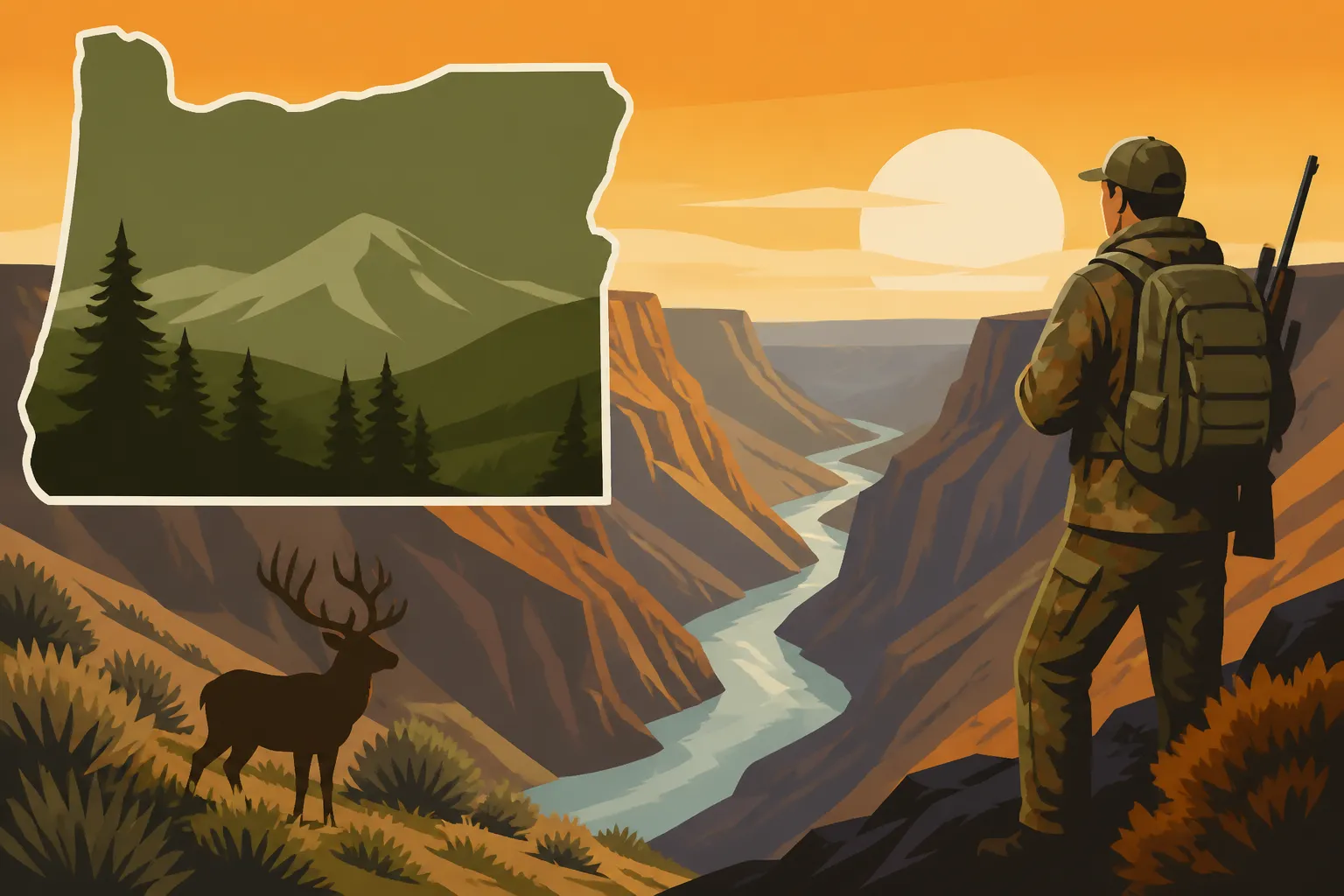
Hells Canyon. Just the name conjures images of massive, daunting landscape, a place where the earth itself seems to have ripped open. For many Oregon hunters, it's a place of legend, a bucket-list destination that simultaneously excites and intimidates. The sheer scale, the ruggedness, and the incredible remoteness can make even experienced backcountry enthusiasts feel a bit overwhelmed when trying to figure out how to even get into this wild expanse. This guide aims to pull back the curtain on accessing Hells Canyon for your Oregon hunting adventure, helping you understand its challenges and how to prepare.
Understanding Hells Canyon's Unique Landscape for Hunters
Before you even think about packing your gear, you need to truly grasp what Hells Canyon is all about. This isn't your typical timber hunt in the Cascades or a casual stroll through an Eastern Oregon sagebrush flat. This is a beast of its own, demanding respect, preparation, and a deep understanding of its character.
The Sheer Scale and Rugged Terrain
Imagine the deepest river gorge in North America, plunging almost 8,000 feet from the high peaks of the Wallowa Mountains down to the Snake River. We're talking about a landscape that stretches for miles and miles, an intricate maze of steep, broken basalt cliffs, rugged side canyons, and punishing climbs that will test every muscle in your body. From near-sea-level at the river bottom to over 9,000 feet on the rim, the elevation changes are abrupt and relentless. You could be baking in 90-degree heat in the canyon depths and encounter snow in the higher elevations on the same day.
This dramatic topography doesn't just look impressive; it profoundly dictates everything about hunting here. Game animals, especially elk, are masters of this country, using the deep draws, dense pockets of timber, and hidden benches to their advantage. What looks like a short distance on a map can easily be a day's brutal climb or descent. There are very few "easy" spots, and isolation is the norm. If you get into trouble, help is a long, long way off. It's a place where you quickly learn the meaning of true self-reliance, and every decision you make regarding your route and equipment carries significant weight.
Diverse Ecosystems and Game Species
One of the most fascinating aspects of Hells Canyon is its incredible biodiversity, a direct result of its extreme elevation gradients. You'll find everything from arid, desert-like conditions at the canyon floor with rattlesnakes and prickly pear cactus, to dense Ponderosa pine and Douglas fir forests higher up, eventually transitioning to alpine meadows and even pockets of subalpine fir near the rim. This means a vast array of habitats, which in turn supports a diverse population of big game.
The canyon is renowned for its Rocky Mountain elk herds, which can be found from the river breaks to the high country. Mule deer often inhabit the more open, rimrock areas and juniper draws. Black bears and cougars also call this rugged terrain home, thriving on the abundant prey. Perhaps most iconic are the California bighorn sheep, perfectly adapted to the steep, rocky cliffs. Understanding these varied ecosystems is crucial for a hunter. A plan for hunting elk in the timbered slopes will be vastly different from stalking mule deer along the rimrock, or even more so, pursuing bighorns in the sheer rock faces. Knowing where these animals thrive at different times of the year, influenced by forage, water, and snowfall, is key to success.
Wilderness Designation and Its Implications
Much of the Hells Canyon you'll want to hunt falls within the Hells Canyon Wilderness Area, a special designation that profoundly impacts how you can access and hunt the land. Wilderness areas are explicitly managed to preserve their natural character, meaning strict limitations on human impact. What does this mean for hunters? Essentially, forget about roads, motorized vehicles, or any mechanized transport within the wilderness boundary.
This means no ATVs, no e-bikes, and no motorized carts to help pack out your game. When you enter the wilderness, it's either on your own two feet or with the help of pack stock like horses or mules. This commitment to non-mechanized access is part of the allure for many, offering a truly primitive hunting experience, but it's also a significant logistical hurdle. You'll need to plan for packing everything in and everything out, including any game you harvest, entirely under your own power or with animals. Familiarizing yourself with these rules is paramount, as they are strictly enforced to maintain the integrity of this incredible wild place. If you're wondering about specific transport limitations, I've covered it in Oregon Wilderness Rules That Ban Motorized Carts.
Primary Access Points and Trailheads for Oregon Hunters
Alright, so you've braced yourself for the sheer scale and understood the wilderness rules. Now, where do you actually get into this behemoth? Hells Canyon isn't like a national forest with convenient paved roads and signage every few miles. Access is often rugged, requires planning, and sometimes, a little local knowledge.
Northeastern Gateways: Imnaha, Wallowa, and Chesnimnus Units
For many Oregon hunters, the most common approaches to Hells Canyon originate from the northeast, springing from the charming towns like Enterprise, Joseph, and Imnaha in Wallowa County. This region provides a series of high-elevation trailheads that drop into the canyon. You'll find yourself navigating Forest Service roads, often graveled and sometimes rough, but generally passable by a high-clearance vehicle when dry. Remember to check conditions, especially in spring and fall, as mud and snow can quickly render some roads impassable.
Popular trailheads like Hat Point, Lord Flat, and Dug Bar offer varying degrees of descent into the canyon. Hat Point, for example, offers breathtaking panoramic views of the canyon from the rim and serves as a jump-off point for several trails. Lord Flat is another favored starting point, providing access to a network of trails that lead deep into the interior. Dug Bar, on the other hand, often requires a much longer drive down a winding, sometimes challenging road to reach the Snake River itself. These access points are typically your best bet for targeting game in the Imnaha, Wallowa, and Chesnimnus units that border the wilderness. Always arrive with a full tank of gas and good tires, because services are non-existent once you leave the pavement.
Southern Approaches: From Halfway and Oxbow
While the northeastern routes are popular, southern approaches, particularly from the Halfway area or near Oxbow, offer different entry points and can lead you into distinct parts of the canyon. Access from these areas tends to be less common for casual day-hikers and might appeal to hunters looking for potentially less crowded spots. Roads heading into the canyon from this direction, such as the FS 39 road (Wallowa Mountain Loop Road) before it dips into the Hells Canyon corridor, can provide access to trailheads that lead into the deeper, more remote sections.
You might be looking at trailheads that are less developed, less frequented, and potentially even steeper or more overgrown. This requires an even higher degree of self-sufficiency and map-reading skills. These southern access points might put you closer to parts of the Snake River Unit or areas that hold specific types of game you're targeting. Regardless of the direction, the common theme is that you'll quickly leave behind any semblance of civilization and enter a truly wild domain.
The Role of the Snake River and Boat Access
For a unique and often efficient way to access the depths of Hells Canyon, the Snake River itself plays a pivotal role. Jet boats can navigate the powerful currents of the Snake, opening up access to remote trailheads and hunting areas that would otherwise require days of brutal hiking. This is a game-changer for those targeting game near the river bottom or wishing to cut down on the arduous pack-in time.
Many outfitters offer jet boat drop-off and pick-up services, allowing hunters to be inserted deep into the canyon with all their gear, and then extracted with their harvest later. This service comes at a cost, of course, but for many, it's an investment in saving time and physical exertion. You can launch your own jet boat from public ramps like Pittsburg Landing (on the Idaho side, but accessible from Oregon) or Dug Bar, provided you have the right equipment and experience to navigate the powerful river. Just remember, once the boat leaves, you're on your own in the wilderness until your scheduled pickup. For specific considerations about river access in this unique unit, take a look at Snake River Unit Access by Boat.
Navigating the Hells Canyon Wilderness and Backcountry
Once you're beyond the trailhead, the real navigation challenge begins. Hells Canyon isn't a place for casual map-readers; it demands expert-level topographical understanding and a keen sense of direction. Getting lost here isn't just an inconvenience; it can be life-threatening.
Trail Systems and Their Conditions
The Hells Canyon Wilderness does have a network of trails, but don't picture neatly graded paths with frequent markers. Many of these are old stock trails, game trails, or routes that see infrequent maintenance. They can be incredibly steep, sometimes gaining or losing thousands of feet in just a few miles. You'll encounter sections that are rocky, eroded, overgrown with brush, or washed out by landslides. In certain areas, especially near the river or in dense timber, trails can vanish, leaving you to pick your way through difficult terrain.
Always assume trails will be more challenging than described on any map. Be prepared for slow going, requiring constant attention to your footing. Crossing creeks and drainages can also present challenges, especially during spring runoff or after heavy rains. The sheer wildness means you should anticipate encountering downed trees, rockslides, and other natural obstacles that will require navigation around or over. This isn't a place for speed, but for careful, deliberate movement.
Map and GPS Essentials
Given the treacherous and often vague nature of the trails, reliable navigation tools are not optional; they are absolutely essential. Your primary tools should be a high-quality topographical map and a GPS device, ideally with pre-loaded maps. Do not rely solely on one or the other. Batteries can die, and paper maps can get wet or torn.
This is where a service like onX Hunt really shines. You can download detailed satellite imagery and topographical maps directly to your phone, allowing for offline use even when you have no cell signal (which will be most of the time in Hells Canyon). The ability to see property boundaries, track your real-time location, mark waypoints for water sources, game sightings, or camp spots, and measure distances is invaluable. Beyond onX, dedicated GPS units like those from Garmin offer robust performance in all weather conditions. Always carry extra batteries for all electronic devices. Beyond the map, a solid understanding of how to use a compass with your physical map is a foundational skill that could save your life if your electronics fail. For broader planning and understanding specific unit data, resources like GoHunt can provide valuable insights into hunt areas and drawing odds, helping you decide which parts of Hells Canyon might be worth the intense effort.
Water Sources and Camp Locations
Water management is critical in Hells Canyon. While the Snake River is obviously present, many of the side canyons and ridge tops can be surprisingly dry, especially during late summer and early fall hunts. Identifying reliable water sources before you go is paramount. Mark known springs, creeks, and river access points on your map and GPS. However, always treat any water you find. A good water filter or purification system is as essential as your rifle. Running out of water in this steep, hot, and unforgiving terrain can quickly lead to a serious emergency.
When choosing a camp location, consider several factors: proximity to water, shelter from wind and sun, relatively flat ground, and compliance with wilderness regulations. Look for benches or saddles that offer a bit of respite from the relentless slopes. In the wilderness, you'll need to adhere to Leave No Trace principles, meaning camping at least 200 feet from water sources and trails, packing out all trash, and minimizing your impact. Also, be aware of deadfall and potential hazards from falling branches, especially if strong winds are expected. Always choose a spot that offers a clear escape route if conditions change rapidly.
Planning Your Hells Canyon Hunting Logistics
Successfully hunting Hells Canyon isn't about stumbling into it; it's about meticulous planning, often months in advance. Every detail, from how you'll get in to how you'll get game out, needs to be considered long before you step foot on a trailhead.
Stock vs. Backpacking: Pros and Cons
This is often the first major logistical decision for any Hells Canyon hunt. Both backpacking and using pack stock (horses or mules) have their distinct advantages and disadvantages.
Backpacking:
- Pros: Lower initial cost (no animals to buy, feed, or transport), greater flexibility to go where stock can't, more stealthy movement. You are beholden to no one but yourself and your partners.
- Cons: Severely limited carrying capacity, meaning ultralight gear is essential, and packing out an animal is an extremely physically demanding multi-day endeavor. This option demands peak physical fitness.
- Best for: Smaller game, spike camp hunts, hunters in phenomenal shape, or those targeting areas with no stock access.
Pack Stock:
- Pros: Can carry significantly more gear (food, water, heavier camp setup), drastically reduces the physical burden of packing in and out, especially when dealing with a harvested animal. It allows you to stay in the backcountry longer and with more comfort.
- Cons: High initial investment (if you own stock), requires extensive experience with animal care and handling in rugged terrain. If you hire a packer, it's a significant expense. Stock require feed and water themselves, and there are specific regulations regarding certified weed-free feed in wilderness areas. Requires careful planning for trailhead parking and animal logistics.
- Best for: Multi-day hunts for larger game (elk), older or less physically able hunters, or those who simply prefer the tradition and capabilities of stock.
Many hunters choose a hybrid approach: they backpack in with minimal gear for a few days, and if they harvest an animal, they call in a packer for extraction. This combines the stealth and flexibility of backpacking with the hauling power of stock. You can dive deeper into this topic with Horse and Llama Packing Into Oregon Backcountry.
Timing Your Hunt: Seasons and Conditions
The timing of your Hells Canyon hunt profoundly impacts the conditions you'll face.
- Early Archery Season (August/September): Expect extreme heat, dry conditions, and potentially active wildfires. Water sources can be scarce. However, elk are often vocal, and animals may still be in more predictable summer patterns. The canyon colors are beautiful, but the physical demands are at their peak due to heat. Wildfires are a real concern, and it's essential to stay updated on closures; check Checking Oregon Fire Closures Before the Season regularly.
- Rifle Seasons (October/November): Temperatures cool down, increasing comfort for hunting. There's a higher chance of rain or early snow, which can improve tracking but also make travel treacherous. Game animals may be moving more due to breeding activity or preparing for winter. Roads can become muddy or snowed in.
- Late Seasons: Depending on specific controlled hunts, late seasons can bring deep snow, colder temperatures, and extreme challenges for access and survival. However, game may be concentrated in specific winter range areas if they haven't moved to lower elevations.
Always research historical weather patterns for your specific hunt dates and elevation. A light snow at the rim can be heavy rain at the river bottom. Be prepared for everything.
Contingency Planning and Safety
Hells Canyon is not the place to "wing it." Its remoteness means you must be self-sufficient and prepared for any eventuality.
- Emergency Communication: Cell service is virtually non-existent in the canyon depths. A satellite communication device (like a Garmin inReach or Zoleo) is a must-have. These allow you to send and receive text messages, share your location, and, critically, trigger an SOS if you or a partner face a life-threatening emergency.
- First Aid: Carry a comprehensive first aid kit and know how to use its contents for common hunting injuries (cuts, sprains, breaks). Take a wilderness first aid course if possible. Knowing how to stabilize an injury and prepare someone for a potentially long wait for help is crucial. For detailed guidance, refer to First Aid Kit Items for a Remote Hunt.
- Weather Changes: Be prepared for rapid and drastic weather shifts. Pack extra layers, quality rain gear, and an emergency shelter. Hypothermia is a real threat even in moderate temperatures if you get wet and the wind picks up.
- Fire Safety: Especially during dry periods, extreme caution with fires is essential. Carry a shovel and plenty of water if you plan to have a fire, and always ensure it's completely out. Understand local fire restrictions.
- Detailed Trip Plan: Always leave a detailed itinerary with someone reliable back home. Include your exact route, planned campsites, vehicle description, and expected return date. Let them know when to expect contact from you and when to initiate emergency procedures if they don't hear from you.
Essential Gear and Physical Preparation for Hells Canyon
You wouldn't run a marathon without training, and you certainly shouldn't hunt Hells Canyon without being in top physical condition and equipped with the right gear. This place will find any weak link in your preparation.
The Right Footwear and Clothing for Extreme Terrain
Your feet are your most important asset in Hells Canyon, and your footwear must be up to the task.
- Boots: Invest in high-quality, sturdy backpacking or mountaineering boots with excellent ankle support, stiff soles, and waterproof membranes (like Gore-Tex). They need to be well broken in before your hunt. The terrain is rocky, steep, and often slippery, demanding boots that can handle abuse and provide critical stability. Blisters can quickly derail a hunt in this country.
- Socks: Multiple pairs of moisture-wicking wool or synthetic socks are crucial. Layering a thin liner sock under a thicker hiking sock can help prevent blisters and manage moisture.
- Clothing: A layering system is non-negotiable. You'll likely experience a wide range of temperatures throughout the day.
- Base layers: Moisture-wicking synthetics or merino wool to manage sweat.
- Mid-layers: Fleece or puffy insulation for warmth.
- Outer shell: Waterproof, breathable rain gear (jacket and pants) to protect against rain, wind, and brush. Durability is important as you'll be pushing through thick vegetation.
- Pants: Durable, quick-drying hunting pants that can withstand brush and abrasion.
- Headwear: A wide-brimmed hat for sun protection and a warm beanie for cold mornings.
- Gloves: Light gloves for protection and warmth, possibly a heavier pair if expecting cold weather.
Packing for Self-Sufficiency and Game Recovery
Every item in your pack needs to justify its weight. Think lightweight, durable, and multi-functional.
- Backpack/Pack Frame: A robust internal or external frame pack with sufficient capacity for multi-day trips and the ability to haul heavy loads of meat. If you plan to debone an animal, you'll need something that can handle 75-100+ pounds of meat plus your gear.
- Shelter: A lightweight, durable tent or tarp system suitable for all potential weather conditions.
- Sleeping System: A warm sleeping bag rated for the lowest expected temperatures, plus a comfortable and insulating sleeping pad.
- Cooking System: A compact stove, fuel, and lightweight cooking pot. Don't forget high-calorie, nutritious food that's easy to prepare.
- Water Filtration: A reliable water filter or purification tablets. Always carry a minimum of 2 liters of water capacity, more if you anticipate long dry stretches.
- Knives/Processing Tools: Sharp knives, a small bone saw, and game bags are essential for field dressing and quartering your animal. Remember, Hells Canyon is steep, so getting an animal off the ground quickly can be a challenge. Knowledge of the gutless method can be a huge asset. For comprehensive advice on field processing, you might want to read Quartering and Packing an Elk Alone.
- Headlamp/Flashlight: With extra batteries. Hunting at dawn, dusk, or packing out in the dark will require reliable light.
- Navigation: (As discussed above) Map, compass, GPS, satellite communication device.
- Fire Starter: Lighter, waterproof matches, and fire starting material.
- Repair Kit: Duct tape, cordage, sewing kit for minor gear repairs.
Physical and Mental Conditioning
This cannot be overstated: Hells Canyon will demand everything you have, physically and mentally.
- Physical Training: Begin your physical training months in advance. Focus on:
- Cardiovascular Endurance: Long hikes, trail running, stair climbing, incline walking (especially with a weighted pack).
- Strength Training: Emphasize legs, core, and back. Squats, lunges, deadlifts, and farmer's carries will mimic the demands of climbing steep terrain with a heavy pack.
- Hiking with Weight: Gradually increase the weight in your pack during training hikes to simulate carrying gear and potentially meat. Practice on steep, uneven terrain if possible.
- Flexibility and Balance: Yoga or stretching can help prevent injuries on technical terrain.
- Mental Conditioning: Hells Canyon is a grind. You'll be tired, sore, and possibly discouraged.
- Resilience: Prepare for discomfort, bad weather, and setbacks. Develop a "one foot in front of the other" mentality.
- Problem-Solving: Things will go wrong. Your gear might break, you might get turned around, or the weather might change. Practice staying calm and logically working through challenges.
- Patience: Game animals are not always cooperative. Long hours of glassing, still-hunting, and waiting are part of the process.
- Positive Attitude: Hunting with a positive, can-do attitude, even when things are tough, makes the entire experience more enjoyable and successful for you and your hunting partners.
For more targeted advice on getting ready for a demanding hunt, check out Physical Training for an Oregon Elk Hunt.
Rules, Regulations, and Permits for Hells Canyon Hunting
Beyond the physical challenges and gear requirements, you must be intimately familiar with the legal framework governing hunting in Hells Canyon. This involves a mix of state, federal, and specific wilderness regulations.
General ODFW Regulations and Unit Specifics
Hells Canyon spans several Oregon Wildlife Management Units (WMUs), and the specific regulations for each unit can vary widely. These units include, but are not limited to, Imnaha, Snake River, and sometimes sections of the Wallowa and Chesnimnus units on the rim. It is absolutely crucial to consult the current Oregon Big Game Regulations synopsis every year before applying for or hunting in Hells Canyon. Never rely on last year's regulations or hearsay.
Pay close attention to:
- Hunt Codes and Seasons: Hells Canyon is primarily managed through controlled hunts for elk, deer, and bighorn sheep. This means you'll need to apply and draw a tag, often requiring significant preference points for desirable hunts. Understand the application deadlines and draw process; information found in Oregon Controlled Hunt Draw Explained can be very helpful.
- Weapon Restrictions: Be aware of specific rules for archery, rifle, and muzzleloader seasons.
- Bag Limits and Reporting: Know your bag limits and the mandatory harvest reporting requirements for any deer or elk tags. Failing to report can result in penalties, as detailed in Oregon Mandatory Harvest Reporting and the $25 Penalty.
- Species-Specific Rules: Bighorn sheep hunts are extremely rare and highly regulated, often with very specific unit boundaries and harvest instructions. Bear and cougar tags are over-the-counter but have specific season dates and harvest quotas that can change.
Wilderness Area Rules and Restrictions
As mentioned earlier, much of Hells Canyon is designated wilderness, which comes with its own set of rules managed by the U.S. Forest Service or Bureau of Land Management (BLM). These are designed to preserve the wilderness character and provide a primitive experience.
- Leave No Trace Principles: These are not just suggestions; they are critical. Pack out everything you pack in, including food scraps and toilet paper. Bury human waste properly away from water sources. Minimize impact on vegetation and soil.
- Group Size Limits: Some wilderness areas have limits on group size (often 12 people/stock) to minimize impact. Check specific regulations for the Hells Canyon Wilderness.
- Fire Restrictions: Always be aware of current fire danger and restrictions. During dry periods, campfires may be prohibited, or only allowed in specific containers.
- Stock Use Regulations: If using pack animals, you must use certified weed-free feed within the wilderness boundary to prevent the introduction of invasive species. This is a crucial rule; more information can be found in Certified Weed-Free Feed Requirements. Stock must also be managed to prevent resource damage.
- Camping: Dispersed camping is generally allowed, but you're usually required to camp a certain distance (e.g., 200 feet) from water sources, trails, and cultural sites.
Dealing with Border Issues: Idaho vs. Oregon
Hells Canyon forms the border between Oregon and Idaho, which creates a critical point of confusion for many hunters. The Snake River is the dividing line, and regulations change abruptly at the river's edge.
- Licensing: You must possess the correct hunting license and tags for the state you are actively hunting in. An Oregon tag is not valid in Idaho, and vice versa.
- Boundary Awareness: When hunting near the river, it is imperative to know exactly which side of the river you are on. Modern GPS devices with state boundary overlays (like onX Hunt) are incredibly useful here. Crossing the river or shooting across the river into the other state without the proper license is a serious violation.
- Game Retrieval: If an animal you shoot on the Oregon side runs into Idaho, you may face complex issues regarding retrieval. It's always best to understand the regulations of both states regarding game retrieval across boundaries before your hunt. This is a prime example of where advanced planning and research can prevent a major headache or even legal trouble.
| Access Method | Pros | Cons | Ideal For |
|---|---|---|---|
| Backpacking | Maximum stealth; access to any trail; lower upfront cost. | Extremely high physical demand; severely limited gear/meat capacity; challenging to pack out large game. | Highly fit hunters; spike camps; smaller game; short trips. |
| Pack Stock | High gear/meat capacity; less physical strain; traditional experience. | Significant cost (owning or hiring); requires stock experience; slower travel; limited to stock-legal trails; weed-free feed requirement; planning for animals. | Multi-day elk/deer hunts; carrying comfort items; less mobile hunters. |
| Jet Boat | Quick access deep into canyon; bypasses rugged trails; can haul heavy loads. | High cost (owning or hiring); limited to river corridor and accessible tributaries; dependent on river conditions; less flexible for moving within the backcountry away from the river; can be noisy. | River-bottom hunts; quick in/out; drop camps; bighorn sheep. |
Hells Canyon is an incredible place, a true testament to wild Oregon. It demands your absolute best, but the rewards—the challenge, the solitude, and the chance to harvest game in such a breathtaking, wild setting—are unparalleled. Go prepared, go smart, and good luck.
Disclaimer
This article is for general informational purposes only and does not constitute professional advice. Laws, prices and regulations vary by location and change over time. Consult a qualified professional for guidance on your specific situation.