Malheur Refuge Hunting Access
Hunting the Malheur National Wildlife Refuge can feel like stepping into a vast, almost untamed landscape, but it comes with a unique set of rules that can easily trip up an unprepared hunter. Many folks get excited about the sheer size and wildlife potential but quickly get bogged down trying to understand which areas are open, what species they can pursue, and what special permits might be needed. This guide will walk you through the ins and outs of accessing Malheur for hunting, helping you navigate its specific regulations and maximize your chances of a successful and legal hunt.
Understanding the Malheur National Wildlife Refuge for Hunters
The Malheur National Wildlife Refuge, nestled in the high desert of southeastern Oregon, is a truly special place. Established in 1908, its primary mission has always been to protect and conserve migratory birds and other wildlife, and to preserve their habitats. It's a critical stopover for millions of birds on the Pacific Flyway, and its wetlands, playas, and sagebrush uplands support an incredible diversity of life. For hunters, this creates a unique situation: hunting is permitted, but it's always secondary to the refuge's overarching conservation goals. This means specific, often detailed, regulations are in place to ensure that hunting activities don't interfere with wildlife management objectives.
The Refuge's Mission and Hunting's Role
When you're out there, it’s easy to get caught up in the pursuit, but understanding the refuge's core mission can really help you appreciate why certain rules exist. Malheur is not just another piece of public land. It's an active management area focused on creating and maintaining optimal conditions for wildlife. For instance, wetlands might be managed for waterfowl brooding, or specific uplands might be critical for sage-grouse habitat. Because of this, hunting is a carefully controlled activity, managed to be compatible with conservation goals. This often means shorter seasons, restricted access to certain zones, or limitations on species that might be common elsewhere. It’s not about keeping hunters out; it’s about integrating hunting into a larger conservation framework, ensuring that future generations can also experience this incredible place and its wildlife.
General Regulations Overview
Before you even think about packing your gear, you need to understand that Malheur Refuge has its own set of rules that exist in addition to Oregon Department of Fish and Wildlife (ODFW) state regulations. This is a critical point that many hunters overlook, often leading to confusion or unintended violations. You're not just looking at the general Oregon hunting pamphlet; you need the specific refuge regulations pamphlet, usually available on the refuge's official website or at its headquarters. These refuge-specific rules dictate everything from open dates and shooting hours (which can differ from state seasons) to permitted weapons, parking, and even where you can field dress an animal. For example, some areas might be open for waterfowl but completely closed to big game, or certain types of shot (like lead shot) might be prohibited even if allowed by state law in other areas. Always consult the most current refuge-specific regulations before planning your trip. It's also wise to check for any emergency closures or in-season changes, which can happen due to weather, fire, or wildlife concerns.
Navigating Malheur's Specific Hunting Regulations and Zones
One of the biggest hurdles for hunters at Malheur is figuring out where they can actually hunt and when. The refuge is massive, encompassing over 187,000 acres, and its diverse habitats mean that different areas are managed for different purposes, leading to a patchwork of open and closed zones. It’s not a simple case of "if it's public land, it's open." You need to be meticulous in your planning to avoid inadvertently trespassing or hunting in a closed area.
Designated Hunting Areas and Seasonal Closures
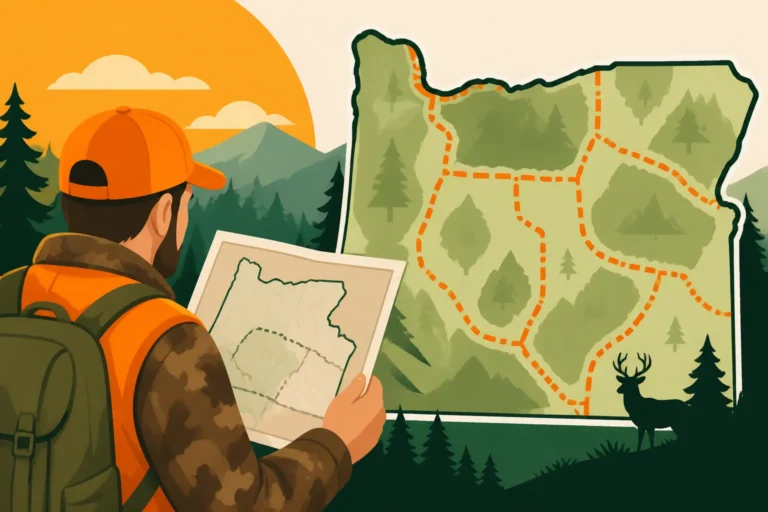
The Malheur Refuge actively designates specific areas for hunting, and these areas often have seasonal restrictions. For instance, some of the prime wetland units might be open for waterfowl hunting during specific times but closed completely to all other activities, or to big game hunting, to minimize disturbance to nesting or migrating birds. Other areas, typically the upland sagebrush country, might be open for deer or pronghorn during their respective state seasons, but even those can have special limitations. You’ll find that certain areas, especially around key nesting grounds or sensitive habitats, are often permanently closed to hunting or even public entry. It's not uncommon for hunters to drive for hours only to find their planned spot is off-limits. This is where having a good mapping tool like onX Hunt becomes invaluable. You can overlay the refuge boundaries and designated hunting zones directly onto your map, ensuring you know exactly where you stand, literally, at all times. Always double-check the refuge's official map, as boundaries and regulations can occasionally change. Being aware of these dynamic boundaries is crucial for a legal and ethical hunt.
Permit Requirements and Check-In/Check-Out Procedures
Unlike many general public lands, hunting on Malheur Refuge often involves additional permits or check-in/check-out procedures, especially for waterfowl. These systems are in place to help the refuge manage hunter numbers, collect harvest data, and ensure compliance with their specific rules. For example, some waterfowl hunting blinds or units might require a daily permit obtained through a lottery or a first-come, first-served system at a designated check station. You might need to physically check in upon arrival and check out at the end of your hunt, reporting your harvest even if it's zero. This data is vital for wildlife managers. For big game, while often not requiring a daily check-in, you still need to possess your valid ODFW tag and be aware of any refuge-specific rules regarding carcass transport or tagging. Always read the refuge's current hunting brochure carefully to understand if a special refuge permit is required for your target species and chosen area. Missing this step could lead to fines or, worse, losing your hunting privileges.
Vehicle Access and Retrieval Rules
The vastness of Malheur Refuge means that vehicle access is a huge consideration, especially if you’re successful in harvesting big game. Many roads throughout the refuge are gravel or dirt and can become impassable with rain or snow. More importantly, off-road vehicle travel is generally prohibited, as it can damage sensitive habitats and disturb wildlife. This means if you down an elk or a deer, you'll likely be packing it out a considerable distance. Understanding the refuge's specific rules on game retrieval is paramount. While some areas might allow for limited vehicle access for retrieval after an animal is harvested, this is usually highly restricted and requires specific permission from refuge staff. Never assume you can just drive right up to your downed animal. Plan for a substantial pack-out, bring a sturdy pack frame, and consider the limitations of your vehicle on potentially poor roads. Being prepared with a reliable GPS or mapping app, like onX Hunt, can help you identify legal parking areas and potential pack-out routes, minimizing surprises when you're loaded down with meat. Packing Out an Elk in Oregon's Wilderness Units can give you an idea of the physical demands, even if Malheur isn't technically wilderness.
| Game Category | General Access Rules (Summary) | Key Permit/Regulation Considerations | Typical Open Areas |
|---|---|---|---|
| Waterfowl | Often requires specific unit access/blinds. Vehicle restrictions common. | Daily check-in/out, refuge-specific permits, non-toxic shot required. | Designated wetland units, specific ponds. |
| Big Game (Deer/Pronghorn) | Access via open roads. Off-road travel generally prohibited. | State tags required. Awareness of refuge-specific weapon/method restrictions. | Upland sagebrush habitats, designated zones. |
| Upland Birds | Similar to big game access, often walk-in. | State upland bird validation. Check for non-toxic shot requirements in certain zones. | Sagebrush uplands, transition areas. |
Strategies for a Successful Hunt on Malheur Refuge
Hunting on the Malheur Refuge requires not just an understanding of the rules, but also smart strategies to overcome the challenges of such a unique and expansive landscape. It’s not a place for a casual drive-by hunt; it demands preparation, patience, and a deep respect for the environment.
Scouting and E-Scouting the Vast Landscape
The sheer scale of Malheur Refuge can be overwhelming. You can’t just show up on opening day and expect to find game quickly without prior knowledge. This is where diligent scouting, both in person and digitally, pays off tremendously. E-scouting from home is a fantastic first step. Utilize satellite imagery on platforms like onX Hunt or even Google Earth to identify potential water sources, key habitat changes, and access roads. Look for areas where different habitat types meet, like the edge of sagebrush uplands bordering wetlands, which can be natural travel corridors. Pin potential spots, and use the layers to verify land ownership and refuge boundaries. E-Scouting Oregon Units With Satellite Imagery provides excellent general advice that applies perfectly here.
Once you’ve got some prospective spots, if possible, conduct in-person scouting well before the season. The refuge changes dramatically with the seasons and weather. A road that was fine in July might be a muddy mess in October. Pay attention to water levels in the wetlands, fresh sign for big game, and areas with good cover. Many of the refuge roads are remote, so always let someone know your plans and expected return time. Because it's such a unique environment, paying attention to specific features like "alkali flats" or "playas" on a detailed map can help you find areas game might be using or avoiding.
Waterfowl Hunting Considerations
Waterfowl hunting is a cornerstone of Malheur Refuge’s hunting opportunities, given its critical role in the Pacific Flyway. Success here often hinges on understanding bird behavior and being prepared for the conditions. First, be aware that many waterfowl hunting areas are managed with designated blinds or specific hunting zones. You'll need to know if a reservation or daily lottery is required. Setting up for waterfowl can involve a lot of gear – decoys, waders, calls, and robust rain gear. The weather in southeastern Oregon can be incredibly variable, from freezing mornings to surprisingly warm afternoons, often with significant wind.
Always use non-toxic shot, as it’s typically required for waterfowl hunting on federal refuges, regardless of state regulations. Beyond just hunting, consider the timing of migrations. Early season might see local birds, while later in the fall, you'll encounter a broader mix of migratory species. Observing flight patterns, identifying species, and being proficient with various calls will all increase your chances. Tools like GoHunt can sometimes offer insights into historical waterfowl trends or weather patterns that influence migration, giving you a slight edge in planning. Remember, patience is key, and be prepared for crowded conditions in popular areas, especially on weekends. Consider Oregon Waterfowl Stamp Requirements before you head out.
Big Game Opportunities
While Malheur is most famous for its birds, it does offer opportunities for big game, primarily mule deer and pronghorn. These hunts are generally controlled by ODFW tags for specific units that overlap with the refuge. For mule deer, you'll be focusing on the higher sagebrush country and rimrock areas, often near the refuge boundaries or in the more rugged sections. These deer can be notoriously sparse and wary, requiring extensive glassing and careful stalking. Glassing Sage and Juniper for Eastern Oregon Mule Deer is a great resource for techniques that translate well to this environment. The vast, open nature of the high desert means long-range shooting opportunities are common, so be confident in your rifle and optics setup.
Pronghorn hunting on Malheur is a unique experience. Their incredible eyesight and speed mean you’ll be doing a lot of spotting and stalking in open country. You need to be acutely aware of terrain features that offer cover, no matter how subtle, to get within range. The refuge’s flat, open terrain presents a real challenge, and you'll often have to make multiple approaches. Understanding Pronghorn Speed, Eyesight and Behaviour is absolutely critical. Be prepared for dry, dusty conditions and potentially high temperatures, even in early fall. Like all hunts on Malheur, consult the refuge-specific regulations for your chosen big game species, as specific closures or restrictions might apply to certain areas, even if a state tag is valid. A good GPS like the one in onX Hunt will be indispensable for marking routes, water sources, and potential ambush points for both deer and antelope.
Disclaimer
This article is for general informational purposes only and does not constitute professional advice. Laws, prices and regulations vary by location and change over time. Consult a qualified professional for guidance on your specific situation.