Snake River Unit Access by Boat
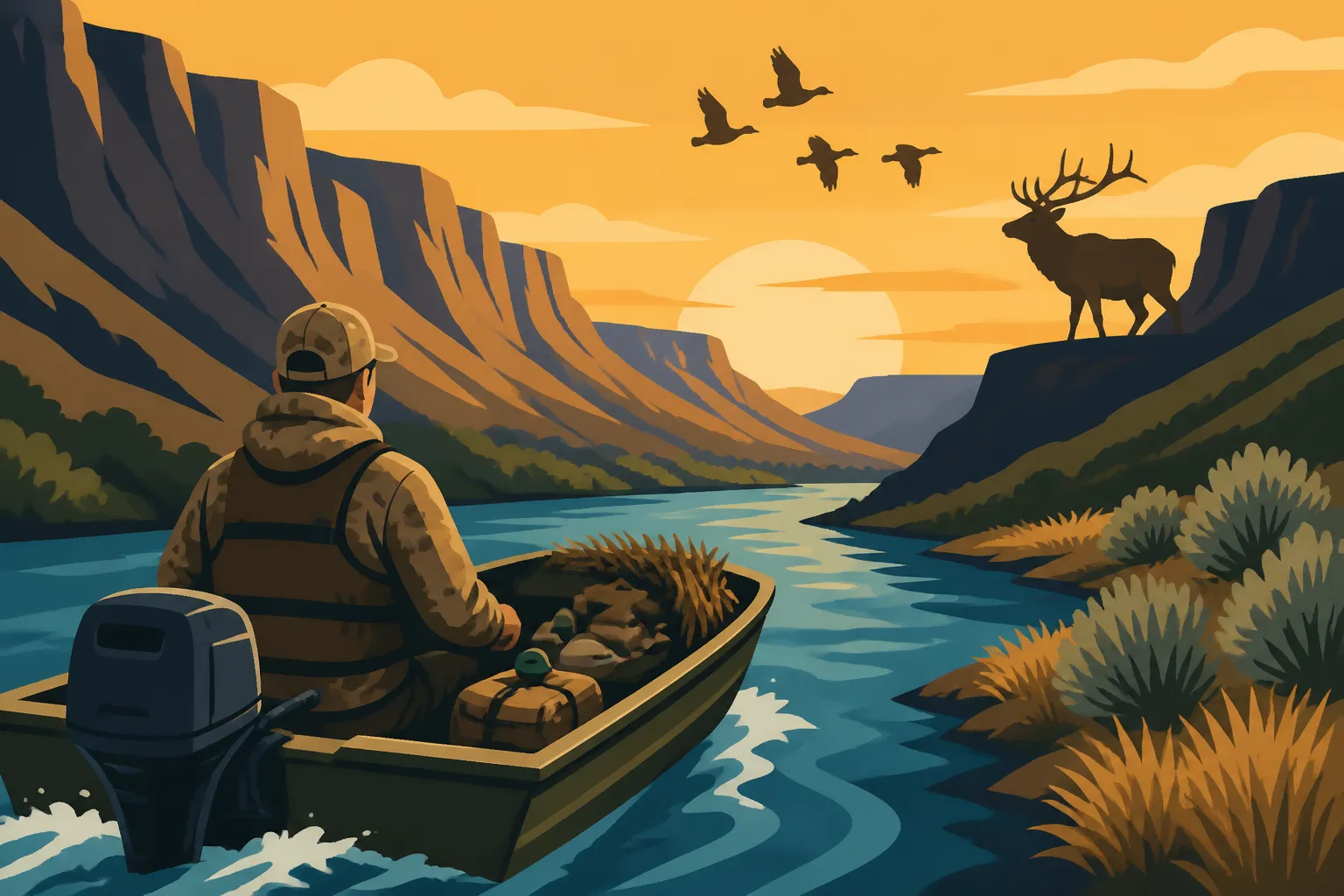
The Snake River Unit in Oregon presents a truly formidable challenge for hunters seeking big game. Unlike many units with a network of forest roads or easy trailheads, much of this rugged, spectacular canyon country is practically inaccessible by conventional means, leading many to believe it's simply too tough to tackle. But don't despair; for those willing to embrace a unique approach, the mighty Snake River itself offers the ultimate highway into some of Oregon's most remote and rewarding hunting grounds. This comprehensive guide will walk you through leveraging boat access to unlock the hunting potential of the Snake River Unit.
Understanding the Snake River Unit's Unique Access Challenges
The Snake River Unit isn't just a hunting area; it's an experience defined by its incredible isolation and raw beauty. This vast landscape, carved by the Snake River, forms a significant portion of what many know as Hells Canyon. It's a place where sheer cliffs meet deep canyons, and roads become mere whispers on a map, if they exist at all. For hunters, this translates into a unique set of challenges that demand unconventional solutions.
The Lay of the Land
Imagine towering basalt cliffs plunging thousands of feet to the river, intersected by steep, brushy draws that climb relentlessly into rugged plateaus. This is the Snake River Unit. It's an unforgiving landscape that has remained largely untamed, offering a stark contrast to the more accessible timberlands and open sage of other Oregon units. The terrain dictates everything here, from how you move to where animals find refuge. Traditional scouting methods, like driving forest roads and hiking short loops, simply don't apply to the majority of this unit. You might pore over maps and satellite imagery, identifying promising benches and canyon rims, but the reality of getting there on foot from a road is often a non-starter. This is where the river's role becomes clear – it's the main artery, the only practical way to penetrate deep into these wild places. Many hunters seeking to understand this unique geography will start with Hells Canyon Access for Oregon Hunters.
Why Traditional Access Falls Short
The fundamental problem with the Snake River Unit for many hunters is the severe lack of developed infrastructure. There are very few roads that even reach the rim of Hells Canyon, let alone descend into its depths. Where roads do exist, they often dead-end miles from prime hunting habitat, leaving vast stretches of wilderness untouched. For instance, if you're trying to hunt deep inside the unit, you'll quickly realize that a four-wheel-drive truck, while helpful for getting to the put-in point, won't get you to your intended hunting grounds. This lack of road access isn't accidental; it's a defining characteristic of true wilderness areas and a major reason why the hunting pressure in many interior sections is significantly lower than in more accessible units. The sheer physical barrier of the canyon walls and the river itself ensures that only those committed to a substantial effort can experience its hunting opportunities.
The Allure of the Snake River
Despite, or perhaps because of, these daunting access challenges, the Snake River Unit holds a powerful allure for many hunters. This is truly big game country, home to healthy populations of Rocky Mountain elk and mule deer. The limited pressure often translates to older, larger animals and a more genuine wilderness hunting experience. When you're several miles upriver from the nearest road, surrounded by nothing but the sound of the wind and the river, you're experiencing a hunt that few others ever will. It's a chance to fully immerse yourself in a wild environment, test your skills against truly wild game, and forge memories that last a lifetime. For those who dream of a hunt where effort truly equals reward, the Snake River Unit accessed by boat offers an unparalleled opportunity to pursue trophy animals in a breathtaking, untamed landscape. It’s a completely different experience than, say, Wallowa-Whitman National Forest Hunting in areas with more roads.
Preparing for a Boat-Based Hunt on the Snake River
Embarking on a boat-based hunt in the Snake River Unit is a serious undertaking that requires meticulous planning and the right equipment. This isn't just about throwing your rifle and pack into a boat; it's about preparing for a multi-day expedition into remote, challenging terrain where self-sufficiency is paramount.
Choosing the Right Watercraft
The type of boat you choose will heavily influence your hunt, dictating how far you can travel, how much gear you can carry, and the kind of river conditions you can safely navigate.
- Jet Boats: These are often the workhorses of Snake River hunting. Their shallow draft allows them to navigate swift, rocky sections of the river that prop-driven boats cannot. They can cover long distances quickly, which is invaluable for accessing remote areas. However, they require significant skill to operate in technical water, are expensive to run, and can be noisy, potentially alerting game. Their capacity for gear and personnel is generally high, making them ideal for larger groups and longer trips.
- Drift Boats: While primarily used for fishing, drift boats can be adapted for hunting in certain sections of the Snake, particularly if you're floating downriver and have a jet boat picking you up. They offer a quiet, stealthy approach and excellent stability for glassing. The major drawback is their limited upstream capability (you're often reliant on oars) and typically smaller carrying capacity. They are best suited for specific float-and-hunt scenarios.
- Rafts: Large rafts, often outfitted with frames for rowing, offer excellent stability and cargo capacity. They are generally slower than jet boats but can navigate very challenging rapids. Rafts are great for a quiet approach and offer a very robust platform for extended trips. Like drift boats, they excel at downstream travel but are laborious to move upstream. They require a different skill set for navigation, often involving strong rowing and understanding river currents.
| Boat Type | Pros | Cons | Ideal Use |
|---|---|---|---|
| Jet Boat | Speed, shallow draft, large capacity, upstream travel | Noise, high fuel cost, technical operation, expensive purchase | Covering long distances, larger groups, accessing deepest areas quickly |
| Drift Boat | Quiet, stealthy, stable, good for fishing combo | Limited upstream, smaller capacity, slower, requires shuttle/pickup | Downstream floats, specific short-range access, combined with fishing |
| Raft | Quiet, high capacity, very stable, good for big rapids | Slow, laborious upstream, requires rowing skill, often needs shuttle/pickup (unless motorized) | Extended wilderness trips, large gear loads, quiet approach |
Regardless of your choice, safety is paramount. The Snake River is powerful and unforgiving. Ensure your boat is in top condition, you have all necessary safety equipment (PFDs, throw bags, repair kits, communication devices), and you are proficient in operating your chosen craft in challenging river conditions. Consider taking a whitewater boating course before attempting this kind of trip.
Essential Gear for River Access and Camp
Beyond your standard hunting loadout, a boat-based hunt demands specialized gear to ensure safety, comfort, and success. Think of your boat as a floating base camp that needs to carry everything for survival and the hunt itself.
- River-Specific Safety Gear: Personal flotation devices (PFDs) are non-negotiable and must be worn or readily accessible. Bring spare oars/paddles, a pump, repair kits for inflatable boats, throw bags, and robust anchor systems. A satellite communication device (like a Garmin inReach or Zoleo) is absolutely essential for emergencies, as cell service will be nonexistent. Don't forget a comprehensive First Aid Kit Items for a Remote Hunt.
- Camp Setup: You’ll be setting up a temporary camp along the river, often on gravel bars or small benches. Bring durable, waterproof tents or a wall tent with a stove if permitted for colder weather. Cooking gear, a reliable water filtration system, and enough non-perishable food for the duration of your trip, plus a few extra days for contingencies, are vital. Remember to practice Leave No Trace principles rigorously.
- Meat Care and Storage: This is critical. You're far from refrigeration, and temperatures in the canyon can fluctuate wildly. Plan for extreme conditions. Bring plenty of game bags, coolers, and an ample supply of ice or dry ice to keep meat cool on the return trip. Having a dedicated game processing area in camp with tarps, a bone saw, and sharp knives is highly recommended. The gutless method is almost a necessity for efficiency in this environment, as discussed in Gutless Method on a Bull Elk.
- Navigation and Scouting Tools: While on the water, you'll be constantly observing the landscape. A good pair of binoculars is essential for Glassing Rimrock at First Light from the boat. For detailed mapping and understanding land ownership boundaries,
onX Huntis incredibly valuable. Download offline maps before you go, as you won't have service. This app will help you identify public land corridors, property lines, and potential travel routes up from the river, especially important when E-Scouting Oregon Units With Satellite Imagery is limited by terrain.
Navigating Regulations and Permits
The Snake River, especially within Hells Canyon, is often subject to specific regulations beyond general hunting rules. You'll need to be diligent in understanding all requirements to avoid issues.
- River Permits: Depending on the section of the Snake River and the time of year, you may need a permit for private boat use. For example, the Wild and Scenic section of the Snake River within Hells Canyon often requires permits during peak seasons, managed by the Forest Service. These permits can be highly competitive and operate on a lottery system, so plan well in advance. Research specific put-in and take-out locations and any associated fees or restrictions.
- ODFW Hunting Regulations: Beyond river-specific permits, ensure you have all required hunting licenses and tags for the Snake River Unit. Understand the specific season dates, weapon restrictions, and bag limits for the species you intend to hunt. Pay close attention to any unique rules for this unit, as some remote areas might have special provisions.
- Leave No Trace: Adherence to Leave No Trace principles is crucial in a wilderness area. Pack out everything you pack in, including human waste in some areas (using a WAG bag system or similar). Minimize impact on vegetation and camp responsibly. Understand Multi-Day Camps in Oregon's Roadless Country ethics. Always check Checking Oregon Fire Closures Before the Season before your trip, as fire restrictions can change rapidly and impact your ability to have a campfire.
Strategies for Hunting from a River Base Camp
Hunting from a boat-accessible base camp on the Snake River requires a different tactical mindset than road-based hunting. Your "truck" is now your boat, and your daily commute involves navigating current and then scaling steep terrain. Success hinges on efficient scouting, a well-placed camp, and a willingness to put in serious physical effort away from the water.
Scouting from the Water
The river itself acts as an unparalleled vantage point for initial scouting. As you motor or float upriver, keep a keen eye on the canyon walls, benches, and draws. You're looking for signs of game—elk or deer feeding on slopes, distinct game trails leading down to water, areas of fresh browse, or even direct sightings.
- Glassing: Use high-quality binoculars or a spotting scope mounted on a tripod in your boat. Look for the tell-tale shapes or movements of animals, especially during the low light hours of dawn and dusk. Pay attention to the transitions between different vegetation types – where the brush meets the timber, or where pockets of green feed stand out against drier slopes. This is similar to Glassing Sage and Juniper for Eastern Oregon Mule Deer, but with the added complexity of river movement.
- Identifying Access Points: From the river, you can spot potential landing sites that offer reasonable access up into the canyon. These might be small gravel bars, rocky points, or benches with a less severe incline. Mark these spots on your
onX Huntapp for later investigation. Remember, what looks "less severe" from the river might still be incredibly steep and brushy once you're on shore. - Reading the Landscape: Look for natural funnels, saddles, and drainages that animals might use to travel between feeding and bedding areas. Note water sources, as these are critical, especially in the drier periods. A general understanding of the land using tools like
GoHuntfor regional insights can supplement your real-time observations from the boat.
Setting Up a Shoreline Camp
Your base camp's location is paramount. It needs to be safe, functional, and ideally, provide reasonable access to hunting grounds without being directly in a prime game travel corridor.
- Safety First: Choose a site above the high-water mark, especially if there's any chance of rain in the forecast, which can cause flash flooding in tributaries or rise the main river level. Look for stable ground, away from potential rockfall areas. Consider prevailing winds for cooking and scent control.
- Functionality: Your camp should be large enough to comfortably accommodate your group, tents, cooking area, and a dedicated meat processing zone. Having a flat, sheltered area for a campfire (if permitted and safe) can greatly enhance comfort. A location with easy boat access for loading and unloading is also key. Think about the logistics of bringing fresh water to camp, or having your filtration system close to the river.
- Minimizing Impact: When choosing a campsite, prioritize previously used sites to concentrate impact. Avoid sensitive vegetation and always pack out all trash, including food scraps. When setting up camp, keep your hunting gear separate from your "living" gear to maintain organization and prevent cross-contamination, especially when field dressing.
Hunting Away from the River
Once camp is established, the real work begins. Hunting away from the river means ascending steep, often brushy slopes, sometimes for thousands of feet. This requires significant physical stamina and smart hunting tactics. Physical Training for an Oregon Elk Hunt is not just a suggestion here, it's a prerequisite.
- Vertical Movement: Animals in the Snake River Unit often gravitate to benches and draws hundreds or thousands of feet above the river, especially during daylight hours. They use the cover and elevation to feel secure. Your strategy will involve climbing early, often in the dark, to reach these higher elevations before dawn.
- Spot-and-Stalk: Once at elevation, employ classic spot-and-stalk tactics. Find a vantage point, settle in, and glass extensively. The broken terrain offers many hiding spots for game. Be patient. Once you spot an animal, plan your approach carefully, using terrain features and wind direction to your advantage. This could involve miles of navigating treacherous terrain.
- Water Sources: Even high up, animals need water. Focus on seeps, springs, and smaller tributaries that feed into the main river. These areas often concentrate game and can be excellent ambush points or places to find fresh sign.
- Return to Camp: Always be mindful of the descent back to camp, especially with a load of meat. The terrain is just as difficult going down as it is going up, and often more dangerous. Plan your routes carefully, mark them on your GPS, and allow ample time to return before dark.
Game Retrieval and Logistics: Bringing Your Harvest Back
Successfully taking an animal in the Snake River Unit is only half the battle. The most challenging part often lies in getting your hard-earned meat back to the boat and then home. This stage demands careful planning, efficient execution, and a solid understanding of meat care in remote, often warm, conditions.
Field Dressing and Cooling in Remote Locations
You're likely to be miles from your boat, often high up on a steep hillside, when you make a kill. Time is of the essence, especially if hunting in warmer early-season conditions.
- The Gutless Method: This technique is invaluable for big game retrieval in remote, rugged country. Instead of completely eviscerating the animal, you skin and quarter it where it lies, removing the meat in manageable sections. This saves considerable time and effort compared to dragging a whole carcass, and leaves the heavy internal organs behind. It's a skill worth practicing beforehand. For a deeper dive, check out Gutless Method on a Bull Elk.
- Cleanliness and Speed: Work quickly and cleanly to minimize contamination and accelerate cooling. Get the hide off as fast as possible to allow the meat to cool down. Use clean game bags to protect the meat from dirt, flies, and debris. Elevate the meat off the ground if possible, or hang it in a shady, airy spot if you have a temporary camp or can lash it to a tree.
- Cooling Strategy: Even in cooler weather, getting the core temperature of a large animal down quickly is paramount. In warmer conditions, this becomes even more critical. Think about where the kill occurred in relation to shade and air movement. If the weather is warm, you might need to make multiple, lighter trips to the river to get the meat to your cooled storage in the boat faster. This directly impacts Getting Meat Out Before It Spoils.
Packing Meat to the Boat
This is arguably the most physically demanding aspect of a Snake River hunt. You'll be traversing steep, uneven, and often brushy terrain with heavy, awkward loads.
- Pack Frames: A sturdy external frame pack is essential. Internal frame packs might be comfortable for hiking, but they simply aren't designed to handle the heavy, unbalanced loads of a quartered elk or deer. Practice carrying heavy weight in your pack before the hunt. Understand Pack Frame Load Weight for One Hunter and don't try to be a hero; multiple trips are safer and smarter than attempting one impossible load.
- Route Planning: Before you even start packing, carefully plan your route from the kill site back to the boat. Look for the path of least resistance, even if it's not a straight line. Use your GPS or
onX Huntto mark your exact location and the boat's location. Avoid unnecessarily steep descents or thick brush if an easier, slightly longer path exists. - Teamwork: If hunting with a partner, rotate loads and assist each other. Even with two people, getting an elk out of a deep canyon and down to the river can take a full day or more. Communication is key to safety and efficiency. Consider a system of flagging or marking your path if visibility is poor or the terrain is confusing.
The Boat Ride Home
Once the meat is loaded onto the boat, the final leg of the journey begins. The river conditions can be just as challenging on the way out as they were coming in, especially with a heavy, unbalanced load.
- Secure the Load: Ensure all meat coolers, gear, and camp equipment are securely lashed down. A sudden wave or rapid could easily shift an unsecured load, creating a dangerous situation. Distribute weight evenly to maintain boat stability, which is especially important for jet boats navigating swift water.
- River Conditions: The river's character can change daily due to weather, dam releases, or natural runoff. Be prepared for different water levels and currents than what you experienced on the way in. Pay attention to water color, as muddy water can obscure submerged hazards.
- Temperature Management: Keep a close eye on your meat during the return trip. Ensure coolers are well-sealed and ice is replenished if needed. The sun can beat down fiercely in the canyon, quickly raising temperatures inside your boat. Position coolers in the shadiest part of the boat, or cover them with tarps for extra insulation. The goal is to keep that hard-earned meat as cold as possible until you can get it to a processor or your home freezer. Consider having extra ice readily available at your take-out point, or plan to drive straight to a processor once off the river.
| Task | Key Considerations | Recommended Practices |
|---|---|---|
| Field Dressing | Remote location, potential for warm temps, steep terrain, contamination risk | Utilize Gutless Method, work quickly and cleanly, use game bags, cool meat rapidly, elevate off ground |
| Packing to Boat | Extreme physical demands, heavy, awkward loads, difficult terrain, long distances | Use external frame pack, plan routes carefully, make multiple trips, utilize teamwork, prioritize safety |
| Boat Ride Home | River hazards (rapids, rocks), shifting load, sun exposure, maintaining meat temperature, long duration | Secure all gear and meat, distribute weight evenly, be aware of river changes, keep meat cool and shaded, replenish ice |
Disclaimer
This article is for general informational purposes only and does not constitute professional advice. Laws, prices and regulations vary by location and change over time. Consult a qualified professional for guidance on your specific situation.