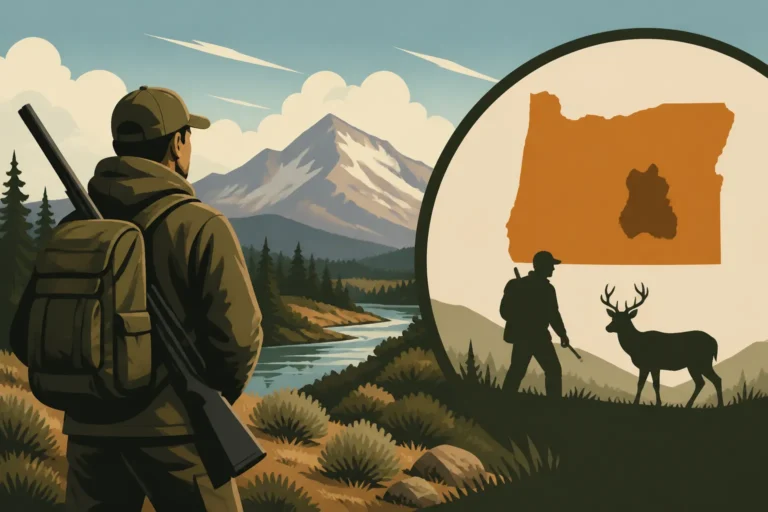
Minam Unit Wilderness Hunting
The thought of hunting in Oregon's vast wilderness can be incredibly appealing, drawing visions of untouched landscapes and elusive game. Yet, the reality of pursuing an animal in a unit like the Minam, deep within the Eagle Cap Wilderness, comes with its own set of daunting challenges. From the sheer physical demands to the intricate logistics of simply getting there, it's a monumental undertaking that many dream of but few truly understand. This guide will walk you through what it really means to hunt in the Minam Unit wilderness, helping you prepare for an adventure unlike any other.
Understanding the Minam Unit's Wilderness Character
Hunting the Minam Unit isn't just "hunting a unit;" it's an immersive dive into one of Oregon's most rugged and spectacular wilderness areas. The challenges and rewards are intrinsically tied to its wild, untamed nature.
The Eagle Cap Wilderness Context
The Minam Unit is practically synonymous with the Eagle Cap Wilderness, one of the largest and most pristine wilderness areas in Oregon. This isn't your average drive-up-and-hunt public land. We're talking about an area characterized by soaring granite peaks, deep river canyons carved by the Minam River itself, vast subalpine meadows, and dense timber stands that have seen very little human alteration. Forget about roads, ATVs, or even mountain bikes—none of that is allowed here. The experience is one of raw, unadulterated backcountry.
What this means for a hunter is immense solitude, if you put in the effort to get away from the immediate trailheads. It means encountering animals that haven't been constantly pressured by vehicles or human scent from every direction. But it also means every mile is earned on foot or horseback, every decision about gear weight is critical, and every mistake can have amplified consequences. The sheer scale of the landscape can be overwhelming; you might glass a basin that stretches for miles, feeling tiny in its expanse. It's a place that demands respect, preparation, and a healthy dose of humility.
Designated Wilderness Rules and Their Impact on Hunters
Hunting within a federally designated wilderness area like the Eagle Cap, which encompasses much of the Minam Unit, comes with a strict set of rules designed to preserve its wild character. These regulations profoundly shape how you plan and execute your hunt, often requiring a significant shift in strategy compared to hunting more accessible areas. One of the most fundamental rules is the prohibition of motorized vehicles and mechanized equipment. This isn't just about ATVs; it extends to e-bikes, chainsaws, and even game carts with wheels. If it has a motor or wheels, it's generally not allowed beyond the wilderness boundary.
This means that any gear, any camp supplies, and critically, any game meat you harvest, must be carried in and out under your own power, or with the aid of approved pack stock like horses or llamas. This single rule dictates everything from the type of tent you bring to the food you pack, emphasizing lightweight, durable, and essential items. Additionally, there are often regulations regarding Group Size Limits in Wilderness Areas and requirements for Certified Weed-Free Feed Requirements if you're bringing pack stock, to prevent the introduction of invasive species. Understanding these limitations isn't just about compliance; it's about embracing the true wilderness experience and planning meticulously within its confines.
Planning Your Minam Wilderness Hunt Expedition
The success of a Minam wilderness hunt hinges almost entirely on the quality and thoroughness of your preparation. This isn't a trip you can just decide to do a week before opening day.
Essential Preparations Beyond the Basics
Hunting the Minam Unit requires a level of physical conditioning far beyond what most general season hunts demand. You'll be climbing thousands of feet of elevation, often with a heavy pack, over uneven and unforgiving terrain, day after day. Forget about "getting in shape" a month before; this is a year-round commitment to cardiovascular fitness, strength, and endurance. Start hitting those hills with a weighted pack, logging miles, and building your mental fortitude. The mountains here don't care about your excuses.
Beyond physical prowess, your gear choices become paramount. Every ounce counts when you're backpacking deep into the wilderness. Invest in high-quality, lightweight, and durable equipment, from your boots to your tent. Think about multi-use items and shed anything superfluous. Excellent navigation skills are non-negotiable; while GPS units are invaluable, you must also be proficient with a map and compass as a backup. Modern tools like onX Hunt are fantastic for E-Scouting Oregon Units With Satellite Imagery and knowing exactly where wilderness boundaries lie, but remember to download offline maps because cell service will be non-existent. You'll also want to consider essential survival items and a comprehensive First Aid Kit Items for a Remote Hunt, because help is hours, if not days, away.
Logistics of Access and Camp Setup
Accessing the Minam Unit often means starting at a trailhead that serves as a gateway to the vast Eagle Cap Wilderness. Popular entry points might be found along the Wallowa Lake, Imnaha River, or Grande Ronde River corridors, though research into specific trailheads for your chosen hunt area is critical. From there, it's either hoofing it in with a backpack, or utilizing pack stock. Many hunters opt for horses or llamas to haul in heavier gear and establish a more comfortable base camp, which can also be invaluable for packing out an animal. If you're considering this route, research reputable outfitters or brush up on your own Horse and Llama Packing Into Oregon Backcountry skills.
Once you're deep inside, camp setup adheres strictly to Leave No Trace principles. This means minimizing your impact by choosing durable surfaces for tents, packing out all trash (and even human waste in some areas), and keeping fires small and contained, if allowed. Be acutely aware of Hunting Camp Fire Restrictions in Dry Years, as these can change quickly and closures are common. A good camp in the Minam serves as a safe haven, a place to dry gear, fuel up, and strategize, without leaving a trace that you were ever there.
Hunting Strategies for Minam Wilderness Game
Hunting in the Minam demands a different approach than chasing game in areas with more road access or consistent human presence. The animals here are truly wild, and the landscape dictates your tactics.
Targeting Elk and Deer in Remote Terrain
The Minam Unit holds a healthy population of Rocky Mountain Elk and Mule Deer, but finding them requires patience, persistence, and an understanding of how they utilize this vast, unpressured habitat. Elk will often be found in the timbered slopes and creek bottoms in the early morning and late evening, venturing into high alpine meadows to feed at night. During the rut, the bugles of bull elk echo through the canyons, offering exciting opportunities for Calling Bull Elk During Oregon's Archery Season. However, remember that bulls can go quiet, especially When Bulls Go Quiet in Late Archery Season, requiring a shift to more still-hunting or glassing tactics. For rifle hunters, understanding Oregon Elk Hunting Tactics for the November Rifle Seasons becomes paramount, often involving tracking through fresh snow or locating them in dense timber where they seek refuge.
Mule deer, on the other hand, are often higher up, favoring rocky outcroppings, timber fringes, and south-facing slopes. Glassing large basins and cirques at first light and last light is a primary tactic for finding these elusive bucks. They blend incredibly well with the sage and juniper, making keen optics and patient observation critical. Don't expect to find game simply by driving roads; you'll need to use your feet and your binos to locate animals that are often miles from any trail. The sheer vastness means you might spend days covering ground without seeing an animal, only to stumble upon a large herd in an unexpected basin.
Game Retrieval and Meat Care in the Backcountry
This is where the rubber meets the road—or rather, where the pack meets your back. Harvesting an animal deep in the Minam wilderness is only half the battle, and arguably the easier half. The real work begins with game retrieval. If you're lucky enough to down an elk or a deer, you'll likely be miles from your camp, and many more miles from the trailhead. This is not the place for gutless wonders to be unprepared.
You'll need to be proficient in quickly and efficiently field dressing and quartering the animal, ideally using the gutless method to lighten the load and speed up the process. Every bit of meat must be protected from spoilage. Think about game bags that allow air circulation, and if the weather is warm, creating shade and airflow around the meat is crucial. Many hunters plan for multiple trips to pack out a single elk, especially if they are hunting alone. A sturdy pack frame is non-negotiable, and you'll need to know your physical limits. Be realistic about How Many Pack Trips a Bull Elk Takes and plan for the time, effort, and possibly additional help needed to get that precious meat out of the backcountry before it spoils. It's a grueling test of endurance, but the reward of wild game meat makes it all worthwhile.
Navigating the Unique Challenges of the Minam
The wild nature of the Minam presents challenges that extend beyond just finding and harvesting game. Being prepared for anything is the wilderness hunter's mantra.
Weather Extremes and Emergency Preparedness
The Minam Unit, particularly given its high-elevation wilderness character, is notorious for unpredictable and rapidly changing weather patterns. A sunny, crisp morning can quickly turn into a raging snowstorm or a cold, driving rain by afternoon, even in early fall. Hunters must be prepared for everything from warm sunshine to freezing temperatures, heavy rain, and significant snowfall, all within a single hunt. This means packing versatile layering systems, including high-quality Rain Gear That Actually Stays Dry and insulation that performs when wet.
Emergency preparedness is not an option; it's a necessity. Cell phone service is practically non-existent in the depths of the wilderness, so a satellite communication device (like a satellite messenger or phone) is a non-negotiable safety item. Beyond basic first aid, consider what you'd do in a serious medical emergency miles from any road. Knowledge of basic survival skills—fire starting, shelter building, water purification—could literally save your life. Always leave a detailed trip plan with someone reliable back home, including your intended route, expected return date, and emergency contacts. The mountains are beautiful, but they are also unforgiving.
Minimizing Impact and Practicing Wilderness Ethics
Hunting in a designated wilderness area like the Minam means adhering to the highest standards of wilderness ethics and Leave No Trace principles. The goal is to experience the wild without leaving any lasting sign of your presence. This means packing out everything you pack in, including all trash, spent casings, and any food scraps. When nature calls, practice proper human waste disposal by digging catholes at least 6-8 inches deep and 200 feet from water, trails, and campsites.
Fires should be kept small, in established rings where available, and thoroughly extinguished. In many areas, especially during dry periods, fire bans are common, so carrying a reliable cooking stove is essential. Respect wildlife by observing from a distance and not disturbing their natural behaviors. The wilderness is a fragile ecosystem, and our privilege to hunt there comes with a profound responsibility to protect its wild character for future generations. Understanding and adhering to rules like Oregon Wilderness Rules That Ban Motorized Carts isn't just about avoiding a fine; it's about respecting the very nature of the place you are privileged to hunt.
| Aspect | Minam Unit Wilderness Hunt | More Accessible General Unit Hunt |
|---|---|---|
| Access | Hike or pack stock only (miles from trailheads) | Vehicle access, ATV trails, closer to roads |
| Equipment | Lightweight, durable, multi-functional, backcountry-specific | Heavier gear, less focus on weight, more comfort-oriented |
| Physical Demands | Extreme: Steep climbs, long distances, heavy packing | Moderate to high: Often less strenuous due to road access |
| Navigation | Advanced map/compass skills, offline GPS essential | Often simpler, may rely more on roads/marked trails |
| Animal Pressure | Generally lower, animals less habituated to humans | Higher, animals more wary and conditioned to human presence |
| Game Retrieval | Multi-day, strenuous pack-outs, gutless method crucial | Often shorter distances, potential for game carts or vehicle access |
| Emergency Support | Days away, self-reliance, satellite comms essential | Hours away, often within cell service, quicker rescue response |
Disclaimer
This article is for general informational purposes only and does not constitute professional advice. Laws, prices and regulations vary by location and change over time. Consult a qualified professional for guidance on your specific situation.