Group Size Limits in Wilderness Areas
There’s nothing quite like the allure of Oregon’s wilderness, those vast, untamed stretches of forest, mountains, and high desert that call to the hunter’s soul. But planning a backcountry adventure, especially a hunting trip with friends or family, can quickly turn into a maze of regulations. One common source of confusion and frustration, particularly for groups, revolves around the often-misunderstood rules regarding party size in these pristine areas. This guide aims to clear up the mystery of group size limits in Oregon’s designated wilderness, ensuring your next foray into the wild is both successful and compliant.
Why Wilderness Areas Have Group Size Restrictions
Venturing into a wilderness area is about more than just finding game; it's about immersing yourself in an untrammeled landscape where the hand of man is barely visible. These areas are specifically managed to preserve their wild character, offering solitude and primitive recreation. The concept of group size limits directly addresses the impact human activity can have on these sensitive environments and the experience of other visitors. It’s a delicate balance between allowing access and protecting the very qualities that make these places special.
Protecting the Pristine Nature of Wilderness
Imagine heading into the Eagle Cap Wilderness or the Three Sisters Wilderness, hoping for that deep quiet, only to stumble upon a large group of a dozen or more people, perhaps with several horses, all trying to camp at the same small lake. The immediate impact is obvious: more noise, more wear and tear on fragile vegetation, and increased demand on limited natural resources like water and flat ground for tents. Larger groups inherently leave a bigger footprint. They compact soils, widen trails, and can inadvertently spread invasive species more rapidly, especially if Weed-Free Feed Requirements for stock aren't rigorously followed.
Beyond the physical degradation, larger groups fundamentally alter the wilderness experience for everyone else. The very definition of wilderness implies a sense of solitude and a chance to escape the crowds. Encountering a big party can shatter that illusion, turning a remote fishing spot or a quiet elk-hunting basin into something closer to a crowded campground. The regulations are in place to disperse human impact and ensure that the opportunity for solitude remains for all who seek it, safeguarding the unique character of these precious landscapes for generations to come.
Balancing Access with Conservation Goals
The challenge for land management agencies, like the U.S. Forest Service and Bureau of Land Management (BLM), is to welcome the public while simultaneously fulfilling their mandate to protect these lands. As Oregon's population grows and more people discover the joys of backcountry recreation, the pressure on wilderness areas increases. Without limits, popular trailheads could become overwhelmed, leading to rapid degradation of the ecosystem. The rules aren't meant to keep people out, but rather to manage how many people can be in a given area at one time without causing undue harm.
These conservation goals extend to wildlife as well. Large groups, especially those with multiple stock animals, can displace game from their preferred habitats or disrupt their natural patterns. While individual hunters strive to minimize their presence, a cumulative effect from many large groups can create a perception of constant human activity, pushing animals into less accessible or less suitable areas. The regulations are a proactive measure to mitigate these impacts, ensuring that Oregon's wilderness remains a haven for both humans and the diverse wildlife that calls it home.
Understanding Oregon's Wilderness Group Size Regulations
When planning a hunting trip or backpacking adventure into Oregon's wilderness, understanding the specific rules about group size is paramount. While some regulations are federally mandated and apply across most National Forests and BLM wilderness areas, specific local nuances can make all the difference. Knowing these limits upfront saves you from potential fines or, worse, having to split up your group or turn back from your planned destination.
The General Rule: 12 People and 12 Stock
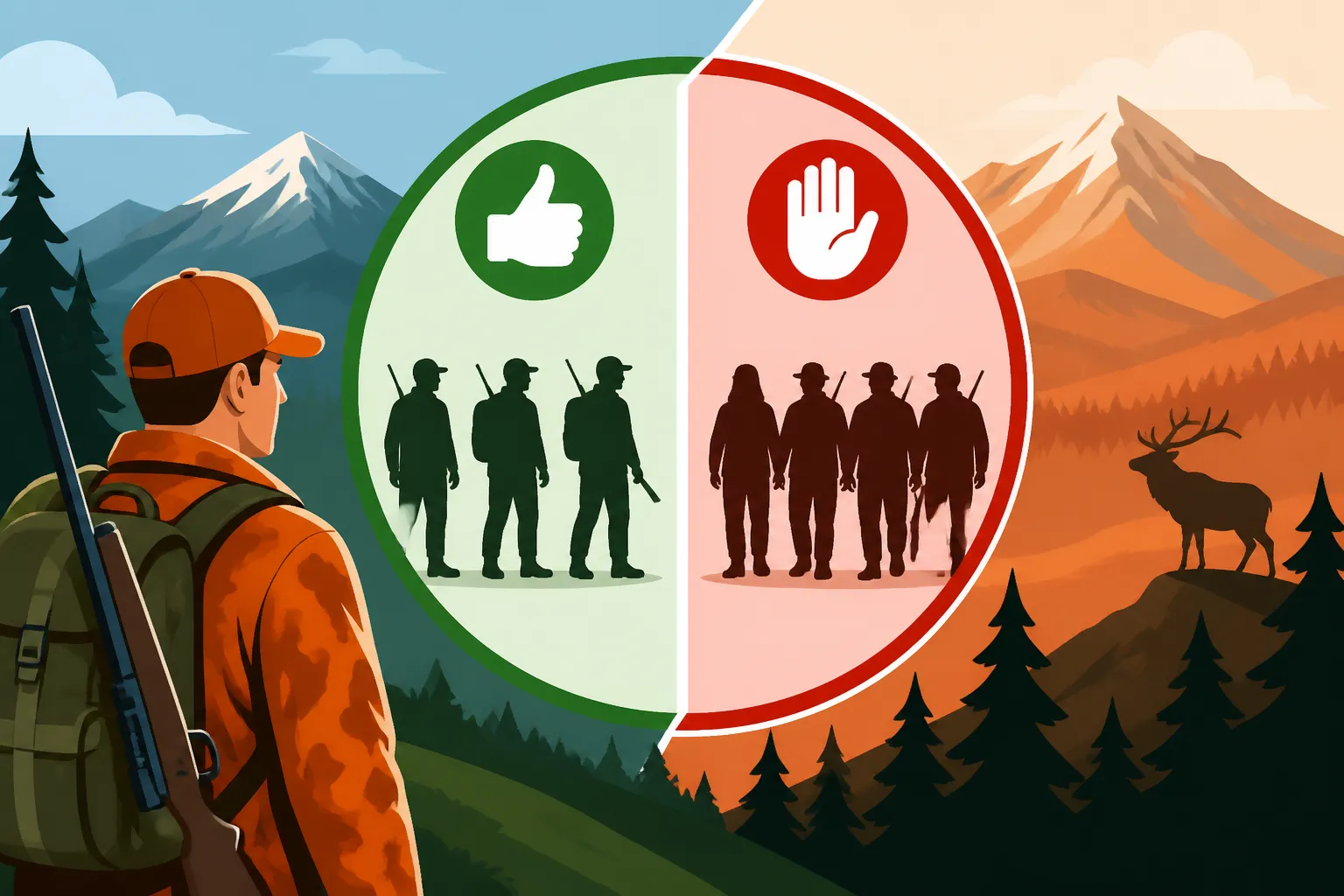
For the vast majority of federally designated wilderness areas within Oregon, including popular spots within the Wallowa-Whitman National Forest and the Deschutes National Forest, the standard group size limit is 12 people and 12 head of stock. This federal guideline is a cornerstone of wilderness management. "Stock" in this context refers to horses, mules, donkeys, and llamas—any pack animal you might bring to help with hauling gear or packing out an animal. This means if you're planning a trip where you expect to be Packing Out an Elk in Oregon's Wilderness Units with the aid of pack animals, you need to factor those animals into your total count.
So, if you and five hunting buddies are heading in, that's six people. If you bring three horses to pack in camp and hopefully pack out meat, you're at six people and three stock, well within the 12/12 limit. However, if your party swells to ten hunters, and each brings a llama for personal gear, you're now at ten people and ten stock, still compliant. The critical point is that both numbers are limits. You can't have two people and 20 head of stock, nor can you have 15 people and two stock. It’s a combined management strategy designed to mitigate impact from both human presence and animal presence. This general rule provides a broad framework, but it's always wise to remember that local conditions or specific wilderness management plans might introduce further restrictions.
Variations and Specific Area Limitations
While the 12-person and 12-stock rule is a widely applied baseline, it's crucial to understand that some wilderness areas, or even specific, heavily used zones within them, might have stricter regulations. These variations are often implemented by individual National Forest ranger districts or BLM field offices based on local ecological sensitivity, trail congestion, or particular management objectives. For example, some highly popular trailheads leading into the Three Sisters Wilderness or around specific lakes in the Mount Jefferson Wilderness might have lower group size limits to protect fragile alpine ecosystems and ensure a greater sense of solitude.
These more restrictive rules aren't arbitrary; they're usually a response to observed impacts. You might find a wilderness area that reduces the group size to 8 people, or perhaps even 6, and a corresponding reduction in stock numbers. This is where your planning tools become essential. Relying solely on general federal guidelines without checking the specific regulations for your intended hunt area can lead to complications. Resources like the official U.S. Forest Service websites, local ranger district offices (a call can save a lot of headaches), and detailed hunting apps like GoHunt are invaluable. These resources can often highlight specific rules that apply to different zones, helping you avoid accidental non-compliance. It's not uncommon for rules to be posted at trailheads, but by then, it might be too late to adjust your plans if you arrive with a large party.
Practical Implications for Hunters and Backpackers
Navigating group size limits in Oregon's wilderness areas isn't just about avoiding a citation; it's about responsible outdoor ethics and ensuring a successful, enjoyable trip. For hunters especially, who often venture into remote areas with specific objectives like harvesting game, these regulations demand careful consideration during the planning phase.
Planning Your Hunt to Stay Within Limits
When you're organizing a hunting trip into the wilderness, especially for big game like elk or deer, every detail matters. Group size limits add another layer to that planning. If your traditional hunting party exceeds the 12-person or 12-stock limit, you'll need to get creative. This might mean splitting into two smaller, self-sufficient groups that operate independently, perhaps even camping at different locations. While you might still hunt the same general area, your base camps and travel routes should respect the spirit of the regulation, minimizing concentrated impact. Consider staggering your start times at the trailhead and planning separate routes to avoid forming one large, continuous party in the backcountry.
For those using pack animals, the "12 stock" limit becomes just as important as the person count. If you typically rely on Horse and Llama Packing Into Oregon Backcountry with a large string, you may need to reduce your number of animals or plan multiple trips, shuttling gear in stages. This can significantly impact your logistical timeline and how much gear you can comfortably bring. Always refer to a good mapping tool, like the GoHunt app, to identify wilderness boundaries and potential camping zones well in advance. Planning smaller, more agile groups can also enhance the hunting experience by reducing noise and increasing your stealth in dense timber or open sage.
Minimizing Your Impact, Regardless of Group Size
Even if your group is well within the legal limits, adhering to "Leave No Trace" principles is paramount. These principles go beyond mere compliance and speak to a deeper respect for the land. Always camp at least 200 feet from water sources and trails to protect riparian areas and maintain solitude for others. When setting up Backpack Camps in Oregon Wilderness, choose durable surfaces, concentrate use on existing sites, or disperse tents to avoid creating new impacts. Fires, while a traditional part of camp life, should be kept small and built in established fire rings, or better yet, opt for a small stove to cook meals, especially during dry seasons when fire restrictions are common.
Proper waste disposal is another critical component. Pack out everything you pack in, including food scraps and toilet paper. For human waste, dig a cat hole 6-8 inches deep and at least 200 feet from water, camp, and trails. If you're using stock, ensure you're aware of and comply with Weed-Free Feed Requirements to prevent the spread of invasive plant species. Understanding Oregon Wilderness Rules That Ban Motorized Carts and similar regulations reinforces the idea that these areas are meant for primitive, non-mechanized recreation. By conscientiously minimizing your impact, you contribute to the long-term health of Oregon's wilderness areas and ensure that future generations can enjoy the same wild beauty you do.
How to Find Specific Rules for Your Hunt Area
The general guidelines for wilderness group size are a great starting point, but as we’ve discussed, specific areas can have unique rules. The last thing you want is to embark on a multi-day hunt only to discover you're unknowingly in violation of a regulation. Doing your homework upfront is non-negotiable for a smooth and responsible trip.
Official Resources: Forest Service and BLM Websites
Your primary source for the most accurate and up-to-date information regarding group size limits and other wilderness regulations will always be the official websites of the managing agencies. For most of Oregon's wilderness areas, this means either the U.S. Forest Service or the Bureau of Land Management (BLM).
- U.S. Forest Service: If your hunt is in a wilderness area managed by the Forest Service (like many in the Cascades or Wallowas), navigate to the specific National Forest's website (e.g., Willamette National Forest, Wallowa-Whitman National Forest). From there, look for sections dedicated to "Wilderness" or "Recreation" and then specifically for your chosen wilderness area. These pages often contain detailed management plans, rules, and alerts. Many Forest Service sites will also provide contact information for the local ranger district offices, and a quick phone call to a recreation or wilderness manager can often clarify any ambiguities you find online. They are typically happy to help hunters understand the regulations.
- Bureau of Land Management (BLM): For wilderness areas primarily managed by the BLM, such as those in the high desert of Eastern Oregon, head to the Oregon/Washington BLM website. Similar to the Forest Service, you'll want to drill down to the specific field office that oversees your intended area. They will have maps and regulations pertaining to their wilderness units.
Always check for any seasonal restrictions or emergency closures before you go, as these can override standard rules. For example, fire restrictions are common during late summer and early fall and can impact whether you can have a campfire at all, regardless of group size.
Utilizing Mapping and Planning Tools
While official websites are authoritative, modern technology offers powerful tools to complement your research and streamline your planning. Digital mapping platforms, especially those tailored for hunters, have become indispensable.
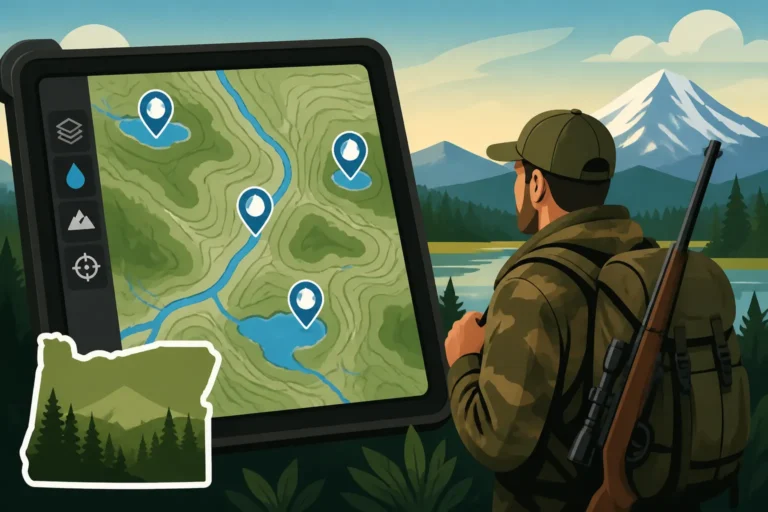
Applications like GoHunt provide detailed topographical maps overlaid with crucial information such as wilderness boundaries, land ownership, and often, links or summaries of local regulations. These features are incredibly helpful when you're E-Scouting Oregon Units With Satellite Imagery from home. You can visually identify if your chosen camping spot or intended travel route falls within a wilderness boundary and then cross-reference that with the specific rules you found on the Forest Service or BLM websites. The ability to mark waypoints, measure distances, and understand the terrain within these designated areas can help you plan compliant group movements and camping strategies.
Furthermore, many of these apps allow you to download maps for offline use, which is critical since cell service is often nonexistent in remote wilderness areas. Having all the boundary information and potential points of interest saved on your device ensures you can stay compliant even deep in the backcountry. Remember that while these apps are fantastic planning aids, they should always be used in conjunction with official sources to confirm the latest regulations. They are tools to help you visualize and implement the rules, not necessarily the sole source of the rules themselves. Combining your research with these platforms offers the best approach for a well-planned and compliant wilderness hunt.
Common Oregon Wilderness Regulations At A Glance
Here's a quick reference for some of the most common regulations you'll encounter in Oregon's federal wilderness areas. Remember that specific areas or local conditions might have stricter rules, so always verify with the managing agency.
| Regulation Category | General Oregon Wilderness Rule (Federal) | Notes & Variations |
|---|---|---|
| Group Size Limit | 12 people | Some popular or sensitive areas may reduce this to 8 or even 6 people. Always check local Forest Service/BLM regulations for your specific wilderness. |
| Stock Limit | 12 head of stock (horses, mules, llamas, donkeys) | Applies to combined total of all stock. Ensure animals are fed certified Weed-Free Feed Requirements to prevent invasive species. |
| Camping Distance | At least 200 feet (60 meters) from water sources, trails, and other developed areas | This helps protect water quality and preserves solitude. Be mindful of Camping Limits on Oregon National Forest generally, but these are even stricter in wilderness. |
| Campfire Restrictions | Often allowed, but depends heavily on current fire danger and specific wilderness regulations | Always check current fire restrictions (e.g., IFPL levels) before your trip. Many areas ban fires above a certain elevation or after certain dates. Use existing fire rings where possible. |
| Motorized/Mechanized Use | Generally prohibited (e.g., bicycles, game carts, drones) | Wilderness is for primitive recreation. Remember Oregon Wilderness Rules That Ban Motorized Carts and any other mechanized devices. Exception: wheelchairs for those with disabilities are generally allowed. |
| Waste Disposal | Pack it in, pack it out (all trash, food scraps). Human waste buried in catholes 6-8" deep | This applies to everything. Leave no trace. |
This table provides a snapshot, but it is not exhaustive. Always consult official resources and plan your trip thoroughly. For those Dispersed Camping in Oregon During Hunting Season outside of designated wilderness areas, some of these rules, especially regarding waste and fire, may still be good practice but are often less strictly enforced than within wilderness boundaries.
Disclaimer
The information provided in this guide is for general informational purposes only and does not constitute legal advice. Hunting regulations, wilderness rules, and access policies in Oregon are subject to change. Always consult the most current Oregon Department of Fish and Wildlife (ODFW) regulations, U.S. Forest Service, and Bureau of Land Management (BLM) official sources before planning and embarking on any hunting or outdoor activity. Failure to do so could result in fines or penalties.