Spot-and-Stalk Cougar Hunting in Oregon Without Dogs
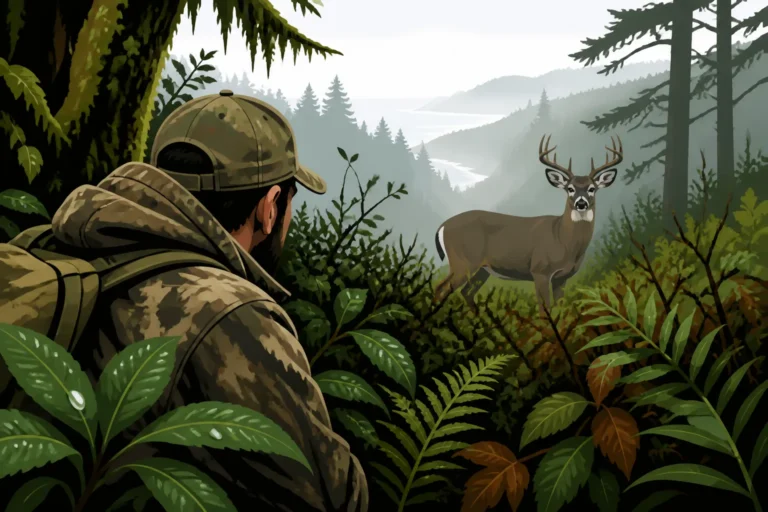
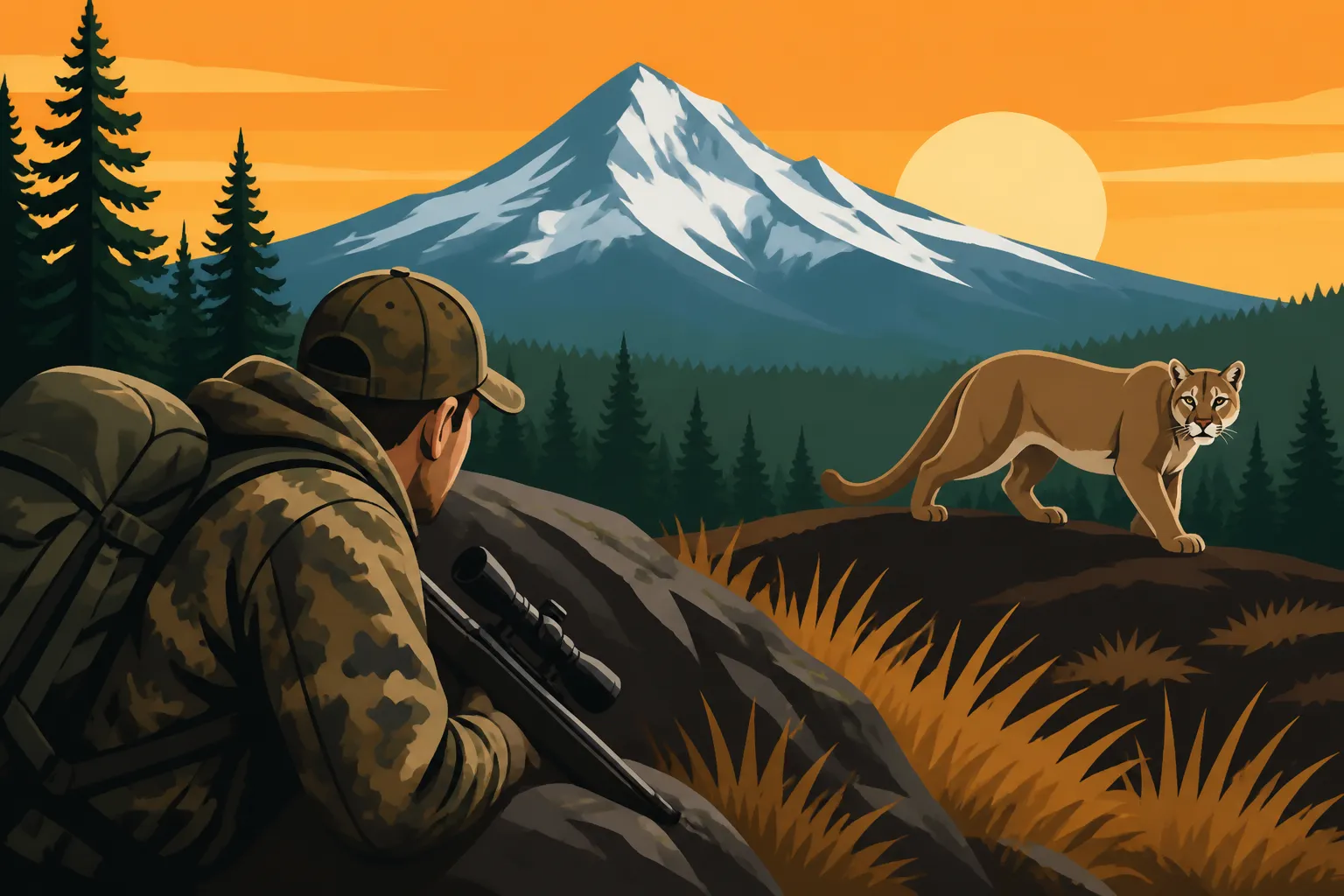
Hunting cougars in Oregon is a challenge unlike almost any other, especially when you consider the state's prohibition on using hounds. It means we, as hunters, are up against an incredibly elusive predator in often dense, rugged terrain, relying purely on our own two feet, sharp eyes, and keen understanding of the animal. This guide is dedicated to breaking down the realities and effective strategies for spot-and-stalk cougar hunting in Oregon, offering insights into how to locate, approach, and successfully harvest these intelligent creatures without the aid of dogs.
The Reality of Oregon Cougar Hunting Without Hounds
Let's be honest, hunting cougars in Oregon without hounds is tough. It's not a high-percentage game, and anyone who tells you otherwise probably hasn't spent much time trying it in our state. The sheer density of cover, combined with the cougar's incredibly stealthy nature, means most encounters are fleeting glimpses, if they happen at all. Oregon implemented its hound ban for cougars back in 1994, which fundamentally changed how hunters pursue these animals. It shifted the focus from a chase-and-tree method to one of pure stealth, tracking, and deep woods knowledge, making it a true test of a hunter's skill and perseverance.
The regulations around cougar hunting are unique, too. We're generally allowed to purchase two cougar tags per year, provided the harvest quotas for specific zones haven't been met. This quota system is crucial to monitor, as zones can close with little notice, leaving you with an unused tag if you're not paying attention. Unlike deer or elk, there's no "season" in the traditional sense; cougar season often runs from January 1 through December 31, or until zone quotas are met, whichever comes first. This means you can hunt them year-round, which is both a blessing and a curse. It offers flexibility but also means you're often hunting them when other species like deer and elk are out of season, making it a solitary pursuit.
The primary frustration for many Oregon cougar hunters is the sheer difficulty of simply finding a cat. Without a pack of dogs to scent-track and tree an animal, you're essentially looking for a ghost in the woods. This is why understanding their behavior, their preferred habitat, and being exceptionally good at reading sign becomes paramount. Forget the images of cats treed after a long chase; our success often comes down to hours of methodical still-hunting or glassing, followed by a quick, decisive shot. For a deeper dive into the specific rules, check out Oregon Cougar Tag Rules and Quotas.
Why Oregon Bans Hound Hunting for Cougars
The prohibition on using hounds for cougar hunting in Oregon stems from a ballot measure passed by voters in 1994. This measure was driven by a mix of ethical concerns regarding the use of dogs and a perception by some that it was an unfair chase. The ban fundamentally reshaped cougar management and hunting practices in the state.
From a biological standpoint, the ban has led to increased cougar populations in some areas, potentially impacting prey species like deer and elk. Without the ability to efficiently remove cougars from specific areas where they might be causing depredation, wildlife managers face different challenges. Hunters, too, have had to adapt entirely, focusing on strategies that are far more akin to hunting deer or elk, but for an animal that is orders of magnitude more secretive. It's a method that truly separates the casual hunter from those dedicated to understanding and outsmarting the apex predator on its own terms.
This legislative decision continues to be a point of discussion among hunters, conservationists, and wildlife managers. While some argue it provides a more "fair chase" experience, others lament the loss of an effective management tool. Regardless of one's stance, the reality for an Oregon cougar hunter is clear: you must master alternative methods. If you're curious about the historical and legal context, looking into Why Oregon Cougar Hunters Cannot Use Hounds can provide more background.
Expectations and Success Rates
Managing expectations is vital when embarking on a spot-and-stalk cougar hunt in Oregon. Unlike hunting deer or elk where you might see multiple animals in a day, a cougar hunt might involve days or even weeks of effort without a single sighting. The success rates for non-hound cougar hunters in Oregon are significantly lower than for other big game species, often in the single digits statewide. This isn't meant to discourage you, but rather to ground your efforts in realism.
Success often comes to those who are persistent, highly mobile, and willing to cover vast amounts of ground. It also favors hunters who possess an intimate knowledge of cougar behavior and are skilled in reading the subtle clues they leave behind. The biggest challenge isn't the shot; it's finding the animal in the first place. You're searching for an animal that actively avoids detection, blends seamlessly into its environment, and operates mostly under the cloak of darkness or low light. Embracing the low odds but high reward makes the eventual success incredibly fulfilling. It's truly a testament to deep woods tracking and hunting prowess.
Understanding Cougar Behavior and Habitat
To consistently find cougars without dogs, you absolutely have to become a student of their behavior. These aren't just big house cats; they are highly efficient, solitary predators perfectly adapted to their environment. Understanding their diet, their typical range, and how they interact with the landscape is the bedrock of a successful spot-and-stalk strategy. In Oregon, cougars occupy a diverse range of habitats, from the dense coastal rainforests to the rugged, rimrock country of Eastern Oregon. Each environment presents its own set of challenges and opportunities for the hunter.
Their diet is almost exclusively meat, primarily deer. In Western Oregon, this means Blacktail deer are their main food source, while in Eastern Oregon, Mule deer and Rocky Mountain elk calves feature prominently. Where there are deer, there are often cougars. They are ambush predators, meaning they prefer areas with thick cover to stalk and launch surprise attacks. This explains why they are so hard to spot in the open. They are also incredibly territorial, with males having huge home ranges that can overlap with several females. Knowing their patterns, especially in relation to prey availability and weather, is a massive advantage.
Prey Preference and Distribution
Cougars are opportunistic predators, but their primary food source in Oregon is deer. In the western part of the state, this means they largely follow the populations of Columbian Blacktail Deer of Western Oregon. You'll find them in the dense, regenerating clearcuts, along riparian corridors, and in the mixed conifer forests where blacktails thrive. If you're seeing a lot of deer sign—tracks, scat, browse—in an area, there's a good chance a cougar is also patrolling that same territory.
In Eastern Oregon, while deer are still a staple, cougars will also key in on Oregon Mule Deer and the Herd Range Decline and even younger Rocky Mountain Elk in Eastern Oregon. They'll often frequent rimrock canyons, juniper thickets, and areas adjacent to known wintering grounds for deer and elk. These animals are their bread and butter. Understanding the seasonal movements of these prey species is a critical component of predicting where a cougar might be. For instance, during the deer and elk fawning/calving season, cougars will often gravitate towards those nursery areas, knowing there's an abundance of vulnerable young. This direct link between predator and prey is what you should always be looking for.
Home Range and Movement Patterns
Cougars are solitary animals, and their home ranges can be massive, especially for males. A male cougar's territory in Oregon might span hundreds of square miles, while females typically have smaller, but still significant, ranges. These ranges are influenced by prey density, habitat type, and the presence of other cougars. They're not just wandering aimlessly; they follow predictable circuits within their territory, often patrolling known travel corridors, game trails, and preferred ambush sites.
Studying historical data, or even anecdotal reports from local loggers, hikers, and other hunters, can provide clues to these movement patterns. They'll often use ridge lines, saddles, and dense timber patches to move undetected. Weather also plays a significant role; cougars might reduce their movement during heavy snow or extreme cold, but also take advantage of fresh snow to travel and hunt, leaving a clearer trail for us to follow. They are most active during low light hours – dawn, dusk, and throughout the night – but it's not uncommon to find them moving during the day, especially if they've just made a kill. Learning to recognize these patterns and key terrain features is essential for success. You can get more information on Cougar Territory Size and Movement to better understand the vast areas these animals traverse.
Typical Bedding and Hunting Areas
Cougars are masters of concealment. When they're not actively hunting or moving, they're likely bedded down in incredibly dense cover. Think thickets of brush, downed timber, rocky outcroppings, or the deep shadows of mature conifer forests. Their bedding areas will almost always offer an elevated vantage point or excellent escape routes, allowing them to survey their surroundings while remaining hidden.
When they are hunting, they focus on areas where they can effectively ambush prey. This means pinch points, game trails that funnel animals, creek bottoms, and the edges of clearcuts or natural openings. Anywhere that deer or elk naturally move, and where a cougar can use cover to get within pouncing distance, is a prime hunting zone for them. In the Coast Range, this could be the edge of an old growth stand bordering a regenerating clearcut, or a brushy draw. In Eastern Oregon, it might be the base of a rimrock cliff overlooking a sagebrush flat, or a juniper stand bordering a water source. Always consider the terrain from a predator's perspective: where would you hide to surprise a deer?
Scouting for Sign: The Key to Spot-and-Stalk Success
Since you won't have hounds to find the cat for you, your eyes, and your ability to interpret subtle clues in the environment, are your most valuable assets. Spot-and-stalk cougar hunting is 90% scouting and 10% hunting. You need to become an expert at identifying fresh cougar sign and understanding what it tells you about the animal's presence and recent movements. This isn't about covering miles blindly; it's about methodical searching in high-probability areas, looking for the tell-tale signs that betray a cougar's presence. Every track, every scrape, every bit of scat tells a story, and your job is to read it.
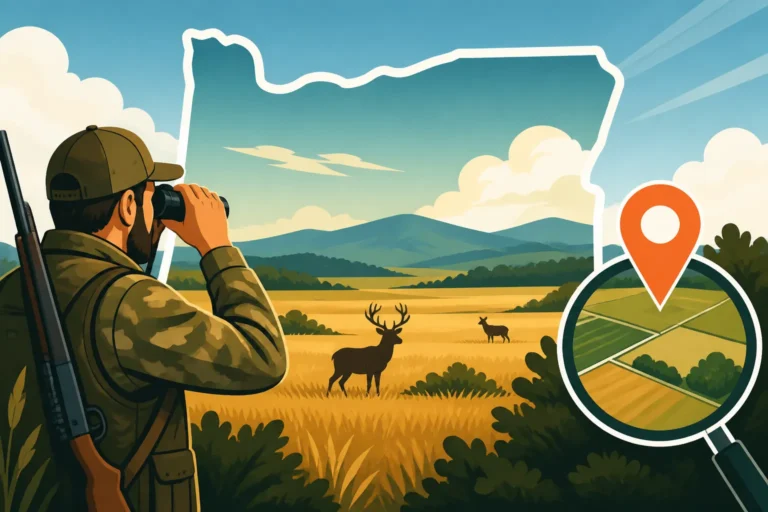
Modern tools like satellite imagery and mapping apps have revolutionized this aspect of hunting. Before you even set foot in the woods, you can use these resources to identify potential cougar habitat: areas of dense cover, proximity to known deer and elk bedding or feeding areas, and natural travel corridors. Once on the ground, however, it comes down to old-fashioned woodsmanship. Fresh tracks, scat, and especially kill sites are your absolute best indicators. This rigorous attention to detail and patience is what sets successful cougar hunters apart in Oregon.
Interpreting Tracks and Trails
Finding and accurately identifying cougar tracks is the most direct evidence you can find of a cat's presence. Cougar tracks are typically larger than those of coyotes or bobcats, averaging 3-4 inches wide for an adult. A key identifier is the absence of claw marks; unlike canids (dogs, coyotes) whose claws often show in their tracks, cougars typically retract their claws when walking, leaving a clean pad print. Look for a distinctive M-shape in the heel pad, and generally four toes.
Freshness is paramount. A fresh track will appear crisp, with sharp edges, and any loose dirt or debris disturbed by the track will look recent. Old tracks will have blurred edges, possibly show signs of wind or rain erosion, and might have leaves or pine needles settling in them. Following tracks, particularly in fresh snow or mud, is an art form. Look for changes in stride length (a hunting cat will often lengthen its stride), changes in direction, and how it navigates obstacles. They often walk with a "direct register," meaning their hind foot steps directly into the print of their front foot, creating a single, elongated impression. Learning to differentiate these from dog tracks can be found in Identifying Cougar Tracks From Dog Tracks.
Scat and Scrapes: Silent Signals
Beyond tracks, cougars leave other critical clues. Scat (feces) is another strong indicator. Cougar scat is typically rope-like and often contains hair, bone fragments, and sometimes even teeth from their prey. It usually varies in color depending on what they've recently eaten, from dark brown to almost white if it's old and bleached by the sun. Finding fresh scat—dark, moist, and still smelling gamey—indicates a cougar has been in the area very recently.
Cougars also create scrapes, especially males, to mark their territory. These are typically small piles of dirt, leaves, or pine needles scratched together with their hind feet, often with a small amount of urine or scat deposited on top. They're usually found along ridges, game trails, or at the base of trees, serving as a visual and olfactory signpost to other cougars. While less common to find than tracks, a fresh scrape is a definitive sign of an active cougar. They usually mark these scrapes at regular intervals along their patrol routes. Keep your eyes peeled for these territorial markers, as they indicate a consistent travel path.
Kill Sites and Carcass Inspection
Finding a fresh cougar kill is like hitting the jackpot. This is probably the strongest indicator that a cougar is still in the immediate vicinity or will return shortly. Cougars typically kill their prey with a bite to the neck or back of the head, and then often drag the carcass to a more secluded spot before caching it. They'll usually cover the carcass with leaves, dirt, and debris to protect it from scavengers like bears, coyotes, and birds of prey.
If you find a cache, approach with extreme caution. The cougar may be bedded nearby, especially if it's a recent kill. Observe from a distance with binoculars, looking for any movement or sign of the cat. Check the freshness of the kill: Is the meat still warm? Is there blood? Are the internal organs intact or consumed? A fresh kill means the cougar will likely be back to feed, often at dusk or dawn. If you find a very recent kill, setting up a stealthy ambush downwind, well out of sight, might be your best chance. Be prepared for a long, patient wait. This is one of the most exciting and nerve-wracking parts of cougar hunting.
Gear Up for the Chase: Essential Equipment
Cougar hunting in Oregon, especially without dogs, demands a specific and thoughtful approach to gear. You're essentially conducting a silent, often slow-motion ambush or a dedicated tracking effort in some of the state's most challenging terrain. Every piece of equipment needs to enhance your stealth, improve your ability to spot game, and ensure your safety and comfort during long days in the field. There's no room for extraneous items; every pound counts when you're covering rugged country.
From optics that can cut through dense timber to footwear that provides silent traction, your gear selection directly impacts your effectiveness. Remember, cougars are incredibly sensitive to movement and sound. Your clothing, your rifle, and even your backpack need to be considered in light of this acute sensitivity. Investing in quality gear isn't just about comfort; it's about giving yourself the best possible chance to succeed against one of Oregon's most elusive big game animals.
Optics and Observation Tools
High-quality optics are non-negotiable for spot-and-stalk cougar hunting. Since you'll be scanning vast areas of dense cover, often looking for the faintest flick of a tail or the outline of a cat camouflaged against brush, good glass makes all the difference. A pair of 10×42 or 12×50 binoculars are ideal for scanning timber, clearcut edges, and rocky slopes. Look for binoculars with excellent light gathering capabilities, as cougars are most active in low light conditions. Brands like Vortex, Leupold, and Zeiss offer excellent options for various budgets.
A spotting scope, while heavy, can be invaluable if you plan to glass large, open areas like Eastern Oregon rimrock or distant clearcuts. However, for the tight quarters of Western Oregon timber, binoculars are usually sufficient. Don't forget a rangefinder. In the dense woods, judging distance can be tricky, and a precise range is crucial for an ethical shot. Lastly, consider a headlamp with a red-light setting for navigating in the dark without spooking game or ruining your night vision. Remember, patience with your glass is as important as the quality of the glass itself.
Footwear, Clothing, and Backpack
Your footwear is arguably the most critical component of your personal gear. You need boots that are comfortable, waterproof, and provide excellent ankle support and traction for navigating steep, uneven, and often wet terrain. Look for sturdy hiking boots or specialized hunting boots with aggressive outsoles. Brands like Kenetrek, Crispi, or Schnee's are popular for their durability and performance in rugged environments. Ensure they are well broken in to prevent blisters.
Layered clothing is essential to adapt to Oregon's unpredictable weather. Start with a moisture-wicking base layer, add insulating layers (fleece or down), and top it off with a waterproof and windproof outer shell. Earthy tones or camouflage patterns are best for blending in. Focus on quiet fabrics that won't rustle loudly when you move. Your backpack should be comfortable, quiet, and large enough to carry all your essentials for a day or two: water, food, first-aid kit, game bags, and extra layers. A pack around 30-45 liters is usually sufficient. Consider a hydration bladder system for easy access to water without making noise.
Weapon Choice and Ammunition
When it comes to weapons for cougar, precision and adequate stopping power are key. Most hunters opt for a centerfire rifle chambered in a cartridge suitable for deer-sized game. Popular choices include .270 Win, .30-06 Springfield, .308 Win, or even larger calibers like 7mm Rem Mag or .300 Win Mag. While cougars aren't as large as an elk, they are incredibly tough animals, and a well-placed shot with a medium-bore rifle is critical for a quick, ethical kill. For more on appropriate calibers, refer to Rifle Calibers That Suit Oregon Elk.
Choose quality ammunition with good bullet construction, such as bonded or monolithic bullets, designed for controlled expansion and deep penetration. Accuracy is paramount; you might only get one shot, and it could be through a small window in dense brush. Practice shooting from various positions, including offhand, to be ready for any scenario. Shot distances will typically be much closer than for elk or mule deer, often within 100 yards in thick timber, so practice those closer shots as well. A reliable scope with a clear reticle is also crucial for target acquisition in low light or dense cover.
Tactics on the Ground: How to Hunt
With your knowledge of cougar behavior and your gear dialed in, it's time to talk tactics. Spot-and-stalk cougar hunting in Oregon is a slow, deliberate dance with an incredibly wary adversary. It demands patience, acute observation skills, and the ability to move through the woods with the stealth of a cat yourself. There's no one-size-fits-all approach, but combining various methods will maximize your chances. This isn't about covering miles quickly; it's about covering them intelligently, always with your senses on high alert for the slightest sign or sound.
The success often comes down to adapting your strategy to the specific terrain and conditions you encounter. Whether you're carefully still-hunting a timber stand, patiently glassing a distant hillside, or trying to lure a curious cat with a call, each tactic requires focus and a deep understanding of its application. Remember, you're trying to outwit an animal that has evolved over millennia to be the ultimate stealth predator.
Still-Hunting and Tracking
Still-hunting is perhaps the most effective, albeit challenging, method for cougars in Oregon's dense terrain. This involves moving incredibly slowly and deliberately through the woods, pausing frequently to observe your surroundings. Think one step, then five minutes of scanning. Focus on areas with abundant deer sign, thick cover, and potential ambush points. You're looking for any anomaly: a horizontal line in a vertical forest, an unusual color, or even the twitch of an ear.
When you find fresh tracks, tracking becomes paramount. In fresh snow or soft earth, following a cougar's trail requires immense patience and skill. Look for patterns in their travel: do they follow ridge lines, skirt obstacles, or use specific game trails? Note any changes in their behavior indicated by the tracks, such as a shift from a steady stride to a crouched, stalking gait. Stay downwind, move silently, and always be prepared for a sudden encounter. The cat you're tracking might double back, or be watching you from dense cover just yards away. This is where Tracking Bucks in Fresh Eastern Oregon Snow can offer some transferable skills, even if the prey is different.
Glassing and Observation Points
In more open country, particularly in Eastern Oregon's rimrock and sagebrush habitats, glassing from high vantage points can be highly effective. Cougars will often bed on ledges or in thickets overlooking travel corridors or feeding areas. Find a good, secluded spot with an expansive view, set up your tripod, and systematically pick apart the landscape with your binoculars or spotting scope. Pay close attention to shaded areas, rock piles, and the base of cliffs where a cat might be resting.
Glass during low-light periods – first light and last light – as this is when cougars are most likely to be on the move. Look for movement, distinct shapes that don't belong, or even the flick of a tail. Patience is crucial here; you might spend hours glassing a single hillside. Once you spot a cat, the real work begins: planning your stalk. Assess wind direction, cover, and potential escape routes for the cougar before making your move. Using mapping tools like those from GoHunt can help identify potential glassing knobs and avenues of approach beforehand.
Calling Techniques
While often associated with hound hunting, calling can be a highly effective tactic for drawing in curious cougars, especially when combined with other methods. Predator calls, particularly those mimicking a distressed rabbit or fawn, can pique a cougar's interest. The key is to set up in an area with good cover, downwind, and be absolutely still and quiet. Cougars have incredible hearing and eyesight.
Start with short bursts of calling, then wait for extended periods (10-15 minutes or longer) before calling again. Cougars are cautious and may circle downwind to get your scent before committing. Be prepared for a shot at any moment, as they can appear silently and quickly. This method works best in areas where you know there's cougar activity, perhaps from fresh tracks or scat. The more realistic your calls, the better your chances. Learning Cougar Calling Sounds That Draw a Cat In can be incredibly beneficial here, and you'll find there are nuances to when and how to deploy these sounds effectively.
The Ethical Shot and Recovery
Bringing down a cougar, especially after a challenging spot-and-stalk hunt, is an exhilarating moment. However, it's quickly followed by the profound responsibility of ensuring an ethical kill and a diligent recovery. Cougar hunting demands precision, both in shot placement and in the subsequent tracking, to minimize suffering and to honor the animal. These animals are incredibly tough, and a poorly placed shot can lead to a long, arduous, and potentially unsuccessful recovery.
Understanding cougar anatomy, being proficient with your chosen weapon, and knowing how to effectively blood trail are not just good practices—they are ethical imperatives. The dense terrain of Oregon can make recovery difficult even with a good shot, so every step of this process needs to be executed with care and commitment.
Shot Placement and Angles
Like all big game, proper shot placement is paramount for an ethical kill. The ideal shot on a cougar is through the vital organs: the lungs and heart. This means aiming for the shoulder/chest area, just behind the front leg when the animal is broadside. A double-lung or heart shot will drop a cougar quickly, ensuring a humane end. Avoid head shots, as they are a small target and can lead to a wounded animal. A spine shot, if presented, can also be effective.
Cougars often present tricky shot angles, sometimes quartering away or quartering towards you. If the cat is quartering away, aim slightly forward of its hind leg, targeting the opposite shoulder. If quartering towards you, aim for the point of the shoulder. Always wait for a clear, unobstructed shot, even if it means waiting longer or passing on an opportunity. Patience here pays off. In dense cover, ensure your bullet path is clear of branches and brush that could deflect your shot. The goal is always a clean, decisive kill. For a general understanding of vital zones, you can refer to Shot Placement on a Bull at Close Range and adapt to a cougar's anatomy.
Blood Trailing in Difficult Terrain
After the shot, if the cougar doesn't drop immediately, blood trailing begins. This is where Oregon's dense undergrowth and rugged terrain present their biggest challenge. Cougar blood trails can be sparse, especially with a high lung shot, and the cat's ability to navigate tough cover means they can disappear quickly. Take your time, mark the last spot you saw the animal, and carefully look for any sign of blood, disturbed earth, or broken vegetation.
Move slowly, marking each spot of blood with flagging tape or brightly colored toilet paper. Look for specks of blood on leaves, grass, and even tree trunks. If the blood trail peters out, expand your search in concentric circles, always assuming the animal is traveling downhill or towards dense cover. Use a tracking light at night if necessary and legal. It's often best to wait an hour or two (or longer if it's a gut shot) before pursuing, giving the animal time to bed down and expire. This is an incredibly difficult skill in the Coast Range, and resources like Blood Trailing in Oregon Rainforest Understory can offer general guidance.
Follow-Up and Safety
Always approach a downed cougar with caution. Even a seemingly dead animal can be dangerous. Approach from the rear, with your weapon ready. Look for signs of life: open eyes, breathing, or twitching limbs. If there's any doubt, put another round into the animal's vitals. Once you're certain the animal is expired, take a moment to appreciate the incredible achievement.
Before moving the animal, remember to tag it immediately as required by Oregon regulations. This confirms your harvest and prevents any legal issues. Document the kill with photos, noting the location and time. This is also a good opportunity to gather some data for wildlife managers, noting any unique characteristics of the cat. Remember that cougars are powerful predators, and even after death, they command respect.
Field Care and Reporting Requirements
Successfully harvesting a cougar is only part of the journey. Proper field care is essential to preserve the meat and hide, and adhering to Oregon's reporting requirements is a critical legal obligation. Neglecting either of these steps can lead to spoiled meat, damaged trophies, or even penalties from the Oregon Department of Fish and Wildlife (ODFW). In the often-remote areas where cougar hunting takes place, knowing how to efficiently process the animal in the field is a skill every hunter must possess.
Oregon has specific rules for cougar harvest reporting, differing slightly from deer or elk. These regulations are in place to help ODFW monitor populations and manage harvest quotas effectively. Being prepared with the right tools and knowing the process ahead of time will make this final stage of your hunt smooth and successful.
Field Dressing and Meat Care
Once the cougar is down and tagged, proper field dressing is crucial, especially if you plan to salvage the meat. Oregon law generally requires the salvage of edible meat, and cougar meat is lean and can be quite good if handled correctly. The gutless method, often used for elk or deer, works well for cougars too and can be quicker and cleaner than traditional evisceration. This involves skinning one side, quartering the animal, and removing the meat, then flipping and repeating on the other side. This approach minimizes contamination and keeps the meat cooler. You can learn more about this by researching Gutless Method on a Bull Elk and adapting the principles.
Cool the meat as quickly as possible. Get it out of the hide, off the ground, and into game bags. In warm weather, this is especially critical to prevent spoilage. If you're deep in the backcountry, plan for how you'll get the meat and hide out efficiently. Consider packing it out in multiple trips if necessary. For hide care, skin it carefully, leaving plenty of hide for taxidermy if desired. Keep the hide cool and get it to a freezer or taxidermist as soon as possible.
Hide Care for Taxidermy
If you intend to have your cougar mounted, proper hide care in the field is paramount. The quality of your taxidermy often begins with how well the hide is handled immediately after the animal is harvested. For a full-body mount or a rug, you'll want to make careful incisions to ensure the hide is symmetrical and undamaged. This typically involves a cut down the center of the back, from the tail to the nose, and cuts along the inside of each leg. Leave the feet and skull intact for the taxidermist to prepare.
After skinning, meticulously remove all excess meat and fat from the hide. Any remaining flesh can lead to hair slippage. Salt the hide thoroughly with non-iodized salt, rubbing it into every crevice, particularly around the edges and thicker areas. Roll it up and let it sit for a few hours to draw out moisture, then re-salt it, or, ideally, get it to a taxidermist or frozen quickly. Freezing is often the safest bet for short-term preservation until you can get it to a professional. The quicker and cleaner you can get this done, the better your final mount will look.
Mandatory Harvest Reporting
Oregon has specific and strict requirements for reporting cougar harvests. Unlike other big game where you might have a couple of weeks to report, cougar harvests must often be reported much sooner. Typically, you need to report your cougar harvest to ODFW within 10 days of harvest, and some regulations might even require reporting within 24-48 hours. This quick turnaround is crucial because ODFW manages cougar populations by zone quota. If a zone reaches its quota, it can close immediately, and an unreported harvest can throw off these numbers.
You'll usually report online through the ODFW licensing system, or by calling a designated ODFW office. Be prepared to provide your tag number, the date and location of harvest (county and nearest landmark), and potentially information about the sex of the animal. Failing to report your harvest is a violation and can result in fines and loss of hunting privileges. Always double-check the current year's hunting regulations pamphlet for the most up-to-date reporting deadlines and methods. This is an essential legal step that every successful cougar hunter must complete.
Common Challenges and How to Overcome Them
Hunting cougars in Oregon without dogs is inherently difficult. It's a game of patience, perseverance, and often, dealing with disappointment. The odds are stacked against you, but understanding the common challenges and proactively developing strategies to overcome them is what turns a hopeful hunter into a successful one. From the vastness of the public lands to the elusive nature of the cats themselves, Oregon throws a lot at you.
Recognizing these hurdles isn't about fostering negativity; it's about being realistic and building resilience. Every missed opportunity, every long day without a sighting, is a learning experience. The hunter who can adapt, stay motivated, and continually refine their approach is the one who will eventually punch their tag.
Sparse Populations and Vast Public Lands
One of the primary challenges is that cougar populations, while healthy in Oregon, are not uniformly distributed and are generally sparse compared to prey animals. You're searching for a needle in a haystack across millions of acres of public land. Oregon boasts extensive public lands managed by the U.S. Forest Service and the Bureau of Land Management (BLM), which is great for access but means a huge area to cover. Navigating this vastness efficiently is key. Public Land Hunting in Oregon: Forest, BLM and State provides a good overview of available territories.
To overcome this, concentrate your efforts. Don't just wander aimlessly. Focus on known deer and elk wintering areas, heavy cover, and specific terrain features that funnel game. Use e-scouting tools like GoHunt or OnX to identify likely travel corridors, pinch points, and dense bedding areas before you even step foot in the woods. These apps allow you to overlay private and public land, analyze topography, and mark potential hotspots, giving you a significant advantage in narrowing down your search. This meticulous planning ensures that your valuable time in the field is spent in high-probability areas.
Weather and Terrain Difficulties
Oregon's weather and terrain can be incredibly challenging, even for the most seasoned hunters. Western Oregon often means dense, wet rainforests with steep slopes, thick brush (like salal and sword fern), and frequent rain. This makes tracking difficult, visibility poor, and travel exhausting. Eastern Oregon, while drier, can present its own extremes: deep snow in winter, hot and dry conditions in fall, and rugged, broken country with deep canyons and rimrock.
Adapt your gear and strategy to the conditions. In wet weather, reliable rain gear (that actually stays dry), waterproof boots, and quiet fabrics are essential. For snow, gaiters and snowshoes might be necessary. In hot weather, prioritize hydration and hunt during the coolest parts of the day. Physical fitness is also crucial; cougar hunting is often a physically demanding pursuit. Train year-round to build the stamina needed for long days of hiking, climbing, and still-hunting in challenging conditions.
Elusive Nature of the Animal
The cougar's legendary stealth and elusive nature are perhaps the greatest challenge of all. They are masters of camouflage, incredibly intelligent, and have an uncanny ability to detect threats and vanish without a trace. Many hunters report seeing a cougar for only a fleeting second before it disappears into the undergrowth. This requires extreme patience and a heightened state of awareness from the hunter.
To counter this, slow down your movements. Move with purpose, but at a snail's pace, constantly scanning and listening. Use cover to your advantage, breaking up your silhouette against the background. Pay attention to subtle sounds: a snapped twig, a distant bird call change, or the rustle of leaves could indicate a cougar's presence. Remember, the cougar is likely aware of you long before you are aware of it. Learning how to move silently, pause frequently, and use your optics to systematically search patches of cover is your best defense against their unparalleled stealth. It takes dedication, but the reward of outsmarting such a creature is immense. You might find some useful insights on How Close You Can Get in Coastal Timber even though it's about deer, the principles of stealth apply to cougars just as much, if not more so.
Disclaimer
Please note that hunting regulations and quotas can change frequently. Always consult the most current Oregon Department of Fish and Wildlife (ODFW) hunting regulations pamphlet before planning any hunt. This guide is for informational purposes only and does not supersede official state regulations. It is the hunter's responsibility to know and follow all applicable laws.