Muzzleloader Ignition in Wet Weather
There’s almost nothing more disheartening than spotting that trophy bull or buck in the Oregon rain, getting your muzzleloader up, taking aim, and then… click. That dreaded misfire, all because a little moisture found its way into your ignition system. We’ve all been there, standing soaked, frustrated, and silently cursing the relentless Pacific Northwest weather. This guide is here to walk you through the essential steps and clever tricks to keep your muzzleloader firing reliably, even when Oregon’s skies decide to open up.
Understanding Muzzleloader Ignition Challenges in Oregon’s Wet Climate
Oregon’s diverse landscapes, from the misty Coast Range to the snow-dusted Cascades, present unique challenges for muzzleloader hunters. The common enemy across all these regions? Moisture. Whether it's a relentless drizzle, heavy fog, or even just high humidity, water can quickly compromise your shot.
How Moisture Affects Your Muzzleloader
Let's get real about what happens when water and gunpowder mix. Black powder and its modern substitutes are incredibly hygroscopic – they love to absorb moisture. Even a tiny amount can reduce its effectiveness, leading to hangfires (a delayed ignition) or, worse, a complete misfire. The primer, which is designed to create a hot spark, is also incredibly susceptible. If the primer is wet, it simply won't ignite the main charge. It’s like trying to start a campfire with damp kindling; you might get a puff of smoke, but no roaring blaze. This is especially true for hunters deep in coastal timber during the archery season, where the humidity clings to everything.
Beyond the powder itself, rust is a constant threat. Muzzleloaders, with their intricate actions and often exposed components, are prime targets for corrosion. A rusted firing pin or nipple can impede proper primer seating or even break, sidelining your hunt entirely. The internal workings, too, can seize up if neglected after a wet outing. It’s not just about the shot itself, but the long-term health of your prized hunting tool.
Common Failure Points in Wet Conditions
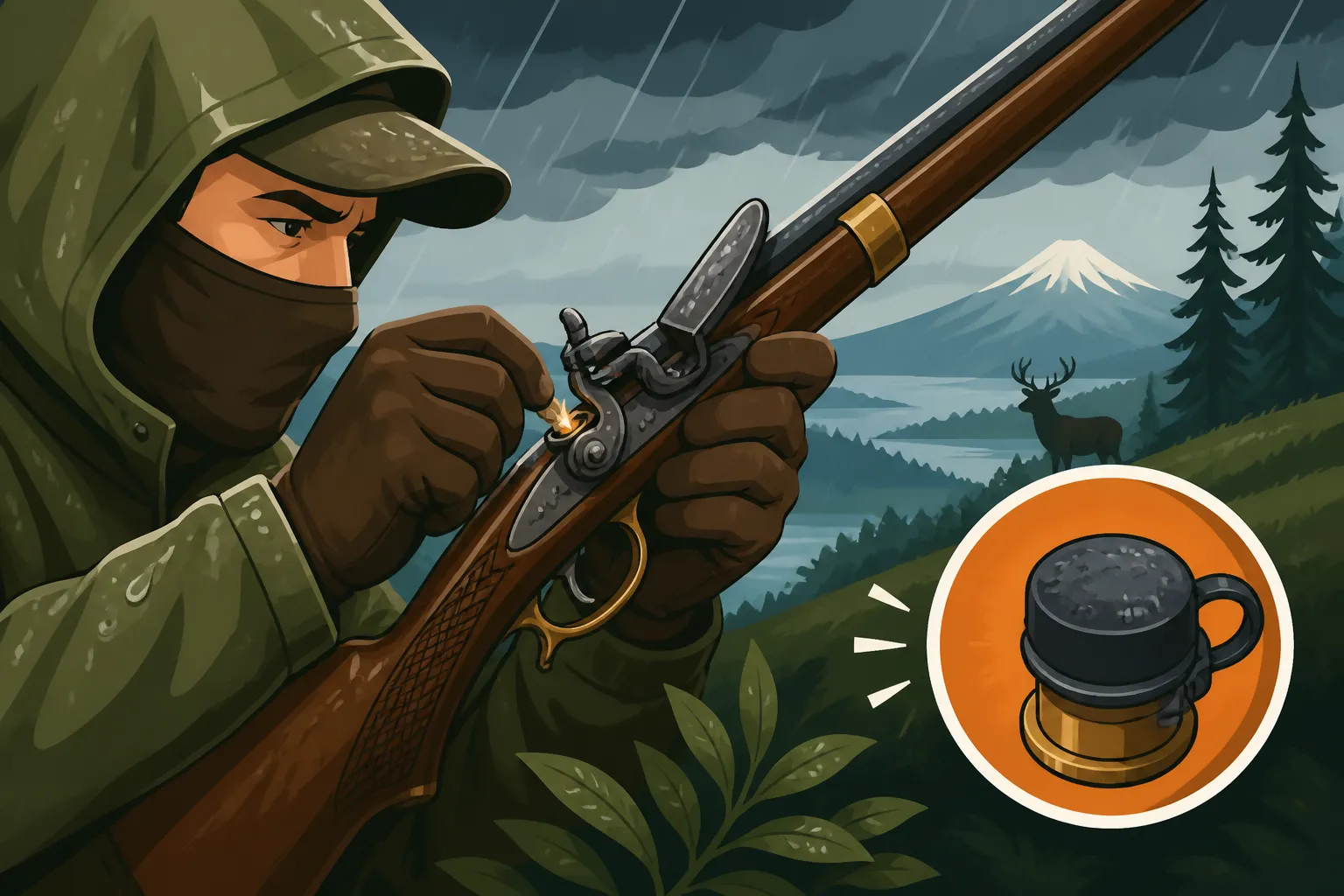
When the rain is coming down, there are a few usual suspects for misfires. The most obvious is the primer itself. For percussion caps, if the cap gets soaked, it's game over. Even a light mist can seep in if the cap isn't properly sealed. For 209 shotshell primers, which are common in many inline muzzleloaders, the small gap around the primer is a vulnerability. Modern inline designs have certainly improved, but they aren’t entirely impervious.
The flash hole, which connects the primer's ignition to the main powder charge, is another critical point. If water gets into this tiny hole, it can turn the dry powder behind it into a damp clump, preventing reliable ignition. This often happens if water runs down the barrel or if your muzzle is pointed slightly downwards in the rain, allowing drops to ingress. Breech plugs also need to be perfectly clean and free of residue, as any accumulation can trap moisture and inhibit the primer's flame from reaching the powder effectively. Think of it like trying to blow through a straw that's partially clogged with mud; the airflow just isn't there.
Proactive Measures for Wet Weather Ignition
The best defense against a wet weather misfire is preparation. Don't wait for the rain to start falling to think about waterproofing your muzzleloader. These steps should be part of your routine when heading out into Oregon's famously unpredictable weather.
Waterproofing Your Muzzleloader Before the Hunt
This is where the real work happens. Before you even leave the truck, make sure your muzzleloader is as protected as possible. Start with the basics: a good quality gun oil or rust preventative should be applied to all external metal surfaces. Brands like Break-Free CLP or Eezox work wonders in repelling water and preventing rust. Pay close attention to the lockwork, ramrod, and sights.
For the crucial ignition system, consider using clear nail polish or a specialized sealant around your percussion caps or 209 primers once they are seated. Just a thin bead where the cap meets the nipple, or around the rim of the 209 primer, can create a surprisingly effective seal. Some hunters even apply a light coat of silicone grease around the base of the primer for a similar effect. Always test this at the range first to ensure it doesn't interfere with seating or function. When I'm gearing up for an archery elk hunt in Oregon’s August and September seasons, where an unexpected downpour can hit hard, I take extra precautions. It’s better to be safe than sorry when you’ve got a tag in your pocket.
Another tip, especially for traditional sidelock muzzleloaders, is to use a "nipple pick" to ensure the flash hole is clear before you even cap it. For inline muzzleloaders, ensuring your breech plug is meticulously clean and dry is paramount. I typically carry a spare, freshly cleaned breech plug in a sealed bag as a backup. When you're Muzzleloader Loads and Wet-Weather Ignition it's not just the powder, but every tiny detail that counts.
Protecting Your Ammunition and Powder
Your powder and projectiles are just as vulnerable. Pre-measured powder charges stored in waterproof tubes are a lifesaver. You can find these at most hunting stores or make your own from plastic tubing and caps. They ensure that even if your pack gets wet, your powder stays dry. Brands like GoHunt often review gear that includes these handy accessories. I've seen too many hunts ruined by a damp powder horn or loose powder that's clumped up.
For your projectiles, if you're using sabots, ensure they are stored in a dry, sealed container. Moisture can cause the sabot material to swell or degrade, affecting accuracy. Some hunters even lightly oil their projectiles or coat them in a waterproof lubricant before loading. The goal is to create as many layers of protection as possible against the elements. If you carry a speed loader, make sure the bullet and powder are tightly sealed within it. Every component of your Oregon Muzzleloader Equipment Rules should be treated with utmost care, especially in damp conditions.
Essential Gear for Wet Weather Muzzleloading
Beyond your firearm, your personal gear plays a huge role. A good set of rain gear that actually stays dry is non-negotiable in Oregon. Look for breathable, waterproof options from reputable brands. Think of it as a second skin. If you are soaked and miserable, your focus will be shot, and you'll be less likely to handle your muzzleloader with the care it needs. This is similar to the importance of Rain Gear That Actually Stays Dry for any type of hunting here.
A waterproof gun cover or a simple plastic bag can be your best friend when traversing dense brush or during a sudden downpour. It might not look fancy, but it will keep the critical parts of your rifle dry until you need to shoot. I always carry a few large, heavy-duty Ziploc bags for this purpose. They’re light, compact, and incredibly effective.
Don't forget a small, dry cloth and a nipple pick or breech plug wrench. These can be tucked into a waterproof pouch on your belt or in an easily accessible pocket. A spare set of primers, stored in a sealed, waterproof container, is also a must-have insurance policy. When you're Keeping a Bowstring Dry in Coastal Rain, you know the challenges of persistent moisture, and muzzleloaders face similar battles.
In-the-Field Tactics to Combat Moisture
No matter how well you prepare, Oregon weather can be relentless. Knowing how to react quickly and effectively when you're out there can mean the difference between success and a missed opportunity.
Keeping Your Muzzleloader Dry While Hunting
The first rule of thumb is constant vigilance. When moving through thick undergrowth, keep your muzzle pointed up to prevent debris and water from entering the barrel. When standing or sitting, try to keep your muzzleloader under cover – a poncho, a tree branch, or even just tucked under your arm. A sling is invaluable for keeping the rifle close and allowing you to position it quickly out of the direct rain.
One classic trick for percussion cap muzzleloaders is to cover the hammer and nipple with a piece of electrical tape or even a small balloon. This creates an extra barrier against moisture. For inline muzzleloaders, many hunters use a piece of electrical tape over the breech plug assembly or the 209 primer opening. Just be sure to practice peeling it off quickly and quietly. It’s about creating a temporary, easily removed shield. Think about it like Hunting Blacktails in Fog and Drizzle – every little bit of protection helps.
When you pause for a break or to glass, if possible, seek natural shelter. A thick stand of firs can offer surprising protection from the rain. If you're using a bipod, keep your muzzle up off the wet ground. It sounds simple, but every little effort adds up.
Troubleshooting a Misfire in the Field
Okay, it happened. You pulled the trigger, and you got a click instead of a bang. Don't panic. The first thing to do is to safely clear the misfire. Keep the muzzle pointed in a safe direction. For a percussion cap, remove the spent cap (if it fired and failed to ignite the powder), clean the nipple, and replace it with a fresh, dry cap. For a 209 primer, carefully remove the breech plug, check the primer, and replace it if it looks compromised.
Before trying a second shot, check the flash hole. Use your nipple pick to ensure it's clear and free of debris. If the powder charge might be damp, you might consider trying to reseat the bullet gently or, in some cases, unloading and reloading with a fresh charge if you have the time and safety dictates it. This is where those waterproof powder tubes and spare primers really shine. It’s always best to carry a few extra of each, just in case.
If you're using a break-action inline, sometimes simply opening and closing the action can help reseat things or clear a minor obstruction. But remember, safety is paramount. Always treat a misfire as a loaded gun and follow proper unloading procedures if you can't get a reliable ignition after a few attempts. It’s a frustrating situation, but a calm, methodical approach is key. When you're deep in the Oregon Coast Elk First Season Length, far from the truck, fixing a misfire quickly is critical.
Field Cleaning and Maintenance During the Hunt
While a full breakdown and cleaning aren't feasible in the field, some quick maintenance can keep you in the game. After a particularly wet period or a misfire, gently wipe down external metal surfaces with a dry cloth and reapply a light coat of oil, especially around the lockwork and breech.
If you suspect moisture has entered the flash channel, use your nipple pick to clear it. For inline muzzleloaders, carefully remove the breech plug (if safe to do so with a loaded gun, ensuring the hammer is always at half-cock or on safety), wipe it down, and dry out the inside of the breech area with a patch. A small, stiff brush can help clear any powder residue that might have absorbed moisture. If you carry a small bottle of isopropyl alcohol, a few drops on a patch can help absorb water and clean out the breech plug channel, as alcohol evaporates quickly. Just be sure to follow up with a dry patch. This kind of attention to detail is vital, just like knowing the Oregon's 300-Foot Rule Beside an Open Road to ensure you're hunting legally and safely.
Post-Hunt Care and Long-Term Prevention
Your hunt isn't over when you pull the trigger or when you walk back to the truck. Proper post-hunt care, especially after a wet outing, is crucial for the longevity and reliability of your muzzleloader.
Immediate Post-Hunt Care for Wet Muzzleloaders
As soon as you’re out of the field, your top priority should be getting your muzzleloader completely dry and cleaned. Don't let it sit in a wet gun case overnight. Disassemble it as much as safely possible, starting with removing the breech plug and ramrod. Wipe down all external surfaces thoroughly with a dry cloth, then apply a rust-preventative oil generously. Pay extra attention to all nooks and crannies where water might hide.
If you fired your muzzleloader, a full cleaning is essential to remove corrosive black powder residue. Even if you didn't fire, moisture combined with any residual fouling can create rust almost overnight. Use a good muzzleloader cleaning solvent designed for black powder. Scrub the bore, breech plug, and all internal components until they are spotless. Then, dry everything completely and apply a protective layer of oil. I often use a hairdryer on a low setting (from a safe distance!) to ensure every last drop of moisture is gone from the intricate parts of the action or bolt assembly. This meticulous approach is vital. For more details on this, look into Muzzleloader Loads and Wet-Weather Ignition and the best cleaning practices.
Storage Solutions for Oregon's Climate
Once clean and dry, how you store your muzzleloader is the final piece of the puzzle. Avoid storing it in a soft gun case, especially a damp one, as these can trap moisture and accelerate rust. A hard case with a good seal is much better, but even then, consider adding desiccant packs to absorb any latent humidity.
The ideal storage environment is a climate-controlled space, away from extreme temperature fluctuations and humidity. If you have a gun safe, make sure it’s equipped with a dehumidifier rod or desiccant. Even a simple closet, if dry, is better than a cold, damp garage. For those living in the Willamette Valley or along the coast, where humidity is a constant companion, this step is non-negotiable. Regular checks, even during the off-season, are also a good idea to catch any signs of moisture or rust early. It's akin to knowing how to protect your gear when preparing for Physical Training for an Oregon Elk Hunt – consistent effort leads to long-term success.
When to Seek Professional Help
Sometimes, despite your best efforts, issues can arise that are beyond a hunter's average skillset. If you notice persistent rust pitting, especially in the bore or on critical action parts, it might be time to take your muzzleloader to a qualified gunsmith. They can assess the damage, remove rust, and re-finish surfaces to prevent further deterioration.
Similarly, if you experience repeated misfires or hangfires even with proper cleaning and dry components, there might be a deeper mechanical issue with your firing pin, spring, or breech plug design. A gunsmith can diagnose these problems and make the necessary repairs or suggest upgrades. Don't risk safety or further damage by trying to fix complex issues yourself. Remember, your muzzleloader is an investment, and professional maintenance ensures it remains a reliable tool for many seasons to come. Even GoHunt's gear reviews sometimes point out when a product might benefit from professional modification for specific conditions.
| Ignition System Type | Wet Weather Vulnerability | Prevention Tip | In-Field Fix |
|---|---|---|---|
| Percussion Cap | Exposed cap, nipple | Seal cap with nail polish/grease | Replace cap, clear nipple with pick |
| 209 Primer (Inline) | Gap around primer, flash hole | Seal primer, clean breech plug thoroughly | Replace primer, clear flash hole, dry breech |
| Flintlock | Exposed pan powder | Keep pan cover closed, use fine priming powder | Replace wet powder in pan, keep frizzen clean |
| Electronic Ignition | Battery, wiring | Ensure sealed components, carry spare battery | Check battery connection, replace if possible |
Final Thoughts on Conquering Oregon's Weather
Hunting with a muzzleloader in Oregon is a truly rewarding experience, connecting us to a more traditional way of hunting. But the romance quickly fades when a misfire in the pouring rain costs you a shot at a prime animal. The key is to acknowledge the challenge of Oregon's wet environment and implement a robust strategy of preparation, vigilance, and meticulous care.
From waterproofing your critical ignition components and storing your powder in dry, sealed containers, to employing quick field fixes and diligent post-hunt maintenance, every step contributes to a reliable muzzleloader. Don't let the weather dictate your success. With these tactics, you'll be well-equipped to face the elements, ensuring your muzzleloader fires true when that hard-earned opportunity finally presents itself, whether you're chasing blacktails or chasing Roosevelt elk through the wet timber. You can find more specific advice on Boots for Wet Coastal Hunting and other essential gear that will make your entire experience more comfortable and effective.
Remember, a successful hunt isn't just about the shot; it's about all the careful planning and execution that leads up to it, especially when dealing with Mother Nature's less-than-cooperative moods.
Disclaimer
The information provided in this guide is for general informational purposes only and does not constitute professional advice. Always refer to the latest Oregon Department of Fish and Wildlife (ODFW) regulations and consult with qualified professionals for specific guidance related to hunting, firearm maintenance, and safety. Hunting inherently carries risks, and it is the individual's responsibility to ensure their safety and compliance with all applicable laws and regulations.