Sabot Versus Conical Bullets
Choosing the right bullet for your muzzleloader can feel like a labyrinth, especially with all the options out there and the specific regulations we face here in Oregon. It’s not just about what shoots straight, but what performs ethically on game and complies with the rules for your specific hunt. This guide will walk you through the distinct characteristics of sabot and conical bullets, helping you understand their performance, advantages, disadvantages, and how to make the best choice for your next Oregon hunting adventure.
Understanding Muzzleloader Bullet Fundamentals
Before we dive into the nitty-gritty of sabots versus conicals, it’s crucial to understand what makes a muzzleloader bullet tick, especially within the context of Oregon's diverse hunting landscapes. Muzzleloaders, by their very nature, are a different beast than modern cartridge rifles. They load from the front, often use loose powder, and their projectiles interact with the bore differently. This difference in design directly impacts the type of projectile that performs best and, critically, what Oregon Fish and Wildlife (ODFW) allows for specific hunts.
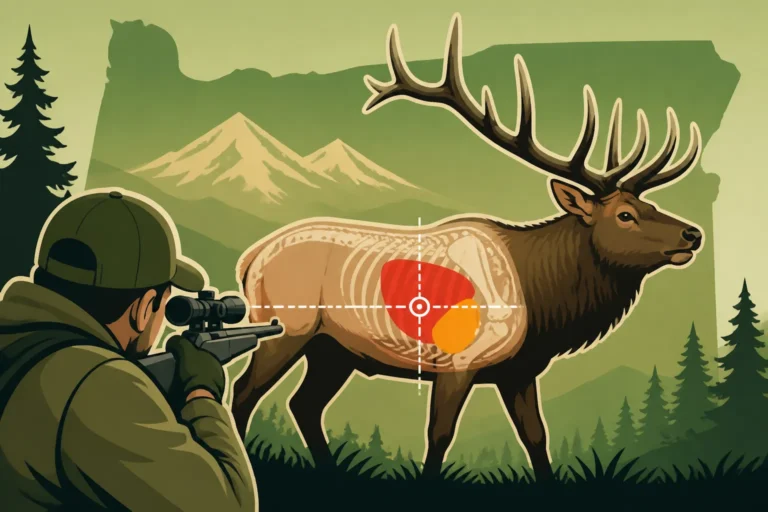
The goal with any hunting bullet is to achieve accuracy, deliver sufficient energy to the target, and ensure reliable expansion or performance for a quick, ethical harvest. For muzzleloaders, this is often a balancing act between historical tradition, modern ballistics, and regulatory compliance. Many hunters gravitate towards muzzleloaders for the challenge and the extended seasons they often offer, but selecting the right ammunition is paramount to success in the field, whether you're targeting a trophy bull elk in the Blue Mountains or a blacktail deer in the Coast Range.
The Role of Bore Diameter and Twist Rate
The performance of any muzzleloader bullet—sabot or conical—is heavily influenced by your rifle's bore diameter and its twist rate. Unlike modern rifles that use precisely manufactured cartridges, muzzleloaders require careful matching of the projectile to the bore. For most common muzzleloaders, we're talking about .50 caliber, but even within that, there can be slight variations. A bullet that's too loose won't seal properly, leading to poor velocity and accuracy. One that's too tight might be difficult to load, especially after a fouled bore.
Twist rate, which is how many inches of barrel it takes for the rifling to complete one full rotation, is equally vital. Faster twist rates (e.g., 1:28 or 1:32) are generally better at stabilizing longer, heavier projectiles, like many modern saboted bullets. Slower twist rates (e.g., 1:48 or 1:60) might favor shorter, more traditional conical bullets or round balls. If you're using a modern inline muzzleloader, it likely has a faster twist designed for sabots. Older, traditional sidelock rifles often have slower twists. Knowing your rifle's specific twist rate, usually stamped on the barrel, is the first step in narrowing down your bullet choices and is a critical piece of information many hunters overlook when trying to troubleshoot accuracy issues.
Oregon's Muzzleloader Regulations and Their Impact
Oregon has some specific rules for muzzleloader hunting, particularly during controlled hunts dedicated solely to muzzleloaders. These regulations often differ significantly from those for general rifle seasons. For example, many controlled muzzleloader hunts in Oregon stipulate that you must use a "single projectile made of lead or lead alloy." This critical phrasing often excludes jacketed bullets and, importantly, sabots, which typically consist of a plastic or synthetic sleeve holding a smaller-diameter projectile.
This means that while a saboted bullet might offer superior ballistic performance, it could render your setup illegal for your specific draw tag. It's an all too common frustration for hunters who spend time practicing with one type of bullet, only to realize closer to the season that their chosen projectile isn't allowed. Always, and I mean always, double-check the current ODFW hunting regulations for your specific hunt unit and season. What's legal for a general rifle hunt might not be for a controlled muzzleloader tag. Services like GoHunt are invaluable for researching specific unit regulations and understanding the nuances of different hunt opportunities, helping you avoid a costly mistake in the field. This also ties into important topics like Oregon Muzzleloader Equipment Rules, which elaborates on the broader framework of what’s allowed.
Diving Deep into Sabot Bullets
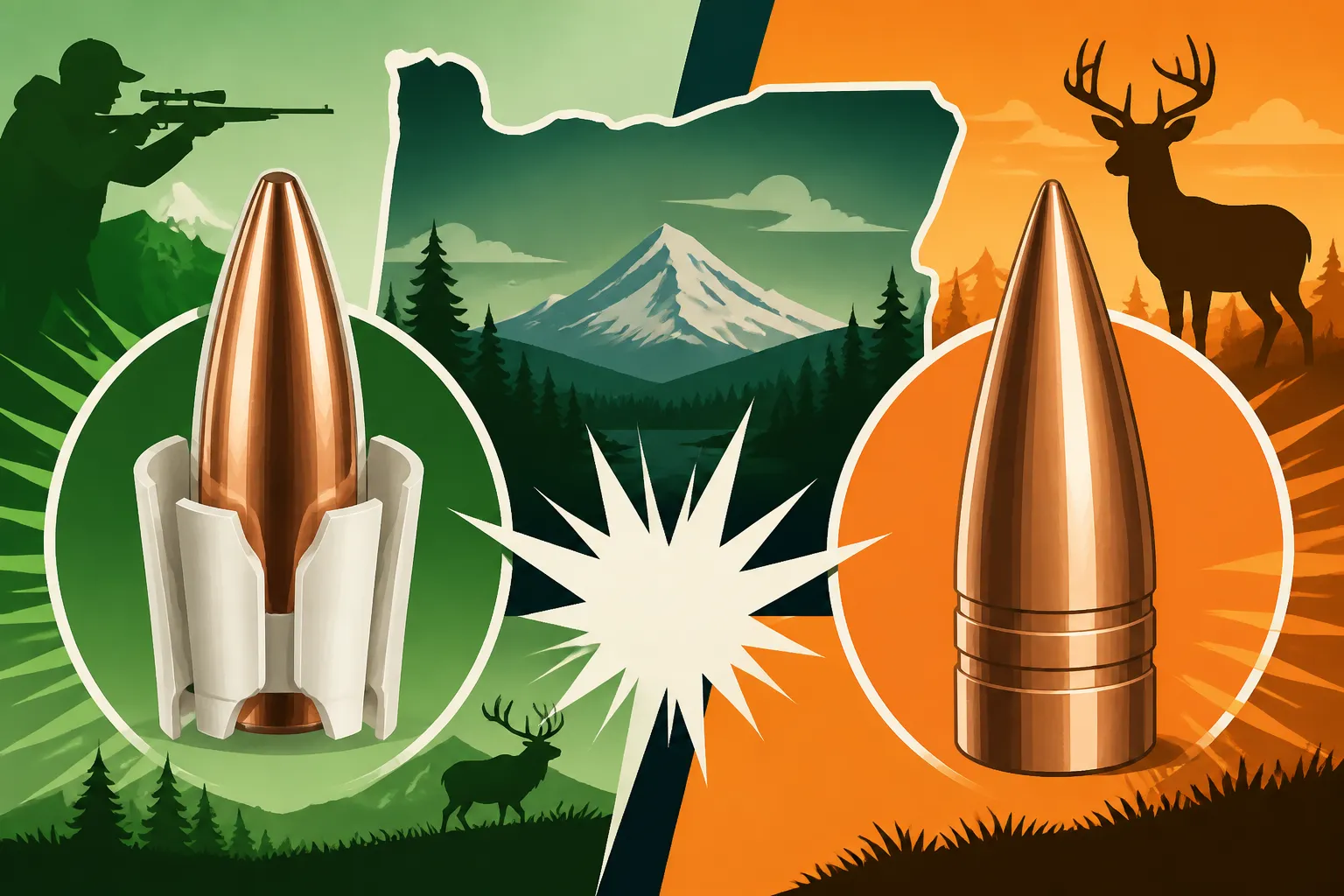
Sabot bullets represent a significant leap in muzzleloader technology, essentially bridging the gap between traditional muzzleloader performance and modern rifle ballistics. The term "sabot" itself comes from the French word for "shoe" or "clog," referring to the plastic sleeve that encases a smaller-diameter bullet. This design allows muzzleloaders to shoot sleek, aerodynamically efficient bullets that would otherwise be too small for the bore, delivering impressive accuracy and flatter trajectories.
Many hunters, especially those accustomed to the performance of modern centerfire rifles, are drawn to sabots for their enhanced range and precision. When you're facing a longer shot across an Eastern Oregon high desert basin on a mule deer, the flatter trajectory and improved wind resistance of a sabot can be a game-changer. However, this modern performance comes with its own set of considerations, from loading challenges to regulatory hurdles.
Construction and Performance Advantages
Sabot bullets typically consist of a precision-machined bullet, often made of copper, copper alloy, or bonded lead, nested within a plastic cup or sleeve. For example, bullets like the Barnes Spit-Fire or Hornady SST are popular choices. This plastic sabot has petals that expand to engage the rifling, imparting spin to the projectile, and then separate from the bullet shortly after exiting the muzzle. This innovative design allows a .45 caliber bullet, for instance, to be shot from a .50 caliber muzzleloader barrel.
The primary advantages of this construction are clear. First, superior accuracy: The smaller, rifle-like bullets often have higher ballistic coefficients, meaning they cut through the air more efficiently and are less affected by wind. This translates to tighter groups downrange and a flatter trajectory, extending your effective range considerably compared to traditional conical bullets. Second, improved terminal performance: Many sabot projectiles are designed with advanced bullet technologies, similar to those found in centerfire rifle bullets, to ensure controlled expansion and deep penetration on game. This means more reliable energy transfer and a more ethical kill, assuming proper shot placement. These characteristics are particularly valuable when you're considering shots on tougher animals like Rocky Mountain Elk in Eastern Oregon.
Common Challenges and Disadvantages
While sabots offer compelling advantages, they also present certain challenges. One of the most frequently cited frustrations is loading difficulty. The plastic sabot needs to fit snugly in the bore to create a good gas seal, which often means they require significant force to seat, especially after the first shot when the bore might have some powder fouling. In cold weather or under pressure in the field, this can be a real struggle, potentially leading to lost opportunities. Imagine trying to reload quickly for a follow-up shot when your fingers are numb and the sabot is fighting you every inch of the way.
Another significant drawback, as touched upon earlier, is regulatory compliance in Oregon. For many controlled muzzleloader hunts, sabots are explicitly prohibited. Hunters must use a "single projectile made of lead or lead alloy." A sabot, with its plastic component and often jacketed bullet, simply doesn't meet this definition. This can be incredibly frustrating if you've spent hours perfecting your accuracy with sabots only to find out they're illegal for your coveted tag. Additionally, sabots often lead to more plastic residue in the bore, making cleaning a more involved process than with traditional lead projectiles. The cost per sabot bullet can also be higher than traditional conicals or round balls.
Exploring Conical Bullets
Conical bullets represent the more traditional side of muzzleloader hunting. These are solid projectiles, usually made entirely of lead or a lead alloy, designed to be loaded directly into the bore without a plastic sabot. Their history stretches back centuries, long before modern polymers and advanced bullet designs. For many hunters, using conical bullets is part of the allure of muzzleloader season, connecting them to a more fundamental and historical hunting experience.
In Oregon, conical bullets are often the only legal projectile for specific controlled muzzleloader hunts. This makes understanding their characteristics, advantages, and limitations absolutely essential for anyone pursuing big game during these specialized seasons. While they might not boast the same sleek ballistics as sabots, conicals have their own distinct strengths, particularly when it comes to reliability and hard-hitting power at closer ranges.
Traditional Design and Robust Performance
Conical bullets are exactly what they sound like: cone-shaped or cylindrically-shaped bullets made of a solid material, typically pure lead or a lead alloy for added hardness. Popular examples include PowerBelt bullets, Hornady Great Plains, or various traditional "minie ball" designs. These bullets are typically designed to be slightly undersized for the bore, often relying on skirt expansion from powder gases or rifling engagement to create a seal and impart spin. For example, PowerBelts often feature a copper-plated lead core with a plastic gas check base, which is distinct from a sabot and often legal where sabots are not, so it’s important to read the ODFW regulations carefully on that nuance.
The primary advantage of conical bullets is their deep penetration and reliable expansion on game, especially pure lead designs. Lead is a dense, soft material that deforms readily upon impact, creating a large wound channel. This can be incredibly effective on tough animals like elk, particularly at closer ranges where velocity is still high. They carry a lot of momentum due to their weight and density, making them excellent choices for breaking heavy bone. Furthermore, they are generally easier to load in the field, particularly after multiple shots and a fouled bore. The solid lead typically doesn't leave as much residue as plastic sabots, contributing to simpler cleaning. For hunters participating in Muzzleloader Hunting in Oregon's Controlled Hunts, these characteristics often align perfectly with the regulatory requirements.
Limitations and Considerations for Hunters
While conical bullets excel in certain areas, they do come with their own set of limitations. The most notable is often ballistic performance. Due to their less aerodynamic shapes and greater surface area engaging the air, conical bullets tend to have a lower ballistic coefficient than sabot projectiles. This means they shed velocity faster, have a more arcing trajectory, and are more susceptible to wind drift, especially at longer ranges. This can make longer shots, say beyond 150-200 yards, significantly more challenging to execute accurately. Hunters planning to hunt in open country, like much of Eastern Oregon, might find this a considerable handicap.
Accuracy can also be more finicky with conical bullets. While some muzzleloaders shoot certain conicals with exceptional precision, finding that perfect combination of bullet weight, diameter, powder charge, and lubricant can require extensive testing. The softer lead can also deform if rammed too forcefully, potentially affecting accuracy. Finally, depending on the alloy, some lead bullets might foul the bore more quickly than jacketed sabot bullets, though proper lubrication can mitigate this. When considering a setup for hunting, especially when looking at the nuances of something like Rifle Choice for Oregon Elk and Deer, it's clear that bullet selection is as critical for muzzleloaders as it is for cartridge firearms.
Choosing the Right Bullet for Your Oregon Hunt
Deciding between sabot and conical bullets for your Oregon muzzleloader hunt ultimately boils down to a few key factors: the specific regulations for your tag, your rifle's characteristics, the terrain you'll be hunting, and your personal preferences for performance and loading ease. There's no single "best" bullet; only the best bullet for your unique situation.
The landscape of Oregon hunting demands versatility. From the dense, wet timber of the Coast Range where a short, powerful shot on a Roosevelt elk is likely, to the vast, open sagebrush flats of Eastern Oregon where a 200-yard shot on a mule deer is more probable, your bullet choice can significantly impact your success and confidence.
Navigating Oregon's Specific Regulations
This is undoubtedly the most critical factor. If you drew a coveted controlled muzzleloader tag in Oregon, you must adhere to the explicit ODFW regulations, which typically prohibit sabots and require a "single projectile made of lead or lead alloy." Ignoring this rule can lead to fines, loss of hunting privileges, and immediate termination of your hunt. This is not a situation where you want to guess or assume.
Even if you're hunting during a general rifle season with your muzzleloader, where sabots might be permitted (as the muzzleloader is simply functioning as a "firearm"), understanding the performance differences is still crucial. Always review the current year's ODFW Big Game Regulations pamphlet, paying close attention to the section on muzzleloader specifications for your particular hunt. Websites and apps like GoHunt can provide updated information on unit regulations and help you scout for areas that might favor one bullet type over another.
Matching Bullet to Terrain and Game Species
Once legality is confirmed, consider where and what you'll be hunting.
- Dense Timber and Brush (e.g., Western Oregon Elk): If you're deep in the thick stuff hunting Roosevelt Elk in Western Oregon, shots are likely to be up close and personal, often under 100 yards. In these scenarios, the deep penetration and robust terminal performance of a heavy, pure lead conical bullet can be exceptionally effective. The ease of loading in cold, wet conditions, especially when a quick follow-up might be necessary, also favors conicals. The limited visibility means long-range ballistics are less of a concern.
- Open Country (e.g., Eastern Oregon Mule Deer or Rocky Mountain Elk): For the expansive sagebrush flats, rimrock canyons, and open timber of Eastern Oregon, longer shots are more common. Here, the flatter trajectory and superior accuracy of a sabot bullet can give you a significant advantage, potentially extending your ethical shooting range. Being able to confidently make a 150-200 yard shot on a mule deer buck requires a bullet with good ballistics. However, remember the regulatory constraint; if your tag is for a controlled muzzleloader season, sabots might be out, forcing you to master the trajectory of conicals for those longer shots. This is where consistent practice at various ranges becomes absolutely vital.
Loading Ease and Practicality in the Field
Don't underestimate the practicalities of loading in the field. When your adrenaline is pumping, your hands are cold, and a magnificent bull stands quartering away, you don't want to struggle with a bullet that's hard to seat. Conical bullets generally load easier, which can be a huge psychological and practical advantage, especially in situations demanding a quick second shot.
Sabots, while offering ballistic benefits, often require a clean barrel and considerable force to load, particularly for subsequent shots. If you plan to use sabots, extensive practice in varying conditions, including cold weather, is highly recommended to ensure you can reload efficiently when it counts. Consider Muzzleloader Loads and Wet-Weather Ignition as an equally important factor, as a reliable primer and powder charge are just as crucial as the projectile itself.
Bullet Comparison Table
To help you visualize the trade-offs, here's a quick comparison of sabot and conical bullets:
| Feature | Sabot Bullets | Conical Bullets |
|---|---|---|
| Projectile Type | Smaller, often jacketed bullet in a plastic sleeve | Solid lead or lead alloy projectile |
| Aerodynamics | Generally high ballistic coefficient, flatter trajectory | Lower ballistic coefficient, more arcing trajectory |
| Accuracy | Excellent, especially at longer ranges | Good, often requires more testing/tuning |
| Effective Range | Longer (150-250+ yards, depending on rifle/skill) | Shorter (under 150-200 yards typically) |
| Loading Ease | Can be difficult, especially after fouling | Generally easier, more forgiving |
| Cleaning | May leave plastic residue, more involved | Less residue, often simpler cleanup |
| Terminal Performance | Controlled expansion, deep penetration (rifle-like) | Deep penetration, substantial wound channel |
| Oregon Legality | Often prohibited in controlled ML hunts | Often required in controlled ML hunts |
| Cost | Generally higher per bullet | Generally lower per bullet |
Ultimately, for most controlled muzzleloader hunts in Oregon, your choice will be made for you: a conical bullet is likely the only legal option. If you're hunting a general season with your muzzleloader, or if regulations permit, a sabot can offer extended range and modern performance. Whichever you choose, invest in quality bullets, practice extensively, and always verify the latest regulations before you head into the field. This preparation, combined with a good understanding of your chosen projectile, will build the confidence you need for a successful hunt.
Disclaimer
The information provided in this guide is for general informational purposes only and is not intended as legal advice regarding hunting regulations. Hunting laws and regulations, particularly those from the Oregon Department of Fish and Wildlife (ODFW), can change frequently. It is the sole responsibility of each hunter to consult the official, current ODFW hunting regulations pamphlet and any emergency rule changes for their specific hunt unit and season before engaging in any hunting activities. Failure to do so can result in penalties.