Winter Range Closures That Affect Late Hunts
Few things are as frustrating for an Oregon hunter as meticulously scouting a prime late-season spot, only to arrive and find it blocked by a winter range closure. These seasonal restrictions can completely derail your carefully laid plans, forcing last-minute adjustments and making an already challenging hunt even harder. This guide will help you understand the critical role these closures play in wildlife conservation, how to identify and verify restricted areas, and how to effectively plan your late-season hunts around them, ensuring you stay legal, ethical, and maximize your opportunities in the field.
Understanding Oregon's Winter Range Closures: The Why Behind the Gates
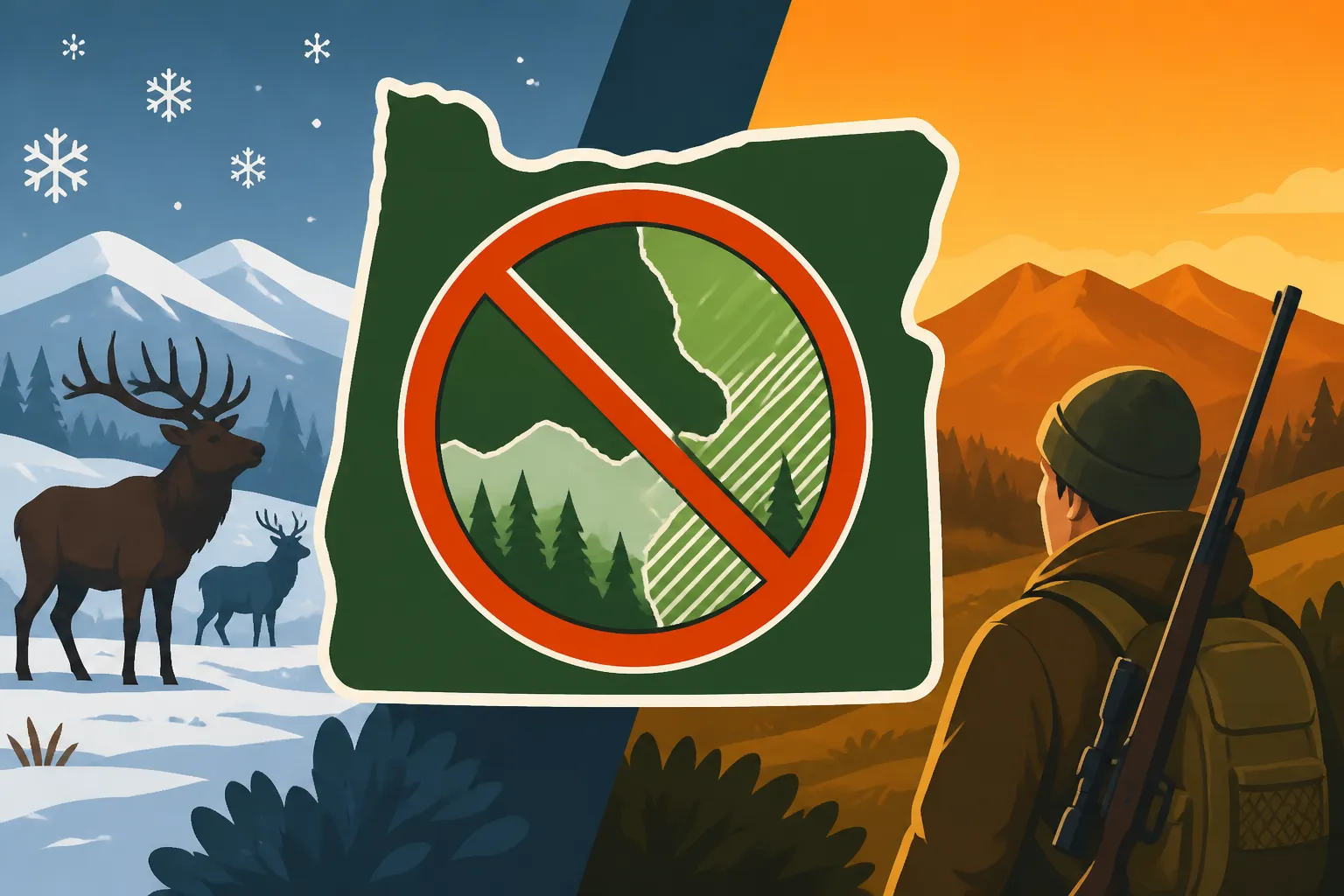
Oregon's stunning landscapes are home to incredible big game, but these animals face significant challenges, especially during the colder months. Winter range closures aren't put in place to frustrate hunters; they're a vital conservation tool designed to protect vulnerable wildlife when their survival is most precarious. Understanding the "why" behind these closures can help you appreciate their importance and plan your hunts more effectively.
Why Wildlife Needs Sanctuary: Stress and Survival
Imagine trudging through deep snow, the cold seeping into your bones, and food becoming scarcer by the day. This is the reality for many big game animals in Oregon during winter. Forage is limited, temperatures plummet, and movement becomes incredibly energy-intensive. Any unnecessary stress during this period can deplete an animal's fat reserves, making them more susceptible to disease, predation, and ultimately, starvation.
Winter range closures aim to provide these animals with undisturbed sanctuary. By limiting human activity, including hunting, recreation, and even general vehicle access, wildlife can conserve precious energy. This is particularly crucial for pregnant cows and does, as the stress of winter can directly impact the survival rates of their unborn or newly born offspring. It’s about giving them a fighting chance to make it through to spring in good condition, ready to reproduce and sustain healthy populations.
Ecological Reasons for Specific Closure Areas
The specific locations of winter range closures are far from arbitrary; they are determined by critical ecological factors. Wildlife biologists identify areas that are essential for winter survival, often characterized by specific habitat types, south-facing slopes that melt snow faster, or lower elevations where snow depth is less severe. These areas typically offer what little forage remains available, thermal cover from harsh weather, and escape routes from predators.
For example, a low-elevation juniper and sagebrush flat might be a vital wintering ground for mule deer in Eastern Oregon because it provides crucial browse and sparse snow cover. Conversely, a dense timber stand in the Coast Range might offer necessary thermal protection for elk from relentless rain and wind. These closures protect not just the animals, but the fragile winter habitat itself, preventing disturbance to crucial food sources and bedding areas during the most vulnerable time of year.
Common Closure Triggers and Species Affected
While many winter range closures follow a predictable schedule, sometimes closures can be triggered or extended by unusually harsh weather conditions. Severe cold snaps, prolonged periods of deep snow, or late-season storms can force wildlife agencies to implement emergency closures or extend existing ones to prevent widespread animal mortality. The Oregon Department of Fish and Wildlife (ODFW) constantly monitors these conditions and makes decisions based on the immediate needs of the animals.
The species most commonly affected by these closures are mule deer and elk. Mule deer, particularly in Eastern Oregon, are highly susceptible to winter conditions, and their migration patterns often lead them to designated winter ranges. Similarly, elk in both Eastern and Western Oregon depend on specific areas for winter survival. Other species, like bighorn sheep and even some upland birds, can also be impacted by localized closures designed to protect their critical winter habitats. Understanding the typical timing of these closures—often starting in December and extending through March or April—is paramount for planning your late-season hunts.
Navigating the Maze: How to Identify and Verify Closure Areas
Successfully hunting in Oregon during the late season means being intimately familiar with access regulations, and winter range closures are a significant part of that equation. Relying on outdated information or assumptions can lead to fines, losing valuable hunting time, or inadvertently disturbing vulnerable wildlife. Thankfully, there are clear, reliable resources available to help you navigate these restrictions.
Official ODFW Resources and Online Maps
The absolute best place to start your research for any Oregon hunt, including checking for winter range closures, is the official ODFW website. Their site contains a wealth of information, including the annual Hunting Regulations pamphlet, which details season dates, specific unit boundaries, and often lists major winter range closures by unit or specific geographic area. It’s crucial to know your hunt unit and reference the current year's pamphlet, as rules can change. You can also often find alerts and updates on their news section or dedicated pages for specific game species.
Beyond the pamphlet, ODFW also provides online mapping tools. While these may not always show every single gate or micro-closure, they often delineate larger winter range closure boundaries, particularly on state wildlife areas or other high-priority zones. These maps are invaluable for visualizing where these protected areas lie in relation to your chosen hunting grounds. Always remember to check for the Oregon Regulation Pamphlet Release Date to ensure you're working with the most current information.
Checking Forest Service and BLM Websites
Much of Oregon's public hunting land falls under the jurisdiction of the U.S. Forest Service (USFS) and the Bureau of Land Management (BLM). These federal agencies also implement winter range closures, often independently or in conjunction with ODFW. If your hunt takes you onto National Forests or BLM lands, it is absolutely vital to check their respective district websites. For instance, if you're hunting in the Ochoco National Forest, you'll want to visit their specific page for news releases, forest orders, and recreation maps that detail road closures and designated winter ranges.
These federal sites will often have "Motor Vehicle Use Maps" (MVUMs) that show which roads are open, closed seasonally, or permanently closed. While not all road closures are for winter range protection (some are for general resource protection or road maintenance), many are. Remember, a closed road within a winter range usually means no entry by any motorized or often even non-motorized means, including foot traffic, to prevent disturbance. Familiarizing yourself with these maps is a key part of Reading a Travel Management Area Map Before You Drive, as some TMAs might overlap with winter ranges.
Leveraging Hunt Planning Tools like GoHunt
In today's digital age, powerful hunt planning tools can be a game-changer for navigating complex regulations like winter range closures. Platforms like GoHunt offer incredible layering capabilities, allowing you to overlay public land boundaries (National Forest, BLM, State Land), private land ownership, and often, specific winter range closure zones directly onto satellite imagery. This visual representation can quickly show you where an area you've scouted might become off-limits during your late hunt.
Many hunters find platforms such as GoHunt incredibly helpful for pre-season E-scouting Oregon units with satellite imagery. You can mark potential access points, identify alternative routes, and understand how a closure might funnel animals into adjacent open areas. While these tools are fantastic, always cross-reference the information with official ODFW, USFS, or BLM sources, as boundary data or temporary closures can sometimes be updated faster by the managing agencies themselves. A tool like GoHunt is an excellent complement to, but not a replacement for, direct official sources.
The Real Impact: How Closures Affect Late-Season Hunting Opportunities
Winter range closures don't just put up a fence; they fundamentally alter the landscape for both wildlife and hunters. Understanding these shifts is crucial for adapting your strategy and maintaining a realistic expectation for your late-season hunt. The impacts can range from reduced access to increased hunting pressure in remaining open areas, requiring a more nuanced approach from even the most seasoned hunters.
Reduced Access and Dispersed Animals
The most immediate and obvious impact of winter range closures is the direct reduction in accessible hunting ground. Areas that might have been open during earlier seasons, or that serve as prime habitat for a good portion of the year, suddenly become off-limits. This can be particularly frustrating if you've spent significant time scouting these very areas. This means that animals that typically utilize these zones are either pushed into adjacent open areas or forced to migrate to alternative, sometimes less optimal, habitats.
For hunters, this means your "honey hole" might be closed, and the animals you planned to pursue there are now somewhere else. This can make patterning animals more difficult, as their normal routines are disrupted. It emphasizes the importance of having multiple backup plans and being prepared to hunt unfamiliar territory. Furthermore, the closure might also restrict access to other open areas, forcing longer hikes or entirely different entry points, which directly impacts the Public Land Hunting in Oregon: Forest, BLM and State available to you.
Increased Pressure on Open Areas
When vast tracts of winter range are closed, the available hunting ground shrinks considerably. The natural consequence is that hunting pressure intensifies in the remaining open areas. More hunters are funneled into smaller zones, leading to greater competition for the same animals. This increased pressure can make animals more wary, pushing them deeper into cover, or making them largely nocturnal.
For hunters targeting specific game, like mule deer, this can be particularly challenging. When Oregon mule deer winter range is closed, deer concentrate in fewer locations, but so do hunters. This means you might encounter more vehicles, more foot traffic, and the sound of more gunshots. This heightened activity often necessitates a change in tactics, perhaps focusing on quieter, harder-to-reach pockets, or adapting your hunting times to catch animals during brief periods of activity. It requires patience and a willingness to get away from the crowds.
Strategic Adjustments for Success
To succeed in a landscape shaped by winter range closures, you'll need to make strategic adjustments. First, and foremost, is flexibility. Your ideal hunting spot might be closed, so having several contingency locations in mind is critical. Consider areas adjacent to known winter ranges; animals pushed out of closed areas will often stage in these transitional zones before moving further. Looking at a tool like GoHunt and checking current Oregon road closures before you go is essential.
Secondly, focus on harder-to-access areas within open zones. While popular roads and trails will see increased pressure, deep timber, steep canyons, or areas requiring a longer hike might hold animals that have avoided the crowds. This is where your physical fitness and willingness to put in extra effort truly pay off. Finally, adapting your hunting style can also be beneficial. Instead of relying on long-range glassing in more open country, you might need to embrace still-hunting or spot-and-stalk tactics in dense cover to intercept animals moving between bedding and feeding areas.
Smart Planning: Adapting Your Late Hunt Strategy
Successfully navigating late-season hunting in Oregon, especially with the added complexity of winter range closures, boils down to proactive planning and a willingness to adapt. Don't wait until opening morning to figure out which gates are locked; do your homework well in advance. This preparation will not only save you frustration but can significantly increase your chances of success.
Pre-Season Scouting with Closures in Mind
The best time to deal with winter range closures is long before your hunt even begins. When you're doing your initial scouting, whether that's boots-on-the-ground reconnaissance or in-depth e-scouting, always factor in potential winter closures. Use the resources mentioned earlier—ODFW maps, Forest Service orders, and advanced mapping platforms like GoHunt—to identify areas that historically close for the winter.
Even if you're scouting in summer or early fall, mark these potential closure boundaries on your maps. This allows you to identify alternative routes and potential backup hunting areas well in advance. Think about where animals might be pushed to if their preferred wintering grounds are closed. Are there adjacent public lands with good cover and forage that remain open? Are there specific travel corridors that might be used by displaced animals? Knowing your hunt unit, like those outlined in Oregon's Wildlife Management Units and New Hunt Areas, and its typical closure patterns is key. The more detailed your pre-season plan, the less scrambling you'll do when faced with a locked gate.
Alternative Hunting Areas and Tactics
Once you've identified potential closures, it's time to develop alternative hunting areas and tactics. Don't put all your eggs in one basket. If your primary spot is likely to be closed, have two or three solid backup locations researched and ready. These alternative spots should offer similar habitat characteristics to what you're looking for, or at least provide suitable cover and feed for the animals you're pursuing.
Consider areas that are at slightly lower elevations or on south-facing slopes but are outside the designated winter range closure boundaries. These transitional zones can act as crucial staging areas for game. For mule deer, this might mean focusing on juniper draws or rimrock edges just below major winter range boundaries. For elk, look for patches of dense timber that offer thermal cover but are not part of an official closed range. Your tactics might shift from glassing wide-open country to still-hunting through thick brush, or targeting specific game trails where animals are funneled by terrain or human pressure. Thinking about Hunting Clearcuts on Private Timber Land might also offer options, though these also have their own access rules.
Contingency Planning and Flexibility
Perhaps the most important aspect of adapting to winter range closures is cultivating a mindset of contingency planning and flexibility. Even with the best pre-season planning, unexpected closures due to severe weather can occur. Stay updated on ODFW news releases and local Forest Service alerts in the weeks leading up to and during your hunt. Being able to pivot your plans on short notice is invaluable.
This might mean being prepared to drive to a completely different part of your unit, or even having a backup plan in a different unit if conditions are particularly bad. Packing extra food, water, and emergency gear is always wise, but especially so when you might find yourself exploring less familiar terrain. Embracing the challenge and seeing it as an opportunity to discover new hunting grounds will make your late-season hunts more enjoyable and, ultimately, more successful. Remember, the animals are there, but they might not be where you initially expected them, and a flexible hunter is a successful hunter.
| Closure Type | Typical Agencies | Primary Reason | Affected Species | How to Check | Typical Duration |
|---|---|---|---|---|---|
| Winter Range | ODFW, USFS, BLM | Wildlife stress/survival, habitat | Deer, Elk, Bighorn | ODFW regs, agency websites, GoHunt | Dec 1 – Apr 30 (varies) |
| Travel Management | USFS, BLM | Resource protection, quiet areas | All game | MVUMs, agency websites, Reading a Travel Management Area Map Before You Drive | Seasonal or year-round |
| Emergency | ODFW, USFS, BLM | Severe weather, fire | All game | Agency news releases, ODFW alerts | Temporary, conditions-dependent |
| Private Land | Timber Companies | Habitat, re-seeding, public safety | All game | Company websites, Hunting Clearcuts on Private Timber Land | Seasonal, often company-specific |
Disclaimer
The information provided in this guide is for general informational purposes only and is subject to change. Hunting regulations, seasons, and access restrictions in Oregon can vary significantly by year, unit, and specific land ownership. Always consult the official Oregon Department of Fish and Wildlife (ODFW) hunting regulations pamphlet, relevant federal (USFS, BLM) and state agency websites, and local land management offices for the most current and accurate information before planning any hunting trip. It is the hunter's responsibility to know and comply with all applicable laws and regulations.