Oregon Regulation Pamphlet Release Date
The annual wait for the new Oregon hunting regulations can feel like an eternity, leaving you staring at last year's pamphlet, wondering what's changed and when you can finally get your hands on the official word. It's a real headache trying to plan scouting trips or even just dream about the season without knowing the precise dates, unit boundaries, or new rules. This comprehensive guide will walk you through the typical release schedule for the Oregon Big Game Regulation Pamphlet, help you understand why it takes time, and show you exactly where to find the crucial information you need to prepare for a successful hunt.
Understanding the Annual Regulation Cycle
It’s easy to get frustrated when you’re eager to plan your hunts and the new regulations aren't out yet. But there's a good reason for the wait, and it's all tied into a complex, public process designed to manage Oregon's wildlife resources responsibly. The Oregon Department of Fish and Wildlife (ODFW) doesn't just pull these dates and rules out of a hat; they go through a thorough, often lengthy, process that involves data collection, public input, and commission approval. Understanding this process can help temper expectations and give you insight into why the pamphlet isn't always available when you'd ideally like it to be.
The Oregon Fish and Wildlife Commission's Role
At the heart of setting hunting regulations in Oregon is the Oregon Fish and Wildlife Commission. This seven-member board, appointed by the Governor, holds public meetings throughout the year to discuss and ultimately approve rule changes. Their decisions are based on recommendations from ODFW staff, scientific data on herd health, habitat conditions, and of course, feedback from hunters and the general public. These aren't quick meetings; they involve deep dives into population statistics, harvest reports, and management objectives for species like deer, elk, bear, and cougar. When you're waiting for those regulations, remember that the Commission is meticulously weighing a lot of factors to ensure sustainable hunting opportunities for years to come. This commitment to thoughtful decision-making is why attending or reviewing summaries of the Oregon Commission Meetings on Hunting Rules can be incredibly insightful, offering a sneak peek into potential changes well before the final pamphlet is printed.
Timeline of Decision Making
The process of setting regulations is a year-round affair that culminates in the approval of the big game regulations. It generally starts in the fall and winter with ODFW staff analyzing past season data, conducting wildlife surveys, and formulating proposals. These proposals then go through various levels of review before being presented to the Fish and Wildlife Commission for public comment and final approval. Typically, the Commission will make its final decisions on big game regulations in late winter or early spring, often around January or February. However, just because the Commission makes a decision doesn't mean the pamphlet is instantly ready. There's a significant amount of work involved in compiling all the approved rules, drafting the pamphlet's content, creating maps, and ensuring accuracy across hundreds of pages of information. This includes details on specific hunt codes, bag limits, and important season dates for all the various species and regions.
When to Expect the Official Release
The biggest question on every hunter's mind each year is, "When will the regulations be released?" While there isn't one exact, unchangeable date stamped on the calendar, there's a predictable window that most seasoned Oregon hunters have come to expect. Knowing this timeframe helps you manage your anticipation and plan your next steps, whether that's applying for controlled hunts or just marking your general season dates. It's also worth noting that while the official release is when you get the full document, ODFW often provides earlier glimpses of key changes or season dates through their website, press releases, or social media channels.
Official Release Dates and Variations
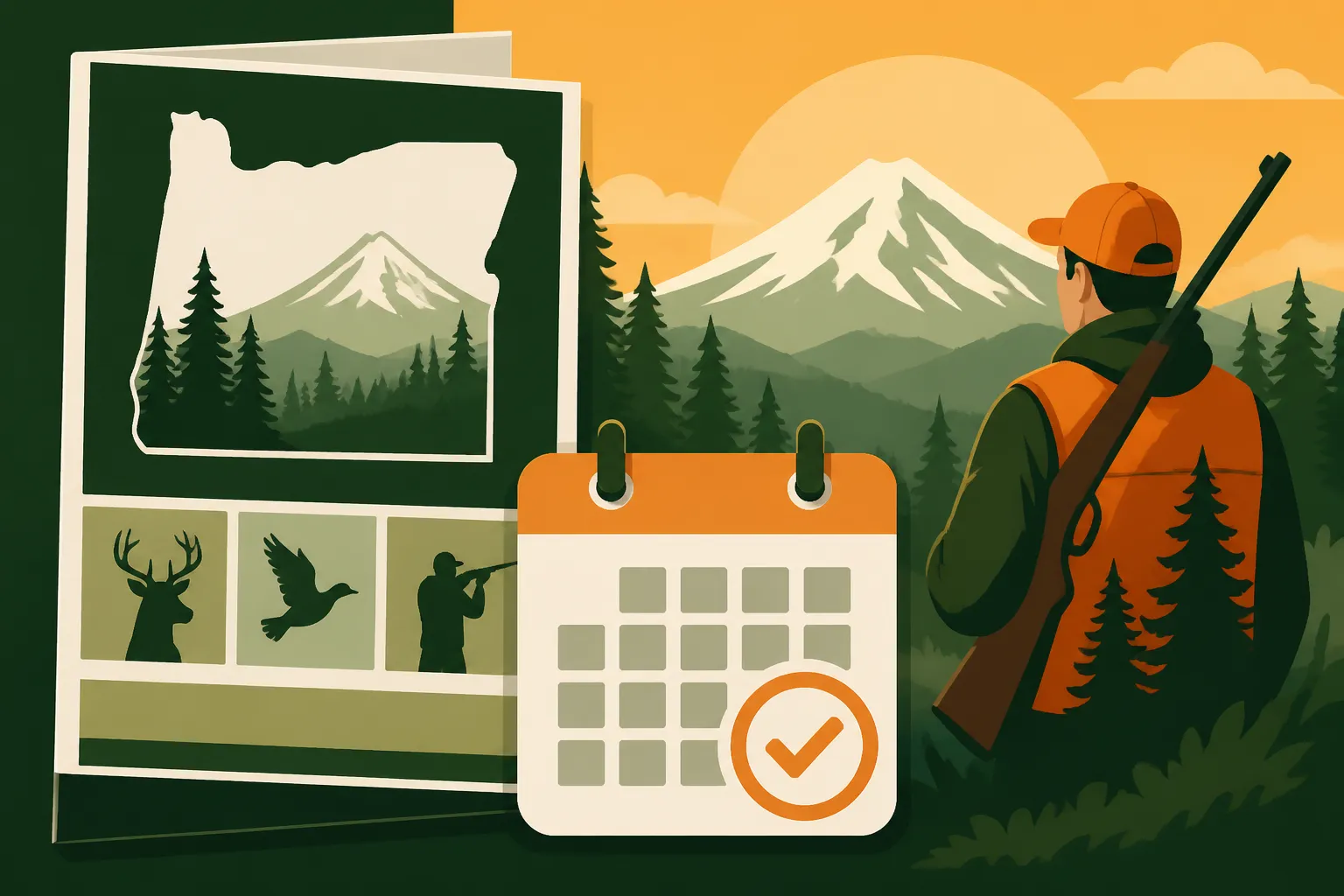
Historically, the Oregon Big Game Regulation Pamphlet is made available to the public in late March or early April. For example, in recent years, the digital pamphlet has often appeared online by the last week of March or the first week of April. The printed versions then follow shortly after, usually by mid-April, depending on printing and distribution schedules. It’s crucial to understand that these dates can shift slightly from year to year. Factors like unexpected Commission agenda changes, printing delays, or even significant regulatory overhauls (like the Oregon's 2026 Mule Deer Hunt Area Changes) can impact the exact release day. Always treat the prior year's release as a guide, but be prepared for minor fluctuations. Some platforms, like GoHunt, are often quick to update their databases and articles once new regulations are out, providing an early heads-up even before the official pamphlet might hit every physical store.
Here's a general table of what to expect:
| Event | Typical Timeframe | Details |
|---|---|---|
| ODFW Staff Proposals | Fall/Early Winter | Initial ideas and recommendations based on data and public input. |
| Commission Final Vote on Regulations | Late January – Mid-February | Official approval of season dates, hunt codes, and rules. |
| Digital Pamphlet Release | Late March – Early April | The complete regulation packet becomes available online. |
| Printed Pamphlet Distribution | Mid-April – Early May | Physical copies start appearing at ODFW offices, license vendors, and sporting goods stores. |
| Controlled Hunt Application Deadline | May 15th | Crucial deadline for applying to limited entry hunts, requiring review of the new regulations. |
Where to Find the Digital and Print Pamphlet
Once the regulations are officially released, finding them is quite straightforward. The primary source for the most accurate and up-to-date information is the Oregon Department of Fish and Wildlife (ODFW) website. They typically publish the entire regulation pamphlet as a downloadable PDF document. This digital version is usually available before the print copies and allows you to keyword search, zoom in on maps, and carry the entire regulations with you on your phone or tablet. This is usually the first place I check, refreshing the page regularly as April approaches.
For those who prefer a physical copy, printed pamphlets are distributed to ODFW offices across the state, as well as to authorized license agents and various sporting goods stores. Places like Bi-Mart, Fred Meyer, and independent tackle shops often have stacks of them once they arrive. It’s a good idea to call ahead to your local ODFW office or favorite sporting goods store to confirm they have them in stock before making a special trip. Remember, the Oregon Controlled Hunt Draw Explained requires you to be familiar with the new hunt codes, so getting your hands on that pamphlet, digital or physical, is essential well before the May 15th application deadline.
Navigating the New Regulations
Once you finally have the regulation pamphlet in hand, whether digitally or in print, the real work begins: digesting all that information. For a new hunter, or even a seasoned veteran, the sheer volume of rules, exceptions, and specific hunt codes can feel overwhelming. Don't just skim it! A thorough read-through is critical to avoid costly mistakes and to identify new opportunities. After all, your success often hinges on understanding the nuances of these rules, especially when it comes to things like legal hunting methods, specific boundary descriptions, or new access restrictions.
Key Changes to Look For Each Year
Every year, certain sections of the pamphlet tend to see more revisions than others. When you first get the new regulations, don't just jump to your favorite unit's dates. Start by looking for the "What's New for This Year" or "Highlights of Changes" section, which ODFW usually includes near the front. This is your cheat sheet for major updates. Beyond that, pay close attention to:
- Season Dates: While general seasons often remain consistent, specific controlled hunt dates can shift.
- Unit Boundaries and Descriptions: ODFW occasionally redefines unit lines or creates new hunt areas. Remember how Oregon's Wildlife Management Units and New Hunt Areas have evolved? Always double-check your intended hunting areas.
- Weapon Restrictions: Are there any new limitations or allowances for specific weapon types in certain areas or during particular seasons? This is especially relevant for muzzleloader hunters who need to be aware of Oregon Muzzleloader Equipment Rules.
- Reporting Requirements: Pay close attention to changes in Oregon Mandatory Harvest Reporting and the $25 Penalty rules, as non-compliance can hit your wallet and future hunting privileges.
- Access Rules: New Travel Management Areas (TMAs) or changes to existing ones are common. Make sure to read up on Oregon's Travel Management Areas Explained to avoid a citation or getting stuck behind a closed gate.
- Preference Point System Updates: The rules governing Oregon Preference Points and How They Work can see tweaks. Understand if anything has changed that impacts how you apply for tags.
- Tag Quotas: ODFW adjusts the number of tags available for various species and hunts based on population data. A slight change here can significantly impact your draw odds.
It's a lot, I know. But taking the time now saves you grief later. Think of it as homework for your hunting success. Many hunters use digital tools like GoHunt to quickly cross-reference their unit choices with the latest regulations, ensuring they don't miss any critical updates.
Tools and Resources for Understanding Your Unit
Beyond the official pamphlet, several other resources can help you fully grasp the regulations and how they apply to your specific hunting plans. These tools are invaluable for detailed planning, especially if you're exploring new areas or complex controlled hunts.
Firstly, ODFW’s online hunt planner and mapping tools can supplement the pamphlet's maps. These interactive maps often allow you to overlay unit boundaries with land ownership, providing a clearer picture of public versus private access. This is especially useful for understanding exactly where you can hunt in units with mixed ownership.
Secondly, don't underestimate the power of online communities and forums. Other experienced hunters often share insights and interpretations of complex regulations. Just remember to always cross-reference anything you hear with the official ODFW pamphlet, as misinformation can spread.
Thirdly, applications and websites designed for hunters, such as GoHunt, offer fantastic digital mapping solutions and regulation breakdowns. These platforms often integrate detailed maps with public land boundaries, private land ownership, and even specific unit regulations, making it much easier to visualize where you can hunt and what rules apply. They can also help with E-Scouting Oregon Units With Satellite Imagery by allowing you to view detailed terrain and access points alongside regulation information. When you're trying to figure out if that particular clearcut is within your legal hunting zone, Using the Oregon Hunting Map Online with these enhanced tools can save you hours of uncertainty and potentially prevent trespass.
Finally, if you're genuinely confused about a specific rule, don't hesitate to call your local ODFW district office. The staff there are incredibly knowledgeable and are the definitive source for clarification. It's always better to ask than to assume and risk a violation. They can also answer questions related to topics like Oregon Hunter Education Requirements or the specifics of obtaining different tags.
By diligently reviewing the new regulation pamphlet each year and utilizing these supplementary tools, you'll be well-prepared for whatever the Oregon hunting seasons throw your way.
Disclaimer
Please remember that hunting regulations can change, and it is always your responsibility as a hunter to consult the most current official Oregon Department of Fish and Wildlife (ODFW) regulations before participating in any hunting activity. This guide is for informational purposes only and should not be considered a substitute for the official ODFW Big Game Regulation Pamphlet.