Oregon Commission Meetings on Hunting Rules
It can feel incredibly frustrating to wake up one morning and find that a hunting rule you've always relied on has changed, or that a season structure you understood perfectly has been completely overhauled. For Oregon hunters, staying on top of these shifts isn't just about curiosity; it's about being able to plan your season, apply for tags correctly, and ultimately, be successful in the field. This comprehensive guide is here to demystify the process behind Oregon Fish and Wildlife Commission meetings, helping you understand how hunting rules are made, where you can find information, and most importantly, how your voice can be heard.
Understanding the Oregon Fish and Wildlife Commission's Role
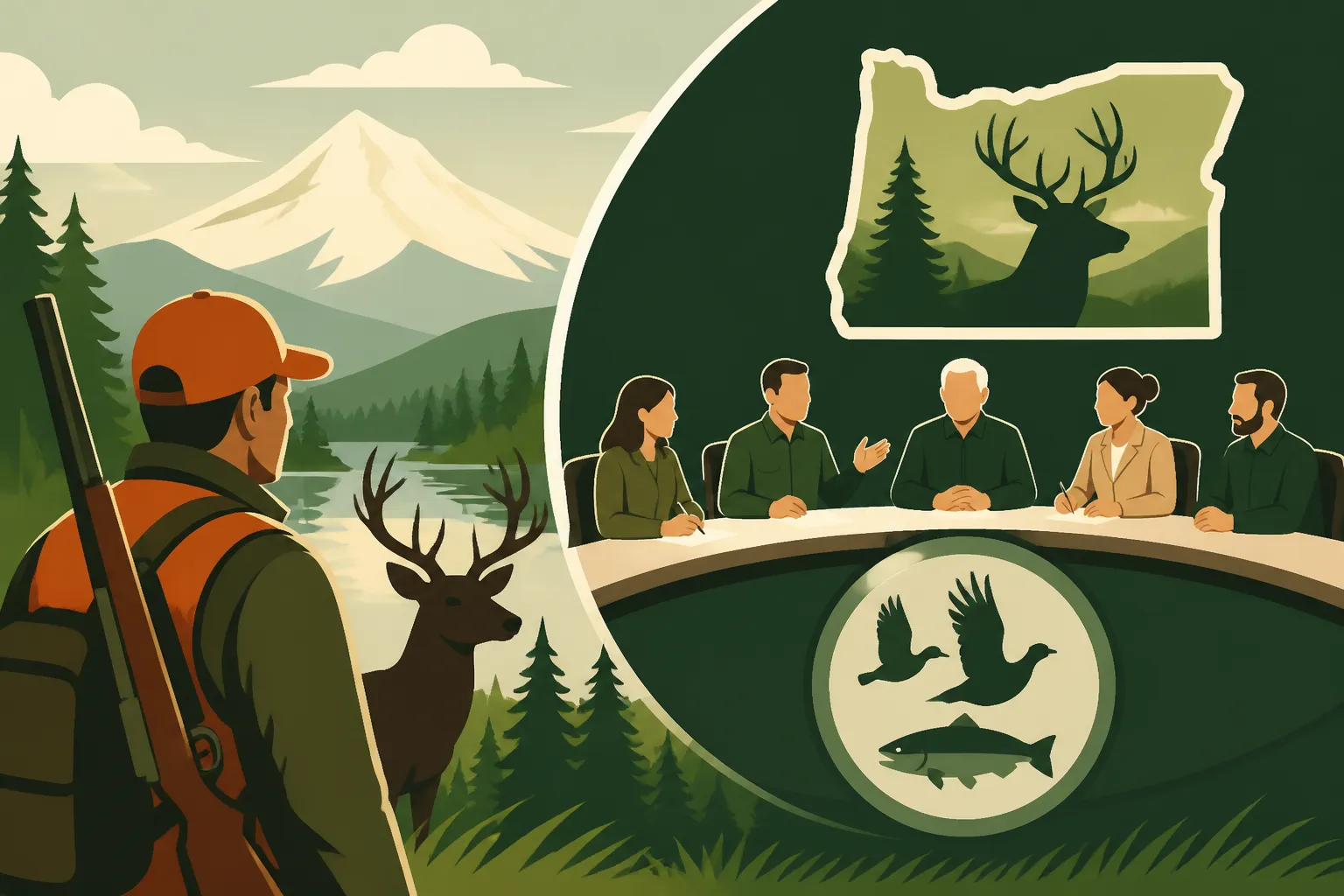
If you've ever wondered who ultimately calls the shots on deer seasons, elk tag numbers, or even what gear you can legally use in the field, look no further than the Oregon Fish and Wildlife Commission. They are the seven-member board appointed by the Governor, and they hold the critical responsibility for setting the policies and regulations that govern all hunting, fishing, and wildlife management in the state. It's a huge undertaking, and their decisions directly impact every hunter's experience.
The Commission's Mandate and Composition
The Oregon Fish and Wildlife Commission is tasked with the monumental job of conserving and enhancing Oregon's fish and wildlife resources for present and future generations. This isn't just about hunting; it covers everything from commercial fishing quotas to endangered species protection. These seven commissioners come from diverse backgrounds, usually representing different regions of the state and various interests, though they are all ultimately focused on the health of Oregon's wildlife. They bring different perspectives to the table, which means discussions can be lively and decisions can be complex.
Their decisions aren't made in a vacuum. The Oregon Department of Fish and Wildlife (ODFW) staff, a team of biologists, enforcement officers, and administrators, does the groundwork, research, and analysis that informs the Commission's choices. Think of the staff as providing the detailed homework and recommendations, while the Commission acts as the board of directors, making the final policy calls. This collaborative but distinct separation of duties is key to how Oregon manages its natural resources.
Authority Over Oregon's Wildlife Resources
The Commission's authority extends to virtually every aspect of wildlife management that impacts hunters. This includes setting open seasons, determining bag limits, establishing harvest quotas, and even defining legal methods of take. For example, decisions about the length of a general buck deer season or the number of limited-entry elk tags in a specific unit, like those impacted by Oregon's 2026 Mule Deer Hunt Area Changes, all pass through the Commission.
They also weigh in on broader policy issues, such as predator management, habitat conservation projects, and even responses to wildlife diseases. Without the Commission, there would be no unified direction for Oregon's wildlife management, leading to chaos and potentially unsustainable practices. Understanding that their decisions are the ultimate word on regulations is the first step to engaging with the process effectively.
How Hunting Rules Are Proposed and Reviewed
The process of changing or establishing a hunting rule isn't a quick or arbitrary one. It's a structured cycle that involves extensive research, public input, and multiple layers of review before a final vote is cast. This methodical approach is designed to ensure decisions are data-driven and consider a broad range of perspectives.
The Rulemaking Cycle and Annual Process
Oregon's hunting regulations are typically reviewed on an annual cycle, with major discussions around big game seasons usually peaking in late winter and spring for the upcoming fall seasons. The cycle often starts with ODFW staff identifying issues, observing population trends, or responding to concerns raised by hunters or landowners. For instance, if data shows that Oregon Mule Deer Numbers Are Falling in a particular herd range, staff will propose changes to harvest limits or season lengths to the Commission.
These proposals then go through various stages: initial staff recommendations, public comment periods, workshops, and multiple Commission meetings. It's a transparent process, albeit one that requires hunters to actively seek out information. Many savvy hunters use platforms like GoHunt, which often aggregates and tracks these proposed changes, helping them stay ahead of the curve rather than being caught off guard when the Oregon Regulation Pamphlet Release Date finally arrives.
ODFW Staff Recommendations and Public Input Periods
Before any decision is made, ODFW biologists and enforcement staff present detailed reports and recommendations to the Commission. These recommendations are based on scientific data, field observations, and management objectives for specific game species. For example, when considering changes to Oregon Elk Herd Numbers by Region, staff will provide data on calf recruitment, bull-to-cow ratios, and habitat conditions.
Crucially, throughout this process, there are specific periods dedicated to public input. These aren't just formalities; the Commission genuinely wants to hear from hunters, conservationists, landowners, and other stakeholders. You might be asked to provide feedback on proposed season dates, bag limits, or new regulations, such as those governing Trail Camera Rules on Oregon Public Land. Ignoring these opportunities means missing your chance to directly influence the outcome.
Participating in Commission Meetings: Making Your Voice Heard
Many hunters feel like their concerns go unheard, or that the process is too complicated to engage with. But the truth is, the Oregon Fish and Wildlife Commission wants to hear from you. Your personal experiences in the field, coupled with logical arguments, can absolutely sway decisions. It’s about knowing how and when to speak up.
Submitting Written Comments Effectively
One of the easiest yet most impactful ways to participate is by submitting written comments. When ODFW announces a proposed rule or a series of potential changes, they open a window for public comments. This is your chance to articulate your perspective without the pressure of speaking in a public forum. A well-crafted written comment is concise, clear, and provides specific reasons for your support or opposition. Instead of just saying "I don't like it," explain why you don't like it and what specific impact it might have on hunting in an area like the Oregon Coast Range Hunting Access.
Remember, quantity often matters less than quality. A single, thoughtful letter detailing a personal experience or a logical argument can carry more weight than a hundred identical form letters. You can often find links to submit comments on the ODFW website or through hunting advocacy groups. For a more detailed look at how to approach this, you might find guides like Submitting Comment on an Oregon Hunting Rule very helpful.
Speaking at Public Hearings and Workshops
For those who are comfortable speaking publicly, attending Commission meetings and offering verbal testimony is a powerful way to make an impact. These meetings are held several times a year in various locations across the state, and often virtually, making them more accessible. While it can be intimidating, remember that the commissioners are regular people, and they appreciate respectful, relevant input.
When you speak, be prepared. Know your facts, explain how a proposed rule would affect you or the hunting community, and offer constructive suggestions. Focus on specific issues, such as changes to Oregon Controlled Hunt Application Deadline or alterations to Oregon's Wildlife Management Units and New Hunt Areas. Limit your comments to the allotted time, usually just a few minutes, and avoid emotional outbursts. Your presence and personal story can lend a great deal of credibility to your position.
Key Decisions Made at Commission Meetings and Their Impact
The Commission's decisions ripple through the entire hunting community, affecting everything from your wallet to your time in the woods. Understanding the types of decisions they make helps you anticipate and prepare for changes.
Major Rule Changes and Their Implementation
Perhaps the most impactful decisions the Commission makes revolve around annual big game regulations. This includes the setting of season dates for deer, elk, bear, and cougar, as well as establishing controlled hunt tag numbers. For instance, whether there will be a significant increase or decrease in tags for Oregon Rocky Mountain Elk Season Structure is a direct result of their vote. These decisions often involve complex biological considerations mixed with public preference and resource management goals.
Another significant area of decision-making involves general rules of hunting conduct. This could include changes to allowable weapon types, rules for motorized access in areas with Oregon's Travel Management Areas Explained, or new requirements for Oregon Mandatory Harvest Reporting and the $25 Penalty. These changes are then published in the annual Oregon Game Bird, Big Game, and Furbearer Regulations manual, which GoHunt and other platforms often dissect and summarize for hunters.
How Decisions Affect Hunters Directly
Every decision made by the Commission has a direct bearing on hunters. If they reduce tag numbers, your odds of drawing a coveted tag diminish. If they adjust season dates, it might impact your ability to hunt due to work or family commitments. Even changes in Oregon Big Game Tag Costs for Residents and Nonresidents are a result of policy decisions influenced by funding needs and economic forecasts. It’s not just about the hunt itself, but the entire logistical framework surrounding it.
For example, a decision to impose Oregon Winter Range Closures That Affect Late Hunts could completely alter your strategy if you typically hunt during that time. It's why staying informed and participating in the process is so crucial. By understanding the context and rationale behind the Commission's decisions, you can better adapt your hunting plans and continue to enjoy Oregon's incredible outdoor opportunities.
Here’s a quick overview of the typical timeline for major hunting regulation decisions in Oregon:
| Stage | Approximate Timing | Key Activities |
|---|---|---|
| ODFW Staff Proposals | November – January | Biologists develop initial recommendations based on data and objectives. |
| Initial Public Hearings/Workshops | January – February | ODFW presents proposals, gathers early feedback. |
| Commission Meeting 1 (Review) | February – March | Staff presents proposals to Commission; initial discussion. |
| Formal Public Comment Period | March – April | Official window for written comments from the public. |
| Commission Meeting 2 (Decision) | April – May | Staff presents public comments; Commission debates and votes on final rules. |
| Regulation Pamphlet Release | Late May – Early June | Official regulations for the upcoming season are published. |
| Controlled Hunt Application Deadline | May 15 | Final application deadline for controlled hunts, based on new rules. |
Note: Specific dates and meeting schedules can vary year to year. Always check the official ODFW website for the most current information.
Disclaimer
This guide is intended for informational purposes only and does not constitute legal advice. Hunting regulations in Oregon can change frequently. Always consult the most current Oregon Department of Fish and Wildlife (ODFW) hunting regulations pamphlet and official ODFW resources before planning or engaging in any hunting activity. It is the hunter's responsibility to know and follow all applicable laws and regulations.