What the $25 Oregon Reporting Penalty Costs You
It's an all too common scenario for Oregon hunters: you spend months planning, scouting, and enduring the elements, maybe you fill your tag, maybe you don't. You come home exhausted, eager to relive the memories or plan next year's adventure, and then it hits you—the nagging thought about harvest reporting. Missing that deadline can feel like a minor oversight, but the $25 penalty from the Oregon Department of Fish and Wildlife (ODFW) isn't just a small fine; it can have significant repercussions for your future hunting seasons. This guide will walk you through exactly what that penalty means and, more importantly, how to avoid it.
Understanding the Oregon Harvest Reporting Mandate
Harvest reporting often feels like just another piece of administrative paperwork in the hunting process, but it's a critical component of wildlife management in Oregon. Without accurate data from hunters, ODFW would be flying blind when it comes to making crucial decisions about herd health, tag allocations, and season structures.
Why Harvest Reporting Matters to ODFW
Think of it this way: every time you report a harvest, or even an unfilled tag, you're contributing a piece of data to a much larger puzzle that ODFW biologists are trying to solve. This information helps them understand hunter success rates, assess the overall health of game populations, track trends in specific units, and monitor the impact of environmental factors or predation. For instance, if fewer hunters are reporting elk harvest in a particular unit over several years, it might signal a decline in the herd, prompting ODFW to adjust future tag numbers or investigate further. Your individual report, when combined with thousands of others, creates a robust dataset that informs the decisions that ultimately benefit all hunters and the wildlife we cherish. It’s about ensuring sustainable hunting opportunities for generations to come, not just for next season.
What Exactly Needs to Be Reported?
The reporting mandate in Oregon covers quite a broad spectrum of game animals. Generally, if you've purchased a big game or turkey tag, you're required to report on it, whether you harvested an animal or not. This includes tags for deer, elk, bear, cougar, pronghorn, bighorn sheep, Rocky Mountain goat, and turkeys (both spring and fall seasons). The specific reporting deadlines are crucial and often trip hunters up. For most big game hunts, including deer and elk, the deadline is typically January 31st of the following year, regardless of when your specific hunt season ended. However, for some earlier hunts, like spring bear, or specific late-season opportunities, the deadline might be earlier, usually tied to a few weeks after the season's close. Always double-check the current Oregon Big Game Regulations for the precise dates applicable to your tags. Failure to report any of these tags by their respective deadlines will trigger the penalty.
Deconstructing the $25 Penalty
When you fail to report a harvest, ODFW isn't just looking to collect a minor fine; they're implementing a consequence designed to ensure compliance and, by extension, the integrity of their data collection. This penalty can be a real headache, not just financially, but in terms of future hunting plans.
The Financial Hit and What It Means
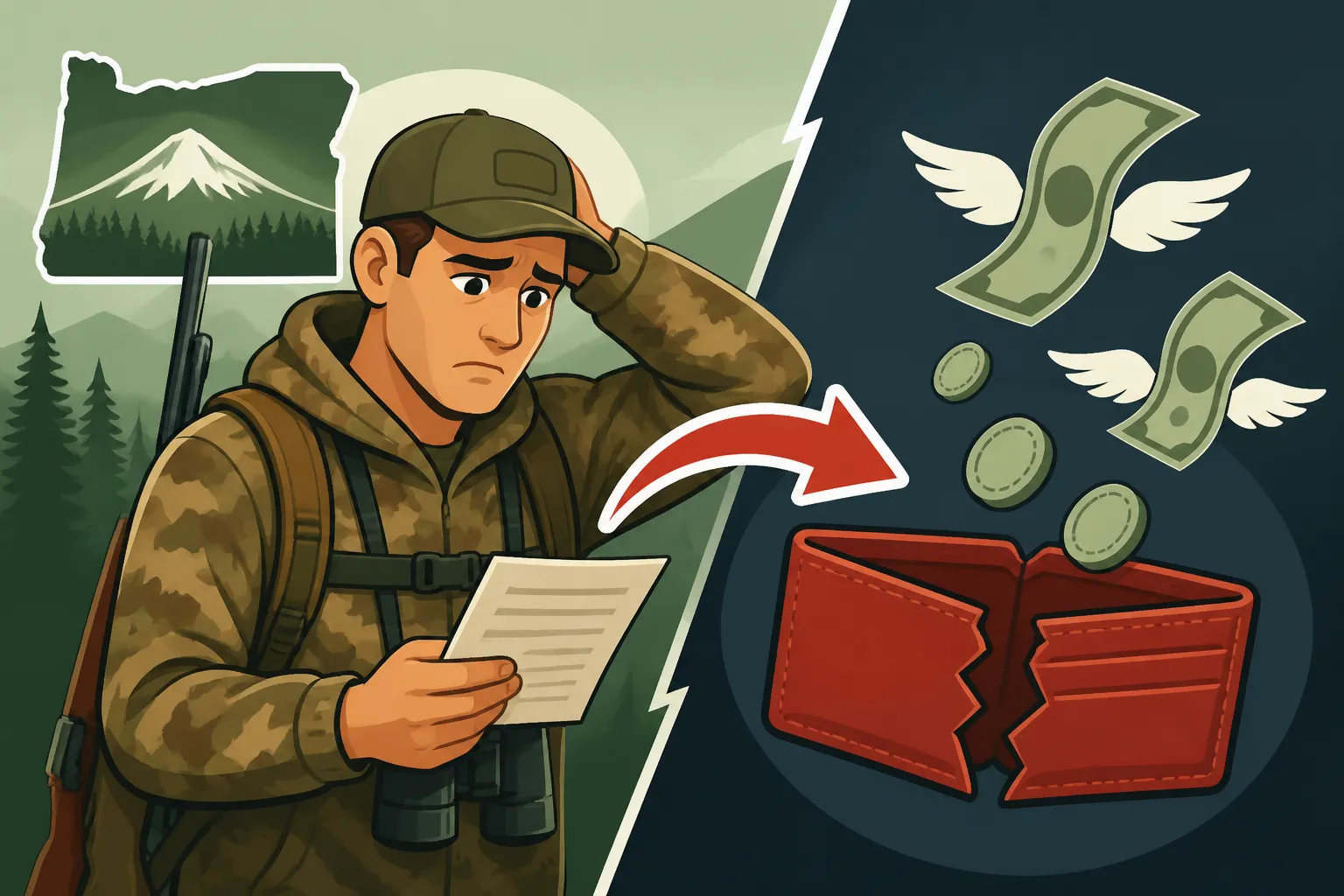
The most immediate and obvious aspect of the penalty is the $25 charge itself. It's a straightforward fee assessed for each individual big game or turkey tag that goes unreported by its deadline. This might not sound like a huge sum on its own, but it can quickly escalate. Imagine a hunter who bought an elk tag, a deer tag, and a spring turkey tag, then had a busy fall and winter and forgot to report any of them. Suddenly, that's three separate $25 penalties, totaling $75. It's an unnecessary expense, and for many hunters who are already budgeting carefully for licenses, tags, and gear, it stings. It's also a frustrating way to part with your hard-earned money, especially if you didn't even harvest an animal but still get penalized for not reporting an unfilled tag.
How the Penalty Impacts Future Hunting Eligibility
Here's where the $25 penalty becomes a much bigger deal than just a monetary fine. The most significant consequence of failing to report your harvest is that you will be ineligible to purchase any big game or turkey tags for the entire next year's hunting season. This isn't just about the $25; it's about missing out on crucial opportunities, especially for those highly sought-after controlled hunts you've been building preference points for.
If you have an outstanding penalty, the ODFW licensing system will block you from buying any new big game or turkey tags, and this often extends to applying for controlled hunts as well. So, if you forget to report your general season deer tag this year, you won't be able to buy an elk tag, apply for that coveted Bighorn Sheep tag, or even purchase an over-the-counter bear tag next season. This can mean a whole year on the sidelines, which is a devastating blow for dedicated hunters. To regain eligibility, you must pay all outstanding penalties and then complete all overdue harvest reports. Only then will the restriction be lifted, allowing you to purchase tags for the current season, assuming you haven't missed application or purchase deadlines in the meantime. Many hunters discover this problem in May when applying for controlled hunts, or in the summer when general season tags become available, by which time it might be too late to secure certain opportunities. It's a harsh lesson for a simple oversight.
Avoiding the Reporting Headache
Nobody wants to face that $25 penalty, let alone miss out on a year of hunting. The good news is that avoiding it is entirely within your control with a little proactive planning.
Strategies for Remembering Your Deadlines
The easiest way to avoid the penalty is simply to remember to report. This sounds obvious, but after a long, arduous hunt, it's easy to let it slip. My personal strategy, and one I recommend to fellow hunters, is to tie harvest reporting to an inevitable post-hunt chore. For example, as soon as you get your meat processed or your head and hide to the taxidermist, make it a point to sit down and report. If you didn't harvest, make it a part of your gear cleaning routine.
Here are a few concrete ways to ensure you don't forget:
- Set Digital Reminders: Use your phone's calendar or a dedicated reminder app. Set multiple alerts, perhaps one a month out from the January 31st deadline, and another a week before. For tags with earlier deadlines, set a reminder as soon as you purchase the tag.
- Physical Notes: Stick a note on your hunting calendar, your refrigerator, or even your hunting pack. A visual cue can be incredibly effective.
- Buddy System: If you hunt with a partner, make a pact to remind each other. A quick text message to a hunting buddy can save both of you a lot of grief.
- Pre-Fill Information: Some hunters find it helpful to at least start the reporting process online shortly after their hunt, even if they don't submit it immediately. This way, some of the information is already entered, making the final submission quicker.
- Integrate with Hunt Planning: When you're using resources like the ODFW website to research Oregon's 2026 Mule Deer Hunt Area Changes or studying Oregon Controlled Hunt Draw Explained, make a note of the reporting deadlines relevant to the tags you're pursuing.
Utilizing Digital Tools for Easier Reporting
The Oregon Department of Fish and Wildlife has an online licensing system that makes reporting relatively straightforward. You simply log in to your account, navigate to the harvest reporting section, and input the required information. It's typically just a few clicks to indicate whether you harvested an animal, the date, location (by unit), and sex of the animal.
Beyond ODFW's direct portal, many modern hunters leverage other digital tools to help manage their season. Platforms like GoHunt offer advanced mapping features and draw odds, and while not directly tied to ODFW's reporting system, they can serve as a centralized hub for managing your hunt applications and dates. Imagine using GoHunt to plan out your strategy for Archery Elk Hunting Oregon's August and September Seasons, and then simultaneously creating a calendar event in your digital planner that reminds you to report that tag months later. Similarly, some hunters use apps like BaseMap or onX Hunt to mark locations or make notes, and these can sometimes be adapted to include reminders about reporting deadlines. The key is to find a system that works for you and use it consistently.
Table 1: Oregon Big Game & Turkey Harvest Reporting Deadlines & Penalties
| Tag Type | Typical Reporting Deadline | Penalty for Non-Reporting | Impact on Future Hunting |
|---|---|---|---|
| General Deer & Elk | January 31st (following year) | $25 per unreported tag | Ineligible for all big game/turkey tags next year |
| Controlled Deer & Elk | January 31st (following year) | $25 per unreported tag | Ineligible for all big game/turkey tags next year |
| Spring Bear | Mid-June (specific date varies) | $25 per unreported tag | Ineligible for all big game/turkey tags next year |
| Fall Bear & Cougar | January 31st (following year) | $25 per unreported tag | Ineligible for all big game/turkey tags next year |
| Pronghorn, Sheep, Goat | January 31st (following year) | $25 per unreported tag | Ineligible for all big game/turkey tags next year |
| Spring & Fall Turkey | Specific dates (check regulations) | $25 per unreported tag | Ineligible for all big game/turkey tags next year |
Always consult the current ODFW hunting regulations for precise dates and rules, as they can change annually.
Common Reporting Pitfalls and How to Navigate Them
Even with the best intentions, hunters sometimes fall into traps that lead to unreported tags. Knowing these common mistakes can help you steer clear of them.
Unfilled Tags: Still Need to Report
This is perhaps the most common reason hunters incur the $25 penalty. The misconception is that if you didn't harvest an animal, there's nothing to report. This couldn't be further from the truth in Oregon. ODFW requires you to report on every big game and turkey tag you purchase, regardless of whether it was filled or not.
Why is this "unsuccessful" data so important? It's simple: knowing how many hunters didn't harvest an animal, alongside those who did, gives ODFW a complete picture of hunter effort and success rates. This non-harvest data is just as valuable for population modeling and management as harvest data. It helps inform decisions like adjusting tag numbers, understanding pressure on game populations, and evaluating the effectiveness of seasons. So, even if your hunt for Roosevelt Elk in Western Oregon or Blacktail Deer Hunting in Oregon's Coastal Clearcuts didn't result in an animal on the ground, take five minutes to log into your ODFW account and report that you didn't harvest. It's a small effort for a big return in terms of wildlife management and your eligibility to hunt next year.
Technical Glitches and How to Get Help
While the online reporting system is generally robust, technical issues can arise. Websites can have maintenance outages, you might experience internet connectivity problems, or you could simply forget your login credentials. These are frustrating, but they are not an excuse for missing the reporting deadline.
If you encounter a technical issue:
- Try Again Later: If the website seems to be down, wait a few hours and try again. Don't leave it to the last minute if you can avoid it.
- Check ODFW Announcements: Often, ODFW will post notices about scheduled maintenance or known issues on their website or social media.
- Contact ODFW Customer Service: If you're having persistent problems logging in or navigating the system, call ODFW's licensing division directly. Their contact information is readily available on their official website. Be prepared to provide your hunter/angler ID number.
- Document Everything: If you're experiencing a technical issue close to the deadline, take screenshots of error messages, note down the date and time you tried to report, and keep a record of any communication with ODFW. This documentation might prove useful if you need to appeal a penalty, though prevention is always better than cure.
- Consider an Alternate Method: In rare cases, if the online system is completely inaccessible, ODFW might provide an alternative reporting method, such as a phone number or a physical form. These are usually exceptions, so always confirm with ODFW.
- Check Your Profile with Tools like GoHunt: While GoHunt isn't directly involved in ODFW's reporting, using such platforms for comprehensive hunt planning means you're generally more engaged with your hunting profile and potential deadlines. This holistic approach can reduce the chances of forgetting your ODFW login or missing crucial updates that could impact your ability to report. It’s all about staying organized.
Remember, the responsibility to report ultimately rests with the hunter. Proactive steps, from setting reminders to understanding the full implications of the penalty, will ensure you keep your hunting privileges intact and continue to enjoy Oregon's incredible hunting opportunities. Whether you're planning your strategy for Calling Bull Elk During Oregon's Archery Season or researching Glassing Sage and Juniper for Eastern Oregon Mule Deer, make sure reporting is always part of your plan.
Disclaimer
The information provided in this guide is for general informational purposes only and is not intended as legal advice. Hunting regulations, fees, and deadlines in Oregon are subject to change by the Oregon Department of Fish and Wildlife (ODFW). It is the hunter's sole responsibility to consult the most current official ODFW hunting regulations pamphlet and website for the most accurate and up-to-date information before applying for tags or heading afield. Failure to do so may result in penalties or loss of hunting privileges.