Oregon Upland Bird Validation
Hunting for upland birds in Oregon offers a fantastic way to extend your time afield, but navigating the specific licensing requirements can feel a bit like trying to find a chukar in a pile of rocks. Many hunters, especially those new to chasing pheasants, grouse, or quail, often get tripped up by the need for an additional "validation" beyond their standard hunting license. This comprehensive guide will clear up all the confusion, detailing exactly what Oregon's upland bird validation is, why it's necessary, how to acquire it, and crucial details to ensure you're hunting legally and effectively.
Understanding Oregon's Upland Bird Validation System
When you’re gearing up for a hunting season in Oregon, your general hunting license is the first and most fundamental piece of paperwork you’ll need. However, for specific types of game, the state requires additional endorsements or validations, and upland birds fall squarely into this category. It's not just about paying another fee; it's about funding vital conservation efforts and ensuring sustainable hunting opportunities for future generations.
What is Upland Bird Validation and Why Do You Need It?
At its core, Oregon's upland bird validation is an additional permit that grants you the legal right to hunt specific upland game bird species within the state. Think of it as a specialized license on top of your base hunting license, much like a salmon tag is required beyond your general fishing license. This validation isn't just a bureaucratic hurdle; it serves a critical purpose in wildlife management. The revenue generated from these validations directly supports various programs aimed at conserving and managing Oregon's diverse upland bird populations. This includes habitat restoration projects, research into bird populations and health, and efforts to create and maintain public hunting access. Without these funds, the robust populations of species like pheasants, quail, and grouse that we enjoy would simply not be possible. Failing to possess this validation while hunting these species can lead to fines and other legal consequences, turning what should be an enjoyable day in the field into a frustrating encounter with a game warden. It's a mandatory legal requirement that all hunters, regardless of residency, must adhere to when pursuing upland game birds.
It's easy to assume your general hunting license covers everything, especially if you're coming from a state with different regulations. However, Oregon distinguishes between big game, waterfowl, and upland birds with these specific validations. The extra step ensures that the hunters who directly benefit from these resources are also contributing directly to their stewardship. This investment helps maintain healthy bird numbers, improve public land access, and fund studies that inform season setting and bag limits, all of which directly enhance the quality of your hunting experience.
Which Species and Seasons Require This Validation?
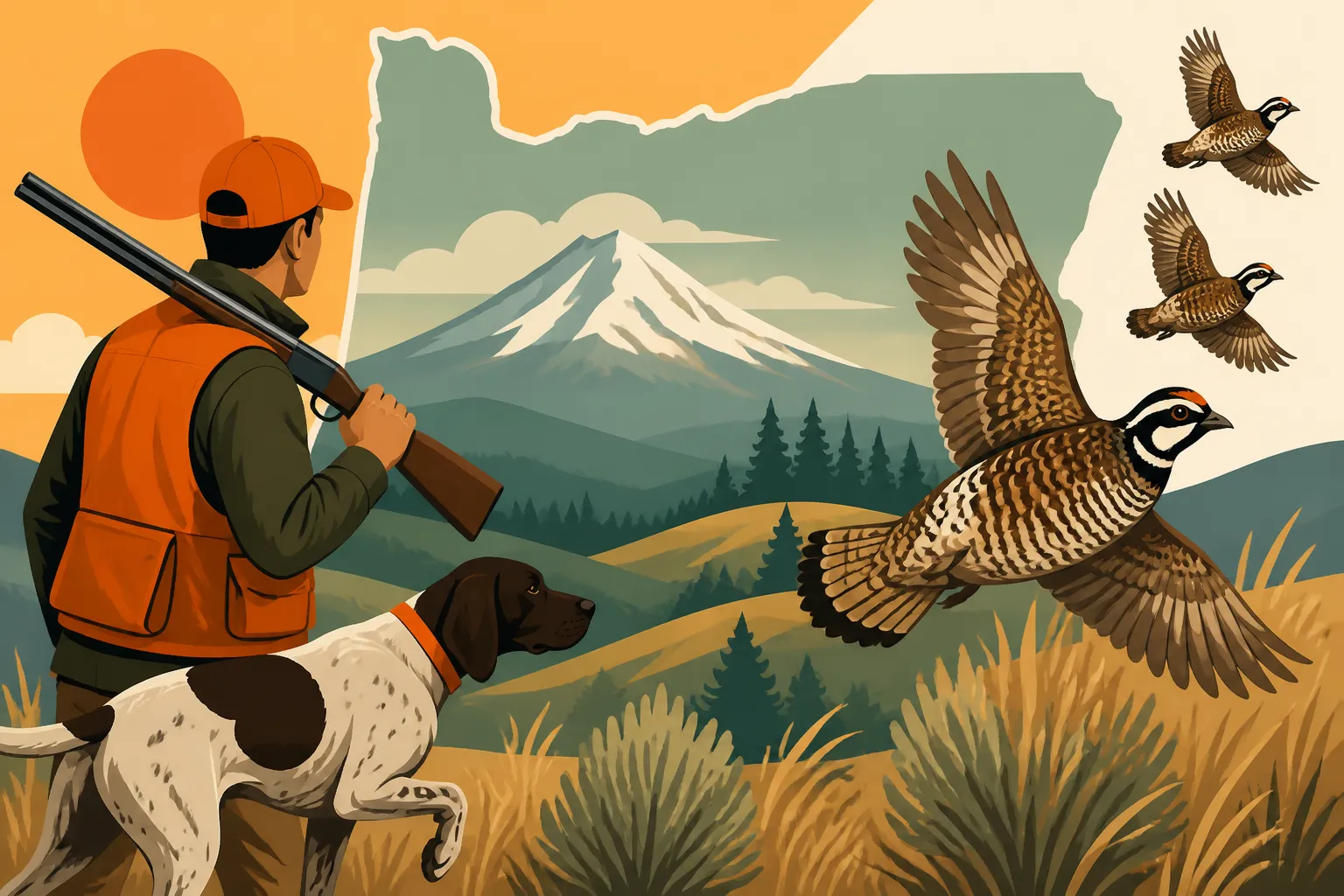
The Oregon Upland Bird Validation specifically covers a range of non-migratory game birds. These are the birds that spend their entire lives in terrestrial habitats, making them "upland" species. The validation is required for hunting pheasants, chukar, gray partridge, California quail, mountain quail, ruffed grouse, and blue grouse. Each of these species offers a unique hunting challenge and habitat, from the rugged, rocky terrain favored by chukar to the dense timber where you'll flush a ruffed grouse.
It's important to note that while turkeys are certainly upland birds, they often fall under a separate tag or permit system in Oregon rather than being included in the general upland bird validation. For instance, you'll need specific turkey tags for both spring and fall seasons. Always double-check the current Oregon Department of Fish and Wildlife (ODFW) regulations for the species you intend to hunt, as rules can vary. The validation covers all open seasons for these birds, which can range from early fall openers for grouse and partridge to later seasons for pheasant and quail, often extending into winter. Understanding the specific seasons and areas for each species is paramount. For example, knowing the nuances of hunting in Chukar and Quail Country in Oregon can significantly impact your success, as can understanding where to find Ruffed Grouse in Oregon Forests or spotting Blue Grouse at High Elevation. These birds often occupy very different ecosystems, so your strategy and even your gear will change depending on your quarry.
These species are typically pursued with shotguns and, for many, with the aid of well-trained bird dogs. The validation is your ticket to participate in these exciting hunts, whether you're working a field edge for pheasants in the Willamette Valley or climbing steep canyon walls for chukar in Eastern Oregon. Always be aware of the specific regulations for the Wildlife Management Unit (WMU) you are hunting, as bag limits, shooting hours, and even season dates can sometimes vary by region or specific habitat types.
Acquiring Your Oregon Upland Bird Validation
Getting your upland bird validation in Oregon is a straightforward process, designed to be accessible to all hunters. However, knowing the various avenues available and understanding the associated costs will save you time and prevent any last-minute stress before opening day.
Step-by-Step Purchase Process
Purchasing your Oregon Upland Bird Validation is generally quite simple. The most common and convenient method for many hunters is through the ODFW's electronic licensing system, often referred to as E-License. You can access this online portal from the comfort of your home, any time of day. This system allows you to purchase your base hunting license, the upland bird validation, and any other necessary tags or permits (like those for big game or turkey) in one go. You'll need to create an account or log in with your existing ODFW ID. Once purchased, you can often print your license and validations directly from your computer, or access them digitally on your phone. Many hunters find reviewing the Oregon Electronic Licensing System Login details helpful before they begin.
Alternatively, if you prefer an in-person transaction or need to purchase your validation while traveling, you can visit any authorized ODFW license vendor. These vendors are typically sporting goods stores, bait shops, and some general stores located throughout the state, especially in areas frequented by hunters. These locations have direct access to the ODFW licensing system and can print out your documents on the spot. Make sure to have your ODFW ID or necessary personal identification ready to streamline the process. While less common, some licensing processes can also be initiated over the phone by calling ODFW directly, though this option is usually reserved for specific situations or questions. Regardless of how you purchase it, it is absolutely essential to carry proof of your current hunting license and upland bird validation with you whenever you are afield. This could be a physical paper copy, a printed copy from the ODFW website, or a digital copy on a mobile device, depending on the current ODFW regulations for acceptable proof.
Costs and Residency Considerations
The cost of an Oregon Upland Bird Validation varies depending on whether you are an Oregon resident or a non-resident. Generally, resident fees are lower as residents already contribute to the state's conservation efforts through other taxes and fees. For non-residents, the fees are typically higher to help offset the impact on local wildlife resources, as they may not contribute to the state's tax base in the same way. It's crucial to understand ODFW's definition of residency to ensure you purchase the correct license. Generally, this involves living in Oregon for at least six consecutive months prior to applying for a license and intending to make Oregon your permanent home. Falsely claiming residency can lead to significant penalties.
A fantastic option for many resident hunters is the Oregon Sports Pac. This all-inclusive package often bundles your annual hunting and fishing licenses with several common tags and validations, including the upland bird validation. For many avid hunters and anglers, buying the Oregon Sports Pac Price for 2026 is a cost-effective way to cover a wide range of outdoor pursuits. It simplifies the purchasing process and can save you money compared to buying each item separately. When considering What the Oregon Sports Pac Includes, you'll find it's a great value if you participate in multiple hunting and fishing seasons throughout the year. For younger hunters, Oregon also offers specific youth license rates, making it more affordable to get kids involved in the sport. Information on Oregon Youth Hunting Licence Cost is readily available through ODFW and is designed to encourage the next generation of conservationists. Always check the current year's ODFW regulations or their website for the most up-to-date pricing, as fees can occasionally be adjusted.
Common Pitfalls and Important Considerations
Even experienced hunters can make mistakes, especially when regulations shift or when juggling multiple permits. Being aware of common misunderstandings and crucial regulatory details can save you a lot of headache and ensure your hunt is enjoyable and legal.
Avoiding Common Mistakes and Misunderstandings
One of the most frequent errors hunters make is assuming their general hunting license is enough for all game. It’s a classic trap! Oregon's system, like many other states, requires specific validations for certain game categories, and upland birds are definitely one of them. Forgetting your upland bird validation, or simply not realizing you needed one, is a sure way to end up with a citation from a game warden. Always double-check the regulations for the specific species you plan to hunt well before you head into the field.
Another common source of confusion is mistaking the state upland bird validation for the Federal Migratory Bird Hunting and Conservation Stamp, often called the "Duck Stamp." While both are federal requirements for hunting waterfowl (ducks, geese, etc.), the Duck Stamp is not required for hunting upland game birds like pheasants or grouse. They are entirely separate validations for different categories of birds. Make sure you understand the distinction and purchase only what is necessary for your intended quarry. Additionally, relying solely on outdated information or word-of-mouth can be risky. Always consult the official ODFW regulations pamphlet for the current year. Local unit-specific rules, such as special restrictions on Oregon's 300-Foot Rule Beside an Open Road or temporary closures due to fire danger (like what you'd find when Checking Oregon Fire Closures Before the Season), can also impact your hunt, even if your validation is in order. Using up-to-date resources, including online maps with public/private land boundaries and current regulatory overlays, is key. Platforms like GoHunt can be incredibly useful for digital scouting, helping you understand access points and avoiding inadvertently trespassing.
Harvest Reporting and Other Regulatory Details
Oregon, like many states, places a high value on accurate harvest data for managing its wildlife populations. For big game, this means mandatory harvest reporting, and while upland birds might not always have the same strict reporting requirements as a bull elk, it's still incredibly important to understand. Many upland bird hunters often overlook reporting requirements, but this data helps ODFW assess population health, adjust season lengths, and manage resources effectively. Ignoring this can lead to penalties, as explained in resources covering Oregon Mandatory Harvest Reporting and the $25 Penalty. Even if it doesn't result in a fine, participation is crucial for the health of the resource.
Beyond harvest reporting, remember that the upland bird validation is just one piece of the regulatory puzzle. You'll still need to adhere to all other general hunting regulations. This includes understanding and respecting bag limits and possession limits for each species, which can vary by day and by season. Knowing legal shooting hours is also vital; generally, hunting is permitted from a half-hour before sunrise to a half-hour after sunset, but always confirm these times. Furthermore, be mindful of method-of-take restrictions, such as allowable shot sizes, and any local ordinances concerning firearms or hunting near residences. Staying informed and compliant ensures you're a responsible and ethical hunter. Tools like GoHunt provide valuable regulatory information and mapping services, making it easier to research and plan your hunts within the legal framework.
Maximizing Your Oregon Upland Bird Hunting Experience
With your upland bird validation securely in hand, it's time to shift your focus to making the most of your time in Oregon's diverse uplands. A successful and enjoyable hunt isn't just about the paperwork; it's about preparation, knowledge, and honing your skills.
Preparing for Your Upland Adventure
Effective preparation is the bedrock of a great upland bird hunt. First and foremost, consider your gear. A reliable shotgun, appropriate for the species you're pursuing, is essential. For chukar or pheasants, a 12 or 20 gauge is common, with various shot sizes depending on the bird. Just as critical are your boots. Upland hunting often involves significant walking over rugged, uneven terrain, especially in places like the high desert for chukar or steep timber for grouse. Investing in high-quality, comfortable, and waterproof boots is paramount; neglecting this can quickly lead to blisters and a miserable experience, as anyone who has tackled Chukar Country Footwear and Fitness will tell you. Layers of clothing are also key, as weather can change rapidly in Oregon's varied landscapes. Durable, briar-resistant pants are a godsend when pushing through thick cover for pheasants or blacktail deer.
Beyond physical gear, mental and physical conditioning plays a huge role. Upland hunting can be physically demanding, requiring you to cover miles on foot, often uphill. Start a walking regimen before the season to build your stamina. Furthermore, mapping and navigation skills are non-negotiable. Modern technology offers incredible advantages here. Utilize GPS devices or smartphone apps with robust mapping features to scout potential areas, mark access points, and navigate confidently. Platforms such as GoHunt offer advanced mapping layers that can show public land boundaries (crucial for onX Layers for Oregon Land Status), topography, and even historical burn areas or clearcuts that can hold birds. Before you even step foot in the field, use these tools to e-scout and identify promising habitat.
Finding Birds and Improving Your Odds
Once you're in the field, finding the birds requires a keen understanding of their preferred habitats and behaviors. Each upland species has its own unique ecological niche. For instance, chukar are notorious for inhabiting steep, rocky, arid canyons with cheatgrass and sparse vegetation, making them incredibly challenging but rewarding quarry. Quail, both California and Mountain, often stick to brushy draws, riparian areas, and the edges of agricultural fields. Ruffed Grouse in Oregon Forests prefer dense, mixed timber with good understory cover, while Blue Grouse at High Elevation are typically found in more open, high-altitude conifer forests. Knowing these preferences allows you to focus your efforts in the right places.
Scouting isn't just for big game. Prior to the season, take walks or drives through potential hunting areas. Look for sign: feathers, droppings, dusting bowls, or even actual bird sightings. Paying attention to water sources in dry country can also be crucial for locating birds. The use of a well-trained bird dog can dramatically increase your success rate and enhance the overall experience. Dogs excel at finding birds, flushing them, and retrieving downed game, especially in thick cover. If you hunt without a dog, still-hunting slowly and pausing frequently to listen for flushes or calls can be effective. Consider the time of day; early mornings and late afternoons are often the most productive, as birds are typically more active during these periods. Finally, leverage online resources, including hunting forums, ODFW population reports, and data provided by services like GoHunt, which often compile historical harvest information and unit-specific details to help you narrow down promising areas for Finding Public Access in Oregon and your chosen upland bird species.
Disclaimer
Please remember that hunting regulations, license fees, and season dates are subject to change. While this guide provides comprehensive information, it is essential for every hunter to consult the official Oregon Department of Fish and Wildlife (ODFW) regulations for the current hunting season before heading afield. This information is typically available online and in physical pamphlets distributed by ODFW and authorized license vendors. Responsible hunting begins with knowing and following all applicable laws and regulations.