Oregon Elk Herd Numbers by Region
It can feel incredibly frustrating trying to get a clear picture of Oregon's elk populations. One year, you hear about a specific unit having incredible numbers, and the next, it feels like they've vanished. This constant flux makes planning your hunts, especially for a prized tag, a real challenge. This comprehensive guide is here to untangle the complexities of Oregon's elk herd numbers, breaking down regional differences and shedding light on the factors that influence these majestic animals across the state.
The Complex World of Oregon Elk Populations
Understanding elk numbers in Oregon isn't as simple as checking a single statewide tally. The state is vast and diverse, offering everything from dense coastal rainforests to arid high desert, and these varied habitats directly impact how elk thrive. Moreover, the Oregon Department of Fish and Wildlife (ODFW) manages two distinct subspecies: the larger, darker Roosevelt elk in Western Oregon and the more widespread Rocky Mountain elk dominating the eastern half of the state. Knowing which subspecies inhabits your target area is the first step in deciphering local population trends and understanding their behavior.
Why Elk Numbers Fluctuate
Elk populations are incredibly dynamic, constantly shifting due to a myriad of environmental and biological pressures. It's not just about how many cows drop calves in a given spring; it's about whether those calves survive their first year. Factors like severe winter weather, which can lead to increased mortality, or a particularly dry summer impacting forage quality, can have ripple effects on herd health for years. Habitat availability is also a huge driver; as timber harvests change, clearcuts regenerate, or wildfires reshape landscapes, the carrying capacity of an area for elk can drastically change, pushing herds to new areas or concentrating them in others. This often leads to that "here today, gone tomorrow" feeling for hunters who scout the same spots year after year.
Challenges in Counting Elk
Counting animals that live in dense timber, vast sagebrush flats, and rugged mountains is no easy feat. ODFW relies on a combination of techniques, primarily aerial surveys conducted from helicopters or fixed-wing aircraft, especially over winter ranges when elk are more concentrated and visible against snow. However, these surveys are expensive and can be hampered by weather, making them irregular in some areas. Ground surveys, trail cameras, and even hunter harvest data contribute to the overall picture, but each method has its limitations. Dense canopy in Western Oregon, for example, makes aerial counts extremely difficult, leading to broader estimates. Furthermore, the sheer scale of some eastern units means it's impossible to survey every acre, so biologists often extrapolate data from sample areas. This inherent difficulty in accurate counting means that official numbers are often estimates, and savvy hunters often layer this information with their own boots-on-the-ground scouting, sometimes even using digital tools like GoHunt to cross-reference public data with their observations. For those interested in how these numbers are crunched, a deeper dive into How ODFW Counts Big Game can be very insightful.
Western Oregon: Roosevelt Elk Strongholds
Western Oregon is the realm of the magnificent Roosevelt elk. These impressive animals prefer the dense, wet forests of the Coast Range and the western slopes of the Cascades, where they navigate thick timber and abundant undergrowth. Highway 97 generally serves as the dividing line for Oregon's two elk subspecies, so west of that highway, you're primarily in Roosevelt country. These herds are often less visible than their Rocky Mountain cousins, making them a unique challenge for hunters.
Coast Range Elk Densities
The Coast Range is arguably the heartland for Roosevelt elk in Oregon. Units like the Wilson, Trask, and Alsea are synonymous with "Roosie" hunting. Here, the elk often live in incredibly dense regenerating timber, making them notoriously difficult to spot. Population densities in these areas can be quite high, but the thick cover means you might walk right past them without ever knowing they're there. ODFW reports often show strong population objectives being met or exceeded in some of these units, though calf ratios can vary. The sheer volume of thick timber and private industrial forest lands can make access tricky, but where public access exists, the hunting pressure can also be significant. Hunters often focus on clearcuts, edges, and old logging roads, but the true challenge lies in still-hunting the dark timber. Understanding Oregon Roosevelt Elk Rifle Seasons in November is crucial for planning a hunt in these challenging but rewarding environments.
Cascade Foothills and Mountain Herds
Moving east from the Coast Range, the western slopes of the Cascade Mountains also hold healthy populations of Roosevelt elk, particularly in units like Santiam, McKenzie, and Indigo. These areas blend dense conifer forests with higher elevation meadows and volcanic features. Elk here can be influenced by heavy snowfall at higher elevations, pushing them down into lower winter ranges where they might be more accessible. The terrain is often steeper and more rugged than the Coast Range, requiring significant physical conditioning. While densities might not always be as high as the core Coast Range, the habitat still provides excellent cover and forage. Hunters in these zones often find elk in a mix of clearcuts, older growth timber, and riparian areas along drainages. The key here is often identifying good winter range and summer feeding areas, then figuring out migration corridors as the seasons change.
Eastern Oregon: Rocky Mountain Elk Territory
Eastern Oregon presents a vastly different landscape and, consequently, a different elk hunting experience. Here, you'll encounter the iconic Rocky Mountain elk, known for their larger antlers and preference for more open, sage-steppe, and conifer forests. The country is generally drier and more expansive, requiring different scouting and hunting tactics compared to the west side. If you're pondering the differences, our guide on How Roosevelt and Rocky Mountain Elk Differ offers a great comparison.
Blue Mountains and Northeast Herds
The Blue Mountains in Northeast Oregon are legendary for their Rocky Mountain elk hunting. Units like Wenaha, Sled Springs, and Starkey often boast some of the highest elk populations and consistently strong bull-to-cow ratios in the state. ODFW actively manages these herds, and careful stewardship has allowed these units to remain a draw for hunters from across the country. These areas feature a mix of dense Ponderosa pine forests, open grasslands, and rugged canyons. Elk here are often visible glassing across open hillsides, especially at first light and last light, but they can quickly disappear into timbered draws. Population estimates in these areas are often quite precise due to the more open habitat lending itself to aerial surveys. Hunting in the Blues typically involves more glassing, long walks, and often multi-day camps. For those considering a hunt here, understanding Oregon Rocky Mountain Elk Season Structure is absolutely vital for navigating the controlled hunt system.
Central Oregon's High Desert Elk
Further south in Eastern Oregon, units like the Ochoco, Paulina, and Maury Mountains also hold Rocky Mountain elk, though often in lower densities than the prime Blue Mountain units. This is high desert country, characterized by vast expanses of sagebrush, juniper stands, and isolated mountain ranges. Elk here are tough, resilient, and incredibly nomadic, often covering vast distances between water sources and forage areas. While populations here may not be as robust as the Blue Mountains, the challenge of hunting these wild, free-ranging animals in a starkly beautiful landscape is a huge draw for many. These herds can be particularly susceptible to drought conditions, which impact forage quality and calf survival. Tools like GoHunt can be invaluable for e-scouting these expansive landscapes, helping hunters identify water sources, timber pockets, and historical elk activity using satellite imagery and public land data.
Understanding ODFW's Data and Management
The Oregon Department of Fish and Wildlife (ODFW) is the primary source for all official elk population data and management strategies. Their work is critical in ensuring sustainable elk populations for future generations of hunters and wildlife enthusiasts. However, simply looking at raw numbers isn't enough; understanding the context behind them is key to truly grasping the state of Oregon's elk.
How ODFW Gathers Herd Information
As mentioned, ODFW utilizes a combination of aerial surveys, ground observations, and harvest data to estimate elk populations. They track specific metrics such as total population estimates, calf recruitment rates (the number of calves surviving to six months per 100 cows), and bull-to-cow ratios. These ratios are particularly important for hunt management, as they indicate the health and age structure of the bull population. For instance, a high bull-to-cow ratio often suggests a healthy, thriving herd with good opportunities for mature animals. If you're serious about digging into the specifics, the Reading an Oregon Big Game Statistics Report can provide granular data on specific units and herd ranges, including trends over several years. This data is regularly updated and informs the decisions made on tag allocations and hunt structures each year.
Impact of Management Zones and Herd Ranges
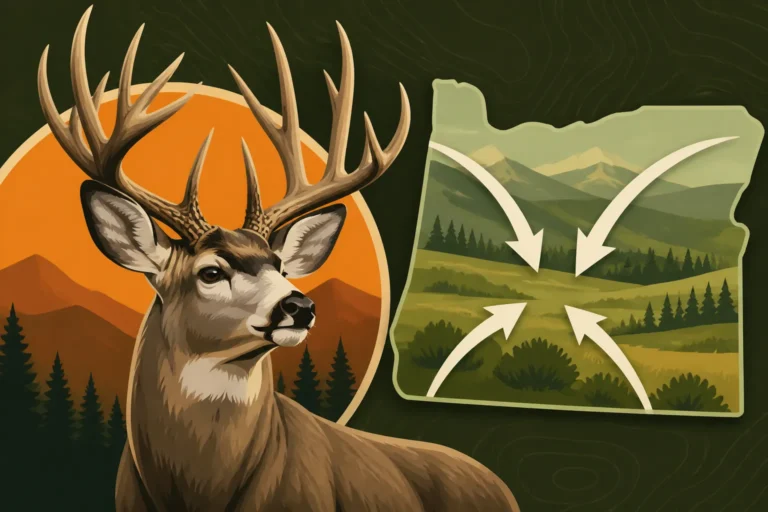
Oregon has transitioned to a system of "herd ranges" for management, which are larger, ecologically defined areas that encompass multiple older hunting units. This shift helps manage elk on a broader landscape scale, taking into account their movements and habitat use across administrative boundaries. Each herd range has specific population objectives and management plans tailored to its unique ecological conditions. For example, some herd ranges might prioritize population growth, while others might focus on maintaining a stable population to prevent overgrazing or address specific depredation issues. These management decisions directly influence the number of tags issued and the type of hunts available (e.g., antlerless hunts, spike-only hunts). Understanding these zones is crucial when using resources like GoHunt to analyze draw odds and plan your application strategy.
Factors Influencing Elk Herd Health and Numbers
Elk populations are incredibly sensitive to a variety of factors, both natural and human-induced. It's a delicate balance, and when one element shifts, it can have ripple effects throughout the entire ecosystem, directly impacting the number of elk you might encounter in the field.
Habitat, Weather, and Forage Quality
At the core of elk survival are healthy habitat, favorable weather patterns, and abundant, nutritious forage. Elk need a mosaic of cover for security and bedding, open areas for feeding, and reliable water sources. In Western Oregon, consistent rainfall usually ensures lush forage, but in Eastern Oregon, drought conditions can severely limit vegetation growth, leading to poorer body condition in cows and lower calf survival rates. Harsh winters, especially in the high country, can increase winterkill, particularly among calves and older animals. Conversely, a mild winter can lead to higher survival and a boost in recruitment. Wildfires, while destructive in the short term, can create beneficial new forage in the long term, making areas affected by Hunting a Recent Burn for Elk surprisingly productive in subsequent years. ODFW constantly monitors these environmental factors, as they are key indicators of future herd health.
Predation and Disease Pressures
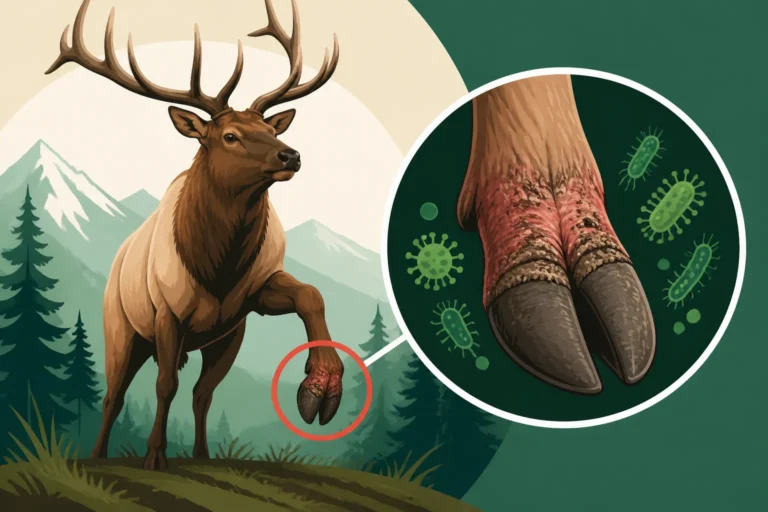
Predation by cougars and bears, and in some areas, wolves, plays a significant role in elk calf survival. While healthy elk herds can sustain some level of predation, an imbalance can suppress population growth. ODFW monitors Elk Calf Survival and Predation in Oregon closely, as a low calf recruitment rate can signal underlying issues that need attention. Furthermore, diseases can impact entire herds. One of the most concerning issues in Western Oregon, for example, has been Elk Hoof Disease in Western Oregon, a bacterial infection that causes severe lameness and can significantly impair an elk's ability to travel, forage, and escape predators. These diseases are complex, and their spread can be exacerbated by high elk densities. ODFW works to manage these issues, often by carefully adjusting tag allocations to maintain healthier population densities, as discussed in articles about Predator Prey Balance in Oregon Units and Hunting Near a Wolf Pack Territory.
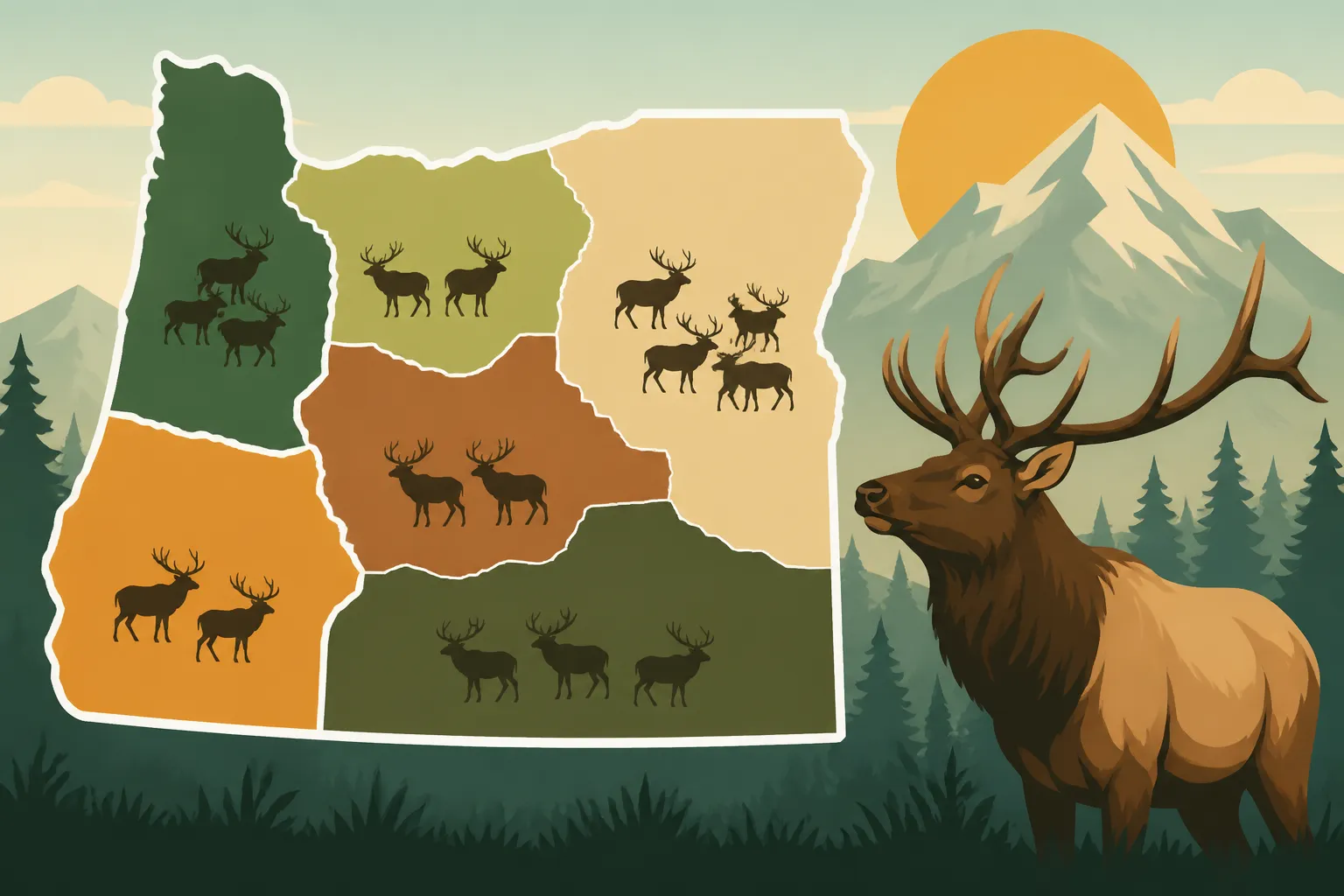
Regional Elk Population Overview
To give you a clearer picture, here's a general overview of elk populations by region in Oregon, reflecting ODFW's overall assessments. Keep in mind these are general trends and individual unit numbers can vary.
| Region | Elk Subspecies | General Population Trend (Last 5-10 Years) | Key Factors Influencing Trends | Typical Habitat | Hunting Challenge Level |
|---|---|---|---|---|---|
| Coast Range | Roosevelt | Stable to Slowly Increasing | Habitat management, disease (hoof rot), hunting pressure | Dense conifer forest, clearcuts, steep terrain | High (thick cover) |
| Western Cascades | Roosevelt | Stable | Habitat connectivity, winter severity, predation | Mixed conifer forest, volcanic terrain, alpine meadows | Medium-High (rugged) |
| Blue Mountains | Rocky Mountain | Stable to Slowly Declining (some units) | Predation (wolves, cougars), habitat changes, disease | Ponderosa pine, grasslands, rugged canyons | Medium (open country) |
| Central Oregon | Rocky Mountain | Stable to Slightly Declining | Drought, habitat fragmentation, predation | Sagebrush, juniper, isolated mountains | Medium-High (nomadic elk) |
| Southern Cascades | Rocky Mountain | Stable | Habitat availability, fire, winter severity | Mixed conifer, open slopes | Medium |
| Northeast Oregon (outside Blues) | Rocky Mountain | Stable | Habitat quality, agricultural interface | Grasslands, timbered draws | Medium |
Note: Trends are general and subject to change based on ODFW’s annual surveys and environmental conditions. Always check the most recent ODFW Big Game Regulations for specific unit information.
Disclaimer
The information provided in this guide is for general informational purposes only and is not intended as professional hunting or wildlife management advice. Regulations, season dates, and herd numbers can change rapidly. Always consult the most current Oregon Department of Fish and Wildlife (ODFW) regulations and resources before planning any hunting activity.