Hunting Near a Wolf Pack Territory
There's a natural unease that settles in when you realize the elk or deer you've been pursuing might now be sharing their territory with a new, formidable predator: wolves. Many Oregon hunters, myself included, have spent years honing our skills in specific areas, only to find that the dynamics of the hunt are shifting. It's not just about finding game anymore; it's about understanding how these apex predators influence everything from movement patterns to herd density. This guide aims to help you navigate these changing conditions, offering practical insights and strategies for hunting near a wolf pack territory in Oregon, focusing on how these magnificent animals might impact your cherished pursuits.
The Resurgence of Wolves in Oregon: Understanding Their Footprint
For decades, the idea of hunting in Oregon's wolf country felt like something from a history book or a distant state. But wolves are back, and their presence is steadily growing across various regions of the state. This return brings both ecological restoration and new challenges for big game hunters. Understanding where wolves are, how their populations are growing, and what impact they're having is the first step in adapting your hunting strategy.
A Brief History and Current Distribution
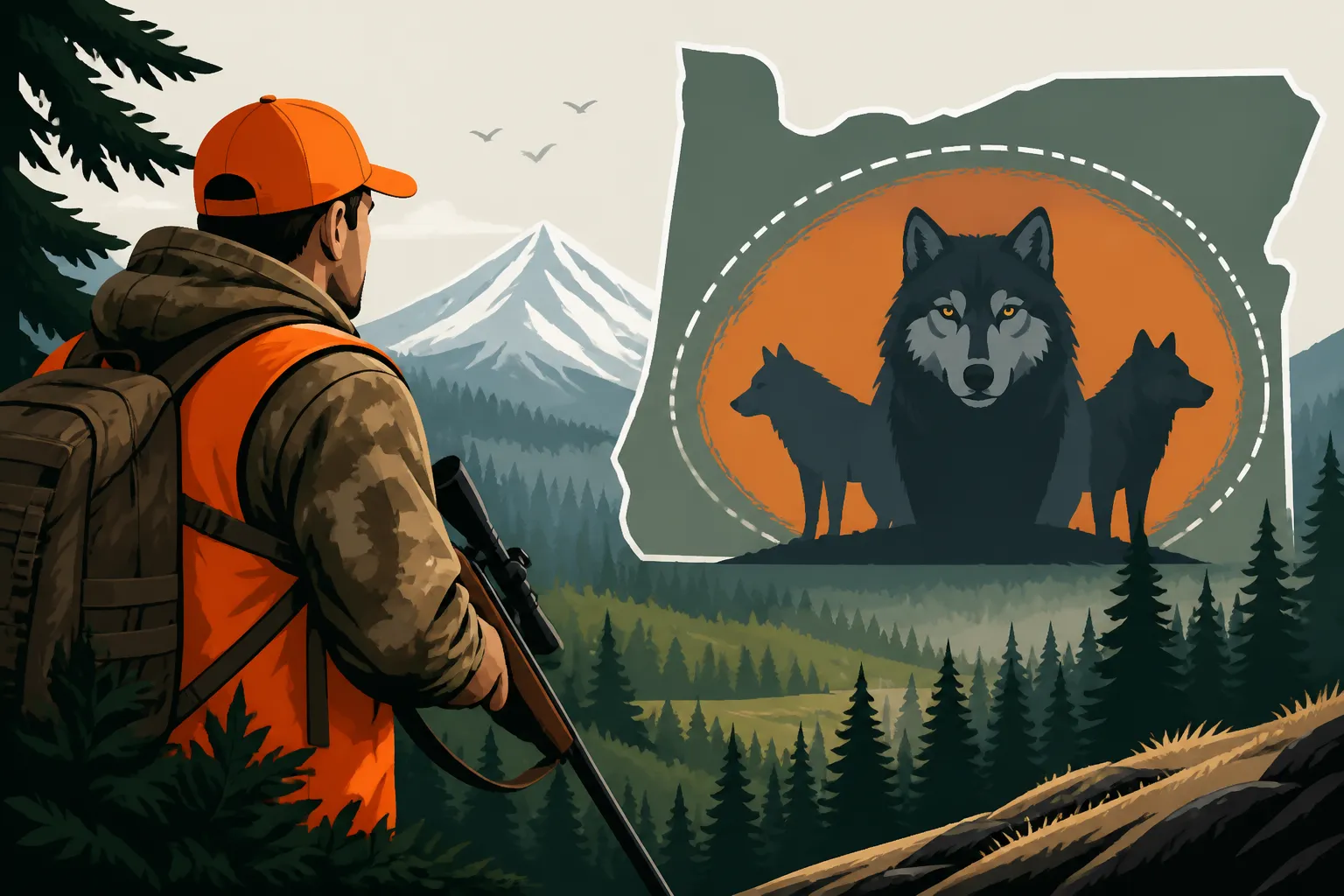
Oregon's wolf population has been on a remarkable journey of recovery. After being extirpated for many years, wolves naturally recolonized the state from Idaho in the early 2000s. Since then, their numbers have steadily increased, and their range has expanded significantly. While their primary strongholds are in Northeast Oregon, particularly the Wallowa-Whitman and Umatilla National Forests, we're now seeing them establish territories further west, even venturing into parts of the Cascades and southern Oregon. It's no longer just an "Eastern Oregon thing."
When planning your hunts, it's crucial to stay informed about areas with confirmed wolf activity. The Oregon Department of Fish and Wildlife (ODFW) regularly updates maps showing known wolf pack territories and areas of depredation. This information, while not always pinpoint accurate to the day, gives you a baseline understanding of where you're more likely to encounter wolf sign or have your hunt influenced by their presence. You can look into Oregon Wolf Pack Numbers to get a sense of this growth, and understand Where Oregon Wolves Are Established to narrow down your focus. It's a constantly evolving landscape, so checking the latest information before heading out is paramount. Ignoring their presence isn't an option for a successful hunt.
Wolf Behavior and Habitat Preferences
Just like any other wild animal, wolves have specific habitat preferences that influence where they establish territories. They thrive in areas with abundant prey—primarily elk and deer—and often prefer remote, rugged terrain that offers cover and security from human disturbance. Dense timber, vast wilderness areas, and large tracts of public land are often prime wolf habitat. They are highly intelligent and adaptable, capable of covering vast distances daily as they patrol their territory, hunt, and interact with other packs.
A pack's home range can be hundreds of square miles, and within that range, they'll utilize different areas based on prey availability, denning sites, and seasonal movements. You might find them concentrating around wintering grounds for deer and elk, or following migrating herds into higher elevations during the summer. Recognizing these patterns and understanding that wolves are constantly on the move, not fixed to a single locale, will help you predict their potential presence in your hunting unit. Their presence can even influence Elk Behavior After a Wildfire as they follow new food sources.
How Wolves Impact Big Game Behavior
This is often the most significant concern for hunters: how do wolves change the behavior of the animals we pursue? The answer isn't always straightforward, but generally, their presence introduces a new layer of vigilance, movement, and stress into the lives of elk and deer. It's not necessarily about there being "no animals left," but rather that the animals that are there act differently.
Increased Vigilance and Movement Patterns
When wolves move into a territory, elk and deer immediately become more alert. Their survival instincts kick into overdrive. You might notice herds that were once somewhat predictable in their movements suddenly becoming more erratic, or bedded animals jumping up at the slightest sound. This isn't just a casual awareness; it's a heightened state of readiness that can make them harder to approach. They'll spend more time scanning their surroundings, relying more heavily on their senses of smell and hearing, and often choosing bedding areas that offer maximum visibility or escape routes.
This increased vigilance often translates to more movement. Elk and deer might move more frequently throughout the day, covering greater distances to forage or to avoid perceived threats. They might abandon traditional bedding areas in favor of thicker cover or more remote locations that offer better protection. This can make patterning animals incredibly difficult. A game trail that was hot last year might be cold this year, not because the animals aren't there, but because their travel routes have shifted to minimize exposure. We've certainly seen Wolf Impact on Elk Behaviour across the state, with herd structures and movement patterns subtly but definitively changing.
Herd Dynamics and Habitat Use Shifts
Beyond individual animal behavior, wolves can also influence the larger dynamics of elk and deer herds. You might observe tighter grouping among elk, as larger numbers offer more eyes, ears, and horns for defense. Smaller, more vulnerable bachelor groups or cow-calf pairs might seek out different types of habitat, opting for areas with dense timber or steep canyons where wolves find it harder to operate efficiently. Conversely, they might also move into open areas if it means better visibility to spot predators from a distance.
Over time, sustained wolf presence can even alter how game animals utilize their overall habitat. Areas that were historically prime foraging grounds might become less attractive if they also represent high-risk zones for predation. This means hunters need to be more flexible and observant than ever. What you knew about a particular basin or ridge might need to be completely re-evaluated. Using mapping applications with public land overlays and checking for historical use, alongside recent sign, becomes critical. Don't be surprised if the prime feeding meadows you always hunted are now emptier, while animals are holding tighter in a gnarlier, thicker section of timber nearby. The landscape itself is still the same, but the animals' interaction with it has adapted.
Strategies for Hunting in Wolf Country
Hunting in wolf country requires a mental shift and often a change in tactics. What worked reliably before might be less effective now, simply because your quarry is under different pressures. It's about adapting, learning, and using every tool at your disposal to increase your odds.
Advanced Scouting and E-Scouting
Preparation is always key in hunting, but it becomes absolutely paramount when wolves are in the picture. Before you even set foot in the woods, tools like GoHunt can be invaluable. You can overlay public land maps with known wolf territories, helping you understand where densities might be higher. Looking at satellite imagery on GoHunt can reveal dense timber stands, rugged drainages, or remote pockets that might serve as refuges for elk and deer trying to avoid wolves. E-Scouting Oregon Units With Satellite Imagery becomes a critical first step. Identify areas that offer good visibility for game animals, potential escape routes, and dense cover where they might feel safer bedding.
When you hit the ground, look for fresh wolf sign alongside your usual deer and elk scouting. Scat, tracks, and even kills can tell you a lot about wolf activity. If you find recent wolf sign in an area, consider if the prey animals would still be comfortable there, or if they've likely moved on. This isn't to say you should avoid wolf country entirely, but rather to use the information to predict game movement. If a fresh wolf kill is in a particular drainage, it's highly likely the surviving elk or deer have pushed out to an adjacent ridge or basin, at least temporarily.
Adapting Your Hunting Tactics
Traditional tactics might need to be re-evaluated. Aggressive calling, for example, might be less effective if elk are already on high alert or if they perceive a bugle as a potential predator call. Elk might be less likely to commit to a call, or they might circle downwind more cautiously. Instead, focusing on more stealthy approaches, like still-hunting, might yield better results. Moving slowly and deliberately through timber, using the wind and terrain to your advantage, allows you to surprise animals that are already wary. Still-Hunting Blacktails in Wet Oregon Coastal Brush principles can apply to elk in dense timber, even in Eastern Oregon.
Glassing becomes even more important. In open country, animals might be seeking better visibility to spot predators, making them more visible to you as well. Spend more time with your optics, patiently scanning likely areas. Remember, if they're looking for wolves, they might also be looking for you. For Eastern Oregon hunts, refining your Glassing Sage and Juniper for Eastern Oregon Mule Deer techniques is crucial, as you'll need to pick apart terrain for animals that are extra cautious. Consider hunting areas with natural escape routes or challenging terrain, as these often become sanctuaries for game trying to evade wolves. Also, be prepared for longer blood trails and quicker meat recovery, as a wolf could certainly be drawn to a fresh kill.
Mitigating Risks and Ethical Considerations
While encounters between wolves and hunters are rare, it's always wise to be prepared. Carry a firearm appropriate for both your target species and potential predator defense. Most importantly, remain aware of your surroundings at all times. If you make a kill, retrieve your animal quickly and efficiently. Wolves are opportunistic, and a fresh gut pile or carcass can attract attention. Having a plan for Getting Meat Out Before It Spoils becomes doubly important when wolves are in the vicinity, potentially turning a successful hunt into a frustrating encounter if you're not prompt.
Ethically, remember that wolves are a protected species in Oregon. It is illegal to harass, harm, or kill a wolf unless it is an immediate threat to human safety or livestock under very specific circumstances. Hunters play a crucial role in monitoring wolf activity. If you observe wolf sign or activity, consider reporting it to ODFW. Your observations contribute to a larger dataset that helps wildlife managers understand pack movements and population health. Responsible hunting includes being a responsible steward of all wildlife, not just your target species.
Legal and Reporting Requirements for Wolves in Oregon
Understanding the legal framework and your responsibilities as a hunter in wolf country is critical. Oregon has specific guidelines regarding wolves, and being informed helps ensure you're hunting ethically and within the law.
Wolf Management and Conservation Status
Oregon's wolves are managed under the Oregon Wolf Management Plan. While wolves were removed from the state's endangered species list, they remain federally protected in the western two-thirds of the state. This means there are strict rules about how humans can interact with them. It's important for hunters to be aware of the current legal status in their specific hunting unit, as it can vary. There is no open hunting season for wolves in Oregon, and they cannot be targeted or harassed.
This management plan focuses on monitoring wolf populations, minimizing livestock depredation, and informing the public. For hunters, this translates to heightened awareness and a commitment to non-confrontational interactions. Understanding these rules is part of being a responsible hunter in Oregon. It's about respecting all species that call these wild places home.
Reporting Wolf Sightings and Depredation
One of the most valuable contributions hunters can make in wolf country is to report their observations. If you encounter a wolf, find wolf tracks, or observe signs of a wolf kill (depredation), reporting this information to ODFW is incredibly helpful for wildlife managers. This data helps them track pack movements, estimate populations, and understand wolf-prey dynamics across the state. Accurate reporting from the public, especially from those who spend a lot of time in the backcountry, is invaluable for understanding the full picture of Oregon Wolf Pack Numbers.
Similarly, if you ever find evidence of a wolf depredation on game animals—such as a partially consumed deer or elk carcass with distinctive wolf bite marks—documenting it and reporting it can aid in scientific research. While direct depredation compensation is typically for livestock owners, your observations contribute to a broader understanding of wolf impacts on game herds, which in turn informs future management decisions. If you witness a sick or injured animal, whether it's an elk, deer, or wolf, knowing the process for Reporting a Sick Animal to ODFW is always a good idea. Hunters are the eyes and ears of the woods, and sharing your observations responsibly helps everyone.
Using Technology for Awareness and Safety
In remote areas where wolf activity is more likely, personal safety and communication become even more critical. While not directly related to wolf interaction, having Two-Way Radios and Legal Use While Hunting can improve communication with your hunting partners, especially if you're spread out and trying to track game that might be moving erratically due to wolf presence. This allows you to coordinate efforts and stay informed about each other's whereabouts.
Furthermore, using modern GPS devices or smartphone apps with offline mapping capabilities is a must. Platforms like GoHunt allow you to download maps and mark waypoints even without cell service. You can mark areas of wolf sign, potential escape routes for game, or even the location of your kill to facilitate quick retrieval. Having a reliable communication device, whether it's a satellite messenger or a fully charged cell phone (with a realistic understanding of cell coverage), provides peace of mind and allows for emergency communication if needed. Being prepared for the unexpected is a hallmark of any responsible hunter, and this includes being aware of all the wildlife you might encounter.
| Behavioral Change Category | Traditional Game Behavior | Game Behavior in Wolf Country | Hunter Adaptation |
|---|---|---|---|
| Vigilance | Moderate alertness, predictable feeding/bedding patterns. | High alertness, frequent scanning, jumpier reactions. | More stealthy approaches (still-hunting), increased use of optics, patience. |
| Movement | Fairly consistent travel routes, predictable diurnal patterns. | Erratic, longer movements; may become more nocturnal or utilize thicker cover. | Frequent scouting for new travel routes, checking historical areas and adjacent cover. |
| Herd Dynamics | Can be dispersed or in smaller groups depending on season. | Tighter grouping, larger herds, more collective defense. | Focus on larger herd dynamics, look for groups rather than lone animals. |
| Habitat Use | Uses traditional foraging grounds and bedding areas. | Shifts to denser cover, remote locations, or areas with better visibility/escape. | Re-evaluate "prime" spots, focus on less accessible or thicker terrain. |
| Calling Responsiveness | May respond to calls, particularly bugles during the rut. | Less likely to commit, more cautious circling, may move away from calls. | Use softer calls, focus on subtle vocalizations, combine calling with still-hunting. |
| Predator Avoidance | Avoids human scent, reacts to direct threats. | Constantly scanning for wolves, often moves away from fresh wolf sign. | Use wolf sign to predict where game isn't, approach from downwind even more diligently. |
Disclaimer
This article is for general informational purposes only and does not constitute professional advice. Laws, prices and regulations vary by location and change over time. Consult a qualified professional for guidance on your specific situation.