Reporting a Sick Animal to ODFW
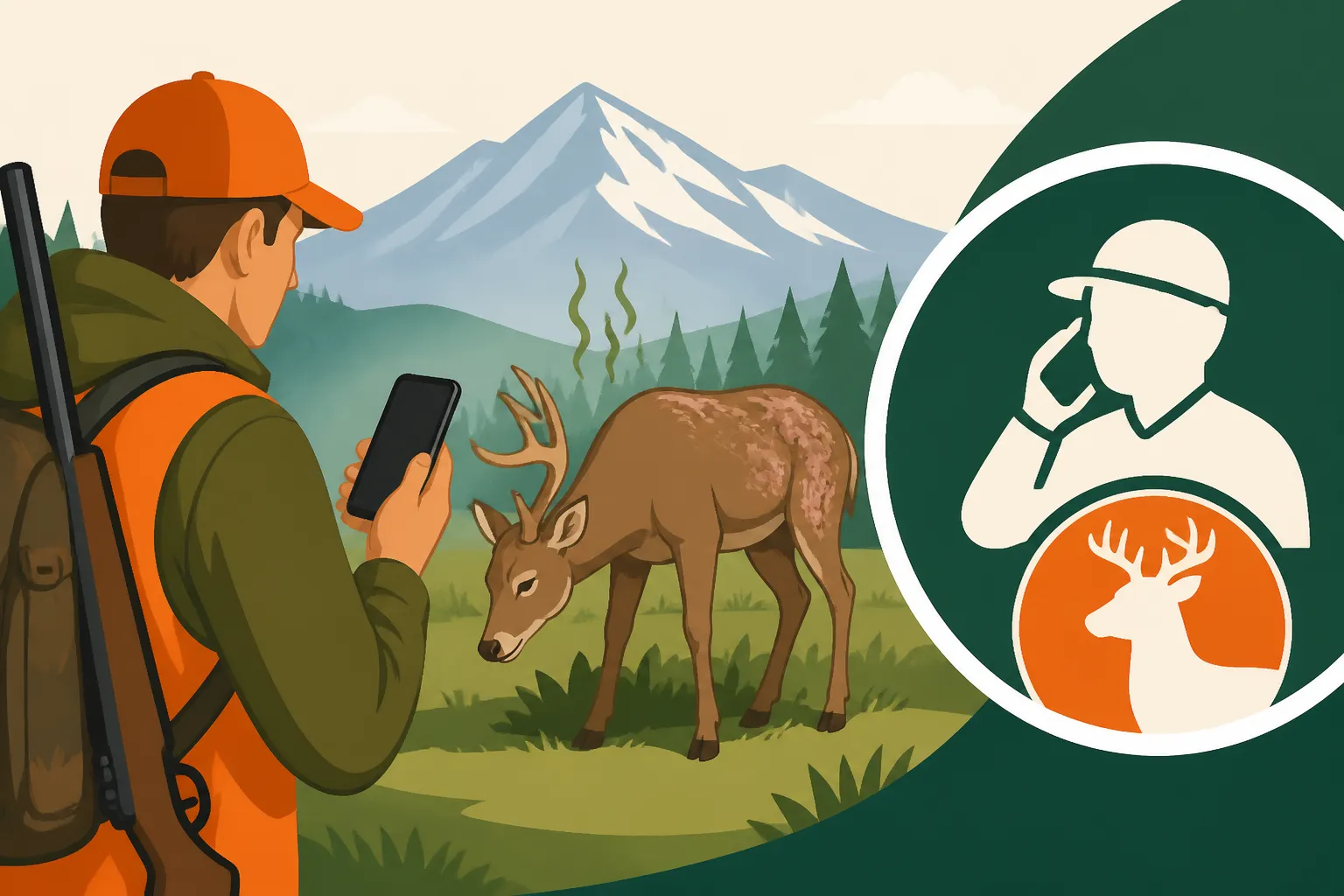
We've all been there: out in the backcountry, enjoying the quiet beauty of Oregon's forests or high desert, when you spot something that just doesn't look right. A deer is limping, an elk seems disoriented, or a bear is showing unusual aggression. Your gut tells you something is wrong, and the immediate question is, "What do I do now?" This guide is here to walk you through the crucial steps of accurately identifying and, most importantly, safely and effectively reporting a sick or injured animal to the Oregon Department of Fish and Wildlife (ODFW), ensuring you contribute to the health of our shared wildlife resources without putting yourself or others at risk.
Why Reporting a Sick Animal Matters
Spotting a sick animal can be unsettling, but your keen eye and willingness to report it are incredibly valuable to wildlife management and public safety. It’s not just about that one animal; it’s about the bigger picture of ecosystem health and preventing potential widespread issues.
Protecting Wildlife Populations
Think about it: diseases don't respect unit boundaries. What starts with one sick animal can quickly spread through a local population, especially in communal species like elk or deer. When you report a sick animal, you're providing critical early warning. ODFW biologists can then investigate, assess the situation, and, if necessary, take steps to contain outbreaks. This could involve targeted surveillance, public advisories, or even specific management actions to protect the larger herd or population. For instance, understanding the spread of Elk Hoof Disease in Western Oregon is a constant effort, and every report helps scientists track its prevalence and impact. Without these reports, it’s like trying to navigate a dense fog – impossible to see what's coming until it's too late. Your report contributes directly to the resilience and long-term health of Oregon's diverse wildlife populations, ensuring future generations can experience the same incredible opportunities we do.
Public Health Concerns
It’s not just animals that are at risk; some wildlife diseases can pose a threat to humans or domestic animals. Think about zoonotic diseases – those that can jump from animals to people. Rabies, for example, is a serious concern, and while rare in our larger big game species, it’s a terrifying possibility. Even less direct concerns, like ticks carrying Lyme disease, can be amplified in areas where wildlife health is compromised. When ODFW receives reports of sick animals, especially those exhibiting neurological symptoms or unusual behavior, they can investigate for potential public health risks. This proactive approach helps protect hunters, hikers, rural residents, and even our pets. Furthermore, if you handle game meat, understanding potential diseases is paramount to ensuring food safety. While Oregon has specific rules, knowing about broader concerns like Chronic Wasting Disease Testing in Oregon highlights why staying informed and reporting is so important.
Data for Wildlife Management
Every piece of information, even a single sighting of a sick animal, becomes a data point. Wildlife biologists at ODFW use these reports to identify trends, monitor disease prevalence, and understand the overall health of specific game populations. Imagine if several reports come in from a particular area about deer exhibiting similar symptoms – that could signal a localized outbreak or a nutritional deficiency that needs further investigation. This data informs critical decisions, from setting tag numbers to implementing habitat improvements or specialized research. It’s part of the ongoing Oregon Wildlife Disease Surveillance efforts that keep our state's ecosystems thriving. Without these grassroots observations from folks like us who are out in the field, ODFW would be missing a huge chunk of real-time information. Tools like GoHunt can also help you become a more informed hunter by providing data and insights into herd health and potential issues in your preferred units, allowing you to recognize anomalies more readily.
What to Look For: Signs of Sickness in Oregon Wildlife
Knowing what constitutes "sick" versus "normal" behavior in wildlife is crucial. We’re not looking for perfect specimens every time, but rather significant deviations that suggest an animal is truly unwell.
Common Symptoms and Behaviors
When you're observing wildlife, keep an eye out for a combination of these red flags. An animal that is visibly emaciated, showing a dull coat, or seems to be shedding excessively outside of normal seasonal changes is often struggling. Look for obvious injuries like severe limping, open wounds that aren't healing, or missing patches of fur. Behaviorally, a sick animal might appear disoriented, stumbling, walking in circles, or showing an unusual lack of fear towards humans – the opposite of what you'd expect from wild game. Conversely, an animal that is typically social might be isolated, or one usually solitary might be seen near others, perhaps seeking comfort or losing its natural instincts. A deer or elk that just stands there watching you approach, seemingly unfazed, is a significant concern. Another sign can be labored breathing, coughing, or excessive nasal discharge. Sometimes, the signs are more subtle, like an animal struggling to keep up with its herd or showing an exaggerated response to minor stimuli.
Species-Specific Indicators
Different species will exhibit different tell-tale signs of distress. For elk, beyond the general symptoms, look for signs of hoof disease, which can manifest as overgrown, deformed, or sloughing hooves. You might see them walking on their knees, struggling to stand, or excessively lying down. Keep an eye out for respiratory issues, especially if a large bull seems lethargic during the rut. For deer, particularly mule deer and blacktails, severe lameness, open sores, or abnormal growths around the mouth or eyes can be indicators. Why Oregon Mule Deer Numbers Are Falling often involves a complex mix of habitat, predation, and disease, so any individual animal showing signs of illness warrants attention. Bears are usually reclusive, so any bear that approaches you without clear motivation (like being habituated to human food) or appears aggressive without provocation is concerning. Also, excessive drooling or a lack of coordination could point to neurological issues. Even small game like turkeys might show signs such as ruffled feathers, lethargy, or swollen joints. It pays to familiarize yourself with the common diseases that affect game in your hunting areas.
Conditions to Be Aware Of
Oregon's wildlife can face a range of health challenges. Hoof disease in elk is a persistent issue in Western Oregon, and ODFW actively tracks its spread. If you see an elk with visibly deformed hooves or a pronounced limp, that's a prime candidate for a report. While Chronic Wasting Disease Testing in Oregon has thankfully not yet found CWD in our state's deer or elk populations, it's a serious threat in neighboring states, and continuous vigilance is crucial. We, as hunters, are the first line of defense. Knowing what to look for – extreme weight loss, excessive drinking and urination, disorientation, and listlessness – could make all the difference in detecting it early. Other conditions might include hair loss syndrome in blacktails, or various parasites and bacterial infections that can cause visible distress. Being aware of these specific threats in the areas you hunt, perhaps by reviewing ODFW's Reading an Oregon Big Game Statistics Report or attending Oregon Commission Meetings on Hunting Rules, can help you identify a problem much faster.
How to Report to ODFW (Oregon Department of Fish and Wildlife)
Reporting a sick animal isn't complicated, but knowing the right steps can ensure your information is received and acted upon efficiently.
Initial Steps and Information Gathering
Before you even think about picking up your phone, pause and gather as much detail as you safely can. This isn't about getting close, but about making careful observations from a distance.
- Location, Location, Location: This is arguably the most critical piece of information. Where exactly did you see the animal? If you have a GPS device or a mapping app like GoHunt on your phone, mark a waypoint. Note the nearest road, trail, landmark, or even a specific mile marker. "About halfway up the ridge near the big pine" is less helpful than "N 44.12345, W 122.67890" or "Approximately 1.5 miles east of the Smith River trailhead on Forest Road 1234." The more precise, the better.
- Date and Time: When did you see the animal? Was it today? Yesterday? This helps ODFW understand the recency of the sighting.
- Animal Details: What species was it? (e.g., mule deer, Roosevelt elk, black bear). How many animals were involved? What was its approximate size and sex (if discernible)?
- Observed Symptoms: Clearly describe what you saw. Was it limping? Stumbling? Had a dull coat? Was it coughing or drooling? Was it aggressive or unusually tame? Mention any visible injuries or deformities.
- Behavior: Was it alone or with others? What was it doing when you saw it? Was it feeding, lying down, trying to move?
- Your Contact Information: Provide your name and phone number. ODFW may need to follow up for more details or clarification. They won't usually bother you unless necessary, but it helps immensely.
Remember, safety first. Do not approach the animal, especially if it's acting aggressively or unpredictably. A sick or injured animal can be dangerous, and you don't want to become part of the problem.
Contacting the Right ODFW Office
Once you have your information ready, it’s time to make the call. The ODFW website is a fantastic resource, but for immediate concerns regarding sick animals, a direct phone call is usually best.
- Regional Offices: Oregon is divided into several ODFW regions, each with its own contact information. While you can call the main Salem headquarters, contacting the local district office responsible for the area where you saw the animal will likely get the fastest response. For example, if you're in the Coast Range, you'd want the Newport or Tillamook office; if you're in Eastern Oregon, it might be the Bend or La Grande office. Many hunters find it useful to keep the contact number for their primary hunting unit's ODFW office saved in their phone.
- Fish & Wildlife State Police: If the situation involves an animal that is an immediate public safety threat (e.g., an aggressive bear in a campground, a deer hit by a car in a dangerous location) or a potential wildlife violation, you should contact the Oregon State Police (OSP) Fish & Wildlife Division directly. They have specialized units trained to handle these kinds of emergencies and can dispatch officers more quickly than a biologist might be able to.
- Non-Emergency Reporting: For less urgent observations, many ODFW regions also have email addresses specifically for wildlife sightings. However, always prioritize a phone call for sick or injured animals to ensure timely attention.
When you call, be calm, clear, and concise. State upfront that you are reporting a potentially sick or injured animal and provide the key details you gathered. Don't worry if you don't have every single detail perfect; just provide what you know.
Here's a simplified table of ODFW reporting points:
| Situation Type | Recommended Contact | Urgency Level | Key Information Needed |
|---|---|---|---|
| Sick/Injured Animal (non-threat) | ODFW Regional or District Office | Moderate-High | Location, date/time, species, symptoms, your contact |
| Public Safety Threat (e.g., aggressive animal) | Oregon State Police (OSP) Fish & Wildlife | High-Immediate | Exact location, animal behavior, perceived threat, your contact |
| Potential Wildlife Violation | OSP Fish & Wildlife | High-Immediate | Location, details of violation, description of individuals/vehicles |
| General Wildlife Observation | ODFW Regional Office (email/phone) | Low-Moderate | Location, species, notable behavior (for data gathering) |
What to Expect After Reporting
Once you've made your report, don't expect an immediate helicopter landing or a follow-up call within minutes, unless it's a critical public safety incident. ODFW operates on limited resources and must prioritize responses.
- Assessment: ODFW staff will assess the urgency of your report. Factors like the species, location (near populated areas vs. remote wilderness), and symptoms described will determine their next steps.
- Investigation: Depending on the assessment, a biologist or wildlife technician might visit the site, or they might determine that the report simply adds to their ongoing data collection. They may confirm if it's a known issue like What Causes Elk Hoof Disease or if it points to something new.
- No Direct Feedback: In many cases, you might not receive a direct update on what happened with the animal you reported. This isn't a slight; it's simply due to the volume of calls and the nature of their work. They are often focused on the field investigation itself.
- Your Contribution: Rest assured, even if you don't get a personal thank you, your report is valuable. It contributes to the larger mosaic of Oregon Wildlife Disease Surveillance, helping ODFW track trends, identify problem areas, and protect the health of Oregon's diverse game species. Your role as a conscientious hunter is truly appreciated, even when it feels like a small act.
What NOT to Do When You Encounter a Sick Animal
While your intentions are good, some actions can inadvertently do more harm than good, for both yourself and the animal.
Do Not Approach or Handle the Animal
This is paramount. A sick or injured animal, regardless of species, is unpredictable. It's scared, in pain, and its fight-or-flight instincts might be skewed. What looks like lethargy could quickly turn into a desperate attempt to defend itself. Even a small deer can inflict serious injury, and a larger animal like an elk or a bear can be lethal. Beyond the physical danger, there's the risk of disease transmission. As mentioned earlier, some diseases are zoonotic, meaning they can pass from animals to humans. You don't want to contract rabies, hantavirus, or any other pathogen by trying to "help" without proper training and protective gear. Moreover, your presence might stress the animal further, potentially causing it to move into a dangerous situation (like onto a road) or expend precious energy it needs to recover. Keep a safe, respectful distance – often 100 yards or more – and use binoculars if you need a closer look.
Avoiding Self-Diagnosis or Intervention
It's tempting to play wildlife doctor, especially if you have a hunting background and feel a connection to the animals. You might think you know what's wrong, or even consider trying to put the animal out of its misery. However, unless you are a trained and authorized wildlife professional, intervening can create more problems than it solves. What appears to be an obvious injury might be something entirely different, and your actions could be misinformed. Administering medication, trying to relocate an animal, or even attempting to euthanize it yourself is not only dangerous but also likely illegal without proper authorization. ODFW professionals have specific protocols, equipment, and legal authority to assess and handle these situations appropriately. Your role is to report, not to rescue or diagnose. Trust that the professionals will take the necessary steps.
Legal Implications of Unsanctioned Action
Oregon has strict laws regarding wildlife. Handling, possessing, or euthanizing wildlife without proper authorization can lead to legal penalties. For example, if you decided to "finish off" a sick deer, you could inadvertently be cited for an unlawful take of game, especially if you don't have a tag for that species or unit, or if it's outside of hunting season. Even moving a carcass, unless you're packing out game you legally harvested, could be problematic. There are specific rules about Oregon's 300-Foot Rule Beside an Open Road for hunting, but also general rules about disturbing wildlife. The intent to help does not always override the letter of the law. ODFW and Oregon State Police Fish & Wildlife officers are dedicated to enforcing these regulations to protect the state's natural resources. It’s always best to err on the side of caution and let the authorities handle it. Your integrity as a hunter is also on the line; operating within the rules is part of being a responsible steward of our wildlife.
Disclaimer
This article is for general informational purposes only and does not constitute professional advice. Laws, prices and regulations vary by location and change over time. Consult a qualified professional for guidance on your specific situation.