Chronic Wasting Disease Testing in Oregon
The growing concern about Chronic Wasting Disease (CWD) across the West is something every hunter in Oregon worries about, even if it hasn't shown up in our herds yet. The thought of this devastating disease impacting our deer and elk is unsettling, and knowing what Oregon is doing to prevent it, and how you as a hunter can be part of the solution, is vital. This guide will walk you through Oregon's CWD surveillance program, how testing is conducted, and what you need to know about protecting our valuable wildlife resources.
Understanding Chronic Wasting Disease and Why Oregon Cares
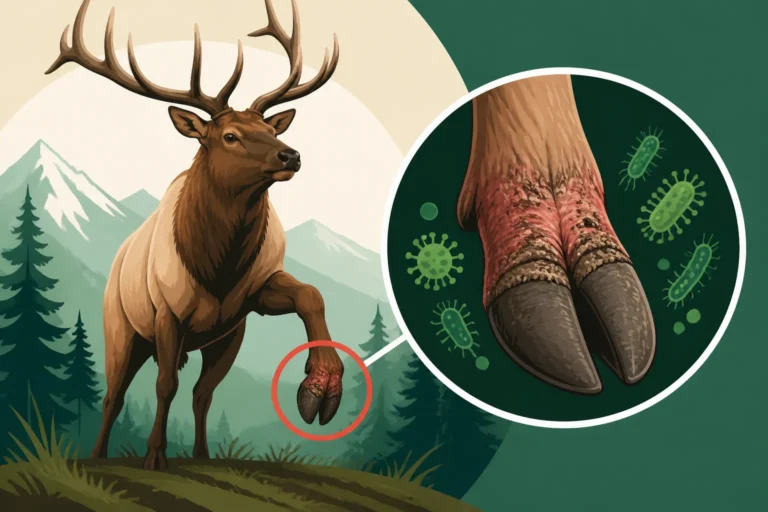
Chronic Wasting Disease (CWD) is a progressive, fatal neurological disease that affects cervids – that's deer, elk, moose, and reindeer. It's caused by abnormal proteins called prions, which accumulate in the brain and other tissues, leading to a host of debilitating symptoms. Unlike bacterial or viral diseases, prions are incredibly resilient and can persist in the environment for years, making CWD notoriously difficult to eradicate once it establishes itself.
The disease spreads through direct animal-to-animal contact, as well as indirectly through contaminated environments, such as soil or vegetation where infected animals have left behind saliva, urine, or feces. Imagine a popular watering hole or a heavily used game trail; these spots could become long-term sources of infection if CWD ever takes hold. This environmental persistence is a huge part of why it's such a nightmare scenario for wildlife managers and hunters alike. The impact on deer and elk populations could be catastrophic, not just for the animals themselves, but for the hunting heritage we all cherish here in Oregon.
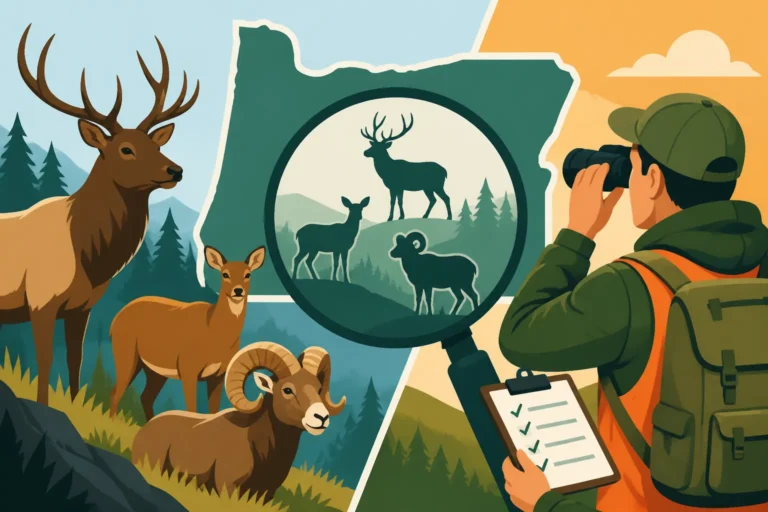
For us here in Oregon, the stakes are incredibly high. We pride ourselves on healthy, robust populations of Roosevelt Elk in Western Oregon, Rocky Mountain Elk in Eastern Oregon, Columbian Blacktail Deer of Western Oregon, and Oregon mule deer. The arrival of CWD could decimate these herds, leading to drastic changes in hunting seasons, tag allocations, and the overall outdoor experience. It's not just about a few sick animals; it's about the very future of big game hunting in our state. That's why active surveillance and hunter participation in monitoring efforts are so critical.
Oregon's Vigilant Surveillance Program for CWD
Even though CWD has never been detected in Oregon's wild cervid populations, our state is not sitting idly by. The Oregon Department of Fish and Wildlife (ODFW), in collaboration with other agencies, runs a robust and proactive surveillance program to monitor for CWD. This isn't a passive wait-and-see approach; it's an active effort to detect the disease as early as possible, should it ever cross our borders. Think of it as an early warning system designed to protect our game animals.
How ODFW Collects Samples for CWD Testing
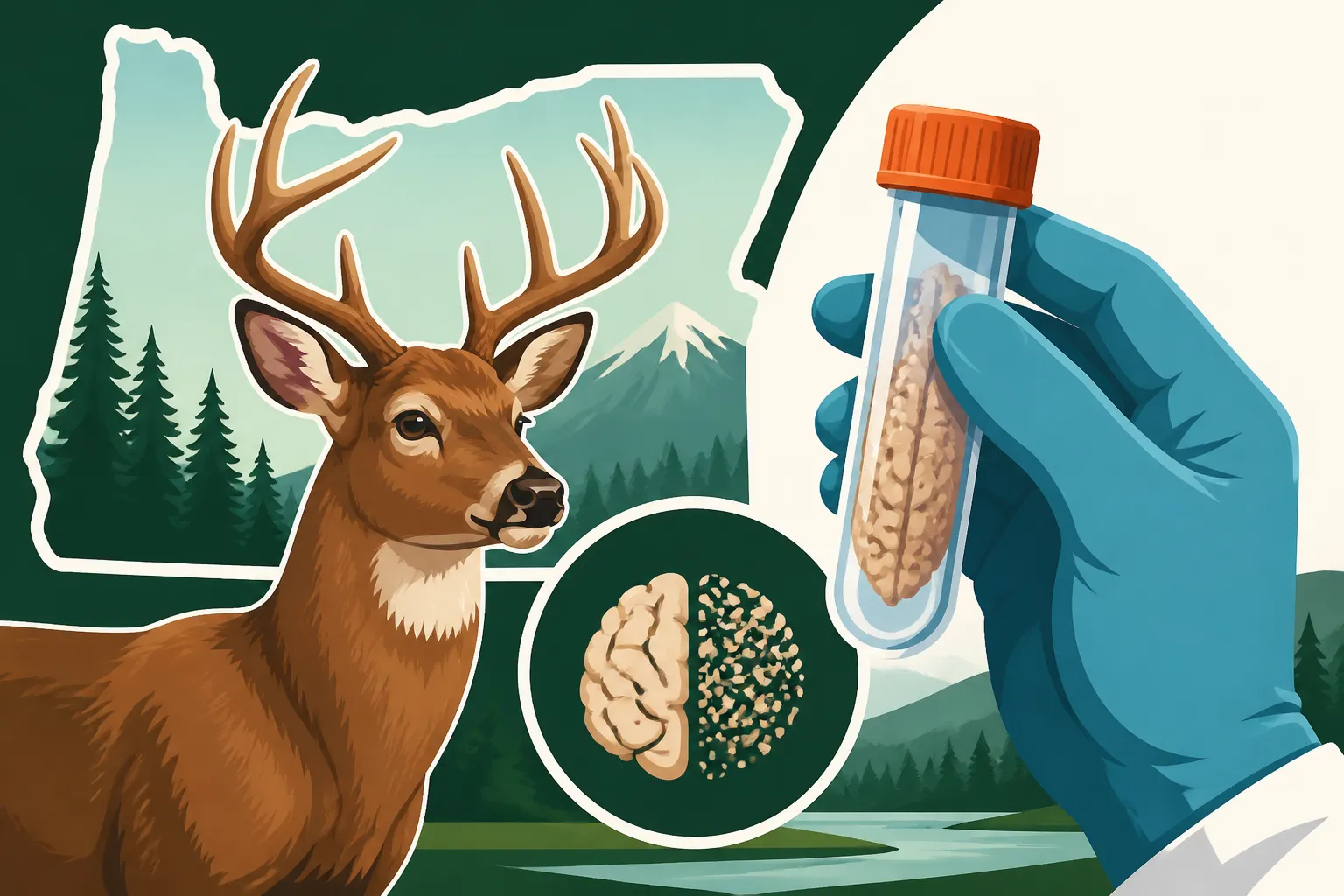
The surveillance program relies heavily on sampling animals across the state. This includes targeted sampling from hunter-harvested deer and elk, as well as opportunistic sampling from roadkill, animals found sick or dead from unknown causes, or those observed acting abnormally. ODFW staff collect specific tissues, primarily the obex (a part of the brainstem) and lymph nodes, which are the most reliable tissues for CWD detection. They often focus on areas near state borders or specific units where there might be a higher risk due to proximity to states where CWD has been detected.
Hunters play an absolutely crucial role in this process. When you harvest an animal, especially in certain designated surveillance areas, you might be asked to provide a sample. Sometimes, ODFW staff are present at check stations or even in the field during opening weekends, specifically looking for hunter cooperation in collecting these samples. It's a voluntary effort, but one that contributes immensely to the health of our herds. They're not just taking your trophy; they're taking a tiny piece to help ensure the future of hunting for everyone. You can use resources like GoHunt to stay informed about specific unit regulations and potential CWD surveillance efforts in the areas you plan to hunt.
Understanding the CWD Testing Process
Once samples are collected, they are carefully prepared and sent to specialized laboratories for analysis. The most common diagnostic test used is immunohistochemistry (IHC), which can detect the presence of abnormal prion proteins in the tissue. This is a very precise and reliable test, but it does take time. You won't get results back overnight.
The process typically involves:
- Tissue Collection: As mentioned, the obex and lymph nodes are the primary samples taken.
- Formalin Fixation: The samples are placed in a formalin solution to preserve the tissue.
- Laboratory Processing: In the lab, the tissue is embedded in paraffin, sectioned into thin slices, and placed on microscope slides.
- Staining and Examination: The slides are stained with specific antibodies that bind to CWD prions. If prions are present, they become visible under a microscope, allowing pathologists to identify the disease.
Because CWD is a serious concern, these labs operate with strict protocols to ensure accuracy. Should a presumptive positive result ever occur, it would trigger a series of follow-up tests and confirmatory procedures to ensure there are no false positives before any public announcements or management actions are taken. This thoroughness is vital to prevent unnecessary panic and ensure any response is based on solid scientific evidence.
What Hunters Need to Know About CWD and Carcass Handling
As hunters, we are on the front lines of wildlife observation, and our actions can significantly impact disease prevention. Knowing what to look for and how to handle your harvest responsibly are key steps in protecting Oregon's deer and elk.
Recognizing Potential CWD Symptoms in the Field
It's important to remember that CWD has a long incubation period, often years, during which an infected animal may show no visible symptoms. When symptoms do appear, they are typically in the later stages of the disease. These symptoms can include:
- Emaciation: Significant weight loss and a gaunt appearance despite eating.
- Behavioral Changes: Listlessness, blank stare, abnormal posture, drooping head and ears.
- Excessive Salivation: Drooling.
- Increased Thirst and Urination: Constantly seeking water.
- Difficulty Walking: Loss of coordination, stumbling.
It's crucial to understand that many of these symptoms can also be indicative of other diseases, injuries, or malnutrition. If you ever see an animal exhibiting these signs, especially if it doesn't immediately flee from human presence, do not approach or handle it. Instead, immediately contact ODFW and provide them with details about the animal's location and observed behavior. This is the best way to help state wildlife veterinarians investigate the situation safely and effectively. You can often find contact information for local ODFW offices by searching online, or through resources like your Oregon Regulation Pamphlet Release Date when you're planning your hunt.
| Symptom | Description | Other Possible Causes | Action |
|---|---|---|---|
| Severe Weight Loss | Animal appears gaunt, ribs and hip bones pronounced | Malnutrition, other diseases, parasites, old age, severe injury | Do not approach; contact ODFW immediately |
| Abnormal Behavior | Lethargic, walks in circles, holds head down, blank stare | Neurological issues, trauma, lead poisoning | Do not approach; contact ODFW immediately |
| Excessive Salivation | Noticeable drooling | Dental issues, choke, other infections | Do not approach; contact ODFW immediately |
| Increased Thirst/Urination | Repeatedly seeking water, urinating frequently | Kidney issues, diabetes, other illnesses | Do not approach; contact ODFW immediately |
| Lack of Fear | Does not react to human presence as expected | Injury, advanced illness, habituation to humans | Do not approach; contact ODFW immediately |
Carcass Transport Rules and Why They Matter
While CWD is not currently in Oregon, it is present in neighboring states, which makes carcass transport rules vital for preventing its introduction. The prions that cause CWD are highly concentrated in certain parts of an infected animal, particularly the brain, spinal cord, eyes, spleen, and lymph nodes. Transporting these "high-risk" parts across state lines or even within certain areas could inadvertently spread the disease.
Oregon, like many states, has regulations concerning the importation of cervid carcasses from CWD-positive states. Generally, if you hunt in a state with CWD, you are usually only allowed to bring back:
- Deboned meat
- Clean skull plates with antlers (no brain tissue attached)
- Antlers, capes, and hides (cleaned of all tissue)
- Teeth
- Finished taxidermy products
This means no whole carcasses, no spinal columns, no brains, and no internal organs from CWD-positive areas. These rules are not meant to inconvenience you; they are designed to be a critical barrier against bringing CWD into Oregon. Always check the most current ODFW regulations, as well as the regulations of any state you plan to hunt in or travel through, to ensure compliance. Ignorance of these rules is not an excuse, and violations can carry serious penalties. Resources like GoHunt often compile state regulations, making it easier to plan your out-of-state trips responsibly.
How Hunters Can Get Their Harvest Tested (If Desired)
Even without CWD in Oregon, some hunters might still want to have their harvested animal tested for peace of mind, especially if they are hunting close to a state border or simply want to contribute to the surveillance data. While ODFW's primary testing efforts are part of their official surveillance program, they may offer opportunities for hunters to submit samples for testing, particularly in specific focus areas or during designated periods.
The best course of action is to contact your local ODFW office before your hunt or immediately after harvest to inquire about any voluntary submission programs or protocols. They can provide guidance on:
- Which tissues to collect: They will typically instruct you on how to properly extract the obex and lymph nodes. This often requires specific tools and a careful hand.
- Proper handling and preservation: Samples need to be kept cool and handled in a way that preserves their integrity for testing.
- Submission points and procedures: Where and how to drop off your sample.
It's important to understand that there might be a fee associated with hunter-submitted voluntary testing, as it falls outside the routine surveillance budget. Always confirm these details with ODFW directly. Participating in these voluntary efforts is a tangible way you can contribute to monitoring the health of our herds. Beyond CWD, good field dressing practices, like the Gutless Method on a Bull Elk or Field Dressing an Elk in Warm Early-Season Weather, are always important for meat quality and overall hygiene.
The Future of CWD in Oregon and Hunter Responsibility
The threat of CWD is a constant concern for wildlife agencies and hunters across North America. While Oregon has remained CWD-free, continued vigilance and strong hunter participation are our best defenses. The reality is that CWD could one day arrive, and our preparedness will be crucial.
Why Continued Vigilance is Essential
The nature of CWD makes it a formidable challenge. The long incubation period means that by the time sick animals are easily visible, the disease could already be well-established in the population and the environment. This is why ODFW's proactive surveillance, even in the absence of detected cases, is so critically important. It allows for the earliest possible detection, which offers the best chance for containment and management. This constant monitoring is not just a government mandate; it's an investment in the health of our wildlife and the future of our hunting opportunities. We are fortunate that, as of now, we don't have to deal with the kind of intense management strategies CWD-positive states have implemented, but that good fortune is largely thanks to these preventative measures.
The Role of Hunters in CWD Prevention and Monitoring
Hunters are the eyes and ears of the wilderness. You spend more time in the field, observing animals firsthand, than almost anyone else. Your active participation is indispensable:
- Report Sick Animals: If you see any deer or elk exhibiting CWD-like symptoms, report it immediately to ODFW. As mentioned, do not approach the animal. This quick action could be the key to early detection.
- Cooperate with Sampling Efforts: If asked by ODFW to provide a sample from your harvested animal, please do so. Every sample collected adds to the comprehensive picture of our herd health. You can find information on current surveillance needs through ODFW communications or sometimes through hunting information platforms like GoHunt.
- Responsible Carcass Handling: Always adhere to carcass transport regulations, especially when traveling from other states. Bone out your meat, and properly dispose of high-risk tissues according to guidelines. When butchering your own animal, whether it's Butchering Your Own Deer at Home or an elk, ensure responsible disposal of any unused parts.
- Stay Informed: Keep up-to-date on CWD information from ODFW. Regulations can change as new information emerges or as the disease spreads in other regions.
The hunting community in Oregon has a long history of stewardship and a deep connection to our wildlife. By understanding CWD, participating in surveillance, and practicing responsible hunting ethics, we can all contribute to keeping our state's deer and elk herds healthy for generations to come. It’s a collective effort, and your part matters immensely.
Disclaimer
This article is for general informational purposes only and does not constitute professional advice. Laws, prices and regulations vary by location and change over time. Consult a qualified professional for guidance on your specific situation.