Radio Collar Studies in Oregon
Understanding the hidden lives of Oregon's big game animals can feel like trying to solve a mystery written in tracks and scat. It’s incredibly difficult to get a true picture of how elk herds move across vast landscapes, how mule deer fawns survive their first critical months, or how cougars navigate their territories. That's where radio collar studies come in, offering a crucial window into the secret world of our wildlife, providing data that directly informs how we manage hunting seasons and conserve these magnificent creatures. This guide will walk you through the fascinating science behind these studies, how they're conducted, and what valuable insights they offer to hunters and conservationists alike.
The Science Behind Wildlife Tracking
For decades, biologists have used technology to try and understand animal behavior that's otherwise invisible to us. Early on, it was simply about getting a signal, a "beep" that told you an animal was somewhere in the vicinity. But like any good detective work, the tools have become far more sophisticated, allowing for incredible detail in tracking movements and life cycles.
The Evolution of Tracking Technology
When you hear "radio collar," you might picture something bulky and obvious. But the technology has come a long way from the early days of basic VHF (Very High Frequency) transmitters. Those early collars required biologists to be out in the field with an antenna and receiver, essentially playing a game of "hot or cold" to pinpoint an animal's location. It was tedious, time-consuming, and often dictated by terrain and weather. You might get a general direction, but precise movement patterns over a large area were tough to discern.
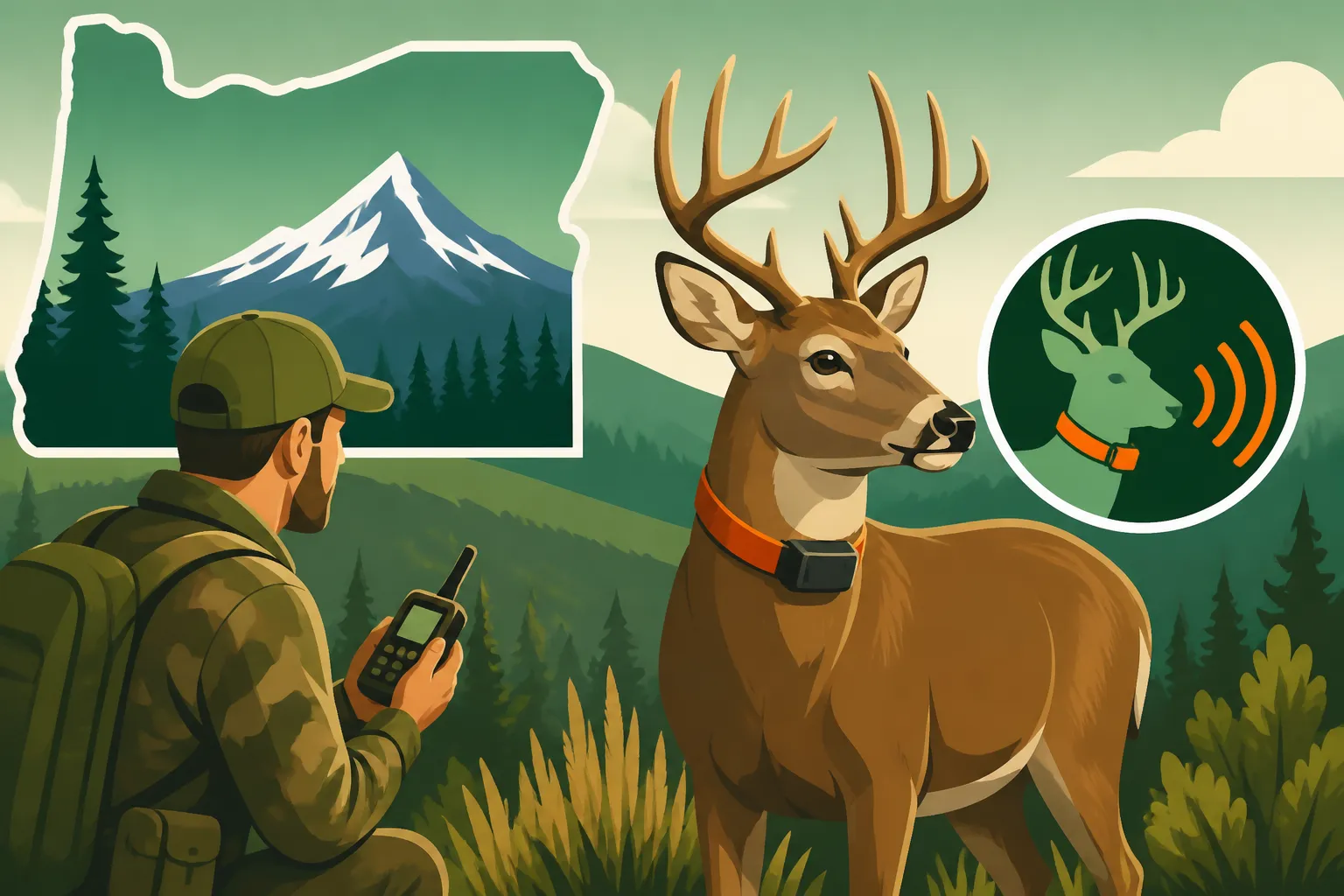
Today, many studies employ GPS (Global Positioning System) collars. These modern marvels automatically record an animal's location at programmed intervals—every hour, every day, or even multiple times an hour—and store that data. Some advanced collars even transmit data remotely via satellite or cellular networks, allowing biologists to download weeks or months of movement patterns from their office. This leaps and bounds improvement means researchers can collect incredibly rich datasets on migration routes, seasonal habitat use, and fine-scale movements without constantly disturbing the animals. This kind of data is critical for understanding everything from Mule Deer Migration Corridors in Oregon to subtle shifts in elk behavior due to environmental changes.
Key Species Monitored in Oregon
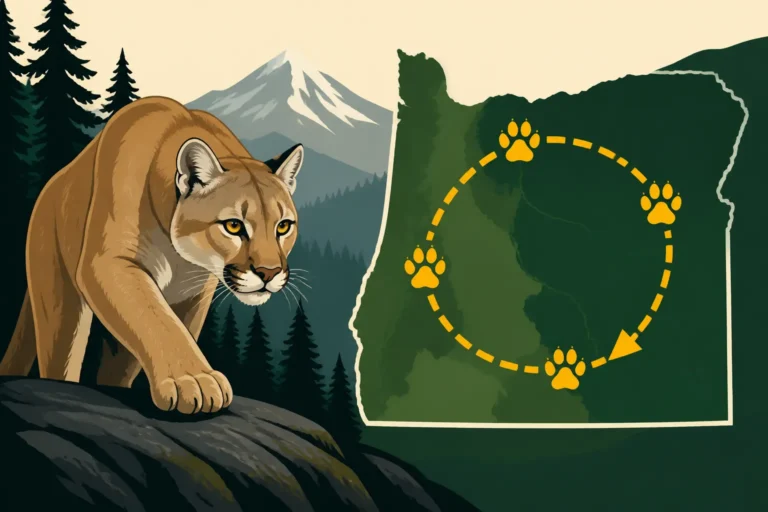
In Oregon, a wide array of game species are studied using radio collars, each providing unique insights vital for their management and conservation. Elk and mule deer are often at the forefront, as their populations and movements directly impact hunting opportunities and habitat health. For instance, tracking elk helps researchers understand Elk Behavior After a Wildfire, revealing how these animals adapt to altered landscapes. Similarly, cougars are frequently collared to study their predation patterns, territory size, and their impact on prey species like deer and elk. This research is especially important in a state like Oregon, where understanding predator-prey dynamics is a constant balancing act.
Black bears are another species benefiting from these studies, particularly to learn more about their denning habits, food sources, and seasonal ranges, helping to mitigate human-bear conflicts and ensure healthy populations. Even smaller species or those of conservation concern might be collared for specific research questions, though the logistical challenges increase with smaller animals. The ultimate goal is always to gather data that can lead to better, more informed decisions for wildlife management, ensuring these species thrive for generations to come.
Capturing and Collaring Animals for Science
Getting a collar onto a wild animal is no small feat. It's a complex operation that requires careful planning, specialized equipment, and a deep understanding of animal behavior and safety protocols. Biologists and wildlife technicians undergo extensive training to ensure the welfare of the animals and the safety of the research team.
Capture Methods: Net Guns, Traps, and Chemical Immobilization
There are several primary methods used to capture animals for collaring, each chosen based on the species, terrain, and specific study objectives. For larger animals like elk and mule deer, net-gunning from a helicopter is a common and highly effective technique in open or semi-open country. A specialized crew in a helicopter spots the target animal, maneuvers into position, and fires a net that safely entangles the animal. Ground crews quickly move in to secure the animal, apply the collar, take measurements, and collect biological samples before releasing it. This method allows for rapid capture and minimizes stress time for the animal.
Another method involves various types of traps. For deer and elk, "drop nets" or "clover traps" can be used. A drop net is suspended over a bait site, and when animals are beneath it, the net is released. Clover traps are essentially large, sturdy box traps designed to capture one animal at a time without injury. For predators like cougars or bears, snare traps (designed to humanely hold a leg without injury) or culvert traps (large metal cylindrical traps) are often employed, typically baited to attract the target animal. Once an animal is trapped, it's chemically immobilized using tranquilizers administered by trained veterinary staff or wildlife biologists. This ensures the animal is calm and safe during the collaring process.
Ensuring Animal Welfare and Researcher Safety
The ethical treatment of animals is paramount in any radio collar study. Every capture operation follows strict protocols designed to minimize stress, injury, and mortality. Before a project begins, it undergoes rigorous review by animal care and use committees to ensure it meets high ethical standards. During capture, vital signs of the animal are closely monitored. The collars themselves are designed to be lightweight, durable, and to fit properly without impeding the animal's movement, feeding, or social interactions. Many collars are equipped with a "drop-off" mechanism that allows them to fall off after a predetermined period or when a battery runs low, preventing the animal from carrying a defunct collar indefinitely.
Researcher safety is also a major consideration. Working with wild animals, especially large and powerful ones, carries inherent risks. Teams are trained in chemical immobilization, animal handling, and emergency response. They often work in remote, rugged terrain, requiring specialized equipment and communications. The goal is always a swift, safe, and successful operation for both the animal and the human team. For hunters using tools like GoHunt to analyze historical animal movements, it's important to remember the painstaking field work that goes into generating that data.
What Data Collars Collect and How It's Used
The data flowing from these collared animals is a goldmine of information, offering unparalleled insights into their lives and environments. It's not just about knowing "where" an animal is, but understanding the "why" and "how" of its movements and survival.
Unraveling Migration Patterns and Home Ranges
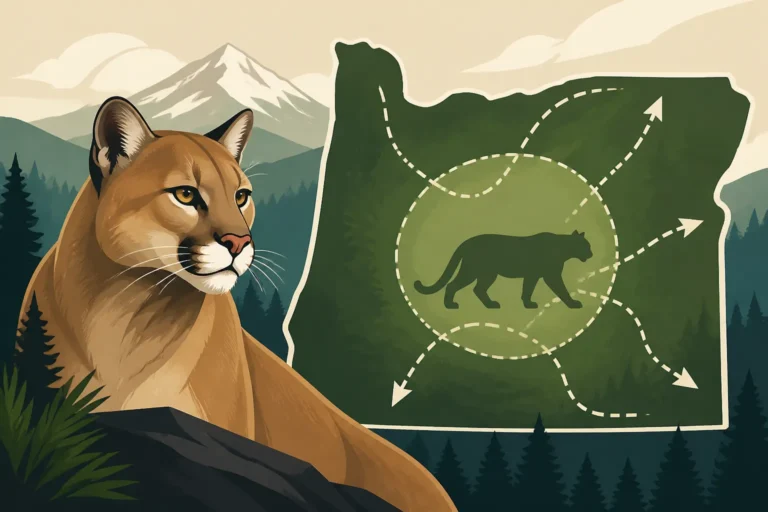
One of the most critical applications of radio collar data is mapping out migration routes and home ranges. Imagine trying to understand where a herd of mule deer travels between their high-elevation summer pastures and their snow-free wintering grounds without tracking them. It's nearly impossible. GPS collars reveal these intricate pathways, often highlighting bottlenecks or crucial stopover points. This information is vital for land management, helping to identify areas that need protection from development or human disturbance, especially during sensitive migration periods. Knowing these routes helps biologists determine Mule Deer Winter Range in Eastern Oregon and understand how they interact with specific habitats throughout the year.
The size and shape of an animal's home range can also tell us a lot about habitat quality, food availability, and population density. If animals are forced to roam over extremely large areas, it might indicate scarce resources or increased pressure. Conversely, small, stable home ranges often suggest abundant resources. This granular data, when integrated with satellite imagery and other geographical information, allows wildlife managers to create highly detailed maps of animal distribution and movement, giving them a foundation for effective conservation strategies.
Assessing Survival Rates and Population Health
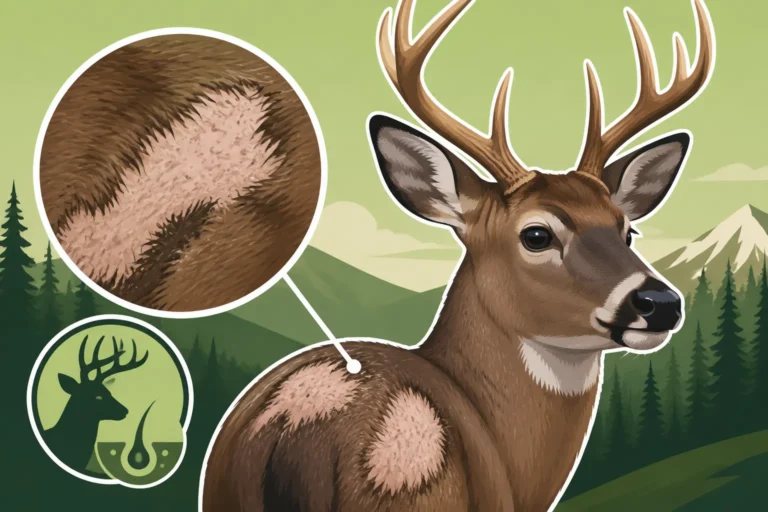
Beyond movement, radio collars are instrumental in calculating survival rates for different age classes, especially fawns and calves, and identifying causes of mortality. When a collar emits a "mortality signal"—a change in temperature or a prolonged lack of movement—biologists can quickly locate the carcass. Investigating these sites provides crucial information on predation, disease, starvation, or human-caused mortality. This data helps assess the health of a population, flagging potential issues before they become widespread. For instance, if fawn survival rates drop significantly over several years, it could indicate increased predation pressure, poor habitat conditions, or widespread disease, prompting managers to investigate and potentially intervene.
This level of detail is also crucial for understanding dynamics like Elk Calf Survival and Predation in Oregon. By collaring calves and monitoring their fates, researchers can determine which predators are most impactful, during what life stages, and in which habitats. This, in turn, helps fine-tune predator management strategies to achieve specific big game population objectives. The data contributes directly to the overall assessment of How ODFW Counts Big Game and develops management plans.
Informing Management Decisions and Hunting Regulations
Ultimately, all this painstakingly collected data funnels into informing sound wildlife management decisions, which directly impacts hunting regulations. By understanding population dynamics, survival rates, and movement patterns, wildlife agencies can set appropriate tag numbers, define hunt boundaries, and establish season lengths that ensure sustainable harvests while promoting healthy animal populations. For example, if collar studies show a particular elk herd is experiencing high calf mortality due to habitat degradation, managers might reduce tag numbers in that unit or focus on habitat improvement projects.
The data can also reveal critical information about how hunting pressure affects animal behavior, allowing for more strategic season timing or spatial management. When agencies like Oregon Department of Fish and Wildlife (ODFW) present their proposals for Oregon Mule Deer Plan and Tag Numbers, you can bet that the insights gained from radio collar studies are a significant part of their scientific backing. Moreover, hunters themselves benefit from this knowledge, as understanding where animals move seasonally can improve scouting and success rates. Resources like GoHunt often incorporate publicly available data derived from these types of studies into their mapping platforms, helping hunters make more informed decisions when planning their trips.
Here’s a quick overview of the types of data collected and their uses:
| Data Type Collected | Examples of Insights Gained | Impact on Management/Hunting |
|---|---|---|
| Movement Patterns | Migration corridors, seasonal range use, daily travel distances | Identify critical habitats, delineate hunt units, plan road closures |
| Location (GPS points) | Home range size, habitat preferences, resource utilization | Assess habitat quality, understand animal distribution |
| Survival/Mortality Data | Fawn/calf survival rates, causes of death (predation, disease) | Adjust tag numbers, identify predator impacts, disease surveillance |
| Activity Levels | Rest periods, foraging times, avoidance behaviors | Understand human disturbance, plan quiet periods |
| Interaction Data | Wolf Impact on Elk Behaviour, cougar-deer encounters | Manage predator-prey dynamics, assess population impacts |
| Physiological Data | Body temperature (some advanced collars), heart rate | Monitor stress, detect illness, understand energy expenditure |
Challenges and Limitations of Collar Studies
While radio collar studies offer immense benefits, they are not without their complexities and hurdles. It's important to acknowledge these challenges to have a realistic understanding of the effort involved and the limitations of the data.
The High Cost of Technology and Manpower
One of the most significant challenges is the sheer expense involved. Modern GPS collars, especially those with satellite or cellular transmission capabilities, are incredibly costly, sometimes thousands of dollars per unit. When you consider that a study might involve dozens or even hundreds of collared animals over multiple years, the price tag quickly skyrockets. Beyond the collars themselves, there's the cost of specialized capture equipment (helicopters, net guns, traps), chemical immobilization drugs, and veterinary support.
Then comes the manpower. Highly trained biologists, technicians, and potentially veterinarians are needed for every capture operation, often requiring weeks of intense field work. After capture, there's the ongoing work of monitoring the animals, downloading data (for collars that don't transmit automatically), and ground-truthing mortality sites. Analyzing the vast quantities of data generated also requires skilled data scientists and specialized software. These substantial financial and human resource demands mean that studies must be carefully prioritized and often rely on grants, partnerships, and hunter conservation dollars.
Environmental Factors and Equipment Failure
Oregon's diverse and often rugged terrain presents unique environmental challenges for radio collar studies. Dense coastal rainforests can block radio signals, making VHF tracking difficult. Steep mountains and deep canyons in eastern Oregon can also interfere with GPS satellite reception or cellular transmission. Extreme weather, from heavy rainfall and snow to scorching summer heat, can impact collar battery life and the longevity of electronic components.
Equipment failure is an unfortunate reality. Batteries can die prematurely, GPS units can malfunction, and collars can get damaged by the animals themselves or by environmental factors like getting snagged on a tree or buried in deep snow. When a collar stops transmitting or collecting data, it represents a loss of valuable information and a sunk cost. While manufacturers constantly strive to improve durability and reliability, the harsh realities of the wild can always find a way to test the limits of technology.
Interpreting Data and Public Perception
Even with robust data, interpretation isn't always straightforward. A string of GPS points tells you where an animal moved, but it doesn't always tell you why. Was it moving to avoid predators, seeking better forage, or simply following a social cue? Biologists rely on observational data, habitat analysis, and their deep understanding of animal ecology to connect the dots and infer meaning from the raw data. There can also be individual variations—one animal might behave differently from the rest of the herd, and it's crucial not to overgeneralize from a small sample size.
Public perception is another delicate aspect. While most hunters and conservationists understand the scientific value of these studies, some members of the public may express concerns about the stress on animals during capture or the ethics of collaring wildlife. Agencies and researchers must be transparent about their methods, clearly communicate the benefits of the research, and address public concerns with scientific evidence and ethical considerations. Trust and understanding are vital for the continued support of these important wildlife research initiatives.
Radio collar studies represent a powerful tool in modern wildlife management, providing indispensable data that helps conserve Oregon's magnificent big game species and ensure sustainable hunting opportunities for future generations.
Disclaimer
This article is for general informational purposes only and does not constitute professional advice. Laws, prices and regulations vary by location and change over time. Consult a qualified professional for guidance on your specific situation.