Hair Loss Syndrome in Oregon Blacktails
It’s a sight that can stop any hunter dead in their tracks: a beautiful Oregon blacktail buck or doe, but instead of its usual sleek, healthy coat, patches of hair are missing, replaced by crusty, grey skin. This unsettling phenomenon, known as Hair Loss Syndrome (HLS), has been observed in blacktail deer across our state, and it’s natural to feel concerned about the health of our herds and what it means for hunting. This guide will delve into what HLS is, its impact, and what we as responsible hunters can do when we encounter it.
What Exactly is Hair Loss Syndrome (HLS) in Blacktail Deer?
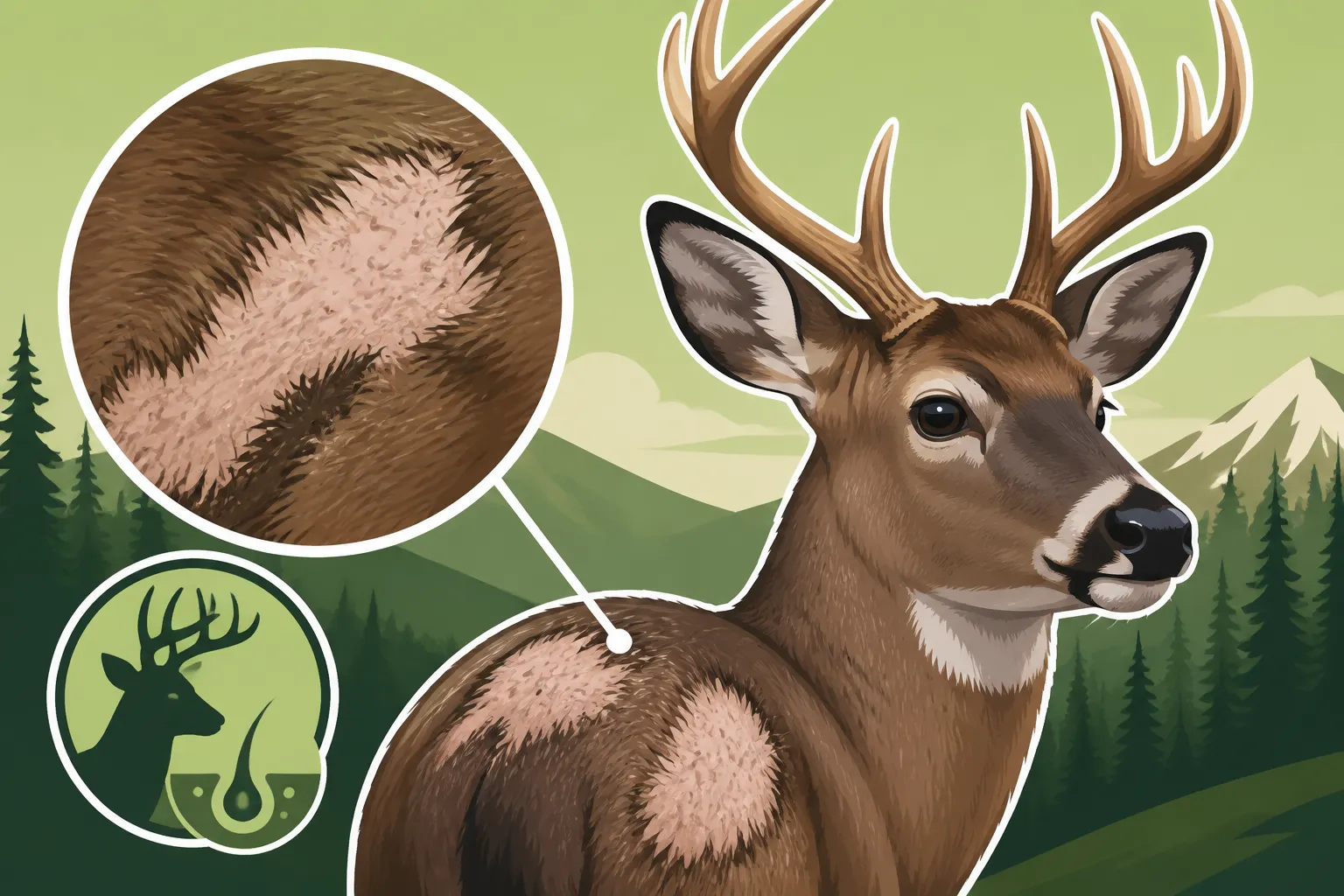
Hair Loss Syndrome isn't just a bad hair day for deer; it's a condition that can seriously compromise an animal's health and survival. When you first spot a deer with HLS, it's often the patchy, moth-eaten appearance that catches your eye. This isn't just aesthetic; it’s a sign of a deeper issue that affects thousands of blacktails, particularly in western Oregon, and it can be quite disheartening to witness firsthand. Many of us have been out Still-Hunting Blacktails in Wet Oregon Coastal Brush or glassing a recent clearcut only to spot a deer that looks utterly miserable, and it makes you wonder what’s really going on.
Identifying the Symptoms: What Does it Look Like?
The most obvious symptom of HLS is, as the name suggests, hair loss. This loss typically starts around the shoulders, neck, and flanks, often spreading across much of the body. The affected skin underneath can appear thickened, grey, scaly, and crusty. It often looks like the deer is perpetually wet or has been rubbed raw in places. In severe cases, almost the entire body can be devoid of hair, leaving the animal exposed and vulnerable. Imagine spotting what should be a robust buck with Blacktail Buck Antler Size that makes you consider drawing, but then you see his ribs showing and his coat in tatters – it changes your perspective entirely.
Beyond the visible hair loss, affected deer often exhibit secondary signs. They might appear lethargic or weak, standing with hunched backs. The constant irritation from the mites causing the condition can lead to excessive scratching and rubbing, which further damages their skin and can even result in open wounds susceptible to secondary bacterial infections. In colder weather, deer with significant hair loss are particularly vulnerable to hypothermia, as their natural insulation is severely compromised. This vulnerability can be fatal, especially during the harsh, wet winters we often experience in the Coast Range.
The Culprit: Demodex Mites and Other Factors
The primary cause identified for Hair Loss Syndrome in blacktail deer is an infestation of microscopic mites, specifically Demodex odocoilei. These tiny parasites burrow into the deer's hair follicles and sebaceous glands, causing irritation, inflammation, and ultimately, hair loss. It’s a bit like a severe case of mange in other animals. The sheer number of these mites can overwhelm the deer's system, leading to the widespread dermatological issues we observe.
While Demodex mites are the direct cause, environmental stressors and a deer's overall health can play a significant role in how severely an individual is affected. A deer that is already nutritionally stressed, perhaps due to poor forage availability or a particularly harsh winter, might have a weakened immune system, making it more susceptible to a severe mite infestation. Similarly, other underlying illnesses or parasites could compound the problem. It's rarely just one thing in nature; it's often a confluence of factors that tips the scales against an animal's health. This interplay of mites and environmental conditions makes managing HLS a complex challenge for wildlife biologists.
The Impact of HLS on Oregon's Blacktail Herds
The presence of HLS in blacktail deer is more than just an unsightly issue; it has tangible consequences for individual deer and potentially for the broader population. Many hunters become accustomed to seeing healthy, vibrant animals when they are Hunting Clearcuts on Private Timber Land or walking through the thick timber, so encountering a deer suffering from HLS can be quite jarring and lead to genuine concern for the herd's well-being.
Health Risks and Survival Rates for Infected Deer
For an individual deer, HLS poses several serious health risks. The most immediate is the loss of insulation. Deer rely heavily on their dense coats to regulate body temperature, especially during the cold, wet months. Without this protection, they expend far more energy trying to stay warm, burning through critical fat reserves. This can lead to emaciation and, in severe cases, death from exposure. Imagine facing an Oregon winter with half your coat missing – it’s a grim prospect.
Beyond exposure, the constant irritation from the mites and subsequent scratching can lead to secondary skin infections. These infections can be debilitating, further weakening the animal and making it more vulnerable to predators or other diseases. While adult deer are more commonly observed with HLS, fawns can also be affected, though often less severely. The cumulative effect of these health challenges can significantly reduce a deer's ability to forage effectively, escape predators, or even breed successfully, impacting overall survival rates within the affected populations.
How HLS Affects Hunting Opportunities and Management
From a hunter's perspective, observing a deer with HLS can be disheartening. While the meat of an otherwise healthy animal with HLS is generally considered safe to consume (after proper skinning and discarding of affected areas, which we'll cover later), many hunters simply choose not to harvest a visibly sick animal. This isn't just about table fare; it's about the respect we have for the game and the desire to harvest healthy animals. If a significant portion of the herd in a particular area is affected, it can certainly influence hunting decisions and perceived quality of the hunt.
For wildlife managers, HLS presents a puzzle. While it's widespread, it doesn't appear to cause massive, sudden die-offs in the way some other diseases might. However, it is a chronic stressor that could contribute to a slower, subtle decline in population health over time, especially when combined with other factors like habitat loss or harsh weather. Monitoring HLS is part of the broader effort of Oregon Wildlife Disease Surveillance to understand herd dynamics. Wildlife agencies use hunter reports and field observations to track prevalence and severity, which can inform management strategies. However, direct intervention for HLS in wild populations is generally not feasible due to the sheer scale and expense involved. Instead, efforts focus on monitoring and understanding its long-term impact on the health of Blacktail Deer Density in the Coast Range.
What Hunters Can Do: Reporting and Responsible Practices
As hunters, we are often the eyes and ears in the field, spending countless hours observing wildlife. This unique position means we play a crucial role in monitoring conditions like Hair Loss Syndrome. It's easy to feel helpless when you see a sick animal, but there are concrete steps you can take to contribute to wildlife health and management.
Reporting Sightings to ODFW: Your Role in Monitoring
When you encounter a deer exhibiting signs of HLS, the most important thing you can do is report it to the Oregon Department of Fish and Wildlife (ODFW). These reports are vital for wildlife managers to track the distribution and prevalence of the disease. While one sighting might seem insignificant, collectively, these reports help build a comprehensive picture of the syndrome's impact across different units and habitats.
When reporting, try to provide as much detail as possible:
- Exact Location: GPS coordinates are best, but detailed descriptions of landmarks (e.g., "junction of logging road 123 and 456," "along the main trail into the Saddle Mountain Unit") are also very helpful. Tools like GoHunt's mapping platform can be incredibly useful for pinpointing precise locations quickly and efficiently, even offline, and transferring those details.
- Date and Time of Sighting: This helps track the progression and timing of observations.
- Species and Sex of Deer: Blacktail deer are the primary concern here, but noting if it was a buck, doe, or fawn adds important context.
- Severity of Hair Loss: Describe how much hair was missing and the condition of the skin. Was it patchy? Was the skin crusty or raw?
- Other Observations: Did the deer appear lethargic? Was it alone or with other deer (and were they also affected)?
You can typically find contact information for your local ODFW office on their website, or often a general reporting line for wildlife health concerns. Your careful observations and reporting are invaluable to their work.
Handling and Processing Infected Deer Safely
If you happen to harvest a deer that exhibits signs of HLS, it's natural to have questions about whether the meat is safe to eat. Generally, if the deer otherwise appears healthy and in good body condition, and the HLS is localized to the skin, the meat is usually safe for consumption. However, there are important precautions to take:
- Avoid Contact with Affected Skin: When skinning the animal, wear gloves and avoid direct contact between your hands or the meat and the affected skin areas. The mites and bacteria associated with HLS are primarily on the surface of the skin.
- Discard Affected Areas: Thoroughly remove and discard all skin and any subcutaneous tissue that appears abnormal or discolored.
- Inspect the Meat: Carefully examine the muscle tissue. If the meat itself looks normal, without any abscesses, lesions, or unusual discoloration, it is typically fine to process. If you notice any questionable areas within the muscle, it's best to trim them away generously or, if widespread, consider discarding the affected portion or the entire carcass.
- Thorough Cooking: Always ensure wild game meat is cooked thoroughly to an internal temperature of at least 160°F (71°C) to kill any potential parasites or bacteria.
- Cleanliness: After processing, thoroughly clean and sanitize all equipment, knives, and surfaces that came into contact with the deer.
When you're Field Dressing an Elk in Warm Early-Season Weather or a blacktail, hygiene is always critical, but even more so with HLS. When in doubt, it’s always better to err on the side of caution. If you have serious concerns about the meat, you can contact ODFW for guidance or, regrettably, opt to discard it.
Here's a quick reference table for identifying HLS and appropriate actions:
| Symptom / Observation | Potential Cause / Implications | Recommended Action |
|---|---|---|
| Patchy hair loss, often on neck/shoulders | Demodex mites, secondary infection, weakened immune system | Report to ODFW with location and details. |
| Thickened, grey, crusty skin | Mite irritation, chronic inflammation | Report to ODFW. If harvested, discard skin and affected tissues. |
| Deer appears lethargic or emaciated | Severe HLS impact, compromised health, exposure risk | Report to ODFW. If harvested, consider meat safety carefully; when in doubt, discard. |
| Excessive scratching/rubbing | Mite irritation, discomfort | Report to ODFW. |
| Normal muscle tissue, good body condition | HLS localized to skin, generally safe for consumption | Process carefully, cook thoroughly. |
| Abscesses, lesions in muscle tissue | Secondary infection spreading beyond skin, potential systemic issue | Do not consume. Report to ODFW and discard carcass. |
Living With HLS: Long-Term Outlook for Oregon Blacktails
Hair Loss Syndrome isn't a new phenomenon, but its persistent presence is something we must acknowledge as part of the broader ecological picture in Oregon. Understanding the long-term outlook involves looking at how wildlife agencies approach it and its place within the overall ecosystem. This isn't just about deer health; it's about the resilience of the natural systems we cherish.
Research and Management Efforts by Wildlife Agencies
Wildlife agencies like ODFW are continuously monitoring HLS. While direct treatment of individual wild deer isn't practical, research helps to understand the prevalence, the specific mite species involved, and potential contributing factors such as habitat quality and other disease stressors. This data helps biologists make informed decisions about herd management, even if those decisions aren't always directly about HLS. For instance, understanding overall herd health, including the presence of diseases like HLS, can influence decisions on tag allocations or habitat improvement projects. Looking at Reading an Oregon Big Game Statistics Report can sometimes offer clues on broader trends that might be indirectly related to such conditions.
Collaboration with other states and universities is also common, as HLS affects blacktail and mule deer across the West. Sharing research findings and best practices helps to piece together the puzzle of this pervasive condition. Even though there isn’t a magic bullet solution, the continuous collection of data, often aided by hunter observations, forms the backbone of these long-term management strategies. GoHunt, for example, often works to provide its users with up-to-date regulatory information and insights, which can sometimes touch upon such wildlife health concerns as reported by agencies.
Understanding the Broader Ecosystem Impact
Hair Loss Syndrome, while specifically affecting blacktails, exists within a complex ecosystem. Deer that are heavily impacted by HLS are weakened, making them easier prey for cougars or other predators. This might seem harsh, but it's a natural part of the predator-prey dynamic, where the weak or sick are often culled from the herd, which can, in some ways, help to limit the spread of diseases or strengthen the overall genetic fitness of the surviving population.
Factors that impact deer health in general, such as Winter Elk Feeding Sites in Oregon or the availability of quality forage in Blacktail Deer Habitat in Oregon Clearcuts, can also influence the severity and prevalence of HLS. A healthy deer with access to good nutrition might be more resilient to a mite infestation than a deer struggling to find food. Thus, efforts to improve deer habitat and overall ecosystem health can indirectly contribute to greater herd resilience against conditions like HLS. As hunters, advocating for and participating in habitat restoration and conservation efforts is one of the most impactful ways we can support the long-term health of our blacktail deer populations. Ultimately, living with HLS means recognizing it as a persistent challenge, but also trusting in the resilience of nature and our collective commitment to wildlife stewardship.
Disclaimer
This article is for general informational purposes only and does not constitute professional advice. Laws, prices and regulations vary by location and change over time. Consult a qualified professional for guidance on your specific situation.