Rio Grande Turkeys in Oregon
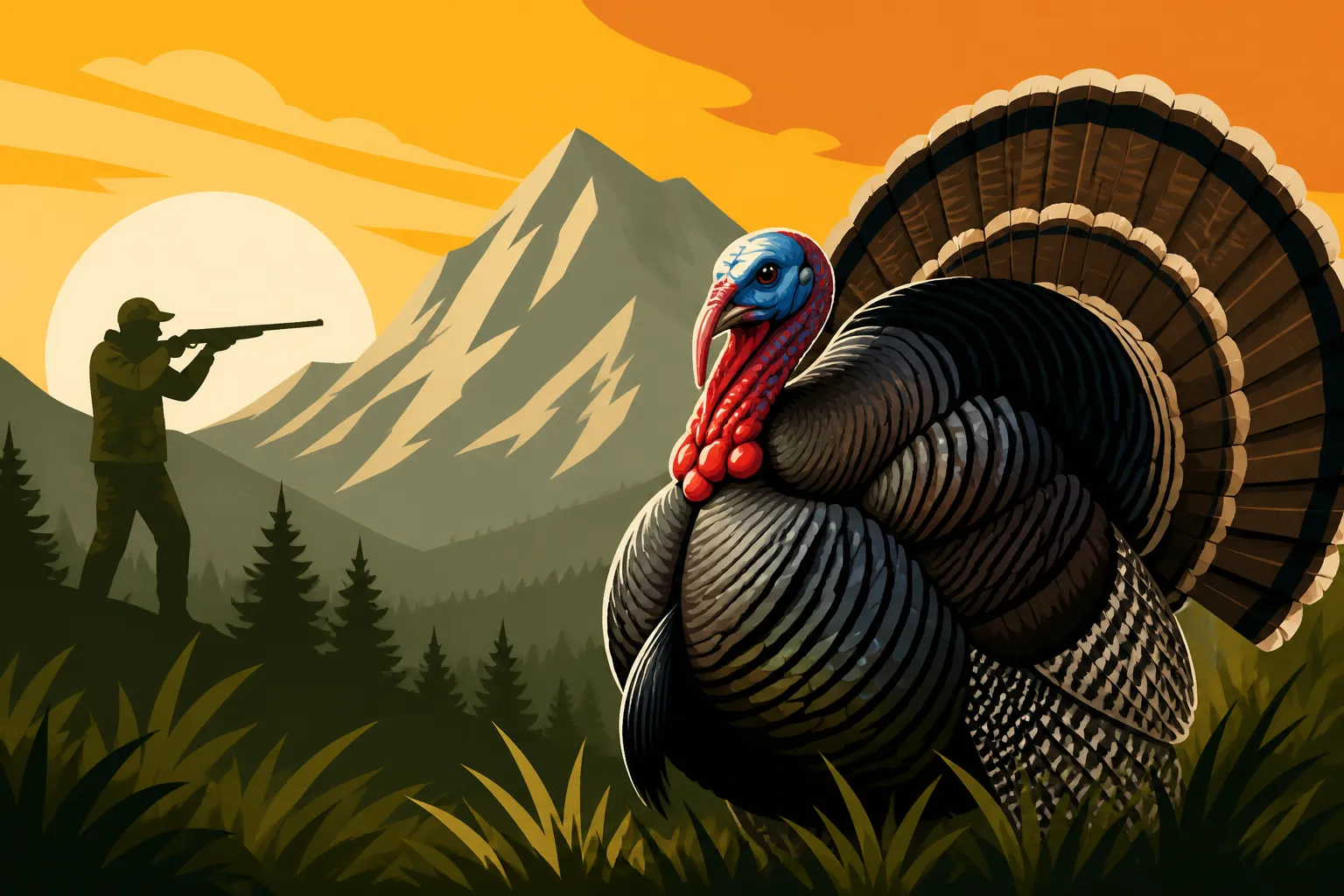
Many hunters in Oregon focus on big game, often overlooking the thrilling challenge and rewarding experience of turkey hunting. While the state might not immediately conjure images of strutting gobblers for everyone, Oregon actually hosts a robust population of Rio Grande turkeys. This guide will dive deep into understanding these elusive birds, where to find them, and the best strategies to successfully call in a tom across Oregon's diverse landscapes, helping you unlock a fantastic new hunting opportunity.
The Journey of Rio Grande Turkeys in Oregon
It might surprise some, but wild turkeys haven't always been a prominent fixture in Oregon's landscapes. The story of how the Rio Grande subspecies came to thrive here is a fascinating tale of reintroduction and successful adaptation, creating a vibrant hunting opportunity that many are now discovering.
How They Arrived and Thrived
The initial reintroduction of wild turkeys to Oregon began in the late 1960s and continued through the 1970s and beyond. The primary subspecies chosen for these efforts was the Rio Grande turkey, largely due to their adaptability to the semi-open, oak woodland, and agricultural fringe habitats found in many parts of Oregon, particularly in the southwestern and northeastern regions. These birds were sourced from states with established populations, carefully trapped, and then released into suitable areas across Oregon.
The rationale behind these introductions was straightforward: to establish a new, huntable game species and diversify Oregon's wildlife offerings. The habitat available, with its mix of timber, open fields, and riparian corridors, proved to be an excellent fit for Rio Grandes. Unlike some other turkey subspecies that prefer dense, unbroken forests, Rio Grandes thrive where woodland meets agricultural fields, where they can feed on grains, insects, and acorns, and then quickly retreat to cover. These early releases laid the groundwork for the robust Oregon Turkey Population Growth we see today, providing a testament to thoughtful wildlife management.
Where They've Spread Across the State
From those initial stocking sites, Rio Grande turkeys have truly expanded their range across much of Oregon. You'll find the highest concentrations, and subsequently the most consistent hunting opportunities, in specific regions. The Rogue Valley in southwestern Oregon is a prime example, with its rolling hills, oak savannahs, and scattered farms. The Umpqua Valley and even parts of the Willamette Valley also host healthy populations, especially where agricultural land borders river drainages and foothill timber. For hunters focusing on the Willamette Valley, there are often opportunities on programs like Hunting the Willamette Valley Open Fields Properties.
Further north, in parts of the Columbia Basin and even into the Blue Mountains foothills in northeast Oregon, Rio Grandes have also established themselves. These birds favor areas with a mosaic of ponderosa pine, oak, and agricultural fields. They are highly mobile birds, and their ability to disperse and colonize new, suitable habitats has been a key factor in their success. When you're thinking about chasing them, understanding these habitat preferences is crucial for effective scouting and locating birds. Even when looking at general hunting areas on a map like those detailed in Oregon's Wildlife Management Units and New Hunt Areas, knowing that turkeys prefer specific micro-habitats within those units is key.
Distinguishing Rio Grandes from Other Turkeys
While Oregon is predominantly home to Rio Grande turkeys, it's helpful to know how to identify them, especially if you happen into an area where their range might overlap with other subspecies, though this is rare for wild turkey hunting in the state. Rio Grandes are typically characterized by their lighter-colored tail fan tips and rump feathers, which are generally buff or tan, contrasting with the darker brown of Eastern turkeys or the white of Merriam's. Their body feathers often have a slightly iridescent green-copper sheen.
Size-wise, adult gobblers can be quite substantial, often weighing between 18-25 pounds, with hens being smaller. Their calls are quintessential turkey sounds – loud, clear gobbling, yelps, clucks, and purrs that can carry a long way through the open and semi-open country they inhabit. Understanding these characteristics not only helps with identification but also adds to the overall appreciation of these magnificent birds when you're out in the field.
Prime Habitat for Rio Grande Turkeys in Oregon
Understanding where Rio Grande turkeys prefer to spend their time is the foundation of successful hunting. These aren't deep-woods birds like some other subspecies; they thrive in a specific blend of cover, food, and water.
Oak Woodlands and Agricultural Edges
If you're searching for Rio Grandes in Oregon, put oak woodlands at the top of your list. These areas, particularly those interspersed with clearings or adjacent to agricultural fields, are absolute magnets for turkeys. The oak trees provide critical hard mast (acorns) which are a high-energy food source, especially in the fall and winter. As spring arrives, the new green growth and abundance of insects in these woodlands and field edges provide continuous forage.
Think about areas where cattle graze or where crops like wheat and hay are planted. Turkeys will often feed in these fields during the day, picking up spilled grain, bugs, and tender plants. They'll then retreat to the nearby oak or mixed timber stands for roosting at night and for midday loafing cover. This blend of open feeding grounds and secure roosting/loafing areas is ideal. When you're out scouting, look for old clearcuts or natural openings within these woodland blocks, as turkeys love to strut and display in open, visible spots. A platform like GoHunt can be incredibly helpful for layering satellite imagery to identify these distinct habitat types.
River Bottoms and Riparian Zones
Another key habitat feature for Oregon's Rio Grandes is river bottoms and riparian zones. These areas, characterized by dense vegetation along rivers, creeks, and drainages, offer several advantages. The thicker cover provides excellent protection from predators and the elements, especially during harsher weather. More importantly, these corridors often contain a consistent water source, which turkeys need daily, and a diverse array of food plants and insects.
The tall trees lining these waterways, such as cottonwoods and alders, also serve as prime roosting sites. Turkeys will fly up into these towering branches at dusk and fly down at first light. Concentrating your early morning scouting efforts along these river and creek corridors can often reveal roosting birds, providing a crucial starting point for your hunt. Listen for those first tree yelps and gobblers just before dawn, as they often emanate from these dense riverine areas.
Public vs. Private Land Access
Access is often the biggest hurdle for turkey hunters, and Oregon is no exception. While many strong turkey populations exist on private agricultural lands, there are definitely public land opportunities if you know where to look. National Forest lands, especially in the southwestern and northeastern parts of the state where oak and pine intermingle, can hold turkeys. Bureau of Land Management (BLM) lands also offer potential, particularly those with a mix of timber and brushy draws.
However, a significant portion of Oregon's best turkey hunting often occurs on private property. This means Asking Permission on Oregon By-Permission Land is a vital skill. Many landowners are open to turkey hunters, especially if turkeys are causing crop damage or they simply enjoy having respectful hunters on their land. Always approach landowners well in advance, be polite, and offer to share some of your harvest. Resources like the Oregon Department of Fish and Wildlife (ODFW) Access and Habitat program can also list Oregon Open Fields Properties and How to Find Them where public access is granted on private lands for specific seasons, including turkey. Always check the current regulations found in the Oregon Regulation Pamphlet Release Date for specific access rules and property designations.
| Habitat Type | Key Features | Turkey Activities | Access Challenges/Opportunities |
|---|---|---|---|
| Oak Woodlands | Acorns, open understory, scattered clearings | Feeding, loafing, strutting | Mix of public (Forest/BLM) and private land |
| Agricultural Field Edges | Grains, insects, tender plants, adjacent cover | Heavy feeding, daytime loafing | Primarily private, requires permission |
| River Bottoms/Riparian | Dense cover, tall trees, water, varied food | Roosting, watering, foraging, escape cover | Mix of public (state parks, public access points) and private |
| Mixed Pine-Oak Foothills | Transition zones, diverse vegetation | General foraging, roosting, escape terrain | Generally good public land potential |
Hunting Strategies for Oregon Rio Grandes
Successfully hunting Rio Grande turkeys in Oregon requires a blend of scouting, calling, and strategic setups. These birds can be vocal and responsive, but they can also be wary, making the challenge all the more rewarding.
Scouting Before the Season
Effective scouting is paramount, starting weeks or even months before the season opens. This isn't just about finding birds, but understanding their patterns. You're looking for roosting sites (often tall trees along river bottoms or on ridge tops), feeding areas (oak flats, grain fields), and travel corridors between the two. Look for tracks in soft soil, scat (larger and more coiled for gobblers), and shed feathers. Listen for gobbling at dawn and dusk, which can tell you where birds are roosting and give you an idea of the density.
Using tools like GoHunt's mapping features can be a game-changer for E-Scouting Oregon Units With Satellite Imagery. You can identify prime habitat from home, pinpoint potential roosting trees, and mark access points. Then, combine that digital intelligence with boots-on-the-ground reconnaissance. Drive forest roads, walk field edges, and spend time simply observing. The more you know about the specific turkeys in your chosen area, the better your chances will be when the season arrives. Remember, turkeys are creatures of habit, and finding their routine is key.
Calling Techniques That Work
Rio Grande turkeys are generally considered responsive to calling, which is good news for hunters. Mastering a few core calls is usually enough. The most important is the yelp – a series of clear, consistent notes from a hen, designed to attract a gobbler. You'll want to vary your yelps from soft, subtle ones to louder, more excited sequences, mimicking a hen searching for a mate.
Clucks are short, sharp notes that indicate contentment or curiosity, and can be used to get a tom's attention without being too aggressive. Pulls are soft, drawn-out sounds, often used when a bird is close and content. For aggressive gobblers, you might also incorporate a cutting sequence – a series of rapid, excited clucks that can really get a tom fired up. While less common, a gobble call can sometimes challenge a dominant tom or draw out a silent one, but use it sparingly as it can also attract other hunters. A good box call or slate call is a solid starting point, and for those who enjoy the challenge, a diaphragm call offers hands-free operation.
Setting Up for Success
Once you've located birds and started calling, your setup is critical. Turkeys have incredible eyesight, so concealment is non-negotiable. Full camouflage, including face mask and gloves, is a must. Find a spot with good back cover (a tree, bush, or rock) that breaks up your outline and allows you to sit still without being silhouetted. Ensure you have a clear shooting lane in the direction you expect the turkey to approach.
Decoys can be highly effective for Rio Grandes, especially a jake and hen combination to challenge a dominant gobbler. Place your decoys 20-30 yards from your setup, giving the incoming tom something to focus on other than your position. Remember that turkeys will often "hang up" just out of range, particularly if they've been pressured. Patience is a virtue, and sometimes going silent after an initial flurry of calls, or very subtly changing your calling location, can be the trick to drawing a wary tom into range.
Seasons, Tags, and Regulations Specific to Oregon Turkeys
Before you even think about hitting the woods, it's essential to understand Oregon's specific rules for turkey hunting. These regulations ensure sustainable populations and safe hunting practices for everyone.
Oregon Turkey Seasons and Tags
Oregon offers both spring and fall turkey hunting seasons, providing ample opportunity to pursue these birds. The spring season is typically the most popular, focusing on gobblers (bearded birds) when they are actively breeding and most vocal. This season usually runs from mid-April through May, often with a youth-only weekend to kick things off. Hunters generally purchase an Oregon Turkey Tag Cost which permits them to take one turkey, and sometimes an additional tag can be purchased for a second bird in certain units.
The fall season is usually shorter and allows for taking either sex of turkey. This can be a challenging but rewarding hunt, as turkeys are less vocal outside of the breeding season. Specific Oregon Fall Turkey Hunts dates vary, so always consult the current ODFW hunting regulations. You'll also need a valid hunting license and an Oregon Upland Bird Validation in addition to your turkey tag. Remember, tags are usually purchased over-the-counter and are not part of the controlled hunt draw system for big game.
Important Rules and Considerations
Beyond seasons and tags, there are several key regulations to be aware of.
- Bag Limits: Pay close attention to the specific bag limits for the unit and season you are hunting. Typically, spring seasons allow for one or two bearded turkeys, while fall seasons might allow for one turkey of either sex.
- Legal Weapons: Shotguns (ranging from 10 gauge to 20 gauge) with appropriate shotshells (e.g., #4, #5, #6 shot) are common. Archery equipment is also a popular and challenging method. Rifles are generally not allowed for turkey hunting in Oregon. Always verify legal weapon types in the current regulations.
- Hunting Hours: Typically, hunting is permitted from a half-hour before sunrise to a half-hour after sunset. Check the specific regulations for any variations.
- Blinds: Portable blinds are legal for turkey hunting, but remember to ensure they are adequately marked if left unattended, and never leave trash or permanent structures.
Always carry your valid hunting license and tag, and adhere to all ethical hunting practices, including knowing your target and what's beyond it. Be mindful of other hunters, especially on public lands, and consider wearing hunter orange when walking in and out of your hunting area, though it's not required while actively hunting turkeys.
Mandatory Harvest Reporting
One regulation that sometimes catches hunters off guard is the mandatory harvest reporting requirement. In Oregon, all hunters who purchase a turkey tag, whether they harvested a bird or not, must report their hunt. This data is critical for ODFW to manage populations effectively. There's a specific Oregon Harvest Report Deadline in January (and sometimes an earlier one for certain fall hunts) that you must meet.
Failing to report your harvest by the deadline can result in a What the $25 Oregon Reporting Penalty Costs You being added to your next license or tag purchase. It's a simple process that can be done online through the ODFW licensing system, so don't let it slip your mind! This reporting system applies to most big game species as well, as highlighted in Oregon Mandatory Harvest Reporting and the $25 Penalty. Make it a habit to report your hunt as soon as it's concluded, or at least mark your calendar for the deadline.
Essential Gear for Chasing Oregon Rio Grandes
Having the right gear won't guarantee success, but it will certainly make your hunt more comfortable, safer, and increase your odds. Turkey hunting doesn't require an overwhelming amount of specialized equipment, but a few key items are absolutely essential.
Shotgun and Ammunition Choice
For shotgun hunters, the choice of firearm and ammunition is crucial. Most turkey hunters opt for a 12-gauge or 20-gauge shotgun. The key isn't necessarily the largest gauge, but rather a good patterning shotgun paired with the right choke and shells. A full or extra-full choke is standard for turkey hunting, as it delivers a tight pattern at distances out to 40 yards or more.
When it comes to ammunition, specialized turkey loads are highly recommended. These shells typically use larger, harder shot (like #4, #5, or #6 lead, or tungsten-based alternatives) at higher velocities, designed to deliver maximum energy and penetration on a turkey's head and neck. Pattern your chosen shotgun, choke, and ammunition combination thoroughly before the season. Knowing your effective range is paramount for clean, ethical kills. Many hunters practice shooting at turkey head targets at various distances to understand their setup's capabilities.
Camouflage and Concealment
Turkeys are renowned for their incredible eyesight – they see in color and have a wide field of view. This means camouflage from head to toe is non-negotiable. You'll want patterns that blend into the specific Oregon environment you're hunting, whether that's the greens and browns of oak woodlands or the muted tones of sagebrush country.
Beyond your clothing, think about accessories. A face mask or face paint is critical to conceal your skin, and gloves will cover your hands. Many hunters also use a small, portable blind or a camouflaged umbrella blind to break up their silhouette further. Remember, movement is your enemy. The best camouflage in the world won't help if you're fidgeting. Practice sitting still for extended periods, as patience is often rewarded in turkey hunting.
Calls, Decoys, and Optics
These are the tools you'll use to interact with and locate turkeys.
- Calls: As discussed, a variety of calls is helpful. A box call is easy to use and produces excellent yelps. A slate call (or pot call) offers versatility with different surfaces (slate, glass, aluminum) for various tones. Diaphragm calls (mouth calls) are more challenging to master but allow for hands-free calling. Carry at least two different types, as turkeys can sometimes respond better to one sound over another.
- Decoys: A hen decoy is a great starting point, often enough to draw in a curious gobbler. Adding a jake decoy can be even more effective, as it challenges dominant gobblers to come investigate and assert their dominance. Some hunters even use full-strut gobbler decoys for aggressive situations. Place them to provide an attractive visual for the turkey and to draw their attention away from your position.
- Optics: While not strictly necessary for turkey hunting at close range, a good pair of binoculars can be invaluable for spotting turkeys at a distance, especially when scouting or trying to confirm a gobbler's location without moving. They're also useful for identifying habitat features from afar. Some hunters also carry a small rangefinder to precisely determine the distance to their decoys or potential shooting lanes.
Bringing a small pack with water, snacks, a headlamp, and a small first-aid kit rounds out your essential gear, ensuring you're prepared for whatever the Oregon wild throws your way.
Disclaimer
This article is for general informational purposes only and does not constitute professional advice. Laws, prices and regulations vary by location and change over time. Consult a qualified professional for guidance on your specific situation.