Hunting the Willamette Valley Open Fields Properties
Finding good, accessible hunting ground in the heavily populated Willamette Valley can feel like an impossible task. With so much private land and urban sprawl, many hunters throw their hands up and head east or to the Coast Range. But there’s a valuable, often-overlooked opportunity right in our backyard: Oregon's Open Fields program. This guide will walk you through everything you need to know to successfully hunt these unique properties.
Understanding Oregon's Open Fields Program
Oregon's landscapes are incredibly diverse, from the high desert sagebrush to the dense coastal rainforests. But right here in the heart of the state, the Willamette Valley presents a unique challenge for hunters: a vast amount of productive agricultural land is privately owned, making public access a real headache. That's where the Oregon Department of Fish and Wildlife (ODFW) steps in with its innovative Open Fields program, designed to bridge the gap between private landowners and public hunters.
What is the Open Fields Program?
At its core, the Open Fields program is a partnership between ODFW and private landowners. Many farmers and ranchers in the Willamette Valley face significant issues with wildlife damaging their crops or forage. Geese, for instance, can absolutely devastate winter pastures and newly planted fields, leading to substantial economic losses for landowners. Rather than just offering compensation, ODFW works to facilitate hunting access on these lands as a primary method of wildlife damage control. In exchange for allowing public hunting access, landowners receive financial incentives from ODFW. This program is a win-win: landowners get help managing problem wildlife, and hunters gain precious access to private lands that would otherwise be off-limits.
These properties are often prime agricultural fields, pastures, and associated riparian areas. They're typically in areas where traditional public lands are scarce, offering an entirely different hunting experience than what you might find in a national forest or BLM parcel. The program focuses heavily on species that cause agricultural damage, with waterfowl like geese and ducks being primary targets, as well as upland birds like pheasant or quail, and even predators suchates coyotes. The ODFW website is the official hub for information, listing available properties and their specific rules. You can find more details on how these agreements work under Oregon Open Fields Per-Acre Landowner Payments.
How Does it Benefit Hunters?
For hunters, the benefits of the Open Fields program are huge. First and foremost, it provides access. In areas like the Willamette Valley, where private property dominates, simply having a place to go hunt legally is a tremendous advantage. This program opens up thousands of acres that would otherwise require direct landowner permission, which can be an intimidating process for many.
Secondly, these properties often hold high concentrations of game. Since the program's existence is tied to managing wildlife damage, you're frequently hunting areas where game animals are actively feeding and congregating. This means potentially better success rates compared to heavily pressured public lands. For waterfowl hunters, specifically, these fields often represent critical feeding grounds for migrating birds, offering exceptional opportunities that are hard to come by elsewhere. For upland bird hunters, planted cover crops or brushy field edges can provide fantastic habitat. Finally, by utilizing Open Fields properties, you're helping to alleviate hunting pressure on other, often smaller, public land parcels, distributing hunters more evenly across the landscape. It's a testament to responsible wildlife management that truly benefits both wildlife and the hunting community.
Key Differences from Other Access Programs
While Oregon has several programs designed to enhance public access, Open Fields stands out with its unique focus and structure. You might be familiar with the Access and Habitat (A&H) program, which also involves partnerships with private landowners. The A&H program, however, often focuses on improving habitat and providing access for a broader range of species, including big game, sometimes with more extensive infrastructure like parking areas or walk-in access points. While some A&H projects might resemble Open Fields in providing field access, the primary driver for Open Fields is explicitly wildlife damage control through hunting.
Another common access method is the "By-Permission" system, where ODFW helps connect hunters with landowners willing to grant access directly. These are often "Yellow Flag" properties on the ODFW hunting map. With By-Permission, you typically need to contact the landowner, introduce yourself, and get explicit permission. This can involve phone calls, emails, or even in-person visits. In contrast, many Open Fields properties operate under "Green Flag" rules, meaning you simply show up and hunt, adhering to the posted regulations, without needing to make prior contact. This direct, no-fuss access is a major distinction, making these properties incredibly convenient for spontaneous hunting trips. Understanding these distinctions, and knowing when you need to be contacting a landowner or when you can just walk in, is crucial for being a responsible and legal hunter in Oregon.
Navigating Willamette Valley's Unique Hunting Landscape
The Willamette Valley, stretching from Portland south to Eugene, is a vibrant agricultural and urban corridor, fundamentally different from the vast national forests or high desert plains typically associated with hunting in Oregon. This unique environment presents both challenges and surprising opportunities for those willing to adapt.
The Challenge of Limited Public Land
Let's be real: hunting in the Willamette Valley is tough if you're solely relying on public land. The valley floor is overwhelmingly privately owned, often by multi-generational farming families. What little public land exists is frequently in small, fragmented parcels, like county parks, state forests, or wildlife areas, many of which have significant restrictions or are closed to hunting altogether due to their proximity to population centers. This scarcity of open ground can be incredibly frustrating, pushing many hunters to drive hours eastward or westward to find a place to pursue game. The urban and suburban sprawl also means increased human activity, noise, and safety considerations that aren't typically a concern in more remote hunting units. It's not uncommon to find housing developments bumping right up against what little natural habitat remains, making ethical and legal hunting even more critical.
Common Game Species in Open Fields
Given the agricultural nature of most Open Fields properties, the primary target species are those that frequent farm country. Waterfowl, particularly geese and ducks, are hands down the most common draw. The Willamette Valley is a critical wintering ground and migratory corridor for huge numbers of geese, including Cackling, Canada, and often Greater White-fronted Geese, as well as various duck species. These birds rely heavily on agricultural fields for foraging, especially during the colder months when natural food sources are scarce. Hunting Willamette Valley Goose Damage Ground is a specific focus of many Open Fields properties.
Beyond waterfowl, you might find opportunities for upland birds like pheasants and quail, particularly if the fields have good edge cover, brushy ditches, or unharvested strips that provide habitat. Some Open Fields properties might also offer limited opportunities for deer or even elk, especially if they border timbered areas or river bottoms. However, these are less common targets in the "open fields" context. For deer, you'd be looking for blacktails that might use field edges for feeding, requiring specialized tactics like Still-Hunting Blacktails in Wet Oregon Coastal Brush or understanding Edge Cover Blacktails Bed In. Lastly, predators like coyotes are often present, drawn by the abundance of rodents and waterfowl. Hunting coyotes can be a year-round pursuit and an excellent way to gain experience in these unique environments.
Respecting Agricultural Operations and Property Boundaries
This is perhaps the most critical aspect of hunting Open Fields properties: you are a guest on private land, operating amidst ongoing agricultural operations. Respect for the landowner, their property, and their livelihood is paramount. This means several things in practice. Always be aware of your surroundings; machinery might be operating, irrigation systems could be in place, and livestock might be nearby. Never drive off designated access roads or park in a way that blocks gates or farm equipment access. Leaving gates and fences as you found them is not just a courtesy; it's a fundamental rule of hunting private land. Leaving Gates and Fences as You Found Them is essential to maintaining landowner goodwill.
Property boundaries are non-negotiable. Even if the field next door looks identical, it might not be part of the Open Fields program. Utilize GPS mapping tools like GoHunt, or other similar apps, to clearly identify the boundaries of the designated hunting area. These apps offer detailed land ownership layers that can be a lifesaver in avoiding accidental trespass. Ignorance of boundaries is not an excuse. Beyond legal boundaries, be mindful of unharvested crops or sensitive areas. Never shoot into or across cultivated fields unless specifically permitted and without risk of damage. Adhering to these principles ensures continued access for all hunters and fosters positive relationships with the agricultural community.
Finding and Accessing Open Fields Properties
Locating and understanding the rules for Open Fields properties can sometimes feel like a treasure hunt, but with the right tools and approach, it’s entirely manageable. The key is knowing where to look and how to interpret the information provided by ODFW.
Utilizing ODFW's Online Tools and Maps
The most current and accurate information for Oregon's Open Fields program is always found directly on the Oregon Department of Fish and Wildlife (ODFW) website. They maintain an interactive map and a list of properties that are part of the program. Think of it as your primary source of truth.
When you navigate to the ODFW hunting access section, look for the "Willamette Valley Green/Yellow Dot Program" or "Open Fields Program" links. This will typically lead you to a dynamic map showing various properties across the valley. Each property will have markers, often color-coded, indicating the type of access. Clicking on a specific property marker usually brings up a pop-up window with detailed information:
- Property Name: Identifies the specific location.
- Acres: Gives you an idea of the size of the hunting area.
- Game Species: Lists what you can legally hunt on that particular parcel (e.g., waterfowl, upland birds, coyotes).
- Access Type: Crucially, this will tell you if it's a "Green Flag" (open access) or "Yellow Flag" (by-permission) property.
- Special Rules: This is where you'll find property-specific regulations, such as walk-in only access, specific parking areas, safety zones, limitations on hunting days, or restrictions on certain types of firearms. Always read these carefully.
These maps are regularly updated, especially for waterfowl and upland seasons, so it's a good practice to check back frequently before heading out. Downloading and reviewing these maps before you leave home is highly recommended, as cell service can be spotty in some rural areas.
Reading the Green Flag and Yellow Flag Designations
Understanding the "Green Flag" and "Yellow Flag" system is crucial for legal and ethical hunting on Open Fields properties. This system simplifies hunter-landowner interaction by clearly outlining the access requirements.
-
Green Flag Properties: These are the most straightforward. "Green Flag" indicates that the property is open for public hunting without the need for prior contact with the landowner. You can typically just show up, park in a designated area (if specified), and hunt according to the general regulations and any specific rules posted for that property. Think of these as essentially public access, but on private land. These are often the easiest properties for a new hunter to start with, as they remove the hurdle of making personal contact. However, "Green Flag" doesn't mean "anything goes." You are still a guest, and adherence to all regulations, including respecting property boundaries and leaving no trace, is vital.
-
Yellow Flag Properties: These require a bit more effort. "Yellow Flag" means the property is available for hunting, but you must contact the landowner (or designated contact person) and obtain explicit permission before you hunt. The ODFW website or maps will usually provide contact information for these properties. When contacting a landowner, be polite, clearly state your intentions, and be flexible with their schedule. Ask about specific access points, any additional rules they might have, and if there are areas they prefer you avoid. This is a great opportunity to build goodwill and potentially secure future hunting access. Remember, landowners are doing you a favor, so a "no" should always be met with graciousness. For tips on how to approach these conversations, look into Asking a Landowner for Access.
The Importance of Pre-Season Scouting
Just like any other hunt, successful outings on Open Fields properties often begin long before opening day with thorough scouting. This is particularly true in the Willamette Valley, where conditions can change rapidly and local knowledge is a huge advantage.
-
E-Scouting: Start your scouting from home using digital tools. The ODFW online maps are your starting point, but combine that with satellite imagery from Google Earth or apps like GoHunt. Look for key features: potential access roads, parking areas, property boundaries (GoHunt is excellent for this with its parcel data), water sources, likely game travel corridors, and suitable cover. For waterfowl, identify likely roosting or loafing areas nearby and flight paths to/from the target fields. For upland birds, look for hedgerows, tall grass, or brushy areas within or adjacent to the fields. E-Scouting Oregon Units With Satellite Imagery can provide a general framework for this digital preparation, even though the scale is different for valley fields.
-
Physical Scouting: If possible, a physical visit to the property (during non-hunting hours and with respect to any private property signage) can provide invaluable real-time information. This is especially true for Yellow Flag properties after you've secured permission. Confirm access points, identify any unposted hazards, check water levels in ditches or ponds, and look for recent sign (tracks, droppings, feeding activity). Pay attention to specific habitat types within the general field – a small patch of weeds, a drainage ditch, or a stand of blackberries can hold game. Observing where birds are actively feeding or flying can dictate your setup on hunting day. A combination of digital and boots-on-the-ground scouting will significantly increase your odds of success.
Hunting Strategies for Willamette Valley Open Fields
Hunting in the Willamette Valley's Open Fields requires a distinct approach compared to the vast timber or rimrock country of other parts of Oregon. Success here often hinges on understanding bird behavior, adapting to agricultural landscapes, and making the most of limited cover.
Waterfowl and Upland Bird Tactics
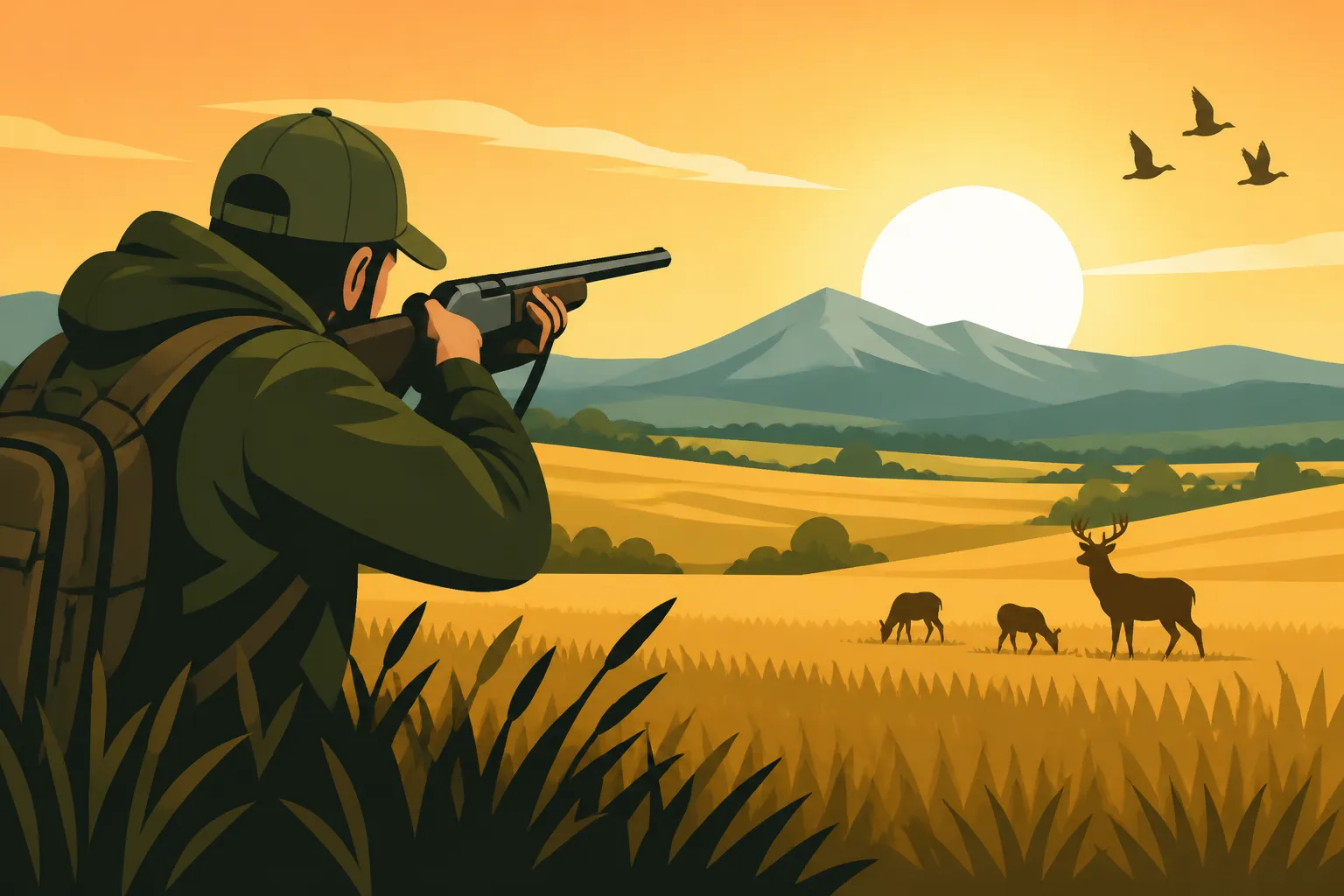
The Willamette Valley is famous for its waterfowl, and the Open Fields properties are often established precisely to help mitigate agricultural damage caused by geese and ducks. Therefore, waterfowl hunting is a major draw.
-
Waterfowl: When hunting ducks and geese in open fields, decoys are your best friend. A spread of full-body or shell decoys can be incredibly effective in pulling birds from a distance. For geese, a spread of two to three dozen decoys often works well, focusing on realistic poses and varying distances. For ducks, a smaller spread of half a dozen to a dozen decoys, especially if placed near a water source or puddle in a field, can be deadly. Combine your decoy spread with good calling. Learning to replicate the honks and clucks of Canada geese or the contented chatter of feeding ducks will greatly enhance your success. You'll need to focus on concealment; open fields offer little natural cover. Layout blinds are almost essential, allowing you to hide effectively while providing a comfortable, low-profile position. Alternatively, utilizing natural ditches, fence lines, or hay bales can offer some concealment, but be mindful of your silhouette. Remember, successful waterfowl hunting is as much about observation as it is about shooting – watch how the birds approach, where they want to land, and adjust your setup accordingly. Read more about these methods in Waterfowl and Upland Birds as a Second Season.
-
Upland Birds: While less common than waterfowl, some Open Fields properties with good edge cover, brushy ditches, or unharvested strips might hold pheasants, quail, or even partridge. For these hunts, a good bird dog is invaluable. Dogs can locate birds, flush them, and retrieve downed game in thick cover that humans would struggle to penetrate. Without a dog, still-hunting slowly along field edges, through standing corn, or in dense brush can push birds out. Focus on areas where different types of cover meet, as these "edge habitats" are often preferred by upland species. Flanking movements with a hunting partner can also be effective to push birds towards one hunter. Be mindful of shot zones and ensuring a safe backdrop, especially in more populated areas of the valley.
Predator Calling for Coyotes
Coyote hunting in the Willamette Valley's Open Fields offers another year-round opportunity and can be an exciting challenge. These properties often attract coyotes due to the abundance of prey species like rodents, rabbits, and even injured or vulnerable waterfowl.
- Setting Up: Finding a good setup location is paramount for coyote calling in open terrain. You need a vantage point that allows you to see approaching coyotes from a distance, giving you time to react. Often, this means setting up on a slight rise or at the edge of a field that offers a clear view. Position yourself with the wind in your favor, as coyotes have an incredible sense of smell and will circle downwind to scent-check the area. Consider the sun's position to avoid glare and to keep yourself in the shadows.
- Call Types and Technique: Electronic calls are highly effective for coyotes, allowing for a wide range of realistic sounds. Electronic Calls and What Oregon Allows provides specific guidance on legal use. Start with distress calls like a rabbit in distress or a fawn bleat. Play the call for 30-60 seconds, then pause for several minutes, scanning the landscape constantly. Coyotes can appear out of nowhere. Vary the volume and intensity of your calls. If no coyote responds, switch to another sound, like a coyote pup distress or even a bird distress call. Sometimes, a series of short, sharp barks can also pique their interest. Remain still and quiet between calling sequences.
- Safety and Persistence: Always use good shooting sticks or a bipod for stability, as coyotes often present small targets at longer ranges. Be absolutely certain of your target and what's beyond it. Persistence is key; not every stand will produce a coyote, but the more time you spend out there, the better your chances. Hunting coyotes on these properties also contributes to managing predator populations, which can benefit ground-nesting birds and other small game. Coyote Calling in Open Sage Country offers more general advice that can be adapted to valley fields.
Approaching Deer and Elk
While Open Fields properties are primarily known for birds and coyotes, there can be limited opportunities for deer and, occasionally, elk, especially on properties that border riparian areas, woodlots, or larger timber blocks. These opportunities are generally less common and require even more specialized tactics.
-
Deer: Blacktail deer are native to western Oregon and can be found utilizing the edges of agricultural fields, especially during dawn and dusk as they move between bedding cover and feeding areas. If an Open Fields property includes some brushy creek bottoms or small patches of timber, these areas become prime targets. Still-hunting along these edges, especially in the early morning or late evening, can be productive. Look for fresh tracks, rub lines, or feeding sign where deer enter the fields. Patience and extreme stealth are critical. The open nature of these fields means any movement will be easily spotted by wary deer. Using optics to thoroughly glass field edges from a distance before moving in is essential.
-
Elk: Encountering elk on an Open Fields property in the Willamette Valley is much rarer, but not impossible, especially if the property is located near the foothills of the Coast Range or Cascades, where elk herds range. Roosevelt elk, for example, might occasionally venture into open fields at night to feed. If you have a property with confirmed elk activity, your strategy will likely involve setting up to intercept them as they move from heavy cover to the fields at first light or last light. This might mean finding a concealed position overlooking a known travel corridor or a favored feeding patch. Given the limited cover, long-range shooting opportunities might present themselves, so be proficient with your rifle and rangefinder. Always consult the specific property rules for any restrictions on big game hunting, as some Open Fields agreements might exclude it. The focus of the Open Fields program is generally not on big game, so temper your expectations for these encounters.
Essential Gear and Hunter Etiquette for Open Fields
Having the right gear and, perhaps even more importantly, the right mindset and ethical approach, are critical for a successful and responsible hunting experience on Willamette Valley Open Fields properties.
Recommended Gear for Field Hunting
Your gear list for Open Fields will vary depending on what you're hunting, but some items are universally helpful and even essential in these agricultural settings.
- Appropriate Clothing: The Willamette Valley weather can be notoriously unpredictable. Layers are always key. Given the open nature of fields, good camouflage or drab, earthy tones are important for blending in. For waterfowl, waterproof outer layers are non-negotiable – expect mud, dew, and possibly rain. Rain Gear That Actually Stays Dry is a worthy investment.
- Footwear: Forget your stiff mountain boots for most of these hunts. Waterproof, comfortable rubber boots or ankle-high mud boots are often ideal for navigating wet, muddy fields and ditches. Your feet will thank you. Boots for Wet Coastal Hunting provides excellent advice on suitable choices.
- Optics: Binoculars (8x or 10x) are essential for scanning fields for game, locating potential hazards, and identifying birds at a distance. A rangefinder is also highly recommended, especially for coyote hunting or any longer shots in open country.
- Concealment: For waterfowl, a layout blind is almost a necessity for effective concealment in open fields. For upland birds or coyotes, natural cover might suffice, but a small camo pop-up blind or even a simple camo net can make a big difference.
- Game-Specific Gear: If waterfowl hunting, bring your decoys, calls, and perhaps a retrieving dog. For upland birds, a good vest with plenty of shell loops and a game pouch is handy. For coyotes, electronic calls are often preferred, along with shooting sticks.
- Safety Gear: Always carry a first-aid kit, a fully charged cell phone (though service can be spotty), and let someone know your hunt plan. Bright orange is often required or highly recommended during certain seasons or when hunting with multiple people to enhance visibility and safety.
Adhering to Program Rules and Regulations
The Open Fields program thrives on cooperation and adherence to rules. Breaking them jeopardizes access for everyone.
- Know the Specifics: Each property might have unique rules posted online or at the access point. This could include designated parking areas, walk-in only restrictions, specific hunting days/hours, or limitations on firearm types. Do not assume general regulations apply universally.
- Harvest Reporting: Oregon has mandatory harvest reporting for many game species. After a successful hunt, you are legally required to report your take. Failing to do so can result in penalties. Oregon Mandatory Harvest Reporting and the $25 Penalty outlines these obligations. Ensure you understand what needs to be reported and by when.
- Leave No Trace: Pack out everything you pack in, including spent shotgun shells, food wrappers, and any trash. Leave the property cleaner than you found it. This respects the landowner and the environment.
- Vehicle Use: Stick to designated roads and parking areas. Never drive off-road unless explicitly permitted, as agricultural fields are easily damaged, especially when wet.
- Respect Safety Zones: Be aware of dwellings, outbuildings, and livestock on or near the property. Maintain safe shooting distances from all structures and people, well beyond the minimum legal requirements.
Being a Good Steward of the Land
Beyond simply following rules, being a good steward means actively contributing to the longevity and success of the Open Fields program.
- Landowner Relations: If it's a Yellow Flag property, establish a polite and respectful relationship with the landowner. Even on Green Flag properties, if you happen to encounter the landowner, a simple "thank you" goes a long way.
- Report Concerns: If you notice illegal activity, excessive trash, or damage on an Open Fields property, report it to ODFW. This helps them maintain the integrity of the program.
- Educate Others: Share your knowledge of ethical hunting and responsible land use with fellow hunters. The more hunters who act as good stewards, the stronger the program becomes.
- Support the Program: Remember that the Open Fields program is funded by hunter dollars (e.g., through license and tag sales). Your participation, adherence to rules, and positive attitude help demonstrate the value of this program to landowners and ODFW. The goal is to ensure this vital access remains available for generations of Oregon hunters.
Disclaimer
The information provided in this guide is for general informational purposes only and does not constitute legal advice. Hunting regulations and property access rules can change frequently. Always consult the most current Oregon Department of Fish and Wildlife (ODFW) regulations, maps, and specific property rules before engaging in any hunting activity. It is the hunter's responsibility to know and obey all applicable laws and regulations.