Asking a Landowner for Access
Navigating the world of Oregon hunting can often feel like a puzzle, especially when it comes to finding places to pursue your passion. With increasing pressure on public lands and limited general season opportunities, securing access to private property can be a game-changer for many hunters. This guide is here to walk you through the often intimidating, but incredibly rewarding, process of respectfully approaching landowners and asking for access to their land for hunting.
Understanding Oregon's Land Access Landscape
Let's face it, finding a prime hunting spot in Oregon can feel like searching for a needle in a haystack, especially if you're sticking solely to public land. While our national forests and BLM lands offer incredible opportunities, they also see a lot of pressure. That's where private land comes in.
The Public vs. Private Dichotomy
Oregon boasts a remarkable amount of public land, from the dense timber of the Coast Range to the expansive high desert of the east. These lands are fundamental to our hunting heritage, offering vast spaces for exploration. However, with growing hunter numbers and increased recreational use, these areas can often feel crowded, particularly during popular seasons like the general buck rifle hunt. Finding solitude and unpressured game can be a real challenge.
On the flip side, private land—farms, ranches, timber company holdings, and even smaller rural parcels—often holds excellent game populations that are less disturbed. These areas can provide refuge for deer and elk, offering them better forage and security cover away from constant human presence. The problem, of course, is that private land is, well, private. Access isn't guaranteed, and crossing those fences without permission is a serious violation that can cost you dearly.
Types of Private Land and Their Owners
In Oregon, private land ownership is incredibly diverse. You might be looking at a sprawling cattle ranch in Eastern Oregon, where hundreds of acres are dedicated to grazing and hay production. These landowners often view hunters as a way to manage wildlife populations that might impact their crops or fences. Then there are the vast tracts of timberland, owned by companies like Weyerhaeuser or Hancock, which sometimes offer access permits or are part of cooperative programs. Understanding these different types of ownership is the first step in tailoring your approach.
Smaller private holdings, hobby farms, or even residential properties on the edge of prime habitat also fall into this category. The owners here might have different concerns, perhaps about safety, livestock, or simply privacy. Each type of landowner and property presents a unique set of considerations when you prepare to make your request. For some, it's about nuisance animal control; for others, it's about respectful coexistence. Knowing who you're talking to and what their primary interest in their land might be can help you frame your request effectively.
Preparing for the Conversation: Doing Your Homework
You wouldn't show up to a job interview without a resume, right? The same goes for asking a landowner for hunting access. Preparation is absolutely key to making a good impression and increasing your chances of success.
Researching the Property and Landowner
Before you even think about knocking on a door or making a call, do your homework. Start by identifying the specific parcel you're interested in. Online mapping tools are invaluable here. Applications like GoHunt provide detailed satellite imagery and property boundary overlays, often showing landowner names. This allows you to pinpoint the exact property you're eyeing and find out who owns it. County assessor websites also offer public records that can confirm ownership details.
Beyond just ownership, try to understand the property itself. Is it actively farmed or ranched? Is it timberland? Are there homes or outbuildings nearby? Understanding the lay of the land, potential access points, and any obvious sensitive areas will not only impress the landowner but also show that you've put thought into your request and aren't just blindly asking. This initial reconnaissance is crucial for E-Scouting Oregon Units With Satellite Imagery and making an informed approach.
Knowing the Regulations and Seasons
Nothing tanks your credibility faster than not knowing the rules. Before you talk to a landowner, be intimately familiar with the hunting regulations for that specific area. What game species are you targeting? What are the season dates? Is it a general season tag, or are you hoping to use a controlled hunt tag? Do you understand the specific unit boundaries? Having these details locked down shows you're a serious, responsible hunter.
For instance, if you're hoping to hunt a particular unit for Oregon Buck Deer Season Opening Day, be sure you can articulate that clearly. Knowing whether you have an Oregon General Season Versus Controlled Hunt Tags is also vital, as some landowners might be more willing to grant access for one over the other, especially if it helps them manage specific issues. Showing this level of preparedness demonstrates your respect for the rules and for their property.
Crafting Your Approach
Once your research is complete, think about how you'll present yourself. Your appearance matters. Dress neatly and respectfully; avoid camouflage unless it’s very subtle, as it can sometimes be perceived as overly aggressive. Think clean, casual, and presentable. Bring a physical map of their property (you can print one from GoHunt) with the areas you're interested in marked, along with your hunting license and tag information.
Consider writing down a few bullet points of what you want to say, including who you are, what you're asking for, and any relevant details (e.g., "I'm interested in archery deer hunting in September"). Having a clear, concise pitch will help you stay calm and articulate, especially if you're a bit nervous. Remember, you're asking for a privilege, not asserting a right, so a humble and prepared demeanor is crucial.
The Art of Asking: Making the Request
This is where the rubber meets the road. It’s natural to feel a bit apprehensive, but approaching landowners with confidence and courtesy can make all the difference.
Timing and Etiquette
Timing is everything. Avoid knocking on doors during meal times (early morning, noon, or late evening) or during busy farming activities like harvest or planting. Weekends or late afternoons on a weekday are often best. If you can’t make personal contact, a polite, handwritten letter can be a good alternative, clearly stating your intentions and providing your contact information. Be prepared for a conversation, not just a quick "yes" or "no."
When you approach, do so with respect. Park your vehicle in a visible, non-obstructive place. Walk up to the door and be prepared to state your purpose clearly and concisely. If there’s a "No Trespassing" sign, that's a clear indicator that permission is not granted, and you should not proceed without explicit prior invitation. However, if there are no such signs, a polite knock is perfectly acceptable. Remember to respect their time and privacy at all costs.
What to Say and How to Present Yourself
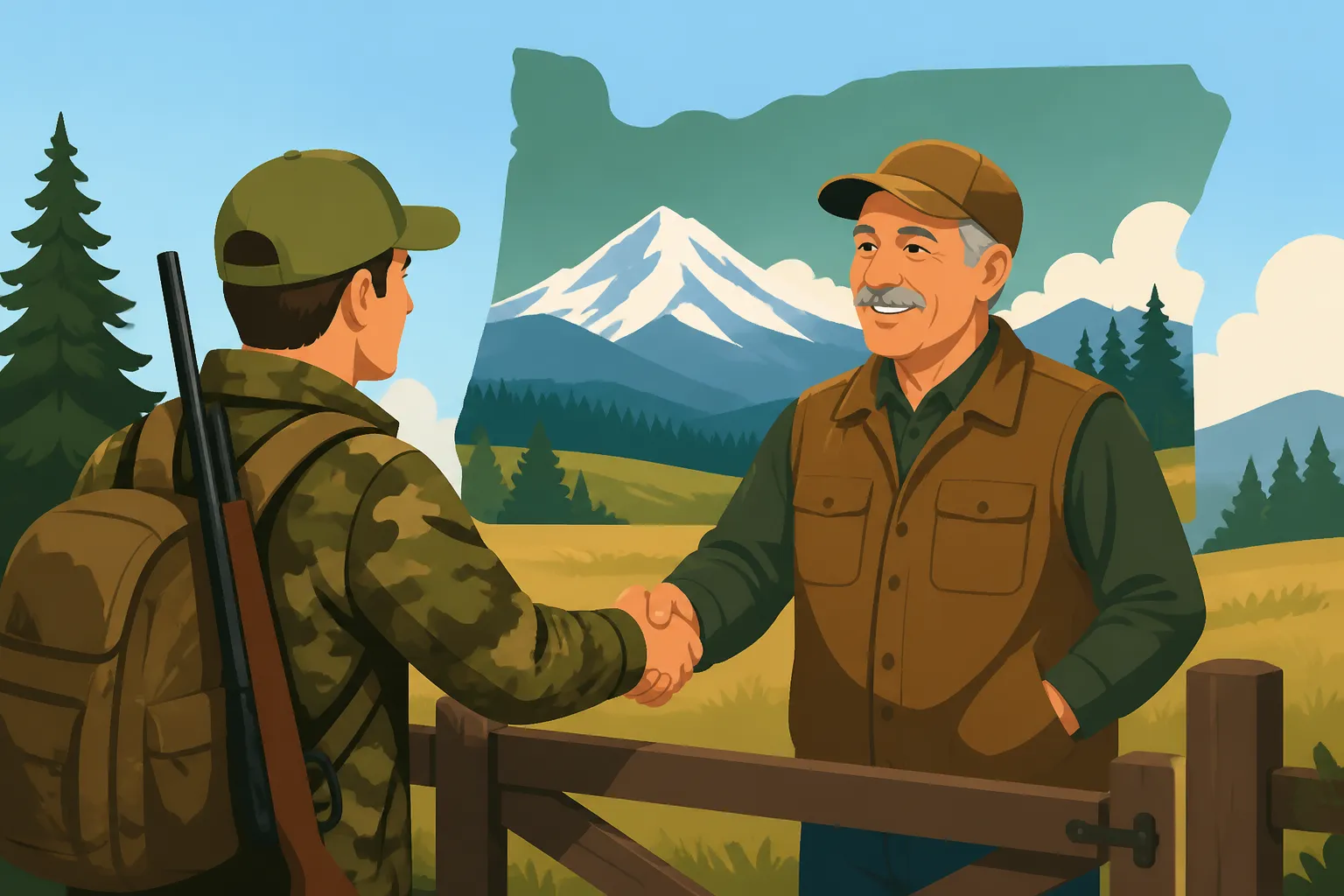
When the landowner answers, introduce yourself immediately. "Hi, my name is [Your Name], and I'm a local hunter. I was hoping to speak with you for a few minutes about the possibility of hunting on your property this season." Be polite, make eye contact, and smile. State clearly what you are asking for – for example, "I'm hoping to hunt deer with my rifle during the Oregon Roosevelt Elk Rifle Seasons in November if you permit that."
Emphasize your respect for their property, your adherence to safety, and your willingness to follow any rules they might have. Offer to share some of your harvest if that feels appropriate and authentic for you. Let them know you'll be respectful of fences, gates, and any livestock. You might say, "I'm very careful about Leaving Gates and Fences as You Found Them, and I'm a firm believer in ethical hunting practices." Showing your Oregon Hunter Education Requirements card can also add to your credibility. The goal is to build trust and demonstrate you're a responsible individual they can feel comfortable entrusting their land to.
Handling Rejection (and Acceptance!)
Not every "ask" will result in a "yes," and that's perfectly okay. If a landowner says no, accept it gracefully. Thank them for their time, wish them well, and leave promptly. Don't argue, don't plead, and certainly don't trespass later. A polite rejection still leaves a positive impression, and circumstances might change in future years. You never know when you might cross paths again.
If they say yes, fantastic! Express your sincere gratitude. Before you leave, clarify all the details. Ask about specific boundaries, access points, and any areas that are off-limits. Discuss where you can park, whether you can use a vehicle on their property (and what their stance is on Motorized Travel Rules on Oregon BLM Land if applicable to adjoining properties, for example), and what their expectations are for checking in or out. It's smart to ask if there are any other hunters they've granted access to, so you can be aware of other activity. Confirm how they prefer to be contacted if you have questions or if you harvest an animal.
Building and Maintaining the Relationship
Getting permission is just the first step. The true success lies in fostering a long-term, positive relationship with the landowner. This is how you secure access for seasons to come, and maybe even help other hunters down the line.
Setting Clear Expectations and Agreements
Once you have permission, it’s vital to confirm all the ground rules. Does the landowner prefer you call before each visit? Are there specific areas that are off-limits due to livestock, private residences, or ongoing work? What about bringing a hunting partner? What caliber of firearm are they comfortable with? Will you need to report your harvest? Some landowners might be interested in whether you fulfilled your Oregon Harvest Report Deadline in January, as it indicates your responsibility.
Consider putting key agreements in writing, even if it's just a simple note. This helps avoid misunderstandings and ensures both parties are on the same page. Knowing the boundaries is crucial, especially if their land borders public land or other private parcels. You might even discuss if they are part of any programs like The Oregon Open Fields Program, which has its own set of rules.
Showing Gratitude and Respect
This is perhaps the most important aspect. After your hunt, whether successful or not, always follow up with the landowner. A personal visit or a handwritten thank-you note goes a long way. Offer to help with chores around the property, fix a fence, or share some venison if you harvest an animal. Simple gestures like bringing a gift card to a local store or some homemade cookies can solidify your standing as a respectful individual.
Throughout the season, be an excellent steward of their land. Pick up any trash you find, even if it's not yours. Report any suspicious activity, downed fences, or other issues you observe on their property. Remember, you are a guest, and treating their property as if it were your own (or better) is the ultimate sign of respect. This often leads to Oregon Landowner Preference Tag Eligibility opportunities down the road.
Common Pitfalls to Avoid
There are a few surefire ways to burn a bridge with a landowner:
- Disregarding Rules: Ignoring specific instructions about gates, boundaries, or vehicle use. For instance, if they say no vehicles beyond a certain point, that includes your side-by-side or game cart.
- Leaving a Mess: Litter, gut piles near access roads or homes, or driving off-road in wet conditions.
- Bringing Unapproved Guests: Showing up with a buddy or your entire family when you only asked for access for yourself is a major breach of trust.
- Taking More Than Permitted: Exceeding bag limits or hunting species you didn't get permission for.
- Lack of Communication: Not checking in, not reporting issues, or simply disappearing after the hunt without a word of thanks.
- Entitlement: Acting as if you have a right to be there, rather than being grateful for the privilege.
By actively avoiding these pitfalls and consistently demonstrating respect and responsibility, you can transform a one-time permission into a lasting hunting relationship, opening up private land opportunities that many hunters only dream of.
| DO's | DON'TS |
|---|---|
| Do your homework on the property. | Don't show up unannounced at odd hours. |
| Do dress neatly and respectfully. | Don't wear aggressive camouflage. |
| Do bring a map and your license/tag. | Don't forget your hunting regulations. |
| Do state your request clearly and politely. | Don't argue if the answer is no. |
| Do emphasize safety and respect for property. | Don't trespass under any circumstances. |
| Do ask about specific boundaries and rules. | Don't leave trash or gut piles in visible areas. |
| Do follow up with a thank you. | Don't bring unapproved hunting partners. |
| Do offer to help with chores or share meat. | Don't damage fences, gates, or property. |
| Do report any issues you notice. | Don't assume access for future seasons. |
Disclaimer
The information provided in this guide is for general informational purposes only and is not intended as legal advice. Hunting regulations and landowner access rules in Oregon can change. Always consult the most current Oregon Department of Fish and Wildlife (ODFW) regulations and local ordinances, and ensure you have explicit, clear permission from landowners before accessing any private property for hunting or any other activity. Respect for private property is paramount.