Oregon General Season Versus Controlled Hunt Tags
Navigating Oregon's hunting regulations can feel like trying to untangle a particularly stubborn fishing knot, especially when you're trying to figure out the difference between a general season tag and a controlled hunt tag. It's a common point of confusion for new and seasoned hunters alike, leading to missed deadlines, misunderstood opportunities, and sometimes, a whole lot of frustration. This comprehensive guide is here to untangle that knot, breaking down the intricacies of both tag systems so you can approach your next Oregon hunt with clarity and confidence.
Understanding Oregon's Two-Tiered Tag System
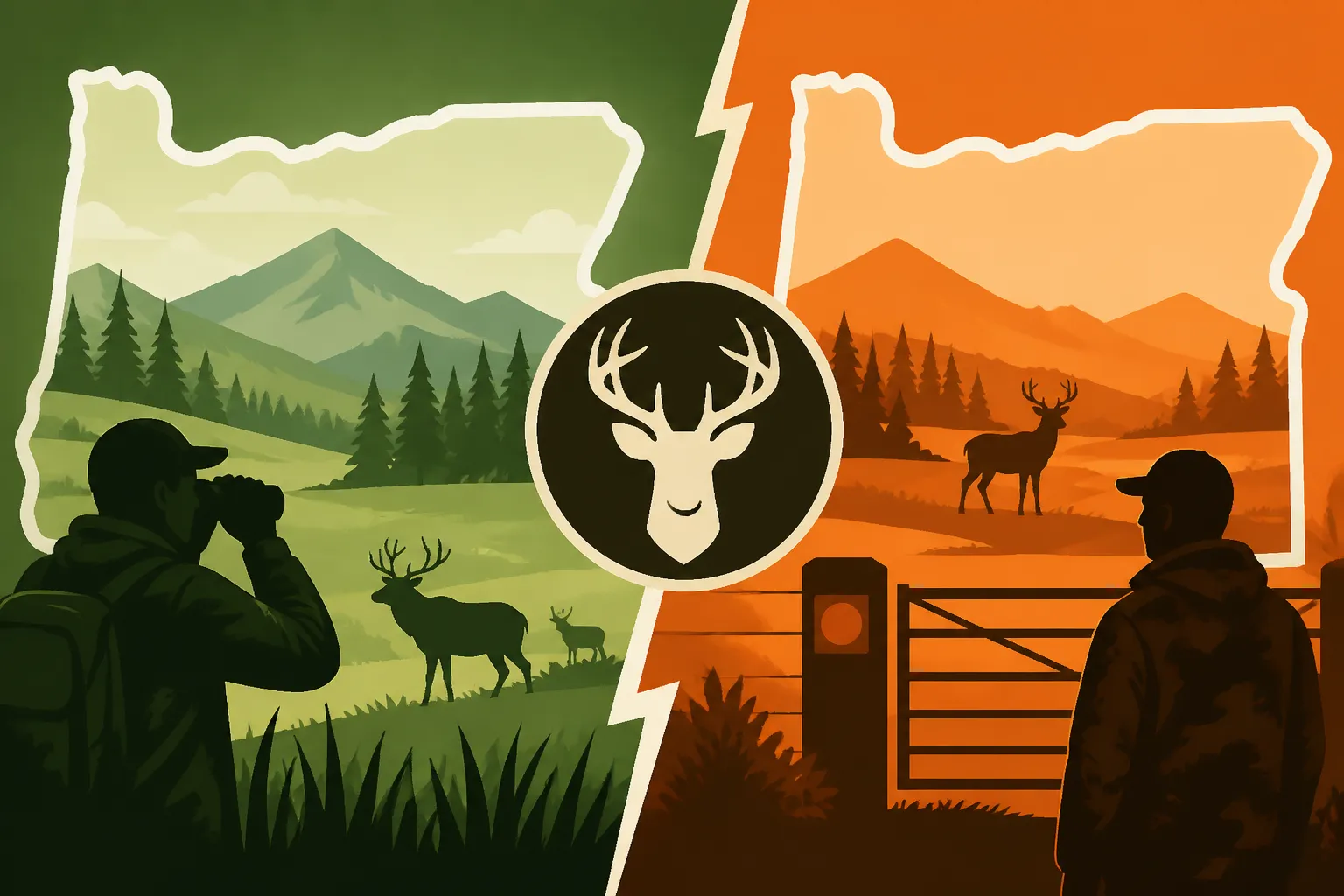
Oregon's approach to managing its diverse big game populations involves a dual tag system: general season tags and controlled hunt tags. This system is designed to balance providing ample hunting opportunities for the public with the critical need to manage wildlife populations sustainably, ensuring healthy herds for generations to come. It’s not just about getting a tag; it’s about understanding which tag offers the kind of experience you're looking for and where you’re most likely to find it.
What Defines a General Season Tag: Easy Access, Broader Areas
A general season tag is often the entry point for many hunters in Oregon, primarily because it's available over-the-counter (OTC). This means you don't have to enter a lottery or accumulate points; you simply purchase it from an authorized vendor or online through the Oregon Department of Fish and Wildlife (ODFW) licensing system. These tags typically apply to specific species within large, often regional, boundaries, and usually for a set period. For instance, if you're keen on hunting deer in the sprawling forests of Western Oregon, you'll likely be looking at a general season blacktail deer tag. Similarly, certain areas offer general season Roosevelt elk tags.
The beauty of general season hunting lies in its accessibility and spontaneity. You can decide closer to the season opener that you want to hunt, buy your tag, and head out. This flexibility makes it an excellent option for beginners looking to gain experience without the pressure of a limited-entry draw, or for those who simply want to get out in the woods every year without fail. However, this accessibility also means you might face more competition in the field, as these areas tend to see higher hunter densities. But don't let that deter you; with good scouting and a willingness to hike, success is certainly attainable.
The Nature of Controlled Hunt Tags: Limited Entry, Specific Units/Dates
In stark contrast, controlled hunt tags are Oregon's way of managing hunting pressure and achieving specific biological objectives for particular game populations. These tags are limited in number and allocated through a lottery draw system. The goal here is often to reduce overall hunter density in certain units, manage buck-to-doe or bull-to-cow ratios, or even promote the growth of older, larger animals—the "trophies" many hunters dream of. Controlled hunts are defined by very specific hunt codes, which dictate the species, weapon type (e.g., archery, rifle, muzzleloader), dates, and often a very precise geographical unit, sometimes even smaller than the main ODFW management units.
The application process for controlled hunts requires forethought and planning, as you must apply months in advance of the season, typically by the May 15 deadline. You’ll choose from a list of specific hunt codes, ranking your preferences. The odds of drawing a tag can vary wildly, from almost guaranteed for some less popular hunts to incredibly slim for highly coveted trophy units. This system is designed to distribute opportunity more equitably over time and ensure that sensitive or high-demand populations aren't overhunted. It's a trade-off: more effort and patience in the application process, but potentially a higher quality, less pressured hunting experience if you draw.
The Underlying Philosophy: Balancing Opportunity and Management
At its heart, Oregon's two-tiered system is a delicate balancing act. On one side, the ODFW aims to provide abundant hunting opportunities, recognizing the important role hunting plays in conservation funding and cultural heritage. General season tags support this by allowing widespread access and a consistent hunting tradition. On the other side, the agency is tasked with the biological management of wildlife. This means maintaining healthy populations, ensuring sustainable harvest levels, and addressing specific challenges like habitat loss, disease, or predatory impacts.
Controlled hunts are a crucial tool in this management toolkit. They allow ODFW biologists to fine-tune harvest numbers in specific areas, ensuring that localized herds aren't pushed beyond their capacity. This might mean fewer tags in a unit experiencing a decline in mule deer fawn recruitment, or more tags in an area where elk populations are above management objectives. The system also plays a role in managing hunter expectations; while general seasons often mean more animals harvested by more hunters, controlled hunts can sometimes translate to higher individual hunter success rates due to lower competition and potentially older, more established animals. It's a continuous effort to optimize both the hunter's experience and the long-term health of Oregon's wildlife.
General Season Tags: Your Over-the-Counter Option
For many Oregon hunters, especially those just starting out or those who prioritize simply being in the woods every year, general season tags are the bread and butter of their hunting endeavors. These over-the-counter (OTC) options offer a direct path to the field without the nail-biting wait of a draw.
Species and Seasons Available Over-the-Counter
Oregon offers general season opportunities for several big game species, primarily deer, elk, bear, and cougar. The most widely available general season deer tag is for Columbian blacktail deer in Western Oregon. These hunts typically run through the fall, with seasons for both archery and rifle hunters. For example, the season dates for general buck deer in the Western Oregon units are usually quite consistent year after year, offering a reliable target for many hunters. You can find specific dates by checking the annual ODFW regulation pamphlet or their website for Oregon Buck Deer General Season Dates.
When it comes to elk, general season tags are predominantly for Roosevelt elk in the Coast Range and Cascade units of Western Oregon. These rifle seasons for elk typically occur in November, often split into a first and second season to spread out hunter pressure. Archers usually have a more expansive general season earlier in the fall for both deer and elk. Bear and cougar tags are also available over-the-counter, with longer seasons spanning spring and fall for bears, and nearly year-round opportunities for cougars, subject to zone quotas. For specific Roosevelt elk rifle seasons, look for Oregon Roosevelt Elk Rifle Seasons in November.
It's important to remember that while these tags are OTC, specific unit boundaries and regulations still apply. Always consult the current year's hunting regulations to confirm which units are open for general season hunting and any weapon restrictions or specific rules that might be in place.
Advantages of General Season Hunting: Flexibility and Simplicity
The most significant advantage of general season hunting is undoubtedly its flexibility. Unlike controlled hunts, which demand an application months in advance and a hopeful wait for results, you can decide you want to hunt a week before the season opens, purchase your tag, and go. This makes it ideal for busy individuals, those who might have last-minute schedule changes, or hunters who want to explore different areas without commitment to a specific draw unit. It's a wonderful way to introduce new hunters to the sport, as the barrier to entry is much lower.
General seasons are also fantastic for consistent woods time. Even if you're accumulating preference points for a coveted controlled hunt, you can still purchase a general tag for another species or area and enjoy an annual hunt. This allows you to continually hone your skills, learn new terrain, and stay connected with the hunting lifestyle. Many hunters use general seasons as a learning ground, developing their scouting abilities and understanding animal behavior in different habitats. It's a simpler, more straightforward path to getting boots on the ground.
Disadvantages and Challenges: Higher Pressure, Lower Success Rates
The accessibility of general season tags comes with its own set of challenges. Chief among them is hunter density. More hunters in the field often mean more vehicle traffic, more human scent, and more disturbed animals. On opening weekend, popular general season units can feel quite crowded, with trucks parked along every accessible logging road. This increased pressure can push game animals deeper into cover, making them more nocturnal or forcing them to move to less accessible areas. This often means you need to work harder, hike further, and apply more sophisticated tactics to find unpressured animals.
Consequently, success rates for general season hunts tend to be lower than for many controlled hunts, especially for mature animals. While an average hunter might bag a spike or a two-point buck during a general season, finding a truly large, older animal can be a significant challenge given the hunting pressure. It often requires diligent Public Land Scouting in Oregon Before the Draw Results, willingness to venture far from roads, and a deep understanding of animal habits under pressure. For those seeking solitude and a higher chance at a trophy-class animal, the general season might feel too crowded or challenging. However, for sheer opportunity and consistent outdoor time, it's hard to beat.
Controlled Hunt Tags: The Draw System and Opportunity
If the idea of less crowded woods and potentially higher-quality animals appeals to you, then Oregon's controlled hunt system is where you'll focus your efforts. These hunts are the state's primary tool for precision wildlife management, offering unique opportunities for those willing to navigate the application process.
Why Controlled Hunts Exist: Managing Specific Herds
Controlled hunts are more than just a lottery; they are a critical component of ODFW's strategy for managing specific big game herds across the state. The reasons behind establishing a controlled hunt system are varied and complex, but they generally revolve around maintaining ecosystem health and providing sustainable hunting. For instance, in areas where mule deer populations are struggling due to habitat degradation or increased predation, limiting hunter numbers through a controlled draw helps reduce overall harvest pressure, giving the herd a chance to recover and grow.
Conversely, in areas where elk populations might be exceeding their habitat's carrying capacity, controlled hunts can be structured to specifically target cow elk, helping to bring the herd size back into balance. This also allows for management to improve age structures within herds, leading to a healthier population with more mature animals. Controlled hunts also serve to distribute hunting pressure geographically and temporally, preventing certain units from being overwhelmed by hunters and allowing animals to exhibit more natural behaviors. It’s about tailoring the hunt to the specific needs of the local wildlife population, rather than a blanket approach.
The Oregon Draw Explained: How Tags Are Allocated
The Oregon controlled hunt draw is a system designed to allocate a limited number of tags fairly among a large pool of applicants. Every applicant submits their choices, listing their preferred hunt codes in order of priority (first, second, third, etc.). The core of the system is built around preference points. Essentially, for every year you apply for a controlled hunt as your first choice and don't draw a tag, you earn a preference point for that species. These points accumulate and increase your odds of drawing a tag in subsequent years.
The draw itself operates on a 75/25 split. 75% of the available tags for a given hunt are allocated based on preference points, meaning those with the most points have the highest probability of drawing one of these tags. The remaining 25% of tags are awarded through a random draw, giving every applicant, regardless of their point total, a chance to draw. This random component offers a glimmer of hope to new hunters or those with fewer points, while the preference point system rewards long-term commitment. Understanding Oregon Controlled Hunt Draw Explained is key, as is knowing that there's a small Oregon's $10 Controlled Hunt Application Fee for each application you submit. For a full breakdown, check out How to Apply for an Oregon Controlled Hunt.
High Demand and Low Odds: Realistic Expectations
While the promise of a quality hunt is appealing, it's crucial to approach controlled hunts with realistic expectations, especially for the most sought-after units and species. Many popular elk and mule deer hunts in Eastern Oregon, known for their potential to produce large bulls and bucks, can require many years, even decades, of accumulating preference points to draw a tag. This phenomenon is often referred to as "point creep," where the number of points required to draw a popular hunt slowly increases over time as more hunters accumulate maximum points.
To illustrate, some premier units for mule deer might have 10,000 applicants for only 100 tags, with the successful applicants having 20+ preference points. Even with the 25% random draw, the odds remain incredibly low for those with fewer points. This is where tools like GoHunt's Insider service become invaluable. They compile draw odds and point data, allowing you to make informed decisions about which hunts to apply for, weighing the chances of drawing against your desired experience. For nonresidents, the challenge is even greater, as Oregon allocates only a small percentage of tags (typically 5%) to out-of-state hunters, making Oregon Preference Points and How They Work an even more critical calculation for them. While the dream of drawing a premier tag is exciting, having a backup plan or being content with building points over time is a healthier approach.
Preference Points: Building Your Odds for Controlled Hunts
Preference points are the currency of the Oregon controlled hunt draw. Understanding how to earn them, what they mean for your draw odds, and how to strategically use them is paramount to eventually drawing the tag you desire.
What Are Preference Points and How Do They Work?
A preference point, in the context of Oregon's controlled hunt system, is essentially a numerical advantage you gain for a specific big game species each year you apply for a controlled hunt as your first choice and are unsuccessful in the draw. They are tracked by ODFW under your individual hunter profile. When the draw is conducted, applicants with more accumulated preference points for a particular species (e.g., elk, deer, antelope) are given priority for a percentage of the available tags. This means that year after year, as you continue to accumulate points without drawing, your statistical likelihood of eventually drawing a tag for that species increases.
It's important to differentiate preference points from bonus points used in some other states. In Oregon, preference points are directly factored into a portion of the draw (the 75% point-based allocation), rather than simply giving you additional entries into a random lottery. However, these points are species-specific, meaning elk points only help you draw an elk tag, deer points for a deer tag, and so on. Your points will "purge" or reset to zero for a specific species once you successfully draw a first-choice controlled tag for that species. Understanding What Purges Your Oregon Preference Points is crucial to avoid accidentally losing your hard-earned points on a hunt you didn't truly desire.
Strategies for Point Accumulation and Usage
There are several strategic approaches to accumulating and utilizing preference points. For many hunters, the goal is to build a significant bank of points for a dream hunt in a highly competitive unit. This often involves applying for a "point-only" option each year, which means you pay the application fee but indicate that you solely wish to earn a point without actually entering the draw for a tag. This ensures you continue to build points without the risk of drawing a less desirable tag and purging your points prematurely. The ODFW provides a specific Oregon Point-Only Application Window for this purpose, which is typically after the main May 15th deadline.
Another strategy involves applying for hunts that are still controlled but have lower point requirements. This allows you to hunt more frequently while still participating in the controlled hunt system. You might apply for a less popular mule deer hunt while simultaneously building elk points via the point-only option. Alternatively, some hunters group together in party applications. While this can average out points, it also means everyone in the party must have enough points to draw, or the lowest point total will dictate the party's draw odds. The key is to analyze draw odds, consider your long-term hunting goals, and decide whether to prioritize building points for a top-tier hunt or aiming for more frequent, perhaps less "trophy-quality," controlled hunt opportunities.
Understanding Point Creep and Its Impact
Point creep is the bane of many long-term draw strategies and a phenomenon every aspiring controlled hunt applicant needs to understand. It refers to the gradual increase in the number of preference points required to draw a specific hunt over time. This happens for a simple reason: as more hunters participate in the draw and consistently accumulate points, the average number of points held by the applicant pool rises. If a hunt consistently yields successful applicants with 15 points one year, it might require 16 or 17 points the next year, because more hunters now have 15 points, pushing the "minimum" successful point total upwards.
The impact of point creep can be frustrating. You might be diligently building points for a specific unit, watching the successful applicant totals creep up, and realize that the 10 years you planned to accumulate points might now need to be 15 or even 20. This makes long-term planning difficult and emphasizes the importance of using up-to-date draw odds data, like those found on platforms such as GoHunt, to gauge your realistic chances. Point creep makes it harder to "catch up" to those with maximum points, especially for premier tags. It underscores the value of starting to accumulate points as early as possible and continually reassessing your strategy against the latest draw statistics.
Factors Influencing Your Choice: When to Go General, When to Go Controlled
Deciding whether to pursue a general season tag or a controlled hunt tag isn't a simple choice; it depends heavily on your personal hunting goals, available time, and desired experience. Each option offers distinct advantages and disadvantages that cater to different types of hunters.
Personal Goals: Trophy Hunt Versus Meat Hunt
One of the most significant factors in your decision should be your primary goal for the hunt. Are you focused on bringing home venison or elk meat for the freezer, or is your ultimate aspiration to harvest a mature, trophy-class animal? If putting meat on the table is the main objective, general season hunts can be very effective, especially for blacktail deer in Western Oregon. These hunts provide ample opportunity to fill the freezer, even if the antlers might not be record-book contenders. Many hunters successfully take spike or fork-horn bucks, or even cows on general season opportunities, which provide excellent table fare.
However, if you dream of pursuing a large 6×6 bull elk or a massive mule deer buck, controlled hunts often provide better odds. These hunts are specifically designed to reduce pressure and allow animals to mature, leading to a higher potential for larger animals. Units with very limited tags, managed for quality, will naturally have older age-class animals. While there are no guarantees, the probability of encountering a trophy is generally much higher in a controlled hunt unit. This is why many hunters are willing to spend years accumulating points for these limited-entry opportunities.
Time Commitment and Flexibility
Your available time and personal flexibility also play a crucial role. General season hunts offer unparalleled flexibility. You can purchase your tag and decide to hunt during any of the open periods within the season, often without extensive pre-planning. If you have a busy work schedule, family commitments, or unpredictable free time, a general season tag allows you to maximize your chances of getting into the field when you can go, rather than when you have to. It's forgiving if a weekend trip gets unexpectedly cancelled.
Controlled hunts, on the other hand, demand a more significant time commitment and less flexibility. Once you draw a tag, you are committed to hunting a very specific unit during a precise, often short, date range. This requires meticulous planning months, if not a year, in advance. You'll need to coordinate vacation time, travel logistics, and scouting trips around those fixed dates. If you frequently face last-minute schedule changes, drawing a coveted controlled tag might ironically add stress rather than enjoyment. However, for those who can commit the time, the focused nature of a controlled hunt allows for deep immersion into a specific unit.
Desired Experience: Wilderness Solitude Versus Accessible Hunting
Consider the kind of hunting experience you truly crave. Do you yearn for solitude, the challenge of deep backcountry hunting, and minimal human interaction? Or are you content with more accessible areas, even if it means encountering other hunters? General season areas, especially those near population centers or with extensive road systems, tend to be more accessible and consequently see higher hunter traffic. This can lead to a less "wild" experience, with more sounds of vehicles, distant gunshots, and shared public land.
Many controlled hunts, particularly those for less common species or in more remote units, are specifically designed to reduce this pressure. Drawing a controlled tag might provide access to units known for their rugged terrain or wilderness characteristics, offering a chance for a truly solitary hunt. Units that allow for Hunting Oregon's Wilderness Areas often fall under controlled hunt systems to limit impact and maintain the remote feel. The opportunity to hunt without constant interruption, to track animals that haven't been pushed by dozens of other hunters, and to truly feel immersed in wild country is a powerful draw for controlled hunts. Conversely, if you prefer convenience, driving to a spot, and don't mind sharing the landscape, general season hunts might be a perfect fit.
Applying for Controlled Hunts: A Step-by-Step Guide
The application process for controlled hunts can seem daunting at first, but breaking it down into manageable steps makes it much clearer. Following this guide will help ensure you don't miss any critical deadlines or make common mistakes.
The Application Timeline and Key Deadlines
Successfully applying for an Oregon controlled hunt begins with understanding the critical timeline. For most big game species, the application period opens in the spring, typically in March, and closes with a hard deadline of May 15th. This Oregon's May 15 Application Deadline is non-negotiable, and missing it means you forfeit any chance of drawing a controlled tag for that year, as well as the opportunity to earn a preference point for that species. This applies to deer, elk, pronghorn, bighorn sheep, and mountain goat hunts. Spring bear and cougar tags have different, earlier deadlines or are general season.
Once the application period closes, ODFW processes all applications, runs the draw, and typically releases the results in early to mid-June. If you're successful in drawing a tag, you'll be notified via email, and the tag will be available in your online ODFW account for printing. It's crucial to mark these dates on your calendar well in advance and set reminders. Don't wait until the last minute, as website traffic can be high, and technical issues can arise. Having everything prepared and submitted a few days before the deadline is always the safest bet.
Researching Units and Hunt Choices
Before you even think about logging into your ODFW account, thorough research is essential. This is where you'll define your hunt choices and strategize how to use your preference points. Start by poring over the current year's ODFW Big Game Regulations. This pamphlet is your bible, detailing all available hunt codes, dates, units, and any special restrictions. Pay close attention to maps and unit descriptions. The ODFW website also provides valuable statistics, including past draw odds and hunter success rates for various units.
Beyond official ODFW resources, leverage external tools. Platforms like GoHunt provide comprehensive data analysis, including draw odds specific to residents and non-residents, point totals for successful applicants, and detailed unit information. They often break down information in a much more digestible way than the official regulations, allowing you to easily compare units and strategize your choices. Consider what species you want to hunt, your physical fitness level (some units are much more rugged than others), and your willingness to travel. For instance, understanding Oregon's 2026 Mule Deer Hunt Area Changes or new herd range designations can significantly impact your unit choices and draw strategy, so stay updated.
Navigating the ODFW Licensing System
The actual application process takes place through the ODFW's online electronic licensing system (ELS). You'll need to log in to your account, purchase your annual hunting license if you haven't already, and then navigate to the "Controlled Hunt Applications" section. Here, you'll select the species you wish to apply for and then choose your first, second, and third hunt choices by entering their specific hunt codes.
Be meticulous when entering hunt codes to avoid costly errors. Double-check that you're applying for the correct weapon type (e.g., archery, rifle, muzzleloader), unit, and dates. The system will typically show you your current preference points for that species. Once you've made your selections, you'll pay the application fee. It's critical to confirm your application submission and retain any confirmation numbers or emails. Many hunters print a copy of their submitted application for their records. Before final submission, take one last look at your choices; once submitted, changes are often difficult or impossible without penalty, and errors can mean a wasted application or even the loss of hard-earned preference points if you draw a hunt you didn't intend to.
Key Differences in Hunt Experiences
The choice between a general season and a controlled hunt isn't just about how you acquire your tag; it profoundly impacts the actual hunting experience you'll have in the field. From the number of fellow hunters you'll encounter to the behavior of the game animals themselves, the differences can be stark.
Hunter Density and Pressure
This is perhaps the most immediately noticeable difference. General season hunts, by their very nature, allow a larger number of hunters into a broader area. On opening day of general season deer or elk, especially in easily accessible public lands, it can feel like a small army has descended on the woods. Trucks line forest roads, and you might encounter other hunters frequently, whether they're still-hunting, glassing, or simply walking through an area. This high hunter density creates significant pressure on game animals. They become more wary, often moving into thicker cover, becoming largely nocturnal, or relocating to more remote, harder-to-reach pockets of habitat. This means that successful general season hunters often need to work extra hard to get away from the crowds.
Controlled hunts, conversely, are designed to limit hunter numbers in specific units, often drastically. If a general season unit might see thousands of hunters, a comparable controlled hunt unit might only have a few hundred, or even dozens, of tags. This significantly reduces pressure. Animals in controlled units are generally less disturbed, less jumpy, and might maintain more natural feeding and bedding patterns during daylight hours. While you'll still encounter other hunters, the experience is typically much more spread out, quieter, and offers a greater sense of solitude. This lower pressure can translate into more relaxed animals and, consequently, a more enjoyable and potentially more successful hunting experience.
Animal Behavior and Quality
The level of hunter pressure directly influences animal behavior and, over time, can impact the age structure and quality of the herd. In heavily hunted general season areas, younger animals are often harvested, and older, wiser animals become incredibly adept at avoiding humans. They learn to move at night, utilize the thickest cover, and are quick to flee at the slightest sign of danger. This makes them exceptionally challenging to hunt, and the average size of harvested animals tends to be smaller. If you're looking for an older, more mature animal in a general season unit, you'll likely need to out-hike, out-smart, and out-wait the majority of other hunters.
In controlled hunt units, especially those managed for trophy quality or specific age class objectives, animals generally have a higher chance of surviving to older ages. With less overall pressure, these animals may be less nocturnal and less wary. While they are still wild and challenging, their behavior is often more predictable, and they might spend more time feeding or moving during daylight hours. This increased opportunity to see and observe animals, combined with a healthier age structure in the herd, contributes to higher success rates for hunters seeking mature bulls and bucks. The chance to pursue an unpressured, older animal that hasn't been chased across the county multiple times is a significant draw of the controlled hunt system.
Geographic Scope and Accessibility
The final key difference lies in the geographic scope and accessibility of the hunt area. General season tags often cover vast, regional areas. For example, a "Western Oregon general season deer tag" allows you to hunt any public land or accessible private land within that broad geographical designation. This gives hunters immense freedom to explore, move between different areas if one isn't producing, and cover a lot of ground. It's excellent for scouting new spots or simply enjoying the varied landscapes of Oregon. However, this broadness can also mean a lack of focus; without prior knowledge or extensive scouting, it can be overwhelming to decide where to begin.
Controlled hunts, on the other hand, are highly localized to specific ODFW units or even smaller sub-units with precise boundaries. Once you draw a tag for "Hunt Code 145R1 – Starkey Experimental Forest Archery Elk," you know exactly where you're allowed to hunt. This hyper-specific geographic scope allows hunters to focus their scouting and efforts intently on a smaller, defined area. While it means less flexibility in terms of moving to an entirely different region, it often translates to a deeper understanding of the local terrain and animal movements within that specific unit. Accessibility can vary greatly within controlled units; some might be relatively easy to reach, while others might involve significant travel or require multi-day backpacking into remote wilderness. This focused, unit-specific approach is a hallmark of the controlled hunt experience.
Making the Best Decision for Your Oregon Hunt
Deciding between general season and controlled hunt tags, or even a combination of both, is a personal journey. There's no single "right" answer, as the best approach depends on your individual circumstances, desires, and willingness to invest time and effort.
Combining Strategies: General Season While Building Points
For many dedicated Oregon hunters, the most effective strategy isn't to choose one system over the other, but to cleverly combine them. This often means consistently applying for a point-only option for highly desired species like Rocky Mountain elk or mule deer, building up those precious preference points year after year. While those points accumulate, these hunters can then actively participate in general season hunts for other species, ensuring they get into the field every year.
For example, a hunter might apply for a point-only tag for Eastern Oregon Rocky Mountain Elk (or a specific high-demand unit like Sled Springs or Wenaha if they are after a quality hunt) while simultaneously purchasing a general season tag for Columbian blacktail deer in their local Coast Range unit. They might also buy an over-the-counter bear or cougar tag, expanding their opportunities. This hybrid approach ensures consistent hunting activity, skill development, and meat for the freezer, all while strategically playing the long game for a premium controlled hunt tag. It’s a smart way to maximize your time in the woods without missing out on potential draw opportunities.
Utilizing Resources for Informed Choices
In today's digital age, hunters have an unprecedented array of resources at their fingertips to make informed decisions about their tag choices. Don't rely solely on word-of-mouth or outdated information. The annual ODFW regulation pamphlet is, of course, the absolute baseline. It contains all the legal parameters, season dates, and unit boundaries you must adhere to. Beyond that, the ODFW website is a treasure trove of data, including harvest statistics, herd reports, and detailed maps.
However, for truly strategic planning, external platforms and communities are incredibly helpful. Online mapping tools like onX Hunt allow you to scout units from your computer, identify public lands, private timber holdings, and potential access points. Services like GoHunt specialize in breaking down draw odds, unit profiles, and preference point analysis, offering invaluable insights into your chances of drawing specific tags. Engaging with online hunting forums or local hunting clubs can also provide real-world insights and advice from experienced hunters. The more data and perspectives you gather, the better equipped you'll be to make choices that align with your hunting aspirations and increase your chances of success.
The Importance of Adaptability and Ongoing Learning
Finally, it's crucial to approach Oregon hunting with a mindset of adaptability and continuous learning. Wildlife populations fluctuate, habitats change, and ODFW regulations are adjusted annually based on biological data and public feedback. What was a great hunt unit five years ago might not be today, and a strategy that worked last season might need tweaking this one. For example, significant changes to mule deer hunt areas in Oregon, such as the upcoming Oregon's 2026 Mule Deer Hunt Area Changes, mean that hunters will need to adapt their strategies and re-evaluate their preferred units.
Staying informed means regularly checking ODFW updates, reading hunting publications, and continuing to scout and explore new areas. Learn from every hunt, successful or not. Pay attention to how animal behavior changes with pressure, weather, and habitat. Be open to trying new tactics or exploring units you hadn't considered before. The hunter who remains adaptable, leverages available resources, and commits to ongoing learning will be the most successful and fulfilled in Oregon's diverse and dynamic hunting landscape.
| Feature | General Season Tags | Controlled Hunt Tags |
|---|---|---|
| Availability | Over-the-counter, guaranteed tag | Lottery draw, limited number of tags |
| Application | Purchase directly online/vendor | Apply by May 15 deadline via ODFW ELS |
| Species (Common) | Western OR Blacktail Deer, Roosevelt Elk, Bear, Cougar | Eastern OR Mule Deer, Rocky Mountain Elk, Pronghorn, Bighorn Sheep |
| Hunter Pressure | Often High, especially in accessible areas | Significantly Lower due to limited tags |
| Success Rates | Generally Lower for mature animals | Often Higher, especially for quality/trophy animals |
| Flexibility | High; hunt during any open period | Low; fixed dates in a specific unit |
| Preference Points | Not applicable for tag acquisition | Earned for unsuccessful first-choice applications |
| Experience | More accessible, potentially crowded | More remote, greater solitude, quality potential |
| Cost | Tag fee only | Tag fee + application fee(s) |
Disclaimer
The information provided in this guide is for general informational purposes only and is not intended as legal advice. Hunting regulations in Oregon are complex and subject to change. Always consult the official Oregon Department of Fish and Wildlife (ODFW) hunting regulations pamphlet for the current year, as well as any in-season updates or emergency closures, before planning and engaging in any hunting activities. It is the hunter's responsibility to know and comply with all applicable laws and regulations.