Oregon Controlled Hunt Application Fee
Navigating the world of Oregon controlled hunts can feel a bit like trying to solve a puzzle, especially when you encounter fees just to apply for a tag you might not even draw. Many hunters get frustrated, wondering why they have to pay money upfront for a chance at a hunt that isn't guaranteed. This guide is here to demystify the Oregon controlled hunt application fee, breaking down exactly what it is, why it exists, and how to effectively manage your application strategy.
Understanding the Oregon Controlled Hunt System
For many of us, the dream of chasing a trophy bull elk or a big mule deer buck in Oregon means entering the controlled hunt draw. Unlike general season tags that you can often buy over the counter, controlled hunts limit the number of available tags for specific species in particular units to manage herd health and hunting pressure. This system, while essential for conservation, introduces an application process that can feel complex, starting with a non-refundable fee.
Why Controlled Hunts Have an Application Fee
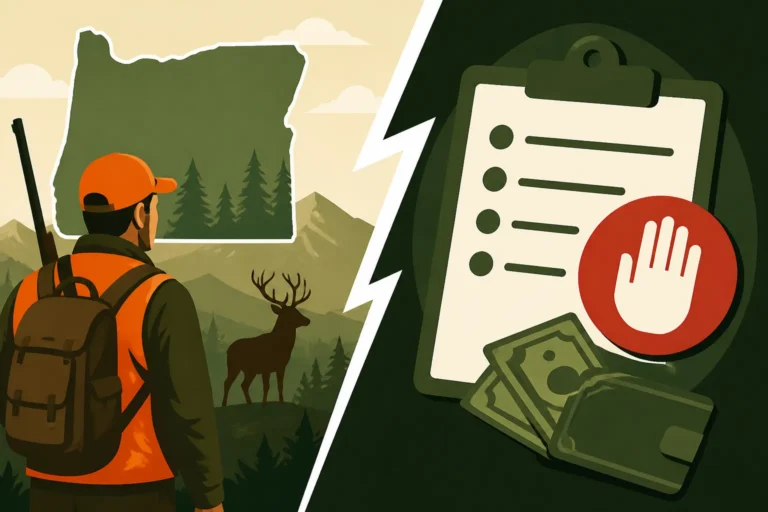
The concept of paying an application fee, particularly when the odds of drawing a coveted tag can be incredibly low, is a common point of confusion and sometimes, contention, among hunters. It’s natural to feel a pang of frustration when shelling out cash for something that might not pan out. However, this fee plays several crucial roles in the Oregon Department of Fish and Wildlife (ODFW) system. First and foremost, it helps manage the sheer volume of applications. Without an associated cost, the ODFW would likely be inundated with even more applications, many from individuals who might not be genuinely committed to the hunt. The fee acts as a small barrier, ensuring that those who apply are serious contenders, which in turn streamlines the administrative burden on the department.
Think about it: ODFW processes tens of thousands of applications each year for various controlled hunts, from the highly sought-after Oregon Bighorn Sheep and Goat Applications to general deer and elk draws. Each application, whether successful or not, requires data entry, processing, and the running of complex algorithms to determine draw results. This isn't a simple task; it's a massive logistical undertaking that involves significant staff time and technological resources. The application fee helps to offset these considerable administrative costs, ensuring that the system can function efficiently and fairly for everyone involved.
Moreover, the fee underscores the commitment required for controlled hunts. These hunts are often for limited-entry, high-demand opportunities, and the fee reinforces the value and scarcity of these tags. It encourages hunters to research their choices thoroughly, rather than just throwing their hat into every ring, because there's a small financial incentive to be strategic.
The Purpose of the Fee for ODFW
The application fee isn't just a random charge; it’s specifically earmarked to support the very system it's a part of. Primarily, this fee directly funds the controlled hunt draw system itself. This includes everything from the development and maintenance of the online Electronic Licensing System where you submit your application to the staff who manage the draw process, handle inquiries, and ensure regulatory compliance. It’s an investment in the infrastructure that makes these limited-entry hunts possible.
Beyond direct administrative costs, these funds indirectly contribute to broader wildlife management efforts. While not a primary revenue stream for general conservation, by funding the specific overhead of the draw, it frees up other ODFW resources that can then be allocated to vital programs. These programs include habitat restoration, population surveys (especially crucial for species like Oregon mule deer and elk, which are often the focus of controlled hunts), disease monitoring, and enforcement. So, while you might not see a direct return on your $8 if you don't draw, that money is part of a larger ecosystem designed to maintain healthy wildlife populations and hunting opportunities in Oregon for years to come.
Ultimately, the fee helps ODFW maintain the integrity and transparency of the draw system. Hunters rely on a fair and impartial process, and the funds generated help to ensure that the necessary checks and balances are in place. This includes managing preference points, which are crucial for long-term draw success, and ensuring that all applications are handled consistently according to established rules.
Navigating the Application Process and Fees
Applying for a controlled hunt in Oregon requires more than just picking a hunt; it involves understanding the various costs and deadlines associated with the process. It's easy to confuse the initial application fee with the actual tag price, but they are distinct expenses that play different roles in your hunting journey.
Breakdown of the Application Fee Cost
Let's get straight to the numbers. As of recent information, the Oregon controlled hunt application fee is a modest $8 per species application. This is a critical distinction: it's not $8 per choice you make within a species application, nor is it $8 for all species you apply for. For example, if you decide to apply for a controlled deer hunt, you'll pay $8. If you also want to try for a controlled elk hunt, that's another $8. If you then decide to apply for pronghorn, that’s yet another $8. Each of these is a separate application for a different species, incurring its own $8 fee.
It’s important to understand that this $8 is strictly an application fee. It's the cost of entry into the draw, regardless of whether you are a resident or a nonresident. This fee is separate from the actual tag cost, which you only pay if you are successful in the draw. For comparison, a successful resident deer tag will cost around $28.50, and a resident elk tag is roughly $51.00. The application fee just covers your chance to be in the running. Don't forget that before you even apply, you'll need an annual hunting license – currently around $34.50 for residents and a significantly higher $172.00 for non-residents. This license is the baseline requirement for all hunting activities in Oregon, including controlled hunt applications. You can find more details on Oregon Resident License and Tag Prices to help you budget.
How to Pay and What to Expect
The application process for Oregon controlled hunts is primarily handled through the ODFW's Electronic Licensing System (ELS). This online portal is where you'll create your hunter profile, purchase your annual license, and submit all your controlled hunt applications. It’s a pretty straightforward system, designed to be user-friendly, though sometimes technology can have its quirks. You can log in directly to Oregon's Electronic Licensing System Login to get started.
Once you’ve selected your desired hunt choices for each species, the system will prompt you to pay the total application fees. Payment is typically accepted via credit or debit card. After your payment is processed, you'll receive a confirmation, usually via email, detailing your application submissions. It's crucial to keep this confirmation for your records. The ODFW also provides a way to check your application status within your ELS account, so you can always go back and verify what you've applied for.
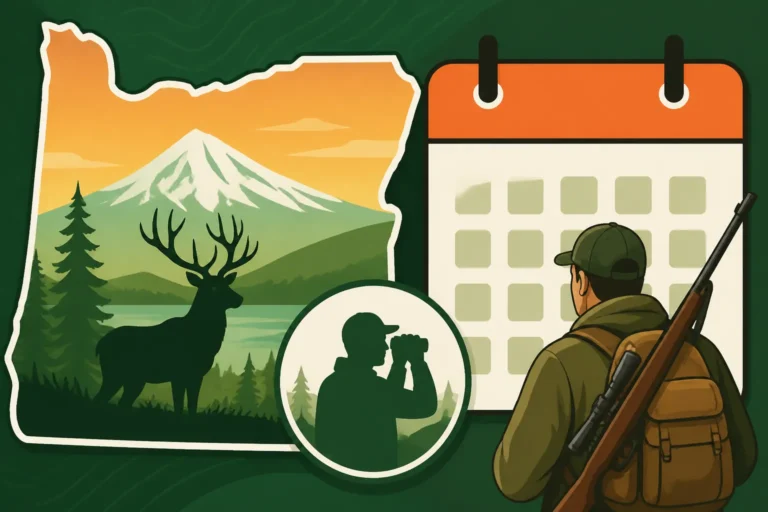
The most critical thing to remember throughout this process is the deadline. The Oregon Controlled Hunt Application Deadline is a firm May 15th each year. There are no extensions, no grace periods, and no exceptions for late submissions. If you're late, you simply miss out on applying for that year's controlled hunts. It's highly recommended to apply well in advance of the deadline to avoid any last-minute technical glitches or personal scheduling conflicts. For detailed instructions, check out our guide on How to Apply for an Oregon Controlled Hunt.
Common Questions and Misconceptions About the Fee
The controlled hunt application fee often sparks a lot of questions among hunters, particularly those new to the system or those who have faced years of unsuccessful draws. Let's tackle some of the most common misunderstandings surrounding this small but significant cost.
Does the Fee Guarantee a Tag?
This is perhaps the biggest and most important misconception to clear up: absolutely not. The $8 application fee does not, in any way, guarantee that you will draw a controlled hunt tag. It merely grants you entry into the lottery for your chosen hunt. Think of it like buying a lottery ticket; you pay a small amount for a chance, but drawing a winning number is far from assured. For many of the more popular units and species, especially elk and trophy mule deer, the odds of drawing can be incredibly low, often in the single digits or even fractions of a percent.
However, the application fee isn't just about the immediate draw. A crucial benefit of paying the fee, even if you don't draw your first-choice tag, is that it awards you a preference point. These points accumulate year after year for each species you apply for (and don't draw), significantly increasing your odds in future draws. This is where the long-term strategy of controlled hunts really comes into play. If you're consistently applying, even if you’re not drawing, you're building equity in the system with your preference points. We've got a whole article dedicated to explaining Oregon Preference Points and How They Work, which is essential reading for anyone serious about controlled hunts. It helps you understand that even a failed draw isn't a total loss; it's an investment in tomorrow's success.
So, while the fee doesn't guarantee a tag, it does ensure you're in the running and, more importantly, keeps your dream alive by contributing to your preference point total. This long game is a fundamental aspect of hunting in Oregon's controlled units.
Refunds, Transfers, and Missed Deadlines
Once you've submitted your application and paid the $8 fee, that money is generally considered committed. The ODFW has a strict policy: controlled hunt application fees are non-refundable. This means that regardless of whether you draw a tag, change your mind, or are unable to hunt, that $8 is not coming back. This policy is in place for a practical reason: the administrative costs associated with processing your application have already been incurred.
Furthermore, applications and any accumulated preference points are tied directly to an individual hunter. You cannot transfer an application to another person, nor can you sell your preference points. The system is designed to be personal, ensuring fairness and preventing a secondary market for draw entries. If you apply as part of a party, those rules are slightly different for how points are handled, but the application fee itself remains non-transferable. You can learn more about how party applications affect your points in Oregon Party Application Point Averaging.
The May 15th application deadline is notoriously strict. If you miss it, for any reason—be it a forgotten reminder, a last-minute technical issue with the online system, or unexpected travel—you simply cannot apply for a controlled hunt that year. ODFW does not offer extensions or accept late applications. This absolute finality is why seasoned hunters often advise submitting applications weeks, if not a month, before the deadline. We even have a guide on Applying for an Oregon Hunt After May 15 which, spoiler alert, mostly details how you simply cannot do it for the current year, but focuses on options for the next! This policy reinforces the importance of planning and proactive engagement with the hunting regulations calendar.
Maximizing Your Chances (Beyond the Fee)
Paying the application fee is just the first step in a strategic approach to Oregon's controlled hunts. To truly maximize your chances of drawing a tag, or at least building your preference points effectively, you need to think beyond the immediate cost and delve into smart planning and utilizing available resources.
Strategic Application Planning
Successful controlled hunt applicants aren't just lucky; they're strategic. The single best thing you can do after understanding the application fee is to dive deep into research. Every year, ODFW releases draw odds and harvest statistics, which are invaluable. Don't just pick a unit because you've heard it's good; look at the numbers. How many applicants were there for that specific hunt code? What were the odds of drawing with zero points, or with two points? Understanding these statistics, particularly for popular units, can inform your choices. For example, knowing about Oregon Point Creep in Popular Units can help you decide if you want to aim for a super tough draw or a more realistic one.
Your application strategy should involve careful consideration of all three choices on your application. Many hunters make the mistake of only putting down "dream hunts" that have incredibly long odds, even for their second and third choices. While it's great to dream big for your first choice, using your second and third choices strategically can be a game-changer. These lower choices might be for hunts with slightly better odds, or perhaps for units you'd still be thrilled to hunt, even if they're not the "trophy" units. The goal with these choices is twofold: to try and draw a tag, of course, but also to ensure you bank a preference point if you don't draw your first choice. Remember, your preference points only count towards your first choice, but applying at all ensures you get a point if you don't draw any of your choices. Understanding the nuances of First, Second and Third Choice on an Oregon Application is critical here.
Finally, consider the power of party applications, but understand their implications. When you apply as a party, your points are averaged. This can be beneficial if you're a lower-point hunter joining a higher-point friend, as it effectively raises your collective odds. However, if you're the high-point hunter, it means lowering your own individual odds. Party applications also mean that if your party draws, everyone in the party draws. This can be fantastic for hunting with friends and family, but requires careful coordination and agreement on hunt choices.
Utilizing Resources Like GoHunt for Better Odds
The sheer volume of data, regulations, and statistics involved in Oregon's controlled hunt draw can be overwhelming, especially for those who are short on time or new to the system. This is where modern hunting resources really shine. Platforms like GoHunt offer comprehensive tools and data analysis that can drastically simplify your application strategy and increase your chances of success. They aggregate ODFW data, provide user-friendly interfaces, and often add their own expert analysis.
GoHunt's Insider service, for instance, provides detailed unit profiles, current and historical draw odds, and harvest statistics, all presented in an easy-to-understand format. Instead of sifting through dense ODFW reports, you can quickly filter hunts by species, weapon type, and your current preference point total. This allows you to identify hunts that align with your goals, whether you're trying to burn points on a trophy hunt or simply draw any tag. They even offer draw odds calculators that help you model your chances based on your points and choices.
By leveraging a resource like GoHunt, you're making an informed decision about where to invest your application fee and your preference points. Instead of guessing, you're making data-driven choices. This isn't about finding a "secret" hunt; it's about systematically improving your odds by understanding the landscape of the draw. Whether it's finding overlooked units, understanding the impact of point creep, or simply keeping track of the key deadlines for when Oregon Draw Results in June are released, a tool like GoHunt can be an invaluable asset in your Oregon hunting arsenal. It's an investment in knowledge that can pay dividends down the road.
Oregon Controlled Hunt Key Fees at a Glance
To summarize the various costs associated with applying for and potentially drawing a controlled hunt in Oregon, here's a quick reference table. Remember, these are approximate figures and can change, so always check the current ODFW regulations.
| Item | Cost (Approx.) | Notes |
|---|---|---|
| Controlled Hunt App Fee | $8 | Per species application (e.g., $8 for deer, $8 for elk) |
| Resident Annual License | $34.50 | Required for all hunting activities, including controlled hunt applications |
| Non-Resident Annual License | $172.00 | Required for non-residents to apply and hunt |
| Resident Deer Tag | $28.50 | Paid only if you successfully draw the tag |
| Resident Elk Tag | $51.00 | Paid only if you successfully draw the tag |
| Point-Only Application | $8 | Allows you to gain a preference point without choosing a hunt |
Disclaimer
Please be aware that hunting regulations, fees, and season dates in Oregon are subject to change. Always consult the most current Oregon Department of Fish and Wildlife (ODFW) regulations pamphlet and their official website before planning any hunting activity or submitting applications. This guide is for informational purposes only and should not replace official ODFW resources.