Oregon Open Fields Per-Acre Landowner Payments
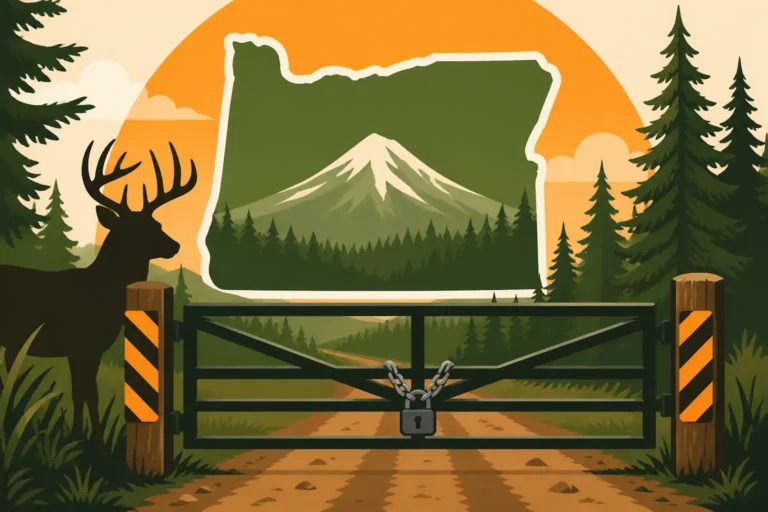
It can be incredibly frustrating to stare at a hunting map, seeing vast stretches of green and yellow that signify private land, knowing full well that prime game habitat often lies behind those fences. For years, the challenge of securing permission to hunt on private property has been a significant barrier for many Oregon hunters. This guide will walk you through the Oregon Open Fields program, focusing specifically on how per-acre payments incentivize landowners to open their gates, ultimately creating more hunting opportunities for all of us.
Understanding Oregon's Open Fields Program
Imagine having more places to chase deer, call in elk, or pursue waterfowl, all thanks to a program designed to compensate landowners for opening up their private acres. That's the core idea behind Oregon's Open Fields program. It's a proactive step by the state to expand access in a way that truly benefits both hunters and the private citizens who own the land.
What Is the Open Fields Program?
The Open Fields program isn't just another bullet point in a regulation pamphlet; it's a tangible effort to address a real problem: shrinking public land access for hunters in certain areas. Unlike simply knocking on doors, which can feel awkward and often leads to rejection, the Open Fields program creates a structured, mutually beneficial agreement. It's distinct from other initiatives, like the broader Oregon Access and Habitat Program Lands, in its direct focus on compensating landowners for opening specific parcels to public recreation, primarily hunting. The goal is straightforward: leverage private land to augment public hunting opportunities, especially in regions where public land is sparse or heavily pressured. It helps connect hunters with landowners who are willing to share their space but need a bit of incentive and structure to do so. This creates new opportunities for us to hunt, often in areas we might never have considered before.
The Role of Landowner Payments
Let's be honest, asking a landowner to open their property to strangers, even responsible hunters, is a big ask. There are perceived risks, management headaches, and a general loss of privacy. This is precisely where landowner payments come into play, and they are absolutely crucial to the success of the Open Fields program. These aren't handouts; they're a form of compensation for the landowner. Think of it as a reimbursement for the effort, the time, and the potential inconvenience of managing public access. Landowners might face increased road wear, need to repair fences, or simply spend more time monitoring their property. The per-acre payments are designed to offset these burdens and make participation worthwhile. Without this direct incentive, many landowners would understandably keep their gates locked, and we'd all have fewer places to hunt. It acknowledges that providing public access has a real cost for the property owner.
How Per-Acre Payments Are Structured
The idea of "per-acre payments" sounds simple, but in reality, it's a bit more nuanced than a flat rate across the board. The Oregon Department of Fish and Wildlife (ODFW) works to ensure that these payments are fair and effective, encouraging robust participation from landowners.
Factors Influencing Payment Rates
You might wonder how ODFW determines what to pay a landowner. It's not a one-size-fits-all approach, and for good reason. Several factors influence the per-acre payment rates, making the program flexible and adaptable to different land types and hunting opportunities. For instance, a parcel of land offering prime Willamette Valley Goose Damage Ground access might warrant a different rate than a sprawling sagebrush property primarily holding mule deer, or a timbered tract known for blacktails. The type of habitat available, the game species present, the quality of hunting opportunities provided, and even the length of the access period (e.g., specific seasons or year-round) all weigh into the calculation.
ODFW also considers factors like the existing infrastructure on the property, the level of management required by the landowner, and the overall demand for access in that particular area. The goal is to make the payment attractive enough that landowners see a clear benefit in participating, balancing the public's need for access with the private costs and concerns of the property owner. This strategic approach ensures the program is both sustainable and appealing to a diverse range of landowners across Oregon.
The Application and Agreement Process
For a landowner interested in the Open Fields program, the process generally involves an application and a formal agreement with ODFW. It begins with the landowner expressing interest, often by contacting their local ODFW office. They'll typically provide details about their property, including its size, location, habitat types, and the species of game animals present. This initial information helps ODFW assess the potential value of the property for public hunting access.
Once a property is deemed a good fit, ODFW will work with the landowner to develop a detailed agreement. This contract outlines the specific terms of access, including hunting seasons, species allowed, any restrictions (like walk-in only access, or specific parking areas), and of course, the agreed-upon per-acre payment rate. These agreements can vary in duration, often spanning multiple years to provide stability for both the landowner and the program. The clarity of this agreement is vital, setting expectations for both parties and ensuring that the landowner feels comfortable and supported in providing access. It's a structured way to formalize the generosity of landowners, making it a predictable and sustainable system for expanding hunting access.
Benefits for Landowners and Hunters Alike
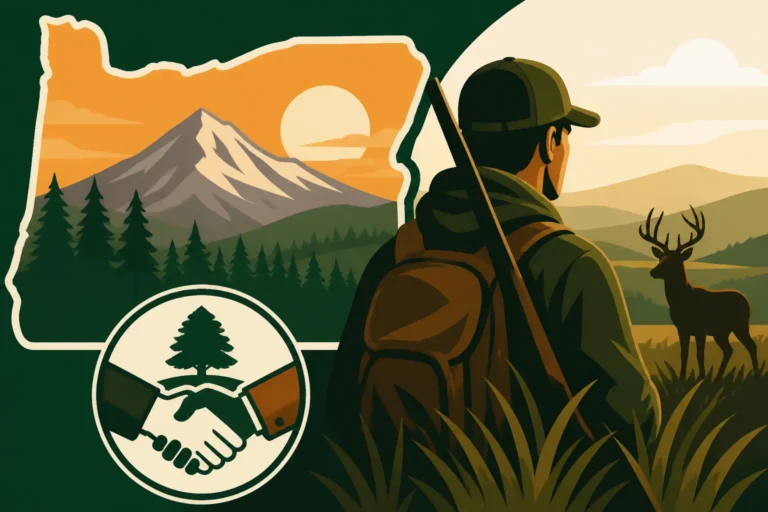
The Open Fields program is a true win-win, creating advantages that resonate with both the property owners and the hunting community. It’s a testament to what can be achieved when different groups collaborate for a common goal.
Incentives for Private Landowners
For landowners, the primary draw is, understandably, the financial compensation provided through per-acre payments. However, the benefits often extend beyond just monetary gain. Many landowners appreciate the formal structure the program provides, which can be a relief compared to the informal and often overwhelming requests for permission that come with Asking a Landowner for Access directly. ODFW acts as an intermediary, helping to manage expectations and communicate rules.
Beyond that, the program can offer significant liability protection under Oregon's recreational immunity statutes, which shields landowners from certain liabilities when they allow public recreation on their property without charge. While the per-acre payments are a "charge," specific provisions or legal interpretations can still provide a degree of protection, which ODFW can help clarify. Furthermore, landowners may benefit from reduced game damage if hunters help to manage local populations of deer, elk, or waterfowl. It’s a comprehensive package designed to make opening gates a practical and appealing choice, transforming potential headaches into managed opportunities.
Increased Access for Hunters
For us hunters, the benefits are clear and profound: more places to hunt! In many areas of Oregon, public land is scarce or incredibly difficult to access, leading to crowded conditions and reduced success rates. The Open Fields program directly alleviates some of this pressure by opening up private parcels that might otherwise be completely off-limits. This is especially true for species like blacktail deer in agricultural fringes or specific waterfowl opportunities like Willamette Valley Goose Damage Ground.
Imagine the frustration of constantly hitting dead ends when searching for a spot, only to find a clearly marked Open Fields property on your map. It’s a game-changer. These properties provide valuable habitat and can offer unique hunting experiences that differ from public land hunts. They also allow us to spread out, reducing competition and enhancing the overall quality of the hunting experience. When you're E-Scouting Oregon Units With Satellite Imagery or using mapping tools like onX Hunt, identifying these designated access areas can instantly expand your options and make your hunt planning much more productive. It means less time stressing about access and more time focused on the hunt itself.
Navigating Open Fields Properties as a Hunter
Finding and utilizing Open Fields properties successfully requires a bit of homework and a healthy dose of respect for the land and the program itself. This isn't just about showing up; it's about being a responsible ambassador for the hunting community.
Finding and Understanding Rules for Open Fields Lands
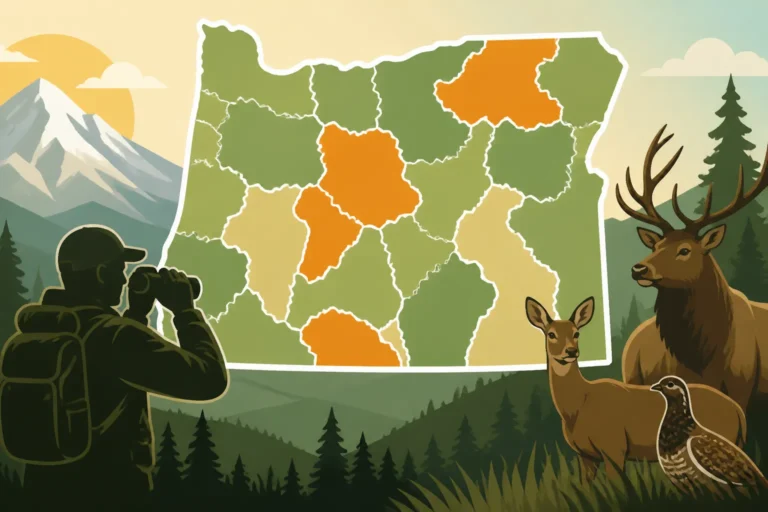
The first step is knowing where these opportunities exist. ODFW does a great job of listing Open Fields properties in their annual hunting regulations pamphlets and on their website. Many mapping applications, like onX Hunt, also integrate these public access layers, making it incredibly easy to pinpoint eligible areas when you're using onX Layers for Oregon Land Status to plan your trip. These properties are often clearly marked with signage on the ground as well, indicating specific entry points and boundaries.
However, simply finding an Open Fields property isn't enough. Each property comes with its own set of rules and guidelines, dictated by the landowner and ODFW, which are often detailed in the hunt pamphlet or on the ODFW website. These rules are non-negotiable and are there for a reason—to protect the property, manage wildlife, and ensure a positive experience for everyone. You might encounter restrictions on vehicle access (many are walk-in only), specific hunting days, designated parking areas, or limitations on species. It's paramount to review these rules thoroughly before you ever step foot on the property. Treat them like sacred text; understanding and adhering to them is key to maintaining these valuable access points for future generations. Just as you'd learn to interpret a Reading a Travel Management Area Map Before You Drive, you need to study the specific parameters of an Open Fields site.
Respecting Private Property and Program Integrity
This is perhaps the most critical aspect of hunting Open Fields properties. Our actions, as hunters, directly impact whether landowners continue to participate in the program. Every time we step onto a private parcel through Open Fields, we are ambassadors for all hunters. This means absolute adherence to the rules, no questions asked.
This includes obvious things like always staying within the designated access boundaries, which might be marked with signs, fences, or natural features. Parking only in specified areas, being mindful of noise and disturbance, and, of course, practicing impeccable ethics. This means Leaving Gates and Fences as You Found Them, packing out all trash (and then some!), and ensuring that no damage is done to crops, fences, or other property. The future of programs like Open Fields, and indeed all landowner-hunter relationships, hinges on mutual respect. If landowners have negative experiences, they won't sign up again, and those doors will close for everyone. So, when you're out there, remember that you're not just hunting for yourself; you're representing the entire hunting community, and your responsible behavior helps keep these crucial opportunities open.
Here's a quick comparison of various landowner access initiatives and methods in Oregon:
| Program/Method | Landowner Incentive | Hunter Access Method | Flexibility/Structure | Management |
|---|---|---|---|---|
| Open Fields Program | Per-acre payments, liability assurances (via ODFW) | Publicly listed properties, specific rules | Structured, formal ODFW agreements | ODFW and landowner |
| Access & Habitat (A&H) Welcome to Hunt | Project funding, signs, habitat improvements | Publicly listed properties, often walk-in | Structured, formal ODFW agreements | ODFW and landowner |
| By-Permission (e.g., Yellow Flag) | Reduced game damage, goodwill, personalized requests | Requires landowner contact, specific permission | Less formal, direct negotiation | Landowner |
| Private Timber Land Permits | Revenue from permits, controlled access | Purchase permits, obey company rules, often gated | Highly structured by timber company | Timber company |
| Direct Landowner Knocking | Goodwill, personal relationship, nuisance control | Direct, in-person request for permission | Informal, highly variable | Landowner |
The Oregon Open Fields program, with its per-acre landowner payments, is a vital component in the ongoing effort to secure and expand hunting access across the state. By understanding how these payments work, appreciating the benefits they offer to landowners, and, most importantly, acting as responsible and respectful hunters on these properties, we can all contribute to the program's success and ensure that these gates remain open for years to come. Utilize resources like Oregon Open Fields Properties and How to Find Them and understand the distinction between Green Flags Versus Yellow Flags on the Hunting Map as you plan your next adventure. It's a fantastic example of a program that truly bridges the gap between private ownership and public outdoor pursuits.
Disclaimer
This article is for general informational purposes only and does not constitute professional advice. Laws, prices and regulations vary by location and change over time. Consult a qualified professional for guidance on your specific situation.