Oregon Access and Habitat Project Funding
For many of us who hunt in Oregon, finding consistent, reliable access to good hunting ground can feel like a never-ending puzzle. Public lands are often pressured, and private timberlands can have complex permit systems or require paying hefty fees. It's a real frustration to stare at a map filled with green only to find locked gates or "no trespassing" signs. This guide will demystify the Oregon Access and Habitat Program, explaining exactly where its funding comes from and how those dollars directly translate into more hunting opportunities for you.
What is the Oregon Access and Habitat Program?
The Oregon Access and Habitat (A&H) Program is a cornerstone initiative designed to improve hunting access and enhance wildlife habitat across the state, primarily on private lands. Think of it as a bridge between landowners and hunters, working to solve that frustrating access dilemma many of us face. The program recognizes that a significant portion of Oregon's game animals, especially deer and elk, spend at least part of their lives on private property. Without a way to work with those landowners, vast tracts of potential hunting ground would remain off-limits, creating bottlenecks and crowding on public lands.
The Core Mission: Opening Gates and Improving Habitat
At its heart, the A&H program's mission is twofold: to increase public hunting access and to foster good land stewardship that benefits wildlife. It's about more than just unlocking a gate; it's about creating sustainable relationships and improving the very ground the animals live on. Landowners, whether they manage sprawling cattle ranches in Eastern Oregon or vast timber tracts in the Coast Range, often face challenges with wildlife. This could range from crop damage by elk to overpopulation of deer. The A&H program offers them incentives and resources to manage these issues in a way that aligns with hunting opportunities. This might involve funding for fencing, range improvements, or even direct payments for allowing hunter access. It's a win-win: landowners get help, and hunters get more places to pursue game. You can learn more about how these specific areas are categorized in our guide on Oregon Access and Habitat Program Lands.
Types of Projects Funded
The A&H program supports a wide array of projects, each tailored to specific needs and geographical areas. For example, in agricultural areas of the Willamette Valley or Eastern Oregon, A&H funds might go towards addressing goose or elk damage to crops, allowing hunters to access those fields to help manage populations. In timber country, projects could involve enhancing forage for deer and elk, or funding road maintenance that then opens up public access for hunters. Some projects are focused entirely on habitat restoration, like improving water sources in dry high desert units or creating new clearings in dense forest that provide better browse for big game. It's this variety that makes the program so effective, allowing local A&H committees to tackle challenges unique to their region. These initiatives directly affect where and how we can pursue game, making it vital for any hunter to understand.
How Does the Access and Habitat Program Get Its Funding?
Understanding where the money comes from for the Access and Habitat Program is crucial because it highlights the direct contributions of hunters and other conservation efforts. This isn't a nebulous government fund; it's a dedicated pool of resources often directly tied to hunter participation and specific state programs.
The Direct Contribution from Hunters: Tags and Applications
One of the primary funding mechanisms for the A&H program comes directly from you, the hunter. A portion of every big game tag sold in Oregon is earmarked for the Access and Habitat Fund. This means when you buy your deer, elk, bear, or cougar tag, a small but significant part of that purchase goes towards creating more hunting opportunities and better wildlife habitat. Similarly, a portion of the application fees for controlled hunts also contributes to this fund. This is a powerful demonstration of how hunters actively fund conservation and access initiatives. Every time you purchase an Oregon hunting license or apply for a controlled tag, you're not just buying a chance to hunt; you're investing in the future of hunting access for yourself and others. It’s important to report your harvest, too, to ensure accurate data that supports these programs, which you can read about in Oregon Mandatory Harvest Reporting and the $25 Penalty.
Additional Revenue Streams: Auction and Raffle Tags
Beyond general tag sales, the A&H program receives a substantial boost from the sale of special auction and raffle tags. These "premium" tags often offer unique hunting opportunities, such as extended seasons, specific weapon choices, or access to prime units that are typically difficult to draw. Hunters who bid on or purchase these raffle tickets are not just vying for a coveted tag; they're also contributing significant funds to the A&H program. These high-value tags can generate tens of thousands of dollars each, pouring directly into the fund to support more access agreements and habitat projects. It’s a powerful way for dedicated hunters to give back and secure extraordinary hunting experiences, simultaneously benefiting the broader hunting community. For more on these special opportunities, check out Oregon Auction and Raffle Tags.
Other Funding Partners
While hunters are the primary financial drivers, the A&H program also benefits from other sources and partnerships. Sometimes, grants from federal programs like the Pittman-Robertson Act (which taxes firearms and ammunition) flow into state wildlife agencies and can be utilized for A&H-type projects. Local conservation organizations, sportsmen's groups, and even private donors might contribute to specific A&H projects that align with their goals. These partnerships amplify the program's reach, allowing for larger, more impactful projects that might otherwise be out of scope. These collaborations are vital for addressing complex wildlife management challenges across diverse landscapes.
How A&H Funding Translates into Real-World Hunting Opportunities
So, what does all this funding actually do for you, the hunter, out in the field? It’s not just about abstract numbers; it’s about tangible access points, expanded hunting grounds, and improved chances of finding game. The A&H program is designed to deliver direct benefits, addressing some of the most common frustrations hunters encounter.
Welcome to Hunt Sites: Open Public Access
One of the most visible ways A&H funding impacts hunters is through the creation and maintenance of "Welcome to Hunt" sites. These are typically private lands where the landowner has signed an agreement with the A&H program to allow public hunting access, often without a fee. You might find these in farming areas, private timber blocks, or large ranches. These agreements can be seasonal, targeting specific game species, or year-round. These locations are critical because they often provide access to areas that would otherwise be entirely locked up. When you see a "Welcome to Hunt" sign, you know that your A&H dollars helped make that access possible. Using tools like onX Hunt, you can often see these designated areas clearly marked, helping you plan your hunt with confidence. Our article on The Oregon Open Fields Program dives deeper into how some of these properties are managed.
By-Permission Lands: Building Relationships
Beyond fully open access, A&H funds also support "by-permission" properties. Here, landowners agree to allow hunting, but require hunters to contact them directly for permission before entering. This model fosters a more direct relationship between hunters and landowners, promoting respect and clear communication. The A&H program might compensate the landowner for the hassle of managing access requests, helping them address issues like trespass or damage, while still opening up valuable hunting ground. These properties often represent prime habitat, and getting permission is a privilege that comes with the responsibility of being a good ambassador for hunters. You can find more specific advice on navigating these opportunities in Oregon By-Permission Properties.
Habitat Improvement for Long-Term Benefits
A significant portion of A&H funding goes towards direct habitat improvement projects. These might not immediately grant you access to a new hunting spot, but they contribute to healthier, more robust wildlife populations over the long term, which ultimately benefits all hunters. For instance, an A&H grant could fund restoration of riparian areas along a stream, providing better water and cover for deer and elk. Another project might involve controlled burns or thinning of overgrown timber to create diverse forage areas. These habitat enhancements mean more game, healthier game, and better hunting opportunities down the line. When you're scouting, even on public land, remember that the surrounding private timberlands or agricultural properties might be part of an A&H habitat project, subtly boosting the game numbers in your unit. Understanding Elk Behavior After a Wildfire or Hunting a Recent Burn for Elk can sometimes tie into these habitat projects too.
Maximizing Your Access Using A&H Information
Now that you understand where the Access and Habitat program's funding comes from and what it supports, let's talk about how you can leverage this knowledge to improve your own hunting success in Oregon. This isn't about secret spots, but about being informed and using available resources effectively.
Utilizing ODFW Resources and Digital Tools
The Oregon Department of Fish and Wildlife (ODFW) is the primary administrator of the A&H program, and their website is your first stop. They publish detailed maps and lists of A&H properties, often broken down by unit or region. These resources will tell you if a property is "Welcome to Hunt" (open access) or "By-Permission," and often provide contact information for the latter. It's essential to check these resources regularly, as new properties are added and existing agreements can change.
Beyond the ODFW website, digital mapping tools like onX Hunt are incredibly valuable. Many A&H properties are marked directly on these apps, overlaying with public land boundaries and private property ownership. This allows you to visually identify potential access points and understand the surrounding land status. Before heading out, you can use these tools to e-scout an area, looking for potential habitat features or access roads that might be opened by A&H. A subscription to a service like GoHunt can also provide valuable insights into tag odds and unit specific information, which can complement your A&H access research, helping you identify units where A&H properties might exist and give you a leg up. Being able to visualize these areas on a map, especially in conjunction with aerial imagery, is a game-changer. You might also want to look at our guide on E-Scouting Oregon Units With Satellite Imagery for more tips.
Scouting and Respecting A&H Properties
Once you've identified potential A&H properties, the next step is boots-on-the-ground scouting. While digital maps provide a great overview, nothing beats seeing the terrain firsthand. Pay attention to signage, specific entry rules, and any landowner requests. If it's a by-permission property, make contact well in advance, be polite and respectful, and adhere strictly to any conditions set by the landowner. Remember, A&H access is a privilege, not a right.
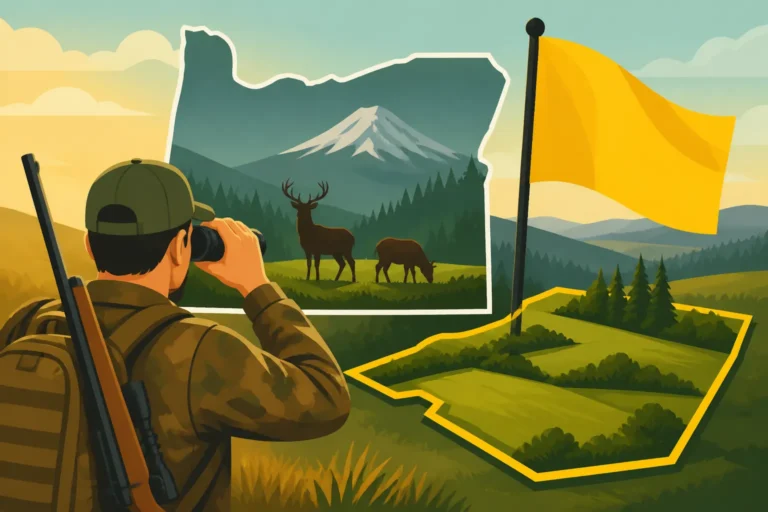
Always leave gates as you found them, pack out all your trash, and stay within the designated hunting areas. Treating these properties with the utmost respect helps ensure that landowners continue to participate in the program, benefiting all hunters. The distinction between "Green Flags Versus Yellow Flags on the Hunting Map" often relates to A&H properties and their access requirements, so understanding those nuances is key. Your actions on an A&H property reflect on the entire hunting community, so being a responsible hunter is paramount to the program's ongoing success.
Oregon Access and Habitat Program Funding Sources
To give you a clearer picture of how diverse the funding for the A&H program is, here's a quick breakdown of the main sources:
| Funding Source | Contribution Type | Impact on Hunters |
|---|---|---|
| Big Game Tag Sales | Percentage of each deer, elk, bear, cougar tag | Direct hunter contribution, foundational funding |
| Controlled Hunt App Fees | Portion of application fees | Direct hunter contribution, supports administrative costs |
| Auction and Raffle Tags | High-value tag sales (e.g., Governor's Tag) | Significant lump sums, funds major projects, unique hunts |
| Federal Aid (e.g., Pittman-Robertson) | Excise tax on firearms and ammunition | Indirect hunter contribution, augments state funds |
| Private Donations/Grants | Contributions from individuals or organizations | Supports specific local projects, enhances program reach |
| Landowner Tag Program (indirect) | Incentives for landowners to allow access | Encourages private land enrollment, creating opportunities |
This table illustrates that while there are multiple sources, the vast majority of dedicated funding for these access and habitat improvements originates directly or indirectly from hunters themselves. It truly is a program built by hunters, for hunters, and for the benefit of Oregon's wildlife.
Disclaimer
This article is for general informational purposes only and does not constitute professional advice. Laws, prices and regulations vary by location and change over time. Consult a qualified professional for guidance on your specific situation.