Hunting Willamette Valley Goose Damage Ground
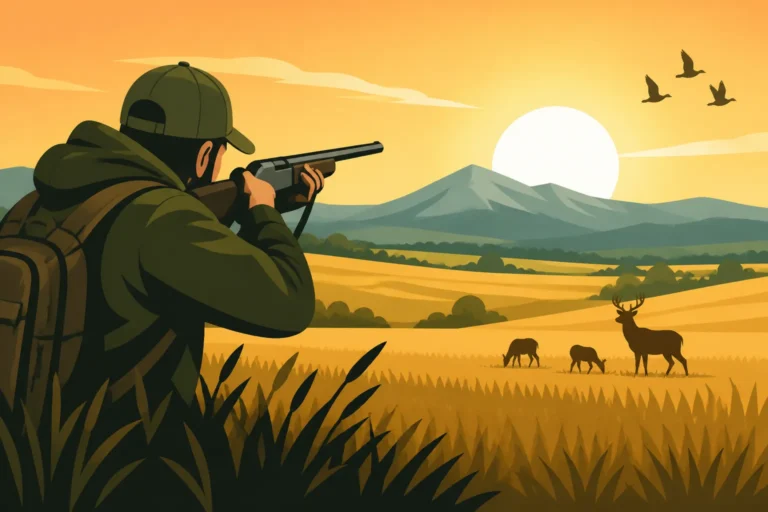
The endless battle against crop damage from migratory geese can feel like a losing fight for Willamette Valley farmers, and for hunters, it presents a unique opportunity. This guide will walk you through everything you need to know about navigating the specialized world of hunting goose damage ground, from understanding why geese are a problem to securing access and implementing effective hunting strategies that benefit both the landowner and your freezer.
Understanding Willamette Valley Goose Damage Ground
The Willamette Valley, with its fertile agricultural lands and mild climate, is a prime wintering ground for a myriad of waterfowl, none more prominent and, at times, problematic, than geese. While seeing thousands of geese speckling the sky is a breathtaking sight, their presence on private agricultural fields can quickly turn from picturesque to financially devastating for farmers. Understanding this dynamic is key to appreciating the role hunters play in managing these populations.
Why Geese Target Agricultural Fields
Geese, particularly species like the Western Canada Goose and the smaller Cackling Goose, are drawn to the Willamette Valley's agricultural fields for a few very simple, yet powerful, reasons. First and foremost is the abundant food source. Post-harvest fields, especially those planted with winter wheat, ryegrass, or even new grass seed crops, offer a readily available buffet of tender greens and waste grains. These fields provide high-energy forage that allows the geese to build up fat reserves for migration and breeding. It’s a literal smorgasbord that’s hard for them to resist, far more attractive than natural marsh vegetation during colder months.
Beyond the food, these open fields offer an unparalleled sense of security. Unlike timbered areas or dense brush, wide-open agricultural expanses allow geese to spot potential predators from a great distance. They can feed in large flocks, with many eyes scanning the horizon, minimizing their individual risk. This combination of abundant, easily accessible food and a relatively safe environment creates an irresistible magnet for thousands of geese, leading to significant crop depredation and economic losses for the farmers whose livelihoods depend on these fields.
The Role of ODFW and Damage Control
Recognizing the severe impact that large goose populations can have on agricultural interests, the Oregon Department of Fish and Wildlife (ODFW) actively manages waterfowl populations with damage control as a significant consideration. The goal isn't just about providing hunting opportunities; it's about mitigating agricultural damage, a core tenet of wildlife management in areas with high human-wildlife conflict. ODFW implements various programs and special seasons aimed at reducing goose numbers in affected areas, and one of the most effective tools in their arsenal is allowing access for hunting on what's colloquially known as "damage ground."
This strategy involves identifying specific agricultural properties that are experiencing significant goose depredation and then facilitating hunter access to these lands. By encouraging hunting on these "hot spots," ODFW aims to disperse the flocks, reduce overall goose numbers, and instill a natural wariness in the birds, making them less likely to concentrate and cause further damage. It’s a win-win: farmers get relief from crop destruction, and hunters get unique opportunities to pursue geese in productive settings. The success of these programs relies heavily on hunter participation and adherence to specific regulations designed to achieve these damage control objectives.
Navigating Access and Regulations for Goose Damage Hunts
Hunting goose damage ground in the Willamette Valley isn't quite like heading to a public wildlife area. It often involves specific access programs and heightened communication with landowners, all while adhering to slightly different regulations tailored to the damage control mission. This means a bit more homework on your end, but the rewards are often worth it.
Finding Available Damage Ground Properties
One of the biggest hurdles for any hunter, especially when dealing with private land, is simply finding where you can actually hunt. For goose damage ground, the process is generally facilitated by ODFW. The best starting point is usually the ODFW website, where they often list properties participating in various damage control or access programs. These lists might detail specific fields, contact information, or instructions for how to gain permission. Local ODFW offices in the Willamette Valley region are also invaluable resources; calling them directly can often yield the most current information on available properties.
Word of mouth among fellow waterfowlers can also be a goldmine, so don't be afraid to network at local sporting goods stores or conservation group meetings. Remember, these opportunities are often seasonal and fluid, depending on where geese are causing the most trouble that year. Some areas are managed under programs like Oregon Open Fields Properties and How to Find Them, which are specifically designed to open private lands for hunting under certain conditions. Tools like GoHunt can be incredibly useful here, not just for traditional public land scouting, but also for identifying land ownership boundaries in areas known for goose damage. You can use their mapping features to see who owns land adjacent to known goose roosts or feeding patterns, which might lead to direct permission requests.
Key Regulations for Willamette Valley Goose Hunting
Hunting geese on damage ground in the Willamette Valley comes with its own set of rules, often slightly tweaked from general waterfowl seasons to address the specific needs of damage control. First, you'll need all the standard licensing: a valid Oregon hunting license, a federal migratory bird stamp, and importantly, an Oregon Waterfowl Stamp Requirements are mandatory. Beyond that, pay close attention to the specific hunt dates, which might vary by zone within the valley. The Willamette Valley is often broken into different zones (e.g., Northwest, Southwest) with separate quotas or season structures for Canada Geese and Cackling Geese, reflecting local population dynamics and damage levels.
Bag limits are also critical. While general season limits apply, sometimes special damage control hunts might have slightly adjusted limits or even specific bird requirements (e.g., targeting Cackling geese). Shooting hours are usually standard half-hour before sunrise to sunset, but always double-check the current regulations pamphlet. Some specific damage properties might have additional rules, such as designated parking areas, specific entry points, or restrictions on vehicle use. It's crucial to obtain and review any special permits or access agreements for the property you plan to hunt, as these will detail the exact parameters for your hunt. Disregarding these rules not only risks fines but can jeopardize future access for all hunters.
Effective Strategies for Hunting Geese on Damage Ground
Once you've secured access to a promising piece of goose damage ground, the real fun (and challenge) begins. Success often hinges on a combination of strategic setup, effective calling, and maintaining excellent landowner relations. Remember, you’re not just hunting; you’re helping manage a problem, and acting professionally ensures future opportunities.
Decoy Spreads and Blind Placement
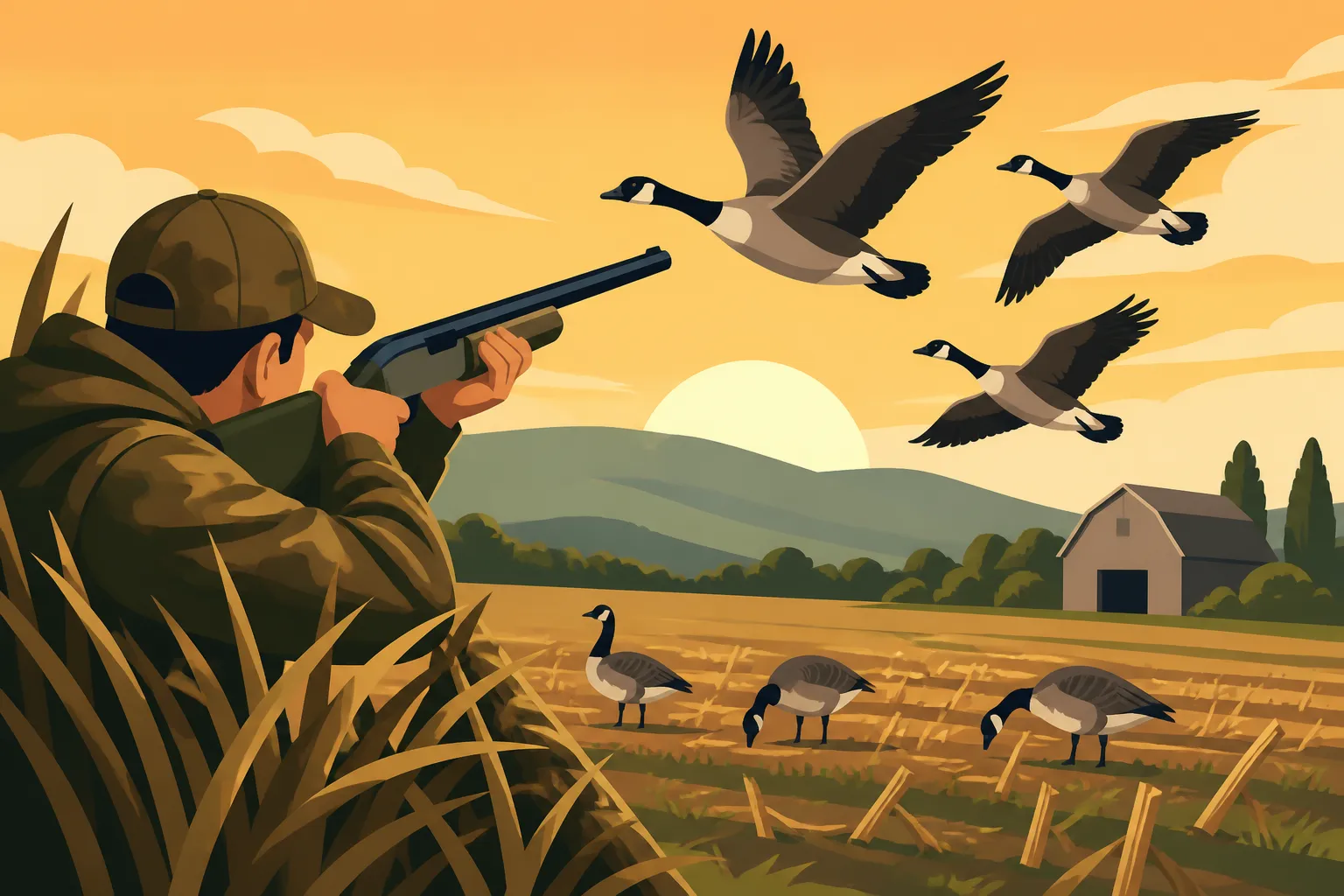
Geese are notoriously wary, and setting up an effective decoy spread is paramount. For damage ground, you’re often dealing with large, open fields, which means your spread needs to look natural and inviting from a distance. A realistic spread typically includes a mix of feeder and sentry decoys, mimicking a content flock on the ground. Full-body decoys are fantastic for realism, but a combination of full-bodies, shells, and even windsock decoys can create the illusion of a massive, active flock without breaking the bank or your back. Group your decoys into family units or small feeding groups rather than a uniform grid. Leave a landing zone "hole" in your spread, preferably upwind, where incoming geese can comfortably set down.
Blind placement is equally crucial. Geese have incredible eyesight. Layout blinds are often the most effective choice in open agricultural fields as they keep you low to the ground and blend seamlessly with stubble or dirt. If natural cover like fence lines, ditches, or clumps of brush are available, you can use panel blinds or natural material to create an effective hide. Always ensure your blind is positioned to take advantage of the prevailing wind, as geese almost always land and take off into the wind. If you're hunting with a group, ensure everyone understands where to position themselves for optimal concealment and safe shooting lanes. Consider scouting your chosen field using satellite imagery, perhaps with GoHunt’s aerial view, to pinpoint subtle terrain features that could offer natural concealment long before you ever set foot on the property.
Calling Techniques and Gear
Calling is an art form in goose hunting, and it’s about more than just making noise. It’s about communication. For Canada and Cackling geese common in the Willamette Valley, a good call can be the difference between birds circling out of range and pitching in close. Start with a "hail call" to get their attention when they're distant, mimicking the loud, excited calls of a flock. As they approach, switch to more contented "clucks" and "moans" or even "feed calls," indicating that everything is safe and good to eat. Don't overcall; let the geese work, and only call when they seem to be losing interest or need a little encouragement. Watching their body language is key.
Regarding gear, a 12-gauge shotgun is the workhorse of goose hunting, capable of handling the larger loads needed for these robust birds. A modified or full choke is typically recommended to keep patterns tight at longer ranges, especially as geese might hesitate to commit fully. As for ammunition, non-toxic shot is a federal requirement for waterfowl hunting. Steel shot in larger sizes (BB, BBB, T) or denser alternatives like Bismuth or Tungsten alloys are excellent choices. While Electronic Calls and What Oregon Allows might be permitted for certain predator hunting, they are generally not allowed for migratory birds like geese. Stick to traditional mouth calls and practice, practice, practice!
Working with Landowners and Respecting Property
This aspect cannot be stressed enough: your relationship with the landowner is paramount. You are a guest on their property, and your actions reflect not just on you but on all hunters. Always make contact before each hunt, even if you have standing permission, to ensure it's still a good time and there are no conflicts with farming operations. Drive only on designated paths or field edges, never through crops, even if they appear dormant. Pack out every single piece of trash, including spent shell casings, empty coffee cups, and any other refuse. The goal is to leave the property looking better than you found it.
Remember, the reason you’re there is to help mitigate damage, so conducting yourselves respectfully and professionally reinforces the value of hunters as partners in wildlife management. This includes something as simple but critical as Leaving Gates and Fences as You Found Them. If a gate was closed, close it. If it was open, leave it open. Never assume. This simple act can prevent livestock from escaping or unnecessary damage. Taking the time to build a solid rapport with the landowner, perhaps by sharing some processed goose meat or offering a hand with a small chore, can cement future hunting opportunities. It’s all part of the unwritten contract when Asking a Landowner for Access.
Post-Hunt Considerations and Ethical Practices
The hunt doesn't end when the geese hit the ground. Proper care of your harvest, adherence to reporting requirements, and a continued commitment to ethical practices are all part of being a responsible hunter, especially when utilizing specialized opportunities like damage ground.
Field Care and Processing
Once a goose is down, proper field care begins immediately to ensure the best quality meat. Geese, like all birds, cool rapidly, but in milder Willamette Valley weather, getting them cooled down even quicker is important. Bleeding out the birds can help improve meat quality, especially if you plan to pluck them whole. For many, simply breasting out geese is the most common method, saving valuable time and effort in the field. Carefully remove the breast meat, ensuring you get as much as possible. If you plan to pluck them for a whole roast, consider bringing large trash bags to keep the feathers contained.
Place the meat in a cooler with ice as soon as possible. Don't just toss them in the back of a warm truck; heat is the enemy of good game meat. The sooner you get them on ice, the better. If you’re on a multi-day hunt or have a long drive home, consider freezing water bottles or jugs to prolong ice life. For detailed advice on how to keep your harvest cool and safe for the journey home, you might find tips in guides like Coolers, Ice and the Drive Home From Eastern Oregon, which, while focused on larger game, offer universal principles for meat preservation.
Mandatory Reporting and Conservation
Just like with big game, waterfowl hunters in Oregon have a responsibility to report their harvest. This often involves both state and federal reporting. You are required to register in the Harvest Information Program (HIP) annually, which is typically done when you purchase your hunting license. Additionally, ODFW might have specific reporting requirements for waterfowl, especially for special damage hunts, to track harvest numbers and aid in management decisions. These reports are crucial for wildlife biologists to understand population trends, hunting pressure, and the effectiveness of various management strategies. Failing to report can result in penalties and compromises the data needed for sound conservation.
The federal Bird Banding Laboratory also asks hunters to report any banded birds they harvest. This provides invaluable data on migratory patterns, survival rates, and population demographics. Every piece of information helps ODFW manage the Oregon Duck and Goose Flyway Numbers responsibly for future generations. By participating in these reporting programs, you become an active partner in conservation, directly contributing to the science that ensures sustainable hunting opportunities for years to come. Always note the Oregon Harvest Report Deadline in January and ensure all your tags are properly reported, even if you didn’t fill them, to avoid potential fines.
Hunting Willamette Valley Goose Damage Ground: Quick Reference
| Aspect | Key Consideration | Actionable Tip |
|---|---|---|
| Finding Access | ODFW lists, local offices, private landowners. | Check ODFW website, call regional offices, use mapping tools like GoHunt. |
| Regulations | Specific season dates, bag limits, zones, special permits. | Consult current ODFW pamphlet, obtain any required damage hunt permits. |
| Decoy Strategy | Realism, spread patterns, landing zones. | Mix full-bodies/shells, create natural feeding groups, leave upwind hole. |
| Blind Concealment | Geese have excellent eyesight, open fields. | Utilize layout blinds or natural cover, ensure complete camouflage. |
| Calling | Attention-grabbing, contented calls, don't overcall. | Start loud, switch to clucks/moans, watch bird reaction. |
| Landowner Relations | Respect, communication, leaving no trace. | Call before each hunt, drive on designated paths, pack out all trash. |
| Field Care | Cooling meat quickly, processing efficiently. | Bleed birds, breast out quickly, get meat on ice immediately. |
| Reporting | HIP program, ODFW harvest reports, band reporting. | Report all harvest (and non-harvest) as required by state and federal law. |
This structured approach not only maximizes your chances of a successful hunt but also ensures you're contributing positively to the overall management of Willamette Valley goose populations. Remember, this kind of hunting can extend your season beyond traditional big game, offering a fantastic opportunity for Bird Hunting After Big Game Season Ends and a valuable skill set for Waterfowl and Upland Birds as a Second Season.
Disclaimer
The information provided in this guide is for informational purposes only and is not a substitute for official hunting regulations. Always consult the current Oregon Department of Fish and Wildlife (ODFW) hunting regulations pamphlet and any specific landowner agreements before engaging in any hunting activities. Laws and regulations can change, and it is the hunter's responsibility to stay informed and compliant.