Electronic Calls and What Oregon Allows
The thrill of the hunt often hinges on every advantage we can legally and ethically employ, and in today's world, technology plays a huge role. Many hunters wonder about the legality and effectiveness of electronic calls, especially here in Oregon, where regulations can sometimes feel like a labyrinth. This guide aims to cut through the confusion, clearly outlining what Oregon allows when it comes to electronic calls, so you can hunt confidently and within the bounds of the law.
Understanding Oregon's General Regulations on Electronic Calls
It's easy to get excited about new gadgets and techniques that promise an edge in the field, but when it comes to electronic calls, Oregon has some very clear lines drawn in the sand. These rules are put in place to ensure fair chase and to manage wildlife populations responsibly. Understanding them thoroughly is crucial for any hunter.
The Basic Rule for Big Game
Let's get straight to the point: for big game animals in Oregon, electronic calls are, with very few and specific exceptions, a no-go. This means you absolutely cannot use electronic calls, recordings, or any other artificial means to broadcast the sounds of big game animals, or the sounds of animals in distress that might attract them, if you are hunting species like deer, elk, bear, cougar, pronghorn, bighorn sheep, or mountain goats. This rule is a foundational principle of fair chase hunting in our state.
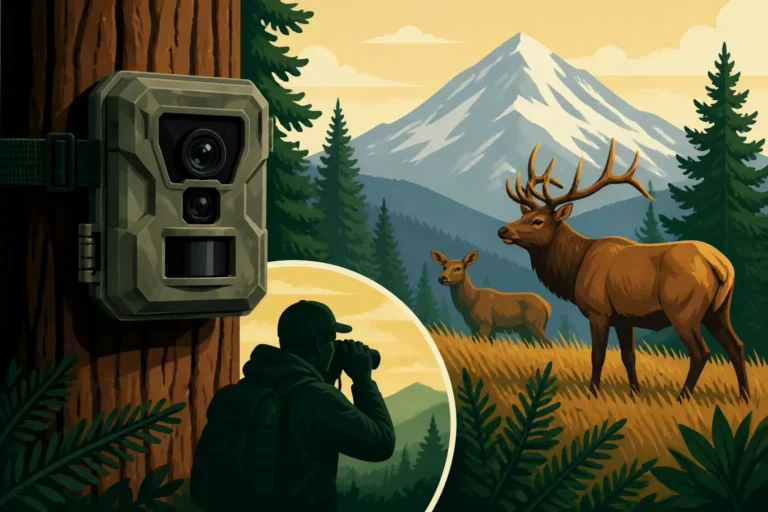
The intent behind this prohibition is clear: to maintain a level playing field between the hunter and the hunted. It ensures that the challenge lies in a hunter's skill, knowledge of the animal, and ability to mimic natural sounds or approach stealthily, rather than relying on an electronic device to lure an animal in. For instance, when you're out chasing a bull during Oregon's archery season, it's your lungs and diaphragm call that should be mimicking that distant bugle, not a speaker. The satisfaction of calling a majestic Roosevelt elk into range with your own voice after mastering techniques like Calling Roosevelt Elk in Oregon Rainforest Timber is a reward in itself, earned through dedicated practice and understanding of elk behavior.
This rule also applies whether you're actively hunting, or even just attempting to locate animals for a future hunt. Having an electronic call in your possession and using it in an attempt to attract these big game species is prohibited. It's a simple, straightforward regulation that all big game hunters need to internalize before heading into the field.
Exceptions and Other Species
While the prohibition for big game is broad, it's important to remember that not all species fall under the same umbrella. There are indeed specific scenarios and species for which electronic calls are permitted in Oregon, and these generally revolve around predator management.
The primary exceptions where electronic calls are legal and commonly used are for hunting unprotected predators like coyotes and bobcats. These species are often managed for their impact on other wildlife populations or for agricultural protection, and the use of electronic calls, often broadcasting distress sounds like a wounded rabbit or a dying fawn, is a highly effective and legal method for drawing them in. Many hunters specifically target coyotes, especially after big game seasons conclude, finding it a challenging and rewarding pursuit. Programs like GoHunt offer excellent mapping tools that can help identify public lands where these predator hunts are allowed, helping you plan your approach.
For other game species, like upland birds or waterfowl, the rules are often more nuanced and vary by species and specific season regulations. Generally, electronic calls are strictly prohibited for migratory game birds, which includes ducks and geese, due to federal regulations. However, for certain upland birds, the rules can differ, making it absolutely vital to consult the current year's Oregon Big Game Regulations and Oregon Game Bird Regulations pamphlets. These documents are your ultimate source of truth, updated annually by the Oregon Department of Fish and Wildlife (ODFW). They will clearly detail any species-specific allowances or prohibitions. You can find sections on Oregon Turkey Seasons and Tags or information about Waterfowl and Upland Birds as a Second Season within these regulations, which will specify call legality.
Diving Deeper into Permitted Electronic Call Usage
Understanding the blanket ban on big game electronic calls is the first step. The next is to explore where and how these devices can actually be used legally and effectively within Oregon's hunting landscape. This primarily brings us to predator hunting, a popular activity that often utilizes advanced calling techniques.
Predator Hunting with Electronic Calls
For species like coyotes and bobcats, electronic calls are not just allowed, they're often the go-to tool for successful hunting. These calls reproduce a wide variety of sounds, from rabbit distress to fawn bleats, or even coyote pup distress calls, all designed to trigger a predatory response from the target animal. The ability to project these sounds over a wide area and control volume and pitch remotely gives hunters a significant advantage.
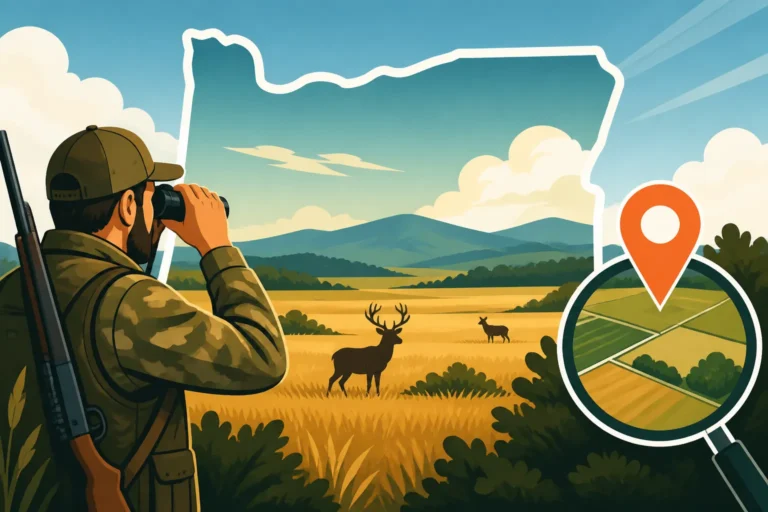
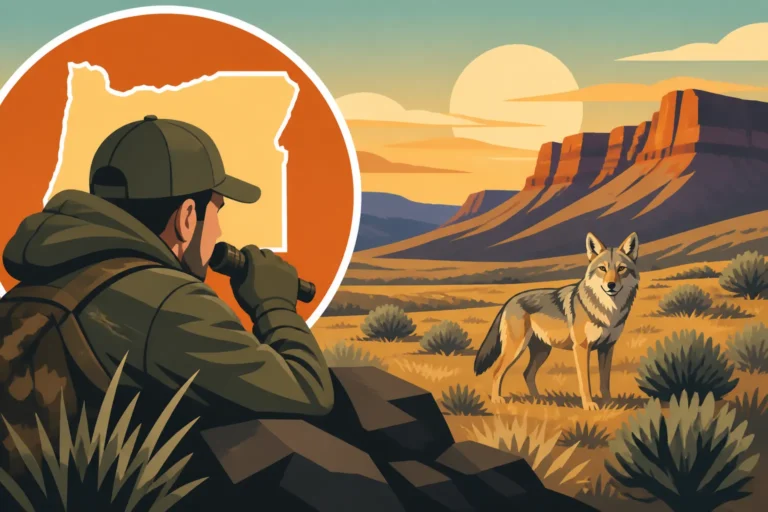
When you're setting up for a predator hunt in Eastern Oregon's vast sagebrush plains, an electronic call can be incredibly effective. Imagine a crisp morning, you're nestled into some cover, and your electronic call starts broadcasting a wounded jackrabbit sound. The sound travels across the open country, pulling in curious coyotes from hundreds of yards away. This is where tools like GoHunt become invaluable, as they can help you locate prime public land parcels, such as BLM land, that are open to predator hunting, allowing you to focus on strategy rather than access issues. For those pursuing Coyote Calling in Open Sage Country, an electronic call is almost a necessity for projecting sound over long distances and mimicking a variety of prey animals.
Choosing the right call sequence and understanding how coyotes react to different sounds is crucial. Sometimes a simple, continuous distress sound works best, while other times, a short burst followed by silence, mimicking a quick kill, can be more effective. Hunters also use challenge howls or interrogation howls to locate coyotes, before switching to a distress call to bring them in. This strategic use of an electronic call, combined with good camouflage and wind awareness, is what makes predator hunting so engaging. Remember, while electronic calls are legal for coyotes and bobcats, always be sure of your target and your backdrop. Misidentification can lead to serious consequences.
Upland Bird and Waterfowl Considerations
The world of bird hunting often has its own set of rules, and electronic calls are a common area of scrutiny. For migratory waterfowl (ducks, geese, etc.), federal regulations are very clear: the use of electronic calls or any recorded or amplified bird sounds is strictly prohibited. This is a consistent rule across the United States, so there's no ambiguity there. Your trusty duck call has to be operated by your own breath!
When it comes to upland birds in Oregon, such as turkeys, pheasants, quail, or chukar, the regulations can sometimes be a bit more nuanced, but generally, electronic calls are also prohibited. For instance, turkey hunting relies heavily on mimicking the natural sounds of a hen or gobbler using mouth calls, box calls, or slate calls. The challenge of luring a wary gobbler in with your own skill is central to the experience. Trying to use an electronic call for spring turkeys would not only be illegal but would also strip away a significant part of the traditional challenge. If you're planning a trip to the high desert to hunt Chukar Country Footwear and Fitness is critical, but an electronic call won't do you any good for these fast-flying birds.
Again, the most reliable source for up-to-date information is the annual Oregon Game Bird Regulations pamphlet. These publications clearly detail legal calling methods for each species. It’s always best to review the current regulations before each season, as rules can occasionally change or be interpreted differently by individual wildlife management areas. For example, specific ODFW Wildlife Areas might have additional restrictions beyond statewide rules. Double-checking with resources like the ODFW website or even calling a local ODFW office is always a smart move if you're ever in doubt.
The Practical Implications and Ethical Considerations
Beyond the black-and-white rules, there are deeper reasons why these regulations exist and practical steps hunters can take to ensure they're always hunting legally and ethically.
Why the Ban for Big Game?
The prohibition of electronic calls for big game in Oregon, and in many other states, is rooted deeply in the principles of fair chase. Fair chase is more than just a legal concept; it's an ethical framework that guides hunters to pursue animals under conditions that do not give the hunter an unreasonable advantage. It’s about respecting the animal, the challenge, and the tradition of hunting.
Imagine a scenario where a hunter could simply press a button, and a perfectly replicated, loud, and sustained elk bugle or deer grunt would emanate from a hidden speaker, drawing in a naive animal. This would fundamentally alter the challenge and skill required. It would remove the artistry of mastering a diaphragm call, the patience required to observe and understand animal behavior, and the physical effort of positioning oneself for a natural calling sequence. For many, the satisfaction derived from a successful big game hunt comes precisely from overcoming these challenges. It’s the dedication to learning Calling Bull Elk During Oregon's Archery Season or perfecting the nuance of a distress call for a wary blacktail that truly enriches the experience.
Furthermore, the ban helps manage wildlife populations by ensuring that animals are not unduly pressured or made more vulnerable to harvest through technological means that could potentially lead to overharvesting. It's a balance between providing hunting opportunities and sustaining healthy wildlife populations for future generations.
Avoiding Accidental Violations
It's surprisingly easy to accidentally violate a regulation if you're not paying close attention. In the age of smartphones, many hunters have apps that can produce animal sounds. While these might be great for practice at home, using them in the field while hunting big game, even casually to "see if anything is around," could be interpreted as an attempt to attract animals and lead to a citation. The simple rule is: if you're hunting big game, leave the electronic devices that make animal sounds packed away or, better yet, don't even have them out.
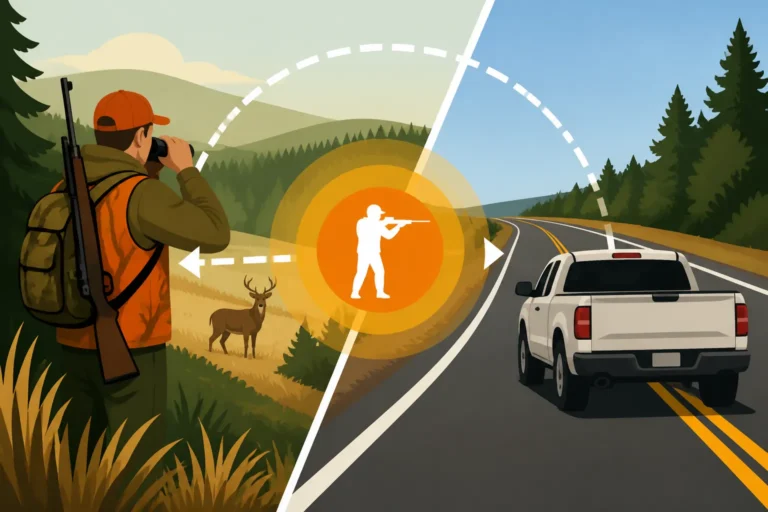
Another common pitfall could be traveling through an area where you're actively hunting big game, and perhaps you've been predator calling earlier in the day or plan to later. The mere presence and potential use of an electronic call in a big game hunting context could be problematic. When you're Reading a Travel Management Area Map Before You Drive, also consider what gear is appropriate for the species you are currently pursuing.
The best defense against an accidental violation is thorough preparation and a deep understanding of the regulations. Before every season, and before venturing into a new unit or pursuing a different species, always download and read the most current Oregon Regulation Pamphlet Release Date from ODFW. Online tools like GoHunt can also be invaluable for quickly cross-referencing unit boundaries and associated rules, helping you plan your hunt to avoid any grey areas. If you're ever unsure, err on the side of caution. A quick phone call to an ODFW biologist or game warden in the area you plan to hunt can save you a lot of headache and potential penalties. Remember, ignorance of the law is never an excuse, and violating regulations can lead to stiff fines or even loss of hunting privileges. Understanding Oregon Wildlife Violation Penalties underscores the importance of adherence.
Summary of Electronic Call Regulations in Oregon
To help clarify the various rules, here's a quick reference table outlining the general allowances for electronic calls for popular game species in Oregon. Always, always verify with the current ODFW regulations for specifics.
| Species Group | Electronic Calls Allowed? | Notes |
|---|---|---|
| Big Game | No | Includes deer, elk, bear, cougar, pronghorn, bighorn sheep, mountain goats. Strict prohibition for attracting or locating animals. |
| Coyotes & Bobcats | Yes | Legal and commonly used for predator calling. Popular for distress sounds (rabbit, fawn, pup). Check local ordinances or specific wildlife area rules. |
| Migratory Birds | No | Includes ducks, geese, doves, pigeons, snipe. Prohibited by federal regulations for all migratory game birds. |
| Upland Birds | Generally No | Includes turkeys, pheasants, quail, chukar, grouse. While specific exceptions are rare, assume no unless explicitly stated otherwise in current ODFW Game Bird Regulations. For example, for Oregon Turkeys and Upland Birds, manual calls are the norm. |
| Predators (Other) | Check Regulations | For other predator species (e.g., foxes), always check the specific rules in the current year's ODFW regulations pamphlet. |
Navigating the rules around electronic calls in Oregon doesn't have to be complicated, but it does require diligence and a commitment to responsible hunting. By understanding the core principles—especially the firm stance on big game—and knowing where to find the most current information, you can ensure your time in Oregon's incredible outdoors is both rewarding and fully legal. The beauty of the hunt, after all, lies as much in adhering to its traditions and regulations as it does in the pursuit itself.
Disclaimer
The information provided in this article is for general guidance and informational purposes only, and does not constitute legal advice. Hunting regulations in Oregon are subject to change by the Oregon Department of Fish and Wildlife (ODFW) and other governing bodies. Hunters are solely responsible for knowing and adhering to all current federal, state, and local hunting laws and regulations before engaging in any hunting activities. Always consult the most recent official ODFW hunting regulations pamphlets or contact ODFW directly for the most accurate and up-to-date information.