Oregon Duck and Goose Flyway Numbers
It can feel overwhelming trying to make sense of all the information out there when you're planning an Oregon waterfowl hunt. You hear about good years and bad years, but what really drives the duck and goose numbers in our state, and how do you even begin to track them? This guide is here to demystify the complex world of Oregon's duck and goose flyway numbers, giving you a clearer picture of what influences these populations and how you can use that knowledge to become a more effective and informed hunter.
Understanding Oregon's Place in the Flyways
Oregon isn't just a stopover; it's a vital crossroads for millions of migratory birds each year. Our diverse landscapes, from coastal estuaries to inland wetlands and agricultural fields, provide critical feeding and resting grounds. Understanding our state's role in the larger migratory picture is key to appreciating the ebb and flow of waterfowl populations.
The Pacific Flyway's Significance
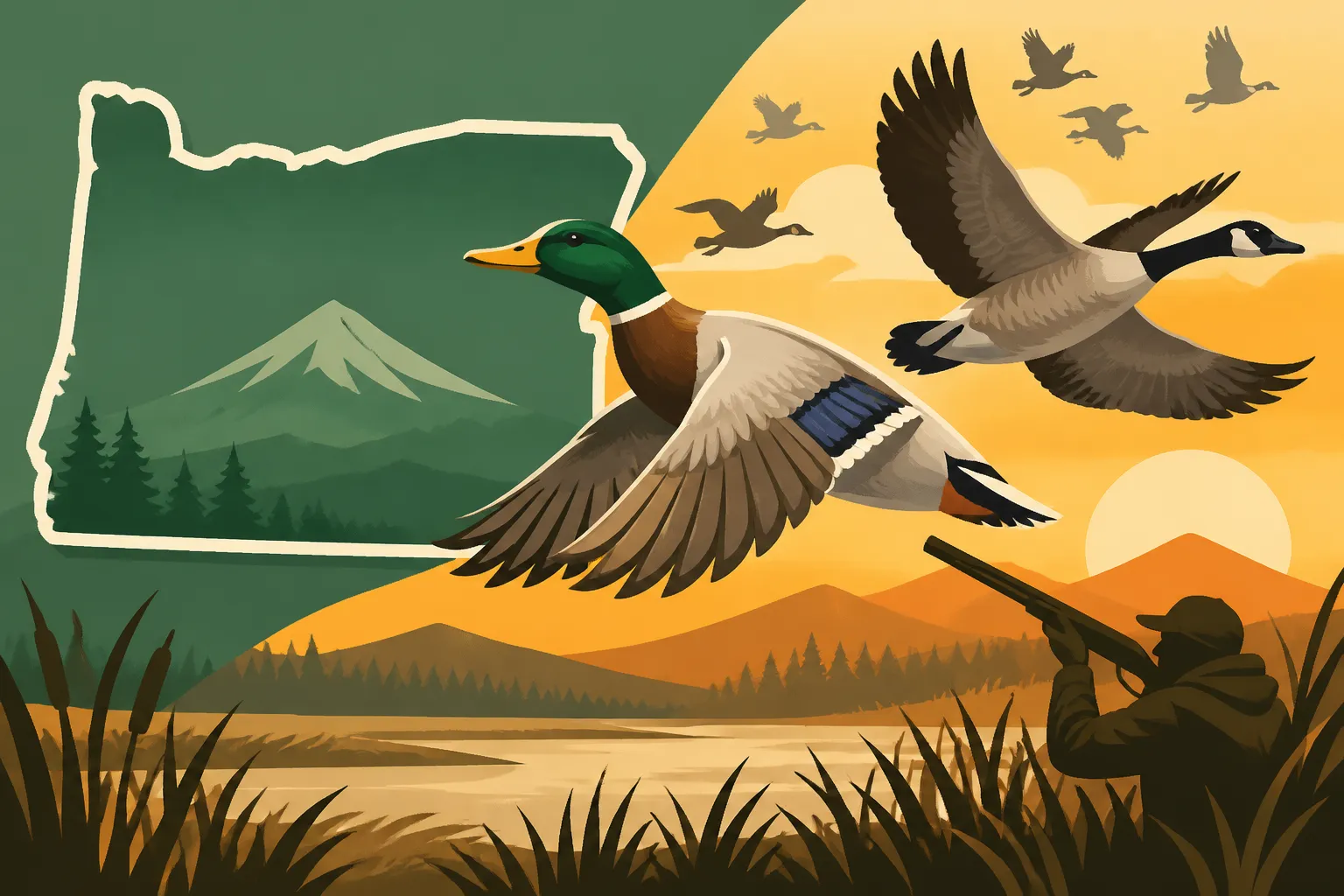
Oregon is squarely positioned within the Pacific Flyway, one of North America's four major migratory bird routes. This vast aerial highway stretches from the Arctic tundra all the way down to Patagonia, funneling birds along the western half of the continent. For ducks and geese breeding in Alaska, the Canadian prairies, and the northern states, Oregon represents a crucial wintering destination or a vital refueling point on their journey further south into California or Mexico. Think of it as a superhighway for birds, and Oregon has some of the most important rest stops and diners along the route.
The sheer variety of habitats in Oregon—the sprawling farmlands of the Willamette Valley, the vast marshes of the Klamath Basin, the numerous coastal bays and estuaries, and the high desert playas of Eastern Oregon—means our state can support an incredible diversity of waterfowl. These distinct ecological zones offer different food sources and shelter, drawing in various species at different times. Knowing that we're part of this larger system helps us understand why numbers fluctuate; what happens thousands of miles away in their breeding grounds directly impacts what we see here in Oregon.
Key Waterfowl Species and Their Migratory Patterns
Within this Pacific Flyway, Oregon hosts a spectacular array of duck and goose species. Each has its own preferred habitat and migratory rhythm, which impacts where and when you'll find them. Mallards, pintails, wigeon, and gadwalls are some of the common dabbling ducks that frequent our wetlands and flooded fields, often arriving in waves as early as September and peaking in late fall and winter. Diving ducks like canvasbacks, redheads, and scaup prefer deeper, open water on larger lakes, reservoirs, and coastal bays.
Geese also follow intricate patterns. Willamette Valley Goose Damage is a common concern because resident and migratory populations of Canada geese, cackling geese, and even some snow geese and white-fronted geese utilize the valley's rich agricultural lands. Cackling geese, for instance, undertake one of the longest goose migrations, traveling from the Alaskan tundra to winter primarily in the Willamette and Lower Columbia River valleys. These patterns aren't just interesting facts; they directly dictate when hunting seasons are set and where you might focus your scouting efforts. Understanding these individual species' habits, often aided by detailed reports from organizations like GoHunt, can dramatically improve your hunting success.
How Waterfowl Populations Are Monitored and Counted
Ever wonder how wildlife agencies come up with those population estimates you read about? It’s not just guesswork. A tremendous amount of effort goes into counting and tracking migratory birds, providing the foundational data that shapes hunting seasons and conservation strategies.
Aerial Surveys and Ground Counts
The backbone of waterfowl population monitoring relies heavily on systematic aerial surveys. Biologists fly fixed transects over key habitats—like the Klamath Basin, coastal estuaries, and major agricultural areas—counting birds from above. These surveys are typically conducted at specific times of the year, often during peak migration or wintering periods, to get snapshots of population levels. It's a challenging job, often done in less-than-ideal weather, and requires skilled observers who can identify species quickly and accurately from a moving aircraft.
These aerial counts are complemented by ground counts, especially in areas where aerial surveys might be difficult or less accurate. Volunteers, local biologists, and refuge staff spend countless hours observing and tallying birds from blinds or vantage points. The data collected from these combined efforts are then analyzed to estimate total populations, track trends over time, and determine reproductive success. While these numbers aren't absolute, they provide the best scientific estimates available, informing critical decisions about how many tags are issued and when seasons open and close. You can often find summaries of these surveys published by ODFW or by groups like the Pacific Flyway Council.
Banding and Habitat Studies
Beyond direct counts, bird banding plays an absolutely crucial role in understanding waterfowl dynamics. Biologists capture ducks and geese, attach a small, uniquely numbered band to their leg, and then release them. When these banded birds are later harvested by hunters, recovered at banding stations, or found deceased, the band information provides invaluable data. Hunters who report banded birds contribute directly to this long-term research, helping scientists track migration routes, understand survival rates, and estimate harvest rates. This feedback loop is essential for adaptive management of waterfowl populations.
Coupled with banding, extensive habitat studies are continuously conducted. Researchers analyze everything from wetland health and water quality to the availability of preferred food sources (like waste grain in agricultural fields or aquatic invertebrates). Understanding the carrying capacity of different habitats and how these change over time due to climate, land use, or Oregon Wildlife Disease Surveillance helps predict how many birds an area can support and identify conservation priorities. For instance, studies might focus on how successful nesting is in northern breeding grounds, or how changes in water management in the Klamath Basin affect wintering concentrations. All these pieces of the puzzle come together to form a comprehensive picture of the health of our flyway.
Factors Influencing Oregon's Duck and Goose Numbers
Waterfowl populations are incredibly dynamic, influenced by a complex interplay of environmental factors that stretch across continents. It's never just one thing that determines whether it's a "good" or "bad" year for ducks and geese in Oregon.
Habitat Availability and Quality
One of the most critical factors driving duck and goose numbers is, without a doubt, the availability and quality of suitable habitat. Birds need places to breed, feed, and rest throughout their migratory journey. In Oregon, this means everything from the pristine salt marshes along the coast to the irrigated croplands in the Willamette Valley and the vast wetlands of the Klamath Basin. When these crucial habitats are degraded or lost due to development, pollution, or changes in water management, it directly impacts the birds. For instance, prolonged droughts in key wintering areas can severely limit food resources, forcing birds to concentrate in smaller areas or continue migrating, sometimes to less ideal locations.
Agricultural practices also play a huge role. Fields left with waste grain after harvest provide a vital food source for many goose and duck species, particularly in regions like the Willamette Valley where massive numbers of geese congregate. Hunting Willamette Valley Goose Damage Ground is often a direct result of these birds feeding on cultivated crops. Conversely, if farming practices change, or if a spring is too wet, affecting nesting success in their northern breeding grounds, those ripple effects are felt here. Organizations like Ducks Unlimited and the Oregon Department of Fish and Wildlife (ODFW) work tirelessly to protect and restore these vital wetland ecosystems, understanding that healthy habitat is the cornerstone of healthy waterfowl populations.
Weather Patterns and Climate Change
The weather, both locally and across the entire flyway, dictates much of what we see in terms of waterfowl numbers. Harsh winters in the northern breeding grounds can reduce nesting success and chick survival, leading to fewer birds migrating south. Conversely, mild winters up north might mean birds don't feel the urgent need to push as far south, resulting in lower counts in Oregon during the early season. Down here in Oregon, early cold snaps can push birds into the state earlier, while prolonged warm spells can delay their arrival.
Beyond seasonal variations, the long-term trends of climate change are also impacting waterfowl. Changes in precipitation patterns can lead to more frequent and severe droughts or floods, altering wetland conditions and food availability. Warmer temperatures can shift migratory timing, impacting when birds arrive and depart, and potentially disrupting their breeding cycles. It's a constant adaptation for these birds, and something hunters need to keep in mind when reading about population forecasts—the climate is an undeniable force shaping these annual migrations. Tools like GoHunt can help you track these shifts by providing up-to-date reports and observational data that might indicate changes in local bird distribution due to weather.
Predation and Disease
While habitat and weather are major drivers, predation and disease also play a role, particularly in localized areas or during specific periods. Predation on nests and young birds by species like skunks, raccoons, and raptors can reduce recruitment in breeding grounds. On the wintering grounds, a strong raptor population might keep ducks and geese more wary and on the move. However, these are generally natural checks and balances that waterfowl populations are adapted to, and rarely cause widespread, long-term declines on their own.
Disease, on the other hand, can be more impactful. Avian influenza, botulism, and cholera can sweep through concentrated populations, especially in crowded wintering or staging areas. While rare to completely decimate an entire flyway's population, these outbreaks can lead to significant localized die-offs. Wildlife agencies, including ODFW, continuously monitor for disease outbreaks as part of Oregon Wildlife Disease Surveillance, as they can influence management decisions and even temporarily close certain hunting areas to prevent further spread. It’s another reason why healthy, diverse habitats are so important—they prevent birds from concentrating excessively, which can limit disease transmission.
Accessing Current Data and Planning Your Hunt
Having a general understanding of flyway numbers is one thing, but knowing how to interpret current reports and apply that to your actual hunting plans is where the rubber meets the road. Luckily, there are resources to help.
Interpreting Population Reports
The Oregon Department of Fish and Wildlife (ODFW) and the U.S. Fish and Wildlife Service regularly publish reports on waterfowl populations, harvest statistics, and habitat conditions. These reports are invaluable for any serious waterfowl hunter. They often detail the breeding pair surveys from the spring in the northern states and Canadian provinces, which are crucial indicators of the fall flight. Later, wintering waterfowl surveys in Oregon and other Pacific Flyway states provide a clearer picture of how many birds actually made it down.
When you're looking at these numbers, don't just focus on the raw count. Pay attention to the trends. Are populations up or down from the previous year, or from the long-term average? Are specific species experiencing declines or increases? This kind of nuanced understanding helps you manage your expectations and potentially target specific areas that might be holding more birds. Remember, these reports are the basis for setting seasons and bag limits, so staying informed is crucial for ethical and successful hunting. Regularly checking the Oregon Regulation Pamphlet Release Date will keep you informed of any changes based on these data.
Tools and Resources for Hunters
In addition to official reports, modern technology has put an incredible amount of information at a hunter's fingertips. Online mapping platforms and dedicated hunting apps can overlay public land boundaries, habitat types, and even historic harvest data, allowing you to E-Scouting Oregon Units With Satellite Imagery from the comfort of your home. This helps identify potential staging areas, feeding grounds, and water sources that might hold birds. Knowing Finding Water on a Digital Map Before You Hunt is especially crucial in drier eastern Oregon.
Many hunters also leverage community forums and commercial platforms like GoHunt, which can aggregate data, provide forecasts, and even offer insights into local bird movements based on real-time observations from other users. While these tools are fantastic, they're best used in conjunction with your own scouting and knowledge of local conditions. Don't forget the importance of things like scouting agricultural fields for feeding geese or checking water levels in marshes. And, of course, make sure you have your Oregon Waterfowl Stamp Requirements and valid hunting license, often part of the Oregon Hunting Licenses and the Sports Pac, sorted out before you head out. These elements, combined with understanding the flyway numbers, will make you a much more adaptable and successful waterfowl hunter in Oregon.
Here’s a quick overview of some common waterfowl species you might encounter in Oregon:
| Species | General Abundance in Oregon | Typical Wintering Locations | Key Characteristics |
|---|---|---|---|
| Ducks | |||
| Mallard | Very Common | Wetlands, agricultural fields, rivers statewide | Green head (drake), mottled brown (hen), commonest duck |
| American Wigeon | Common | Estuaries, freshwater wetlands, coastal bays | White forehead patch (drake), distinct whistle call |
| Northern Pintail | Common | Shallow wetlands, flooded fields, coastal estuaries | Long, slender neck and pointed tail (drake) |
| Gadwall | Common | Marshes, wetlands, especially Willamette Valley | Subtle grey-brown with white speculum, often mistaken for hen Mallard |
| Green-winged Teal | Common | Small wetlands, flooded areas, often early arrival | Smallest dabbling duck, green speculum, fast flyer |
| Canvasback | Less Common | Larger lakes, deep coastal bays, Columbia River | Distinct sloping profile, red head (drake) |
| Ring-necked Duck | Common | Lakes, ponds, wooded swamps | Black back, grey sides, white ring at base of bill |
| Geese | |||
| Canada Goose | Very Common | Agricultural fields, rivers, lakes statewide | Black neck and head with white chinstrap, various subspecies |
| Cackling Goose | Common | Willamette Valley, Lower Columbia River Estuary | Smaller version of Canada Goose, high-pitched call |
| Greater White-fronted Goose | Common | Willamette Valley, Klamath Basin, coastal estuaries | Orange legs, pink bill, white patch at base of bill |
| Snow Goose | Less Common | Klamath Basin, Malheur NWR, limited coastal areas | All white with black wingtips (adult), often in large flocks |
Disclaimer
This article is for general informational purposes only and does not constitute professional advice. Laws, prices and regulations vary by location and change over time. Consult a qualified professional for guidance on your specific situation.