Where Oregon Reintroduced Bighorns
For many of us who cherish Oregon's wild places, the majestic bighorn sheep feels like an animal from another era, a creature of high, rugged peaks that might have once roamed freely across our state. The truth is, these incredible animals faced a tragic decline, vanishing from much of their historical range. But thanks to dedicated conservation efforts over many decades, Oregon has actively brought these iconic sheep back to parts of our landscape, a testament to what focused wildlife management can achieve. This guide dives deep into the history, locations, and ongoing journey of bighorn reintroduction in Oregon, helping you understand where these magnificent creatures now thrive and what it took to get them there.
A Glimpse into Oregon's Bighorn History and Their Disappearance
It’s easy to look at the vast, rugged canyons and high desert plateaus of Eastern Oregon and imagine them teeming with bighorn sheep. And for a long time, they did. But like so much of our wildlife, these hardy animals faced immense pressures that pushed them to the brink, nearly erasing them from the Oregon landscape entirely. Understanding their past is crucial to appreciating the monumental effort it took to bring them back.
The Original Range and Decline
Historically, bighorn sheep, primarily the California bighorn subspecies, were found throughout the high desert and canyon lands east of the Cascade Mountains in Oregon. Imagine the steep, rocky slopes of the Owyhee Breaks, the deep gorges of the John Day River, and the rugged terrain stretching up towards the Blue Mountains – these were prime bighorn habitat. They were well-adapted to these arid, often harsh environments, their incredible climbing abilities and keen eyesight serving them well against predators and unforgiving landscapes. However, with the arrival of European settlers in the 1800s, things began to change drastically for these wild sheep.
The expansion of settlement brought with it a perfect storm of challenges. Overhunting, both for subsistence and sport, took a heavy toll on populations that were already sensitive. But perhaps the most devastating impact came from the introduction of domestic sheep. With them, came diseases that bighorns had no natural immunity to, particularly various forms of pneumonia. These pathogens, benign in domestic sheep, could decimate entire wild bighorn herds with alarming speed, sweeping through populations and leaving behind very few survivors. Habitat encroachment and degradation also played a role, as ranching and other land uses altered the delicate balance of their ecosystems. By the early 1900s, it was believed that wild bighorn sheep were completely extirpated from Oregon. They were gone.
Why Bighorns Vanished from Oregon
The primary culprit for the disappearance of bighorn sheep from Oregon, as mentioned, was disease transmission from domestic livestock. Pneumonia, caused by specific bacteria, proved fatal to bighorn lambs and adults alike, leading to catastrophic die-offs. Even small remnant populations, if they existed, would have been vulnerable to repeated outbreaks as domestic herds moved through or near their range. It wasn't necessarily malicious intent, but rather a tragic consequence of two species, one wild and one domestic, unable to coexist without severe health implications for the wild counterpart.
Beyond disease, unrestricted hunting in the frontier era also contributed to their demise. While regulations exist today, in those early years, conservation was not yet a formalized concept, and wildlife populations were often viewed as limitless resources. Lastly, the changing landscape itself, with agricultural development, fencing, and increased human presence, fragmented their habitat and disrupted traditional migration patterns, making it harder for herds to find adequate forage, water, and escape cover. The combination of these factors created an environment where bighorn sheep simply couldn't survive, leading to their complete disappearance from the state for many decades.
The Groundbreaking Efforts: Key Reintroduction Sites
The notion of bringing an extirpated species back from the brink is a monumental undertaking, fraught with challenges. Yet, Oregon embarked on just such a journey for its bighorn sheep populations, a conservation success story born from vision, perseverance, and cross-state collaboration. It was a painstaking process, often involving capturing animals from healthy herds in other states and carefully releasing them into carefully chosen Oregon habitats.
Eastern Oregon's Pioneering Releases
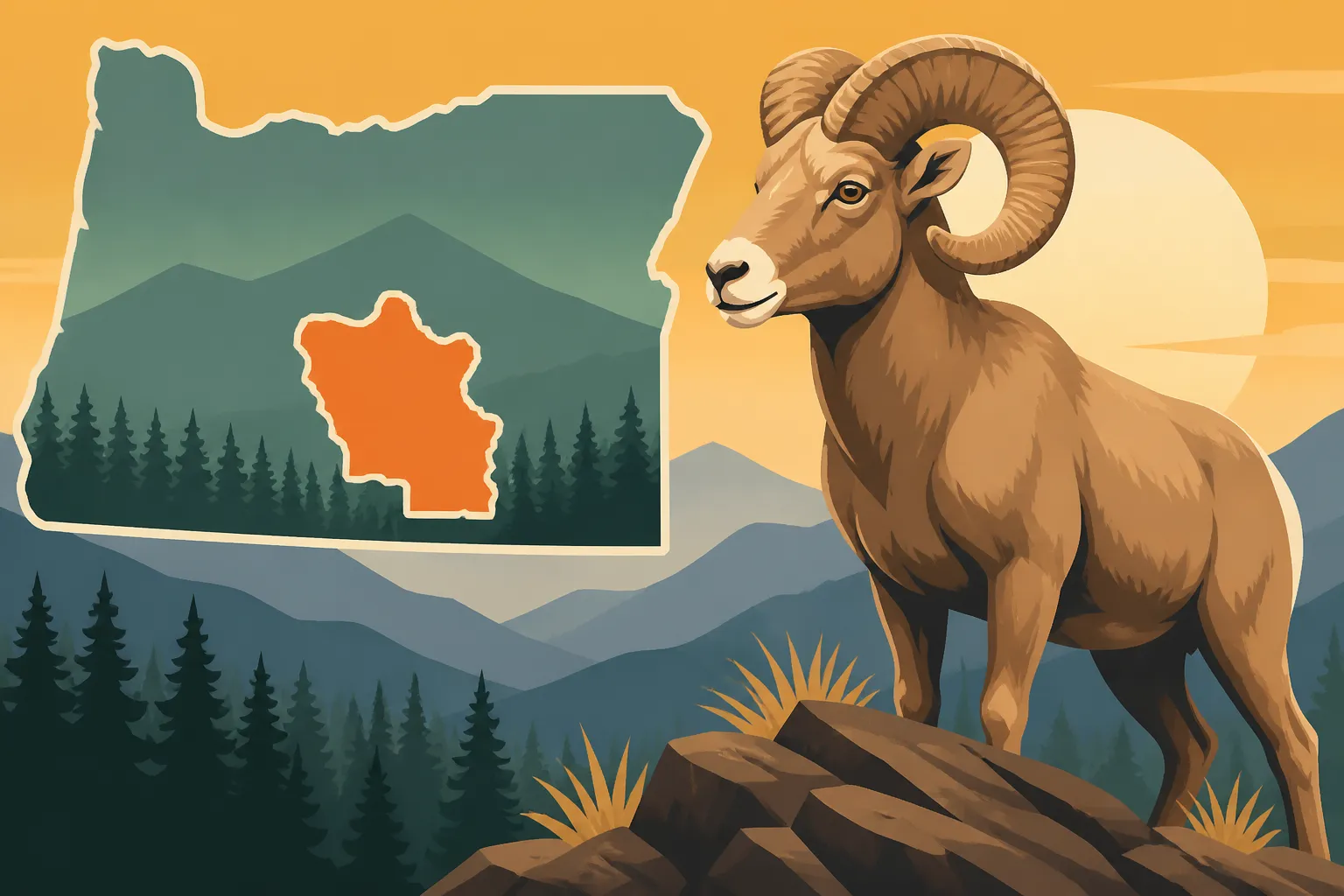
The very first bighorn reintroduction in Oregon began in the late 1950s, a hopeful effort to right a historical wrong. These initial releases focused on Eastern Oregon, specifically areas identified as historical bighorn habitat with the rugged topography and forage they needed, and most importantly, minimal contact with domestic sheep. The first wild California bighorn sheep to touch Oregon soil after decades of absence were transplanted from British Columbia to the remote and spectacular Hells Canyon Access for Oregon Hunters area in 1957. This was a critical moment, as Hell's Canyon offered the perfect blend of steep, broken terrain, excellent visibility, and relative isolation. The sheep quickly took to their new home, and this initial success paved the way for more ambitious reintroduction programs.
Following Hell's Canyon, subsequent releases continued into the 1960s and 70s in other key Eastern Oregon locations. The Owyhee breaks, with their dramatic canyons and expansive sagebrush country, became another focal point. This harsh, wild region along the Owyhee River drainage provided vast stretches of undeveloped land, crucial for establishing self-sustaining herds. You can explore these units with the help of platforms like GoHunt, which provide detailed mapping overlays to understand the terrain and land ownership. The John Day River canyon system, known for its deep basalt cliffs and unique geological formations, also saw successful bighorn releases. These areas, though challenging for humans to navigate, are exactly what bighorn sheep thrive in, offering protection and diverse forage.
Sustaining Herds in Challenging Landscapes
Releasing sheep is one thing; ensuring their long-term survival is another. The landscapes chosen for reintroduction, while ideal in many ways, are also incredibly tough environments. Summer temperatures can be scorching, winters can be brutal, and water sources can be scarce. Sustaining these newly established herds required ongoing monitoring, adaptive management, and continuous evaluation of habitat conditions. Wildlife biologists carefully tracked herd health, lamb recruitment, and movement patterns to identify potential issues early on. This commitment to long-term stewardship has been vital.
One of the biggest ongoing challenges has been managing potential interactions with domestic sheep. Even with careful site selection, ensuring complete separation can be difficult, especially as wild herds expand their range. Disease outbreaks remain a constant threat, and conservation agencies are always working to minimize this risk through land-use planning and education. Furthermore, simply ensuring enough quality forage and water, particularly during drought years, is a continuous battle. Without consistent efforts, these herds could easily face decline once more. This continuous effort highlights the dedication needed to manage wildlife populations, especially those brought back from extirpation.
Notable Reintroduction Success Stories
Today, Oregon boasts a growing and healthy population of California bighorn sheep, a true testament to the success of these reintroduction programs. Beyond the initial success in Hell's Canyon, herds in the Owyhee, John Day, and other regions have flourished, establishing strong, viable populations. These sheep are not just surviving; they are reproducing and slowly expanding their territories. While you won't find bighorns just anywhere in Oregon, these specific areas are now iconic strongholds for the species.
For example, the Hell's Canyon herd has grown considerably and is often cited as a prime example of successful bighorn restoration. Similar successes have been observed in areas like the Deschutes River canyon, where transplanted sheep have adapted well and built thriving groups. These healthy herds are what allow Oregon to offer limited, highly sought-after hunting opportunities each year, often requiring many Oregon Preference Points and How They Work. These tags are not just about hunting; they are a direct result of successful conservation, providing funding and an incentive for ongoing management of this remarkable species.
The Ongoing Challenges and Conservation for Bighorn Sheep
While the reintroduction of bighorn sheep in Oregon has been a resounding success, the work is far from over. These magnificent animals still face a myriad of challenges that require constant vigilance and proactive management. It’s a delicate balance, ensuring their continued proliferation in a landscape shared with human interests and other wildlife.
Disease Threats and Habitat Limitations
The ghost of disease, particularly pneumonia, continues to loom large over Oregon's bighorn herds. Even with significant efforts to create separation from domestic sheep, the risk of pathogen transmission persists. A single encounter between a domestic and wild sheep can have devastating consequences for an entire bighorn herd, especially for lambs, who are particularly vulnerable. We've seen Bighorn Pneumonia Die-Offs in Oregon in other states, and Oregon is constantly working to prevent similar tragedies. This means ongoing research, monitoring, and sometimes difficult decisions about land use and domestic animal grazing.
Beyond disease, habitat limitations also present a significant hurdle. While Eastern Oregon offers vast tracts of suitable terrain, the fragmentation of habitat by roads, development, and private land can restrict herd expansion and gene flow between populations. Bighorns need large, contiguous areas of rugged, open country with escape terrain and diverse forage. Climate change also adds another layer of complexity, with potential impacts on water availability and vegetation patterns in their already arid environments. Maintaining and expanding these critical habitats is a continuous conservation priority.
Balancing Wildlife and Human Interests
One of the most complex aspects of bighorn conservation is navigating the diverse interests of various stakeholders. Hunters, ranchers, recreationists, and conservationists all have a vested interest in Oregon's public lands, and finding common ground can be challenging. For example, while hunters provide vital funding through tag sales for bighorn management, the number of tags issued is extremely limited due to the inherent rarity and vulnerability of the species. This can lead to frustration for those who dream of drawing a tag, but it's a necessary measure to protect the population. You can look into Oregon Bighorn Sheep and Goat Applications to understand the odds.
Similarly, managing grazing allotments for domestic sheep in areas adjacent to bighorn range requires careful consideration and cooperation with landowners and ranchers. The economic livelihoods of ranchers are important, but so is the ecological health of wild bighorns. This balance often involves difficult conversations, mitigation strategies, and sometimes even land acquisition or conservation easements to create buffer zones. The goal is always to find solutions that allow both human and wildlife populations to thrive without undue conflict.
Monitoring and Management Strategies
Oregon's wildlife agencies employ a comprehensive suite of strategies to monitor and manage bighorn sheep populations. This isn't a "set it and forget it" kind of conservation. Biologists conduct regular aerial surveys to estimate herd numbers, assess lamb recruitment, and track population trends. They also use remote cameras and ground observation to monitor individual health and behavior. For those interested in studying the landscape for these animals, resources like GoHunt can be invaluable for pinpointing suitable terrain based on historical data and current habitat conditions.
Furthermore, management includes genetic analysis to ensure the health and diversity of the herds, and in some cases, additional translocations may be conducted to bolster smaller populations or establish new ones. Disease surveillance is ongoing, with samples collected from any deceased sheep to identify potential threats. Habitat improvement projects, such as enhancing water sources or controlling invasive weeds, are also undertaken to ensure the sheep have access to the resources they need. It's a dynamic and evolving process, always adapting to new information and changing environmental conditions to ensure a vibrant future for Oregon's bighorn sheep.
Experiencing Oregon's Bighorn Country
For many, the allure of bighorn sheep is not just in their incredible story of survival, but in the sheer spectacle of seeing them in their natural habitat. While drawing a hunting tag for bighorns in Oregon is an extraordinary, once-in-a-lifetime opportunity, simply observing these magnificent animals in the wild is a rewarding experience in itself. Knowing where to look and how to access their rugged domain is the first step.
Accessing Bighorn Habitat
Oregon's bighorn sheep primarily inhabit the wild, remote, and often challenging terrain of Eastern Oregon. These areas include vast expanses of public lands managed by the Bureau of Land Management (BLM) and the U.S. Forest Service. Areas like Hell's Canyon National Recreation Area, the Owyhee Canyonlands, and various sections of the John Day River are prime examples. Accessing these regions can range from relatively straightforward drives to trailheads to multi-day backpacking trips into truly remote wilderness. When planning a trip, always consult detailed maps, like those available through E-Scouting Oregon Units With Satellite Imagery, or physical maps from the managing agencies.
Be prepared for rugged conditions. Roads can be unpaved, steep, and require high-clearance vehicles. Water sources may be scarce, and cell service is often non-existent. Always let someone know your plans when venturing into these remote areas. For hunters, understanding the specific Oregon's Wildlife Management Units and New Hunt Areas where bighorns are present is crucial, though these hunts are typically restricted to controlled draws. Even if you're not hunting, careful planning and respect for the environment are paramount. The best viewing opportunities often involve patiently glassing remote, steep slopes at dawn and dusk.
Understanding Tag Opportunities
As you can imagine, with such a precious and hard-won population, bighorn sheep tags in Oregon are exceptionally rare and highly coveted. These are not over-the-counter tags; they are allocated through a rigorous controlled hunt draw system, and the odds of drawing one are incredibly low. This rarity is a critical component of their conservation, ensuring that harvest levels are sustainable and do not jeopardize the population's health. You can find detailed information about the process in articles like Oregon Controlled Hunt Draw Explained.
Oregon offers both California bighorn sheep tags (which are more common due to their wider reintroduction success) and an extremely limited number of Rocky Mountain bighorn sheep tags, primarily found in the Wallowa Mountains, where a small, native population has persisted. Successfully drawing a tag typically requires accumulating many years of points, understanding the draw statistics (which you can often find compiled by services like GoHunt), and a fair amount of luck. For many, simply applying for the preference point each year is a way to contribute to bighorn conservation and hold onto a dream. While the odds are slim, the dream of pursuing one of Oregon's magnificent bighorn rams keeps many dedicated hunters applying year after year, knowing that each application supports the ongoing health of these incredible animals.
| Reintroduction Area | Primary Bighorn Subspecies | Initial Release Period | Key Characteristics | Status |
|---|---|---|---|---|
| Hells Canyon | California Bighorn | Late 1950s | Deep, rugged canyons, basalt cliffs, Snake River breaks | Strong, well-established herd |
| Owyhee Canyonlands | California Bighorn | 1960s-1970s | Vast, arid sagebrush desert, dramatic canyon systems | Healthy, expanding populations |
| John Day River | California Bighorn | 1960s-1970s | Basalt cliffs, riverine habitat, high desert plateau | Robust, several distinct herds |
| Deschutes River | California Bighorn | Later releases | River canyons, steep rocky slopes, central Oregon high desert | Growing herds |
Disclaimer
This article is for general informational purposes only and does not constitute professional advice. Laws, prices and regulations vary by location and change over time. Consult a qualified professional for guidance on your specific situation.