Rocky Mountain Bighorn Herds in the Wallowas
For many hunters, the majestic Rocky Mountain Bighorn Sheep of the Wallowa Mountains represents the ultimate challenge and a dream tag, a pursuit steeped in rugged beauty and extreme rarity. Yet, the path to even applying for one of these coveted tags, let alone hunting one, is fraught with complexities, from understanding their remote habitat to grasping the unique draw system that governs these hunts. This guide aims to demystify the world of Wallowa bighorns, offering a comprehensive look at these incredible animals, their home, and the journey required to pursue them.
The Wallowa Mountains: Home to Oregon's Rocky Mountain Bighorns
When you think of bighorn sheep in Oregon, it's often the high desert canyon country of the California bighorns that comes to mind. But tucked away in the extreme northeastern corner of the state, the rugged Wallowa Mountains harbor a distinct and equally impressive subspecies: the Rocky Mountain Bighorn. These aren't the same sheep you might find further south; they are denizens of true alpine grandeur, existing in an environment that tests both the animals and any hunter hoping to pursue them. Their presence here is a testament to both their adaptability and the dedicated conservation efforts over the decades.
A Legacy in Stone: Tracing Their Presence
Historically, Rocky Mountain Bighorns were found in broader swaths of the intermountain West, including parts of northeastern Oregon. However, like many wildlife populations, they faced severe declines due to overhunting, habitat encroachment, and, most devastatingly, disease transmitted from domestic livestock. The populations dwindled to critical levels, nearly vanishing from the Wallowas entirely. Reintroduction efforts, carefully planned and executed, have been crucial in bringing these magnificent animals back to their ancestral ranges. These programs focused on establishing stable, disease-free herds in the most suitable, remote pockets of the Wallowas, hoping to restore a species that is intrinsically linked to the wild character of these peaks. Understanding this history is vital for appreciating their current, fragile existence and the immense value placed on every single bighorn tag. While California Bighorn Sheep in Oregon's Canyon Country share the "bighorn" name, their habitat and specific challenges often differ.
The Landscape They Call Home
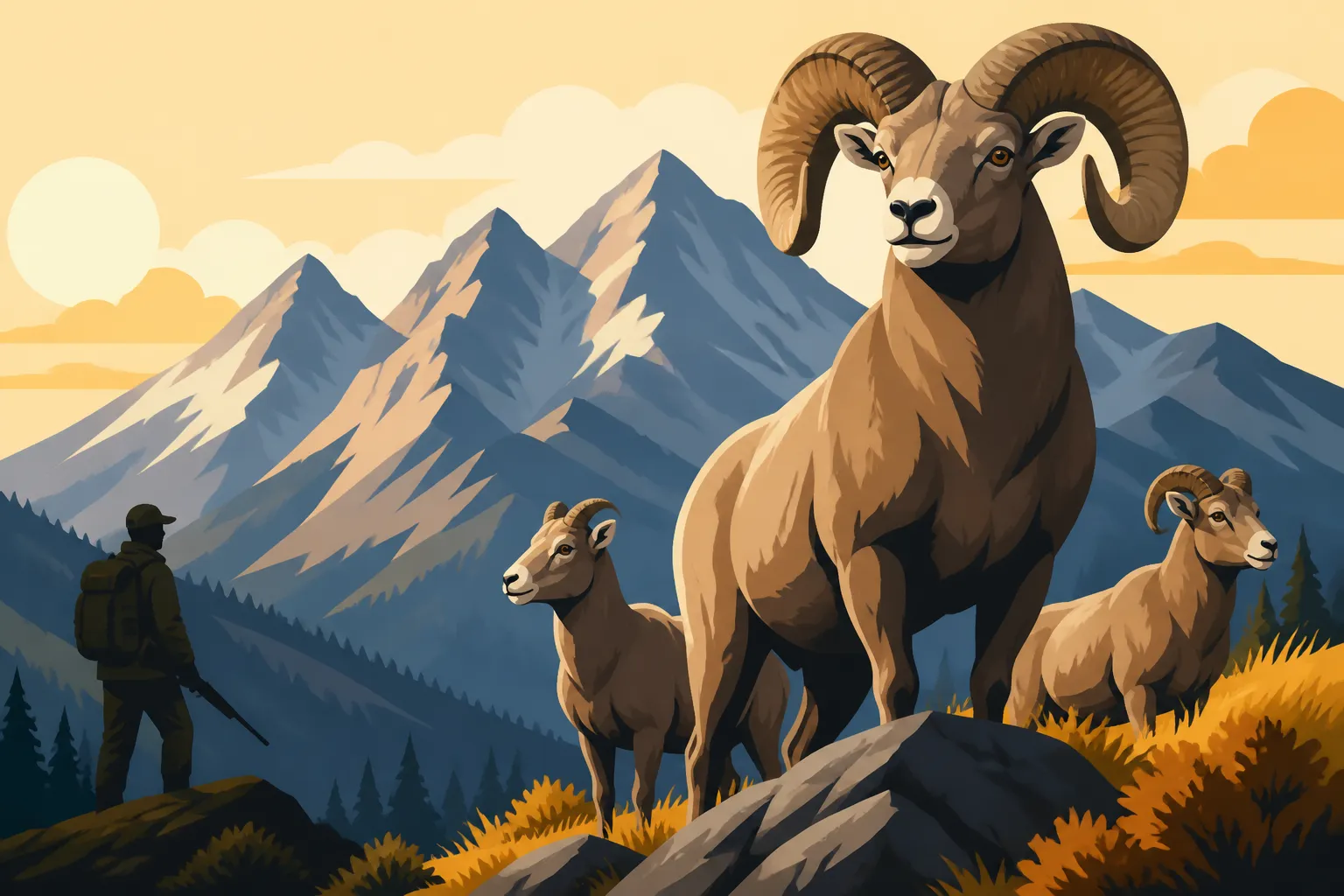
The Wallowa Mountains are often referred to as "Little Switzerland," a fitting nickname for their dramatic, glaciated peaks, deep canyons, and high-alpine lakes. This is not gentle country; it's a land of vertical rock faces, scree slopes, and timbered draws that plunge into the Wallowa and Imnaha River canyons. For the Rocky Mountain Bighorns, this extreme topography isn't just a place to live; it's a fortress. They thrive in the steepest, most inaccessible terrain, using their incredible agility and keen eyesight to navigate cliffs and evade predators. Their habitat selection often revolves around these steep, rocky areas that offer both escape routes and crucial forage. Identifying these preferred bedding and feeding areas often requires long hours with optics, studying every nook and cranny of the vast, unforgiving landscape. You'll find them on windswept ridges where snow blows clear, exposing crucial winter forage, or clinging to nearly vertical benches inaccessible to most other large game animals. This inherent wildness defines the bighorn experience.
Understanding the Lives of Wallowa Bighorns
To successfully pursue a Rocky Mountain Bighorn in the Wallowas, or even just to appreciate their existence, requires a deep understanding of their biology and behavior. They are finely tuned to their environment, their lives dictated by the seasons, the availability of food, and the intricate social dynamics within their herds. Their survival hinges on their ability to thrive in an environment that would be hostile to most other large mammals, a testament to millions of years of evolution.
Seasonal Migrations and Daily Rhythms
Like many mountain species, Wallowa bighorns exhibit seasonal movements, though perhaps not as pronounced as some migratory elk herds. In the warmer months, they are often found at higher elevations, above the timberline, grazing on tender alpine grasses and forbs. The sparse, nutrient-rich vegetation of the high country provides essential sustenance for growing lambs and developing rams. As autumn approaches and snow begins to dust the peaks, they will gradually move to lower, south-facing slopes. These areas, though still rugged, offer more shelter from harsh winds and deeper snows, allowing access to browse that might otherwise be buried. Their daily routine typically involves feeding in the early morning and late afternoon, often bedding down during the warmer parts of the day on prominent rocky points that offer expansive views, allowing them to spot potential threats from a distance. Observing these patterns is key to locating them, and it requires immense patience and sharp optics.
Social Dynamics and Rutting Spectacles
Rocky Mountain Bighorns have a distinct social structure. Ewes and their lambs typically form maternal bands, often led by an older, experienced ewe. Rams, especially mature ones, form bachelor groups outside of the breeding season. These ram bands are characterized by a clear hierarchy, established through impressive head-butting contests that determine dominance. The size and thickness of a ram's horns are often indicative of his age and standing within this hierarchy; understanding Bighorn Ram Horn Growth Rings can help in judging age from afar. The rut, typically occurring in late fall or early winter, is a dramatic spectacle. Rams will fiercely compete for breeding rights, their thunderous clashes echoing through the canyons. During this intense period, rams are often more focused on rival males and ewes, which can sometimes make them slightly less wary, though still incredibly difficult to approach in their steep domain. The pursuit of a trophy ram during the rut is an ultimate test of a hunter's skill and endurance.
The Challenges and Triumphs of Conservation
The journey of the Rocky Mountain Bighorn in the Wallowas is a narrative of resilience, but also of constant vigilance. Their populations, while recovering, remain relatively small and vulnerable. The challenges they face are significant, demanding ongoing commitment from wildlife agencies, conservation groups, and the public to ensure their long-term survival in Oregon's rugged northeast. This fragile balance is a constant source of concern for wildlife managers.
The Shadow of Disease: The Ongoing Fight Against Pneumonia
Perhaps the single greatest threat to bighorn sheep populations across North America, including in the Wallowas, is respiratory disease, particularly bacterial pneumonia. This disease, often carried by domestic sheep, can be devastating to bighorn herds, leading to widespread die-offs, especially among lambs. Even herds that survive an initial outbreak can suffer from chronic infection and reduced lamb survival for years afterward. The proximity of domestic sheep grazing to bighorn habitat is a perpetual point of contention and a primary focus of conservation efforts. Preventing contact between wild and domestic sheep is paramount. Extensive research goes into understanding Bighorn Pneumonia Die-Offs in Oregon and implementing strategies to mitigate this risk. It's a complex issue, pitting livestock interests against wildlife conservation, but one that absolutely must be addressed if these iconic animals are to thrive. Understanding Why Domestic Sheep Threaten Bighorns is crucial for anyone interested in their long-term future.
Protecting Their Rugged Habitat
While disease is a pressing threat, habitat integrity is equally critical. The Wallowas provide essential, albeit limited, bighorn habitat. Threats include habitat encroachment from human development, although this is less pronounced in the remote Wallowas than in some other areas. More insidious are factors like climate change, which can alter forage availability or shift snow patterns, impacting winter survival. Maintaining vast, unfragmented tracts of suitable land is essential. This often involves working with land management agencies like the Forest Service on Wallowa-Whitman National Forest Hunting policies and managing access. Conservation groups are continually engaged in projects that improve bighorn habitat, such as prescribed burns to enhance forage quality or removing encroaching conifers in traditionally open areas. These efforts ensure that when bighorns do successfully reproduce and recruit new lambs, there's a healthy, secure environment for them to grow into.
The Pinnacle Hunt: Drawing a Wallowa Bighorn Tag
For those who dream of pursuing a Rocky Mountain Bighorn in Oregon, it's truly a once-in-a-lifetime aspiration. Drawing a tag for these animals is exponentially more difficult than for elk or deer, due to the extremely limited number of tags issued each year. The low odds are legendary, making the process of even applying an act of faith and persistent hope. It’s not just a hunt; it’s an experience that transcends typical big game pursuits, often requiring years—even decades—of applying.
Navigating Oregon's Bighorn Draw
Oregon's draw system for bighorn sheep is unique and highly competitive. Unlike deer and elk, there are no preference points for bighorn sheep. Every applicant, whether it's their first time applying or their twentieth, has an equal chance in the random draw each year. This means raw luck plays a huge role. Aspiring hunters often turn to resources like GoHunt to analyze draw odds and research unit data, especially for a prized tag like a Wallowa bighorn. GoHunt's tools can help you scour historical draw data and understand the distribution of previous tag holders, offering a glimmer of insight into the almost impossibly slim chances. The application process falls under the larger umbrella of Oregon Controlled Hunt Draw Explained, but bighorns operate under their own specific rules. For more details on the application process itself, refer to Oregon Bighorn Sheep and Goat Applications. Understanding Why Oregon Sheep Has No Point System clarifies why this particular tag remains such a long shot for every applicant, every year.
Here's a simplified look at the draw odds for Oregon's bighorn sheep, emphasizing their extreme rarity:
| Unit/Hunt Area (Example) | Available Ram Tags (Typical) | Resident Draw Odds (Approximate) | Nonresident Draw Odds (Approximate) |
|---|---|---|---|
| Snake River Wallowa (Any Ram) | 1-2 | < 0.1% | < 0.01% |
| Imnaha (Any Ram) | 1-2 | < 0.1% | < 0.01% |
| Lord Flat (Any Ram) | 1-2 | < 0.1% | < 0.01% |
| Overall Oregon Bighorn | ~10-15 Tags Total | Extremely Low | Vanishingly Low |
Note: These numbers are illustrative and can change annually. Always check the current Oregon Big Game Regulations for precise figures.
Preparing for a Once-in-a-Lifetime Experience
Should you be one of the incredibly fortunate few to draw a Wallowa bighorn tag, the real work begins. This is not a hunt for the faint of heart or the physically unprepared. The Wallowas are brutal, demanding peak physical condition, superior glassing skills, and a strong mental fortitude. You'll be navigating steep ascents, rocky scree fields, and potentially deep canyons. Many hunters choose to hire an outfitter or packer to assist with access and logistics, especially in areas like Hells Canyon Access for Oregon Hunters or the Eagle Cap Wilderness Hunting Access, where stock can be invaluable. Even with help, expect days of relentless hiking, often at high altitudes.
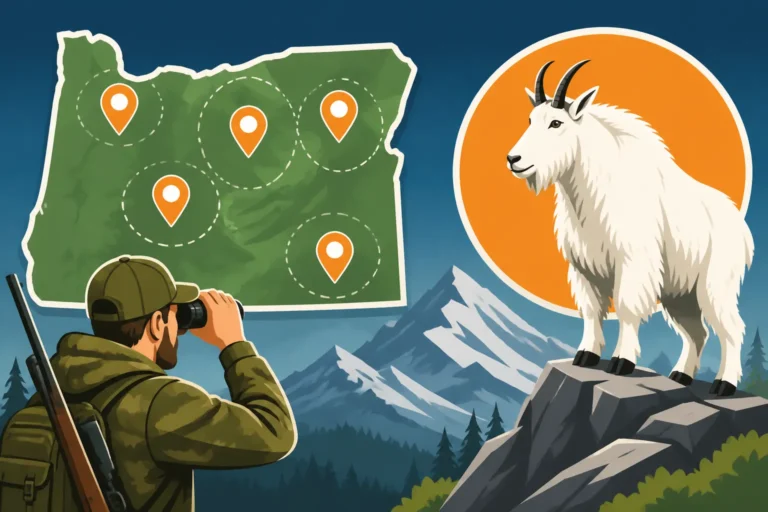
Before you even consider packing your bags, extensive e-scouting using satellite imagery is essential to identify potential bighorn country, escape routes, and water sources. GoHunt offers robust mapping tools that can be incredibly useful for this pre-hunt research. Once you’ve done your digital homework, a pre-season scouting trip, if feasible, is highly recommended to familiarize yourself with the terrain and confirm sheep presence. This is where your fitness truly comes into play; it’s not just about walking, it's about navigating some of Oregon’s most challenging wilderness. Think of the physical demands required for Physical Training for an Oregon Elk Hunt and multiply them. Gear choice is paramount: reliable boots, durable rain gear, and high-quality optics are not just helpful; they are essential for success and safety in this unforgiving environment. Expect to be fully self-sufficient and prepared for any eventuality, as help can be days away in these remote mountains. This is truly a hunt where the journey is as significant as the destination, a deep dive into the wild heart of Oregon.
Disclaimer
This article is for general informational purposes only and does not constitute professional advice. Laws, prices and regulations vary by location and change over time. Consult a qualified professional for guidance on your specific situation.