Why Oregon Sheep Has No Point System
If you've spent any time navigating Oregon's complex controlled hunt system for deer or elk, you’re likely familiar with the concept of preference points – a slow, strategic climb towards a coveted tag. However, when it comes to chasing bighorn sheep, you might notice a distinct absence of a point system. This difference can be genuinely perplexing, leaving many hunters wondering why such an incredibly rare and sought-after opportunity operates under entirely different rules. This guide is here to shed light on precisely why Oregon's bighorn sheep draw is a pure lottery, and what that means for your application strategy.
The Pure Random Nature of Oregon's Bighorn Sheep Draw
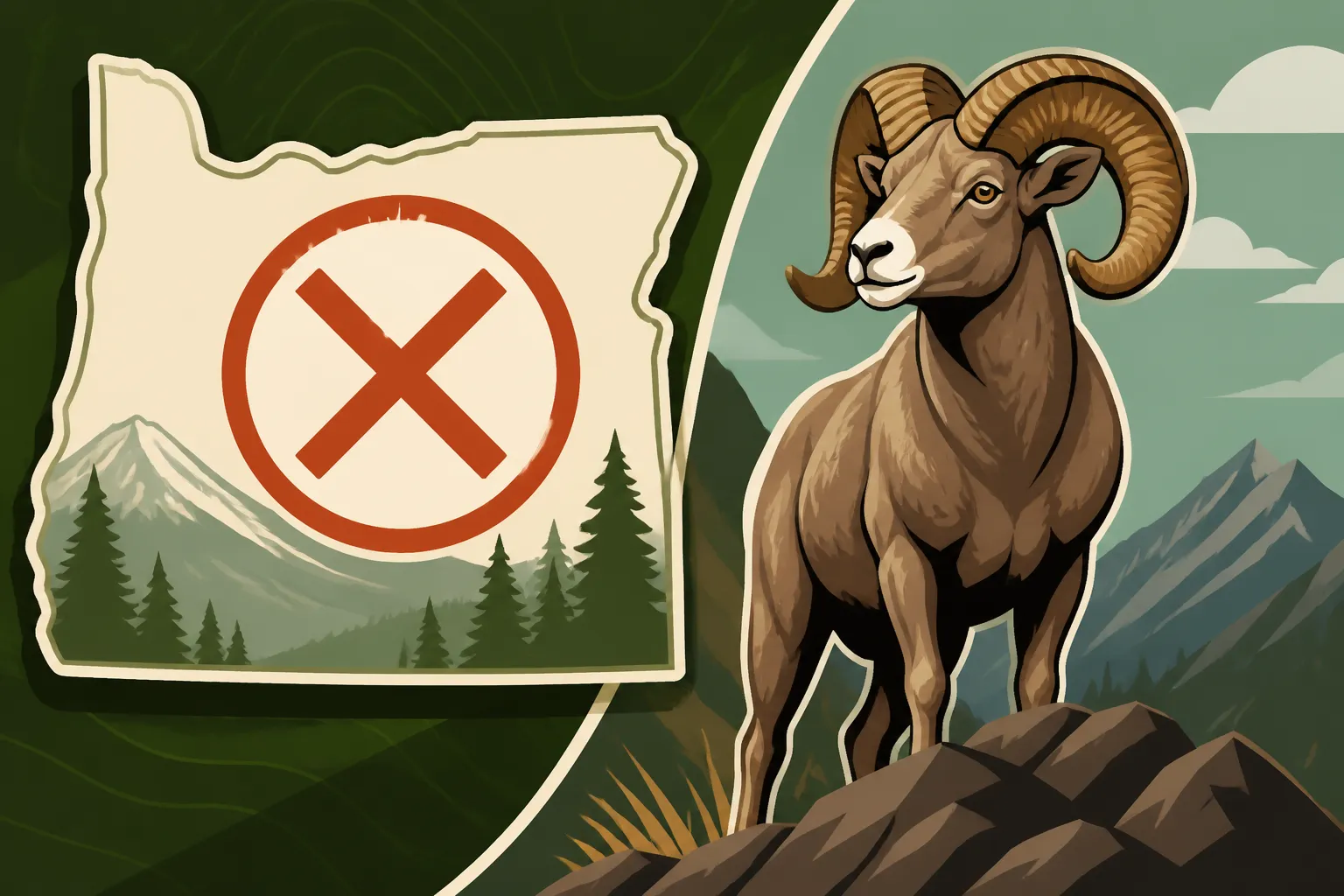
Unlike the preference point system that governs most of Oregon's controlled hunts for species like elk and deer, the draw for bighorn sheep tags is a true test of pure luck. Every applicant, every single year, regardless of how many times they've applied in the past or what their point totals look like for other species, starts on a completely level playing field. It's a clean slate, a genuine lottery where each application holds the exact same minuscule chance as the next.
This approach often leaves hunters accustomed to building points scratching their heads. For many, the idea of "investing" years into an application strategy, hoping to eventually draw a top-tier tag, is deeply ingrained. But with bighorn sheep, that long-term investment model simply doesn't exist in Oregon. The decision to forgo a point system for these majestic animals is rooted in a desire to ensure that this exceptionally rare opportunity remains accessible to anyone who applies, rather than being concentrated among those who have accumulated the most points over decades. It's about maintaining a perception of absolute fairness for a truly unique and limited resource.
Why Points Don't Factor In for Bighorns
The primary reason Oregon's bighorn sheep draw eschews a point system boils down to the extreme scarcity of available tags. Year after year, the number of bighorn sheep tags offered is incredibly low, often just one or two for an entire unit, and sometimes even zero for a specific subspecies like the Rocky Mountain Bighorn in certain years. These are not tags that can be scaled up or down easily based on demand; they are dictated almost entirely by the health and population dynamics of very small, fragile herds.
Consider the biological realities. Bighorn sheep populations in Oregon are meticulously managed, often involving intense conservation efforts, habitat restoration, and vigilance against diseases like "Bighorn Pneumonia Die-Offs in Oregon". When so few animals can be harvested without impacting herd recovery, allocating tags via a point system would inevitably lead to astronomical point creep. Hunters would need dozens of points, making the draw virtually inaccessible for newcomers or those who haven't committed decades to the system. By keeping it a pure lottery, Oregon Fish and Wildlife (ODFW) aims to distribute these incredibly rare opportunities as broadly as possible, even if it means individual odds remain incredibly low for everyone. It ensures that the excitement of applying, and the remote chance of drawing, is open to all eligible hunters.
Understanding the "Once-in-a-Lifetime" Rule
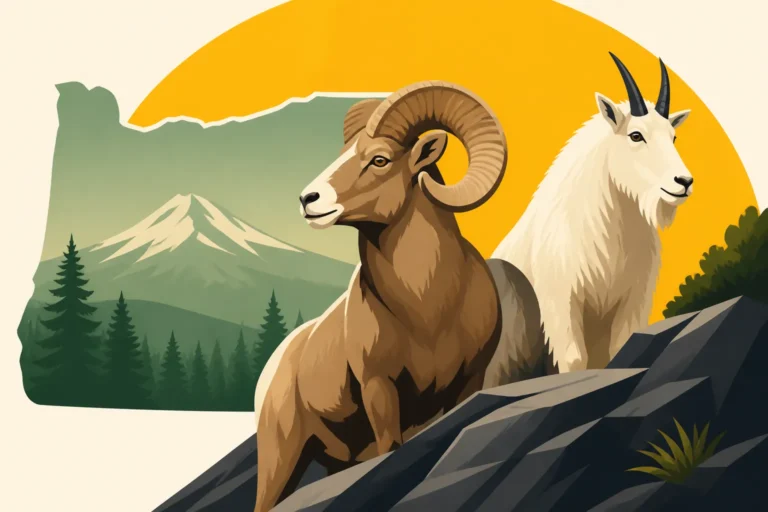
Further emphasizing the rarity and unique nature of bighorn sheep tags in Oregon is the stringent "once-in-a-lifetime" rule. If you are fortunate enough to draw and successfully harvest an Oregon bighorn sheep, you are generally no longer eligible to apply for or harvest that specific subspecies again in Oregon. For example, if you draw a tag for a California Bighorn Sheep in Oregon's canyon country, you can't apply for another California bighorn tag in Oregon ever again. The same goes for the Rocky Mountain Bighorn in the Wallowas, should tags for that subspecies ever become available through a draw.
This rule is a critical component of the state's management strategy, designed to spread the limited opportunities among as many individual hunters as possible over time. It reinforces the idea that drawing a bighorn tag is a truly singular event, a pinnacle achievement in an Oregon hunter's career. While this might seem tough, it's a necessary measure given the sheer demand and the extremely limited supply. It means that once you've had your chance, another hunter gets their shot at experiencing one of Oregon's most coveted hunts, a detail that also applies to mountain goat tags as detailed in "Once-in-a-Lifetime Tags in Oregon: Sheep and Goat".
How the Oregon Bighorn Sheep Lottery Actually Works
Given the absence of a point system, understanding the actual mechanics of the Oregon bighorn sheep lottery becomes even more crucial. It's a straightforward process, but one that demands attention to detail and unwavering consistency from hopeful applicants. There are no secret tricks to accumulate advantage; success truly hinges on simply being in the draw, year after year.
Many hunters find themselves researching historical draw odds, poring over numbers of applicants versus tags awarded. While a platform like GoHunt provides invaluable data on past draw statistics, it’s important to remember that for sheep, these numbers primarily show the likelihood of drawing in any given year, not a pathway to improving your individual odds over time. Every application is a fresh roll of the dice, and the only way to play is to ensure your entry is valid and submitted on time.
The Application Process Without Points
The process for applying for an Oregon bighorn sheep tag is integrated into the general controlled hunt application system, so if you're already applying for elk or deer, it won't feel entirely unfamiliar. You'll log into your ODFW licensing account and navigate to the controlled hunt application section. The key difference is that for bighorn sheep, your past application history (other than having drawn a sheep tag before) doesn't influence your current odds. When you're making your choices, you'll simply select the bighorn sheep hunts you're interested in, prioritizing them from first to third choice.
It’s absolutely vital to remember the annual "Oregon Controlled Hunt Application Deadline", which is typically May 15th. Missing this deadline means missing your only shot for the entire year. While there's an "Oregon Controlled Hunt Application Fee" for each application, it's a small price for the chance at such an extraordinary tag. For many, simply ensuring that they get their application in on time each spring becomes their primary strategy. Websites like GoHunt are excellent for setting reminders and researching the latest tag allocations, allowing you to quickly see which units might be offering tags for the upcoming season, even if the odds remain astronomical.
Maximizing Your Chances (Even If Slim)
Since a point system isn't in play, maximizing your chances for an Oregon bighorn sheep tag boils down to one simple, yet powerful, strategy: consistent application. You can't build points, so your only option is to be in the hat every single year. Treat it like a ritual, mark your calendar, and make sure your application is submitted well before the deadline. While the odds of drawing are always incredibly slim, they are precisely zero if you don't apply.
Beyond simply applying, a bit of strategic research can still be beneficial, even in a pure lottery. Understanding the units that have offered tags in the past, or those that hold healthy populations of either "California Bighorn Sheep in Oregon's Canyon Country" or the rarer Rocky Mountain Bighorn, can help inform your first, second, and third choices. While this won't change the pure randomness of the draw, it ensures you're applying for tags that actually exist and align with your preferences. Tools available on platforms like GoHunt can help you sift through historical data and unit-specific information, giving you a clearer picture of where tags have been allocated. Remember, for a bighorn tag, every single hunter is in the same boat, hoping for that one lucky break. You can read more about the general application process in "How to Apply for an Oregon Controlled Hunt".
Contrasting with Oregon's Point System for Other Species
To truly grasp why the bighorn sheep draw stands alone, it's helpful to compare it directly to the well-established point system used for Oregon's other major big game species. This contrast highlights the fundamental philosophical and practical differences in how ODFW approaches tag allocation for varying levels of demand and supply.
Many hunters are deeply invested in the long game of point accumulation, often spending years, sometimes even decades, building a robust bank of preference points. This strategy, while requiring immense patience, offers a tangible path towards higher-demand hunts. For sheep, however, that tangible path simply doesn't exist, forcing a completely different mindset for applicants.
The Role of Preference Points for Deer and Elk
For species like mule deer and elk, Oregon employs a preference point system that significantly influences drawing odds. This system rewards consistent application over time by assigning a point for each year an applicant is unsuccessful in drawing their first choice for a controlled hunt. These points then factor into subsequent draws, substantially increasing a hunter's mathematical chance of drawing a desirable tag. You can dive deeper into how this works by exploring resources like "Oregon Preference Points and How They Work" or a comprehensive overview of the "Oregon Controlled Hunt Draw Explained".
This system creates a tiered approach where hunters with more points generally have better odds of drawing premium tags in popular units. It allows for a degree of strategic planning: do you apply for a low-point, high-odds tag to get a hunt sooner, or do you continue building points for that once-in-a-decade trophy hunt? This strategic element is entirely absent for bighorn sheep, where every applicant, regardless of their history, enters a truly random lottery. The goal of preference points is to give successful, patient applicants a reward; for bighorn sheep, the goal is simply to give everyone an equal shot at a rare event.
Implications for Non-Residents and Limited Tags
The absence of a point system for bighorn sheep, coupled with the overall scarcity of tags, has unique implications for both resident and nonresident hunters. For nonresidents, Oregon has a statutory cap, often around 5% of total tags for certain species, as outlined in "Oregon's 5 Percent Nonresident Tag Cap". While this cap applies to the overall tag pool, the pure lottery system for sheep means that a nonresident's per-application odds are exactly the same as a resident's for any given tag, provided they are eligible to apply for "Oregon Bighorn Sheep and Goat Applications".
However, the sheer rarity of sheep tags means that even with equal per-application odds, the number of tags available to nonresidents is incredibly small, sometimes zero in any given year. This makes the odds for a nonresident drawing a bighorn tag even more astronomical than for a resident, simply due to the much smaller pool of tags allocated to them. Similarly, for residents, while their tag pool is larger, the overall scarcity still means "Oregon Sheep Draw Odds for Residents" remain incredibly low, and "Oregon Sheep Draw Odds for Nonresidents" are even more challenging. The lack of a point system ensures that no one can "buy" their way to better odds through years of point accumulation, making the draw a truly equal, albeit incredibly long, shot for everyone.
| Feature | Oregon Bighorn Sheep Draw | Oregon Deer/Elk Controlled Hunt Draw |
|---|---|---|
| Point System | No (Pure Lottery) | Yes (Preference Points) |
| Odds Improvement Over Time | None; odds are reset annually | Improves with accumulated points |
| Fairness Principle | Equal chance for every applicant | Rewards long-term applicants |
| "Once-in-a-Lifetime" Rule | Yes, for each subspecies | No, can draw multiple times |
| Tag Scarcity | Extremely low (1-3 tags per unit) | Moderate to high, depending on unit |
| Application Strategy | Apply consistently every year | Build points or hunt low-demand units |
Disclaimer
Please note: Hunting regulations and tag allocation systems are subject to change. Always consult the most current Oregon Department of Fish and Wildlife (ODFW) regulations pamphlet and official website before applying for any hunt. This guide is for informational purposes only and does not constitute legal or official advice.