Oregon Sheep Draw Odds for Nonresidents
Trying to navigate the labyrinthine world of nonresident bighorn sheep draw odds in Oregon can feel like trying to find a needle in a haystack—blindfolded. Many hopeful hunters dream of drawing one of these coveted tags, only to be met with the harsh reality of incredibly slim chances, especially when coming from out of state. This guide is here to shed light on exactly what nonresidents are up against, how the system works, and what factors truly influence those elusive odds for an Oregon sheep tag.
Understanding Oregon's Bighorn Sheep Draw for Nonresidents
Oregon’s bighorn sheep hunts are the stuff of legend, offering a chance at two distinct subspecies: the California bighorn and the Rocky Mountain bighorn. Both are managed under strictly limited controlled hunts, making any tag for either species a true once-in-a-lifetime opportunity. For nonresidents, the challenge is compounded by specific state regulations that further restrict tag availability.
The "Once-in-a-Lifetime" Aspect for Bighorn Sheep
One of the most critical things to understand about hunting bighorn sheep in Oregon is that it truly is a "once-in-a-lifetime" opportunity. This isn't just a catchy phrase; it's a hard rule. If you are fortunate enough to draw and harvest a bighorn ram in Oregon, you are forever ineligible to apply for another bighorn sheep tag in the state. This rule underscores the rarity and value placed on these tags and aims to distribute the limited opportunities among as many hunters as possible over time. It's a stark contrast to other big game species where you can apply year after year. This means when you finally draw, you're not just buying a tag; you're receiving a chance at a profound, singular experience that won't come again in Oregon.
The Absence of Preference Points
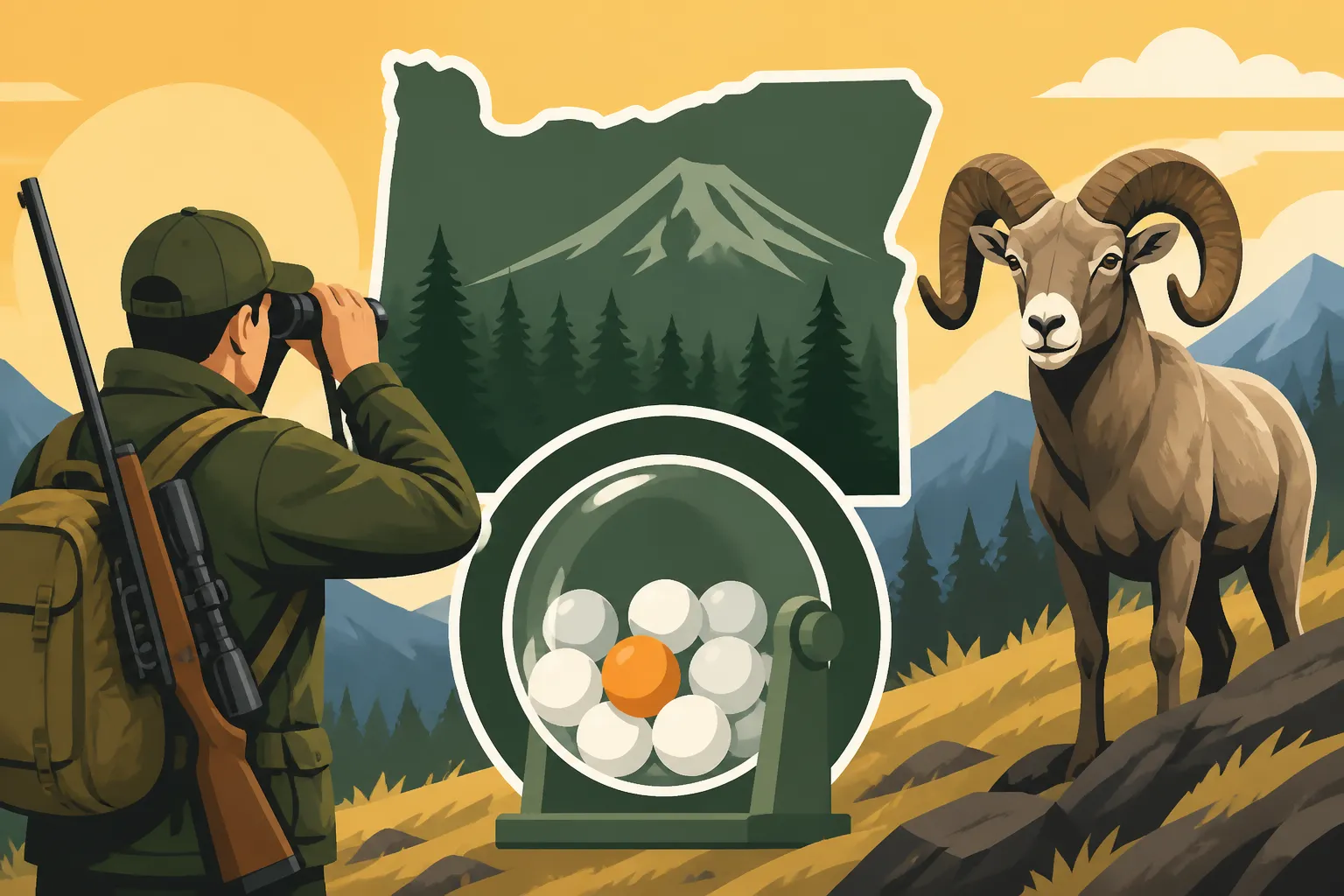
Unlike many other controlled hunts in Oregon, such as those for deer and elk, there are no preference points for bighorn sheep. This is a significant detail that often catches nonresident hunters off guard. For deer and elk, hunters accumulate points for unsuccessful applications, which theoretically increase their odds in future draws. However, for bighorn sheep, every applicant, whether they've applied for 20 years or this is their very first time, enters the draw on an equal footing. It's a pure lottery system, which means luck, and only luck, dictates who draws. This can be both frustrating and exhilarating—frustrating because years of loyalty don't translate to better odds, but exhilarating because anyone truly has a chance, no matter their application history. This unique system for Oregon Bighorn Sheep and Goat Applications means researching past draw trends for points is irrelevant; instead, you're purely looking at the number of available tags versus applicants.
The Nonresident Tag Cap Explained
Oregon implements a statewide nonresident tag cap, limiting the number of big game tags available to out-of-state hunters to no more than 5% of the total tags for any given species. For bighorn sheep, where the total number of tags statewide is already extremely low—often in the single or low double digits—this 5% cap translates into an infinitesimal number of nonresident opportunities. In many years, this means only one, or sometimes even zero, nonresident bighorn sheep tags are allocated across the entire state, for both California and Rocky Mountain bighorn combined. This low allocation is the primary driver behind the astronomical odds for nonresidents. When considering applying, it's essential to check the current year's regulation pamphlet for the precise number of tags allocated to each hunt area and, from there, try to estimate the nonresident potential based on the 5% rule. Knowing how Oregon's 5 Percent Nonresident Tag Cap affects your chances is key to setting realistic expectations.
Factors Influencing Nonresident Sheep Draw Odds
The odds of drawing an Oregon bighorn sheep tag as a nonresident are notoriously long. Understanding the specific elements that contribute to these daunting odds can help paint a clearer picture and manage expectations. It's not just about applying; it's about understanding the entire ecosystem of the draw.
The Scarcity of Available Tags
The absolute scarcity of bighorn sheep tags is the most significant factor impacting draw odds for everyone, but especially nonresidents. Oregon's bighorn populations are carefully managed, and tags are issued only to maintain healthy herd numbers and genetic diversity, not to maximize hunter opportunity. For California Bighorn, which are found in the more arid, canyon country of Eastern Oregon, and Rocky Mountain Bighorn, primarily in the Wallowa Mountains, the total number of ram tags for the entire state rarely exceeds 20-30 in a given year. When you then apply the 5% nonresident cap, you're often looking at 0-2 tags for the entire state. This means thousands of applicants are vying for literally one or two tags. Without a substantial increase in population, the limited nature of these tags will always keep the odds profoundly low. It highlights why research, often assisted by platforms like GoHunt, is vital to understand the tag allocation for Oregon California Bighorn Versus Rocky Mountain Bighorn Tags in specific units.
The High Volume of Applicants
Despite the extremely low odds, the allure of a bighorn sheep tag means there's a consistently high volume of applicants each year, both resident and nonresident. Hunters are driven by the dream of pursuing such an iconic species, and the "once-in-a-lifetime" nature adds to its mystique. Even with no point system to build up, the pure lottery aspect means everyone takes a shot. This massive pool of applicants further dilutes the odds for every individual. If there are, say, 15 total ram tags statewide, and only one is allocated to nonresidents, and 2,000 nonresidents apply, your individual odds are literally 1 in 2,000 for that single tag. Compare that to the hundreds of tags available for Oregon Roosevelt Elk Rifle Seasons in November where the applicant pool is larger but so is the number of tags. This immense competition means that even with perfect planning, a significant amount of luck is required.
Comparing Odds with Other Western States
Oregon's nonresident bighorn sheep draw odds are generally among the toughest in the West. States like Arizona, Nevada, or Montana also offer bighorn hunts, but their tag allocations and point systems (or lack thereof) can vary significantly. Some states may have larger overall tag numbers, or different nonresident allocations, slightly altering the odds. However, across the board, bighorn sheep are considered the toughest big game tag to draw. This is often why hunters will apply in multiple states year after year, hoping to hit one of these rare draws. Oregon’s pure lottery system, combined with the stringent nonresident cap and once-in-a-lifetime rule, puts it firmly in the category of "dream hunt" draws, where patience and persistent application are the only real strategies. Many nonresidents find themselves navigating the complexity of How to Apply for an Oregon Controlled Hunt across several species, understanding that sheep are a whole different ballgame.
Strategies for Improving Your Odds (Even as a Nonresident)
While drawing a nonresident bighorn sheep tag in Oregon is largely a game of chance, there are still some strategic considerations and best practices that can help maximize your minimal odds and ensure you're doing everything correctly.
Understanding Application Mechanics and Deadlines
The first, and most crucial, step is to correctly navigate the application process. This means paying close attention to deadlines and ensuring all information is accurate. The Oregon Department of Fish and Wildlife (ODFW) has a strict Oregon Controlled Hunt Application Deadline each year, typically in May. Missing this deadline means you're out for the year, plain and simple. Nonresidents need to ensure they have purchased the correct nonresident hunting license and paid the application fees. While the application system for controlled hunts in Oregon has become more streamlined online, double-checking every entry is vital. Using resources like GoHunt, which often provides detailed state-by-state application guides, can help ensure you don't miss any critical steps. You'll want to carefully select your hunt choices, though for sheep, the choices are usually limited to specific units and often ram-only hunts. Remember, you're also often applying for a single choice, given the low number of tags.
Researching Specific Hunt Areas
While the overall odds are low, understanding the specific tag allocations for different hunt areas can sometimes provide a marginal advantage. Some units might have slightly more tags than others, or perhaps one subspecies might have a greater number of allocated tags in a given year. Although this doesn't drastically change the nonresident odds (which are often capped at one or zero tags statewide), it ensures you're applying for the unit with the statistically highest chance. Platforms like GoHunt consolidate this data, offering insights into past tag numbers and applicant pools, which can be invaluable. Look at historical data to see which units consistently offer any tags, and then focus your single choice there. Even if the numbers are tiny, being informed is better than blindly picking.
The Long Game: Consistent Application
Since there are no preference points for Oregon bighorn sheep, the only "strategy" to incrementally increase your cumulative chance over time is consistent application. Each year, you restart at zero, so the more years you apply, the more tickets you put in the lottery. This is where patience truly comes into play. Many successful bighorn sheep hunters across the West will tell you it took them decades of applying. Don't get discouraged by repeated rejections; view each application as another entry into the drawing for a truly unique experience. The thrill of seeing Oregon Draw Results in June is a small annual payment for the chance at a dream hunt. You might be applying for Oregon Elk Hunting Tactics for the November Rifle Seasons with points, but for sheep, it's just about staying in the game.
What Happens When You Finally Draw an Oregon Sheep Tag
Drawing a bighorn sheep tag in Oregon as a nonresident is a monumental achievement, a once-in-a-lifetime dream realized. But the work doesn't stop there; in fact, a new chapter of planning and preparation begins.
Immediate Next Steps After a Successful Draw
The moment you see that "successful" notification for an Oregon bighorn sheep tag, the first thing to do is celebrate! Then, quickly verify your tag and ensure all documentation is in order. You'll want to immediately begin planning the logistics of your hunt. This includes understanding the specific season dates for your unit, which can be found in the Oregon Regulation Pamphlet Release Date details. Contacting the ODFW biologist for the unit you drew is often a smart move; they can provide invaluable current information on herd conditions, access, and potential challenges. Many successful nonresident applicants also immediately begin securing accommodations, travel arrangements, and possibly looking into hiring a local guide or packer for scouting and support, especially given the challenging terrain these sheep inhabit. Because of the limited nature of these tags, local outfitters might have more availability than for other species, but booking promptly is still wise.
Preparing for the Hunt of a Lifetime
A bighorn sheep hunt in Oregon is physically demanding. These animals live in rugged, often remote terrain, whether it's the steep, rocky canyons of the California bighorn range or the high, expansive mountains for Rocky Mountain bighorns. Physical conditioning needs to become a top priority. This isn't a casual stroll; expect steep climbs, long days, and potentially challenging weather. Gear selection is also critical, focusing on lightweight, durable, and weather-appropriate clothing and equipment, including reliable optics for spotting sheep at great distances. Top-tier binoculars and a spotting scope are indispensable tools for Glassing Eastern Oregon Rimrock for Mule Deer and even more so for bighorns. Understanding the habitat and behavior of the specific subspecies you're hunting is also vital. Rocky Mountain bighorns in the Wallowas, for instance, might require different strategies than California bighorns in the more open, high desert country. Consider Practicing Steep-Angle Shots as these hunts often involve difficult shooting positions.
Ethical Hunting and Conservation Considerations
With such a rare and valuable tag, ethical hunting practices and conservation are paramount. This means making every effort to ensure a clean, humane harvest, respecting the animal and its environment. It also means thoroughly understanding and adhering to all Oregon hunting regulations, including harvest reporting requirements. The ODFW has a mandatory Oregon Mandatory Harvest Reporting and the $25 Penalty for all big game, and this is especially important for bighorn sheep as the data helps in population management. Given the low numbers and the "once-in-a-lifetime" nature, minimizing disturbance to the herd and leaving the area pristine are responsibilities every hunter should embrace. This incredible opportunity comes with a significant obligation to the resource and the future of bighorn sheep in Oregon.
Disclaimer
Please note that hunting regulations, tag allocations, and draw odds can change annually. Always consult the most current Oregon Department of Fish and Wildlife (ODFW) hunting regulations pamphlet for the most accurate and up-to-date information before applying or heading afield. This guide is intended for informational purposes only and does not replace official ODFW resources.