California Bighorn Sheep Numbers in Oregon
The majestic California Bighorn Sheep represents one of Oregon's most iconic and elusive big game animals, often inspiring awe and a deep sense of wilderness. However, for many hunters and wildlife enthusiasts, understanding their true population status and the intricate challenges these animals face can feel like peering through a dense fog. This guide aims to pull back the curtain on the numbers behind Oregon's California Bighorn herds, exploring their historical journey, current distribution, and the dedicated efforts underway to ensure their thriving future.
A Glimpse into the Past: The Historical Presence and Decline of California Bighorn Sheep in Oregon
It’s easy to look at the rugged, remote landscapes where California Bighorn Sheep now cling to existence in Oregon and imagine they’ve always been sparse. But the truth is, these incredible animals once roamed much more widely across the state, a testament to Oregon's diverse and wild history. Their story is a classic example of human impact and the delicate balance of ecosystems.
Original Distribution and Abundance
Back before European settlement dramatically altered the landscape, bighorn sheep, including the California subspecies, were a far more common sight in Oregon. They thrived in the steep, rocky, arid and semi-arid regions of eastern Oregon, particularly throughout the vast canyonlands of the Columbia and Snake Rivers, and extending into the high desert plateaus. These were animals perfectly adapted to harsh environments, using their incredible agility and eyesight to navigate precipitous cliffs and evade predators. Historical accounts, even from early explorers, often mentioned seeing decent numbers of these sheep in areas where they are now absent or present in very small, reintroduced populations. Imagine herds dotted across the Owyhee Breaks or the more accessible rimrocks of the John Day River country. They were a significant part of the natural tapestry, a true indicator of the wildness of the frontier.
The Impact of Settlement and Disease
The arrival of settlers in the 19th century brought rapid and devastating changes to Oregon's bighorn populations. One of the primary drivers of decline was unrestricted hunting, often for subsistence or market hunting, which quickly decimated localized herds. Bighorns, being creatures of open, high-visibility terrain, were often relatively easy targets for those determined to pursue them. However, perhaps an even more insidious and widespread threat came from the introduction of domestic livestock, particularly domestic sheep. Domestic sheep carry diseases, most notably various strains of pneumonia, that are often benign to them but absolutely lethal to wild bighorns. When domestic and wild sheep share grazing lands or even overlap in their ranges, the disease transmission can be catastrophic, wiping out entire bighorn herds in a matter of weeks. Why Domestic Sheep Threaten Bighorns is a complex issue that continues to challenge conservation efforts today. By the early 1900s, California Bighorn Sheep were virtually eradicated from Oregon, a sobering reminder of how quickly seemingly abundant wildlife can vanish.
Unpacking Current Numbers: Where Oregon's California Bighorn Sheep Roam Today
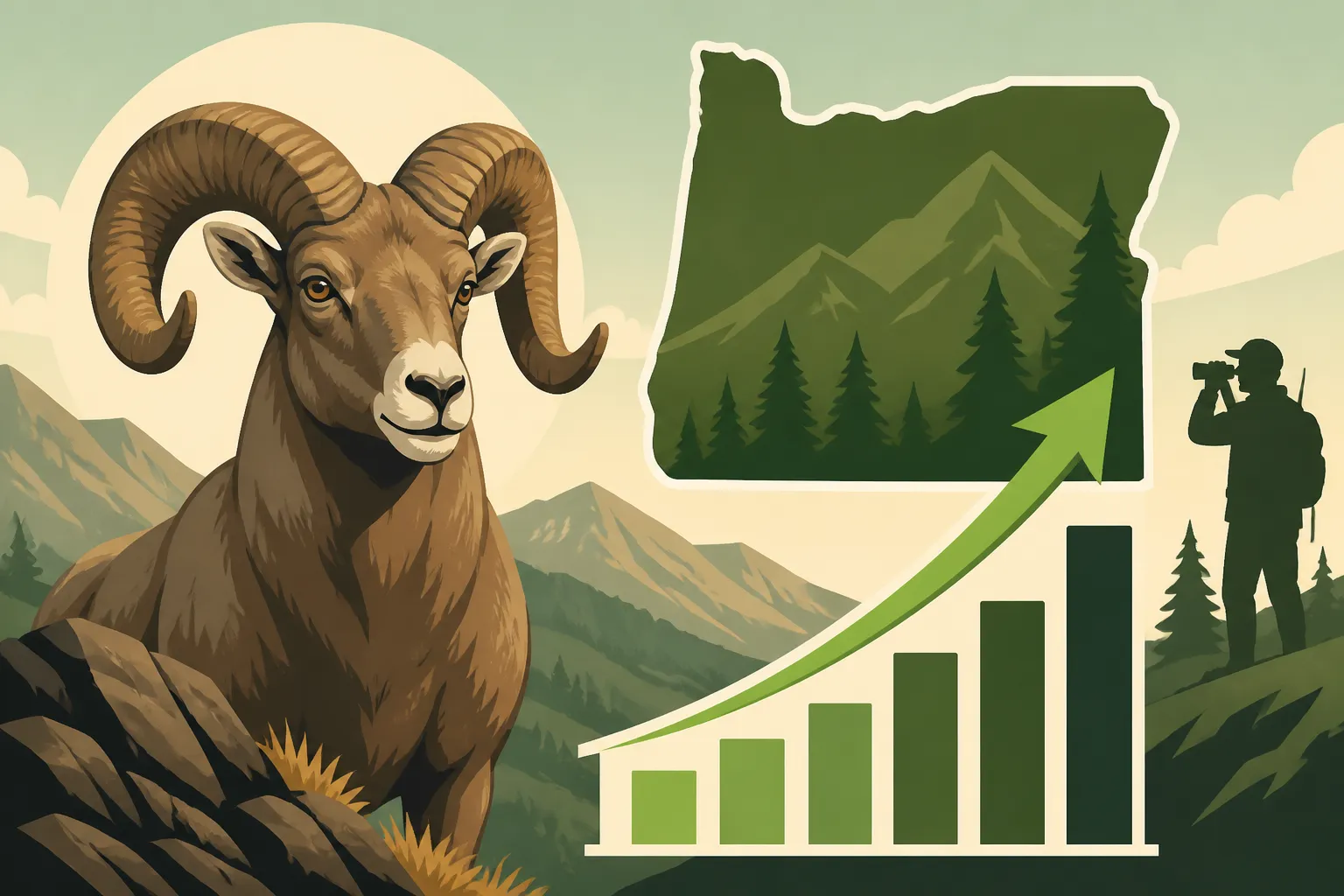
Despite the historical decline, Oregon has made remarkable strides in bringing California Bighorn Sheep back from the brink. It’s a conservation success story in many ways, though the numbers remain relatively small and the herds require constant vigilance. For hunters and wildlife watchers, knowing where these animals exist is key to appreciating their rarity and the efforts made on their behalf.
Key Herd Units and Their Estimates
Today, California Bighorn Sheep populations in Oregon are concentrated in several distinct, often isolated, herd units. These are generally found in the most rugged, remote, and often least accessible parts of the eastern and southeastern portions of the state. The most significant herds are typically located in areas like the Hart Mountain National Antelope Refuge, the John Day River canyon system, the Owyhee River drainage, and other isolated mountain ranges and canyon breaks.
For example, areas like Hart Mountain, which also holds a significant pronghorn population, has been a cornerstone of bighorn recovery. Other crucial zones include the Strawberry Mountains, areas within the Steens Mountain complex, and various segments of the John Day River, particularly near the Picture Gorge and Cottonwood Canyon areas. While specific numbers fluctuate annually based on lamb survival, disease events, and environmental factors, wildlife agencies conduct regular surveys to monitor these populations. These surveys often involve aerial counts and ground observations, providing estimates that guide management decisions. Hunters looking for specific unit information can often find detailed statistics, though it may require some digging, as GoHunt and similar platforms aggregate data that helps decode these complex reports. For those aspiring to draw a tag, understanding these specific herd units and their historical success rates is crucial, as is explored in Oregon Bighorn Sheep and Goat Applications.
Challenges in Population Counting
Counting bighorn sheep is not like counting deer in a clearcut or elk in an open meadow. These animals live in incredibly challenging terrain, often blending seamlessly with their rocky surroundings. Their habitat includes steep cliffs, deep canyons, and remote plateaus, making aerial surveys difficult and ground surveys often impossible across their entire range. The sheep themselves are wary, and while they might be visible from a distance, getting an accurate count of every animal in a unit, including lambs and ewes, is a monumental task.
Furthermore, bighorn populations can be dynamic. A harsh winter, a severe disease outbreak, or increased predation can cause numbers to drop significantly in a short period. This means that population estimates are just that—estimates—and are often a snapshot in time. Wildlife biologists use various techniques, including direct counts, mark-recapture studies, and population modeling, but the inherent challenges of the terrain and the animals' behavior mean that precision is always a goal, not always a perfect reality. Understanding How ODFW Counts Big Game reveals the detailed work that goes into these challenging assessments. Despite these difficulties, these estimates are vital for setting hunting quotas and developing conservation strategies.
The Real Threats: What's Keeping Bighorn Numbers Down?
While impressive conservation work has brought California Bighorns back, their populations remain fragile. There are significant, ongoing threats that prevent their numbers from rebounding to truly robust levels. These aren't just historical problems; they are current, persistent challenges that require continuous attention and innovative solutions.
The Silent Killer: Disease Transmission
The most significant and devastating threat to bighorn sheep populations in Oregon, and indeed across much of the West, is disease, particularly respiratory diseases like pneumonia, often caused by the Mycoplasma ovipneumoniae (M. ovi) bacterium. This isn't just a common cold; it's a pathogen that can sweep through a bighorn herd, killing lambs, ewes, and rams indiscriminately. The cruel irony, as mentioned earlier, is that domestic sheep can carry this bacterium with few or no ill effects, while it can be a death sentence for their wild cousins.
When bighorns come into contact with domestic sheep, even briefly, the transmission risk is incredibly high. A single contact event can initiate an outbreak that can decimate a herd, leading to years of low lamb survival and overall population decline. Entire herds can be wiped out, or suffer chronic, debilitating illnesses that weaken them and make them more susceptible to other threats. Preventing these interactions, primarily through managing grazing allotments and implementing spatial and temporal separations, is a cornerstone of bighorn conservation. Bighorn Pneumonia Die-Offs in Oregon are a stark reminder of this persistent challenge, forcing wildlife managers to make tough decisions about herd health and land use.
Habitat Loss and Fragmentation
While disease is a primary concern, habitat is always fundamental to any wildlife species. For California Bighorn Sheep, their preferred habitat is rugged, open, and often isolated from human disturbance and domestic livestock. However, even in seemingly vast and wild eastern Oregon, bighorn habitat faces threats. Expansion of agriculture, increased human recreational use, and the construction of roads and other infrastructure can fragment their ranges, making it harder for sheep to move between suitable areas, access crucial water sources, or find new breeding grounds.
Moreover, changes in vegetative communities, sometimes due to fire suppression or invasive species, can reduce the quality of forage available to bighorns. They rely on specific types of grasses and forbs, and alterations to these plant communities can impact their nutrition and overall health. When herds become isolated in small pockets of habitat, they also become more vulnerable to localized threats and lose genetic diversity, which can weaken their resilience to disease and environmental changes. Organizations like GoHunt often highlight how critical it is for hunters to support land conservation efforts that protect these vital, often remote, habitats.
Hope on the Horizon: Conservation Efforts and the Future of Oregon's Bighorns
Despite the daunting challenges, there's genuine hope for California Bighorn Sheep in Oregon. Dedicated individuals, state agencies, and conservation groups are working tirelessly to secure a future for these iconic animals. It's a long game, but the commitment is strong, and the strategies are evolving to address modern threats.
Reintroduction Successes and Management Strategies
Oregon has a proud history of successful bighorn reintroductions, bringing these animals back to areas where they had been absent for decades. These reintroduction efforts, such as those described in California Bighorn Reintroduction in Oregon, involve carefully trapping bighorns from healthy source populations and relocating them to suitable, often newly secured or improved, habitats. This process is incredibly complex, requiring extensive planning to ensure the health of the transplanted animals and the suitability of their new home. Considerations include assessing forage availability, predator populations, and critically, the risk of disease contact with domestic sheep.
Ongoing management involves monitoring herd health, tracking population trends through aerial surveys and trail cameras, and actively managing potential threats. This might include implementing fencing to separate wild and domestic sheep, improving water sources in arid regions, or selectively removing predators if they are having an unusually high impact on lamb survival. The state also utilizes limited hunting tags, which are highly coveted and difficult to draw, as a management tool. These hunts not only provide revenue for bighorn conservation but also help manage herd age structures and reduce competition for resources. Hunters who secure one of these rare tags, which are truly once-in-a-lifetime opportunities as explained in Once-in-a-Lifetime Rules for Oregon Sheep, often contribute significantly to the understanding and monitoring of these herds.
The Role of Hunter Contributions and Advocacy
Hunters play an absolutely vital role in the conservation of California Bighorn Sheep in Oregon, often more so than many realize. The revenue generated from hunting licenses, tags, and especially the incredibly expensive auction tags for bighorns, provides crucial funding for ODFW's bighorn research, habitat improvement projects, and reintroduction programs. Every time someone applies for a controlled hunt, or invests in a research tool like a GoHunt membership to scout Oregon's Wildlife Management Units and New Hunt Areas, a portion of those funds often circles back to wildlife management.
Beyond financial contributions, many hunters are passionate advocates for bighorn conservation. They volunteer for habitat projects, participate in citizen science efforts, and voice their support for policies that protect bighorn habitat and mitigate disease risks. The intense dedication required to even apply for, let alone draw, a bighorn tag often fosters a deep respect and commitment to the species. Groups advocating for public land access and wildlife health often find strong allies within the hunting community. Ultimately, the future of California Bighorn Sheep in Oregon depends on a sustained, collaborative effort from wildlife agencies, landowners, and a passionate public, with hunters being a significant part of that equation.
Overview of Key Oregon California Bighorn Herd Units (General Status)
| Herd Unit | General Location | General Estimated Status | Key Management Focus |
|---|---|---|---|
| Hart Mountain | Southeastern Oregon High Desert | Stable to Growing | Disease monitoring, habitat maintenance |
| John Day River Breaks | East-Central Oregon Canyonlands | Stable | Disease risk mitigation, public access management |
| Owyhee Breaks | Southeastern Oregon Borderlands | Fragile but Recovering | Reintroduction success, minimizing domestic contact |
| Strawberry Mountains | East-Central Oregon Forests/Peaks | Small, Localized | Habitat connectivity, predator interaction |
| Steens Mountain Complex | Southeastern Oregon Mountain Range | Recovering | Disease prevention, genetic diversity |
Disclaimer
This article is for general informational purposes only and does not constitute professional advice. Laws, prices and regulations vary by location and change over time. Consult a qualified professional for guidance on your specific situation.