Where Oregon Mule Deer Winter
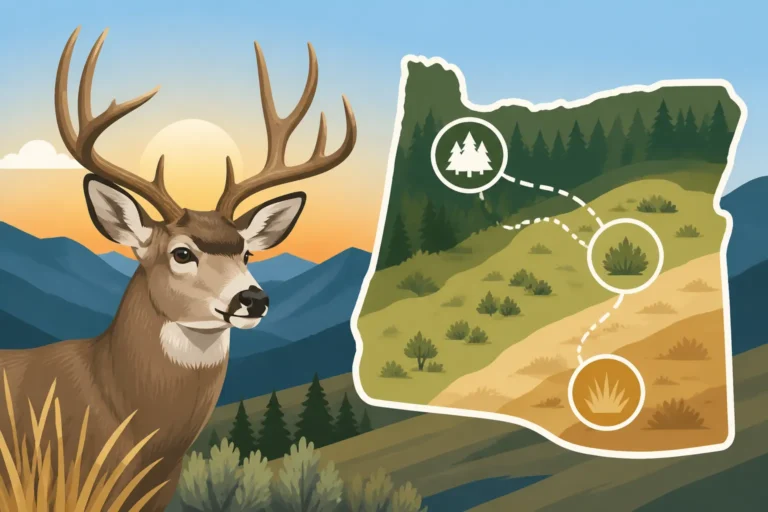
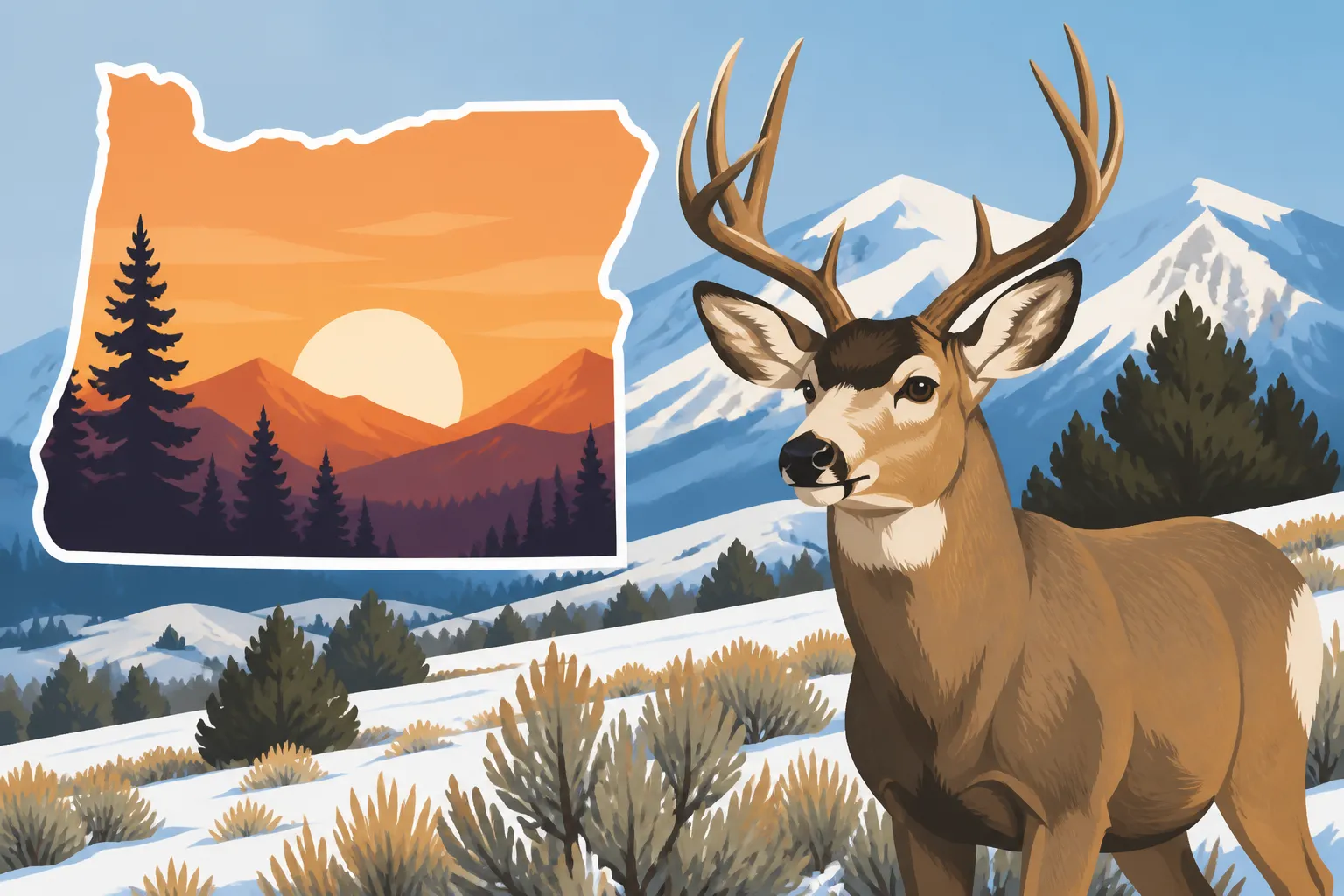
It’s a common experience for hunters across Oregon: as autumn gives way to colder temperatures and the first dusting of snow appears on the higher peaks, the mule deer that were so visible during the summer and early fall hunts seem to simply vanish. This sudden disappearance isn't magic; it's a strategic, age-old migration as these incredible animals move to their critical wintering grounds. This guide will help you understand where Oregon mule deer spend their winters, why these areas are vital, and how you can identify these crucial habitats.
The Seasonal Cycle of Oregon Mule Deer
Mule deer in Oregon, particularly those east of the Cascades, are creatures of habit driven by the rhythm of the seasons. Their survival hinges on moving from high-elevation summer ranges, rich with succulent forage, to lower-elevation winter ranges where food is still accessible and the deep snows of winter are less prohibitive. This annual trek is a marvel of the natural world, a testament to their resilience and adaptability.
Why Migration Matters for Survival
Imagine trying to find food under several feet of snow, or spending your precious energy breaking through drifts just to move from one sparse patch of browse to another. That's the challenge mule deer face in their summer high-country haunts once winter truly sets in. Their migration to specific wintering areas isn't just a preference; it's a non-negotiable survival strategy. These lower-elevation areas often receive less snow, or the snow melts faster due to sun exposure, making dormant vegetation available. This reduces the energy expenditure required for foraging and travel, allowing the deer to conserve fat reserves built during the more bountiful summer months. Without these traditional winter ranges, mule deer populations would struggle immensely. Understanding this journey is key to appreciating the larger picture of Oregon Mule Deer and the Herd Range Decline.
General Patterns Across Eastern Oregon
The precise timing and distance of mule deer migrations in Oregon can vary greatly depending on the specific herd, the severity of the winter, and the geographic features of their range. However, some general patterns hold true across Eastern Oregon. Deer typically begin their descent from the high country – the Cascades, the Blue Mountains, and various other mountain ranges – as early as late October or early November, often coinciding with the first significant snowfall that pushes them out. They seek out south-facing slopes, lower foothills, and sagebrush-dominated basins, often moving many miles from their summer stomping grounds. These movements are often along established Mule Deer Migration Corridors in Oregon, pathways that have been used for generations, connecting their disparate seasonal habitats. The push can be gradual in mild years or incredibly rapid if a sudden, heavy snowstorm hits.
Identifying Key Winter Range Habitats
Not all low-elevation ground is created equal when it comes to mule deer winter range. These animals are looking for a specific combination of factors that offer both sustenance and protection from the elements. Knowing what to look for can help you better understand their movements and the challenges they face.
Low-Elevation Sagebrush Steppe and Juniper Stands
When you think of prime Oregon mule deer winter range, vast expanses of sagebrush steppe immediately come to mind. These low-lying areas, often interspersed with juniper trees, are critical. Sagebrush itself is an incredibly important food source, especially for deer, bighorn sheep, and pronghorn, as its leaves remain available above the snow and provide essential nutrients and moisture when other forage is buried or dormant. The juniper trees, while not a primary food source, offer crucial thermal and escape cover, especially on cold, windy days. Think of it as a natural windbreak and a place to get out of the driving snow. You'll often find mule deer "cratering" through shallow snow to get at the sage, their tracks forming distinct patterns in the landscape. If you're out Finding Mule Deer in Juniper Draws during the late season, these are the types of areas you'll want to focus on.
South-Facing Slopes and Aspect Importance
One of the most crucial elements for wintering mule deer is aspect – the direction a slope faces. South-facing slopes are gold in the winter landscape. Why? Because they catch the maximum amount of sunlight throughout the day. This solar radiation helps melt snow faster, exposing dormant grasses and forbs, and also provides a warmer microclimate for the deer to bed down and rest. A south-facing slope might have only a few inches of snow, while a north-facing slope directly opposite could be buried under several feet. This difference can literally be life or death for a deer trying to conserve energy. When you're Glassing Sage and Juniper for Eastern Oregon Mule Deer in the colder months, always prioritize these sun-drenched hillsides. Even a slight rise that offers a southern exposure can concentrate deer during the toughest parts of winter.
River Drainages and Riparian Areas
While sagebrush flats and south-facing slopes are dominant, river drainages and their associated riparian areas also play a significant, albeit often smaller, role in wintering mule deer habitat. These areas often contain a denser concentration of deciduous shrubs and trees like willow, cottonwood, and various berry bushes, which, even in their dormant state, can provide some browse. More importantly, river drainages often serve as natural travel corridors, providing a less strenuous path through deeper snow compared to moving over ridges. They also tend to hold slightly more moisture, which can benefit available forage. Deer will often utilize the sheltered banks and stringers of vegetation along these waterways as bedding cover and escape routes, especially if pressure from predators or humans is present.
Specific Mule Deer Wintering Areas by Region
Oregon is a big state with diverse landscapes, and where mule deer winter can vary considerably depending on the region. Eastern Oregon, where the vast majority of our mule deer reside, can be broadly divided into a few distinct areas, each with its own typical wintering habitats.
Northeastern Oregon's Blue Mountains Foothills
In Northeastern Oregon, the mule deer herds that summer in the high elevations of the Blue Mountains, like those in the Wallowa-Whitman or Umatilla National Forests, will descend into the lower foothills and vast agricultural fringes. Areas around cities like Pendleton, La Grande, and Baker City, particularly the sprawling plateaus and draws, become vital. For instance, deer from the higher parts of the Wallowa and Chesnimnus units often winter in the agricultural lands and lower canyon country along the Snake River or lower Grande Ronde River drainage. In the Ukiah and Heppner units, they’ll move to the less severe terrain and open rangelands. These low-lying areas, characterized by rolling sagebrush hills, scattered junipers, and private agricultural fields (where access can be limited), provide crucial winter forage and less snow accumulation. Hunters looking to understand these movements can gain insight by checking Reading an Oregon Big Game Statistics Report for herd movement data.
Central Oregon's High Desert and Basins
Moving into Central Oregon, the landscape shifts to expansive high desert country, dotted with volcanic buttes and vast sagebrush basins. Mule deer that summer on the higher slopes of the Ochoco Mountains or Paulina Peak will descend into the large, relatively flat basins. The Ochoco National Forest, for example, sees deer moving into the lower elevations, particularly around the Crooked River and its tributaries, and into the broader Ochoco Unit and Grizzly Unit lowlands. Similarly, deer from the Paulina and Maury Mountain units will move towards the Fort Rock and Silver Lake Basins. These areas are classic examples of sagebrush steppe winter range, often intermixed with extensive juniper stands, providing the necessary browse and cover. Utilizing tools like GoHunt or other detailed mapping software can show you the topographical changes and identify these critical lower, flatter areas that are vital winter habitat. You can also explore Ochoco National Forest Hunting Areas for specific insights on where deer might transition during winter.
Southeastern Oregon's Plateaus and Rimrock
Southeastern Oregon is defined by its vast, arid plateaus, dramatic rimrock cliffs, and isolated mountain ranges. Here, mule deer herds can be found wintering in the lower elevations of the Steens Mountain region, such as the northern reaches of the Steens Mountain Hunting Country, or across the expansive plains and draws of the Hart Mountain and Interstate units. The desert canyons and breaks provide shelter, and the lower, sun-exposed slopes beneath the rimrock act as natural snow-shedding zones, revealing essential forage. The Hart Mountain National Antelope Refuge, while famous for pronghorn, also supports significant mule deer populations that utilize its lower reaches and adjacent lands for wintering. Hart Mountain and the Antelope Refuge can offer specific insights into this unique habitat. These deer are particularly adapted to tough, dry conditions, making the most of sparse resources in these remote areas.
How to Locate and Respect Wintering Deer
Finding mule deer during the winter months requires a different approach than during the fall hunting seasons. Beyond just locating them, it's crucial to understand the importance of respecting their vulnerability during this stressful time of year.
Utilizing Digital Tools for Scouting
In today's world, modern technology is an invaluable asset for understanding deer movements. Digital mapping applications, like those offered by GoHunt, allow you to study terrain features, identify south-facing slopes, and mark potential winter range areas from the comfort of your home. You can zoom in on E-Scouting Oregon Units With Satellite Imagery to analyze vegetation types – spotting those tell-tale sagebrush flats or juniper stringers that scream "winter range." Pay close attention to elevation changes, aspect, and proximity to known summer ranges. While these tools are excellent for pre-season planning, remember that real-world conditions, especially snow depth, will always be the ultimate determining factor. Many deer winter on private land, so understanding land ownership boundaries using these apps is also vital.
Understanding Winter Range Closures
Oregon takes the protection of its wintering big game seriously, and for good reason. The stress of winter can be extreme, and unnecessary disturbance can lead to deer expending precious energy, impacting their survival rates. Because of this, many areas across Eastern Oregon are designated as Oregon Winter Range Closures That Affect Late Hunts. These closures, which can restrict human entry (foot, vehicle, or both) to critical mule deer habitats, are usually in effect from December 1st to April 1st, though dates can vary by specific unit and year based on conditions. It is absolutely imperative to check the current Oregon Department of Fish and Wildlife (ODFW) regulations or consult their online Using the Oregon Hunting Map Online before venturing into any potential winter range. Ignorance of these closures is no excuse, and violating them can carry significant penalties. Respecting these closures is a fundamental part of responsible wildlife stewardship.
Ethical Considerations for Observing Wintering Herds
Even in areas open to public access, encountering wintering deer requires a high degree of ethical consideration. These animals are operating on razor-thin energy margins, having spent months building fat reserves that are now slowly depleting. Any unnecessary disturbance—whether it's getting too close for a photograph, letting a dog chase them, or repeatedly pushing them from a feeding area—forces them to burn calories they desperately need for survival. If you observe mule deer in their winter range, do so from a distance, using binoculars or a spotting scope. Avoid sudden movements or loud noises. If deer raise their heads, become alert, or begin to move away, you are too close. The goal should always be to observe without impacting their natural behavior. Remember, our shared wild resources depend on our respect and responsible actions, especially during these vulnerable times.
| Winter Range Feature | Description | Importance for Mule Deer Survival |
|---|---|---|
| Low Elevation | Areas typically below 4,000 feet, avoiding deep mountain snowpacks. | Less snow, easier access to forage, reduced energy expenditure. |
| South-Facing Slopes | Slopes oriented to catch maximum sunlight throughout the day. | Faster snow melt, warmer microclimate, exposed dormant vegetation. |
| Sagebrush Steppe | Extensive grasslands and shrublands dominated by sagebrush. | Primary winter forage (sagebrush is evergreen), accessible above snow. |
| Juniper Stands | Scattered to dense pockets of juniper trees within the sagebrush landscape. | Crucial thermal cover, protection from wind and snow, escape cover. |
| River Drainages | Lower elevation riparian zones along rivers and creeks. | Travel corridors, sheltered areas, alternative browse sources. |
Disclaimer
This article is for general informational purposes only and does not constitute professional advice. Laws, prices and regulations vary by location and change over time. Consult a qualified professional for guidance on your specific situation.