Cinnamon Bears in Oregon
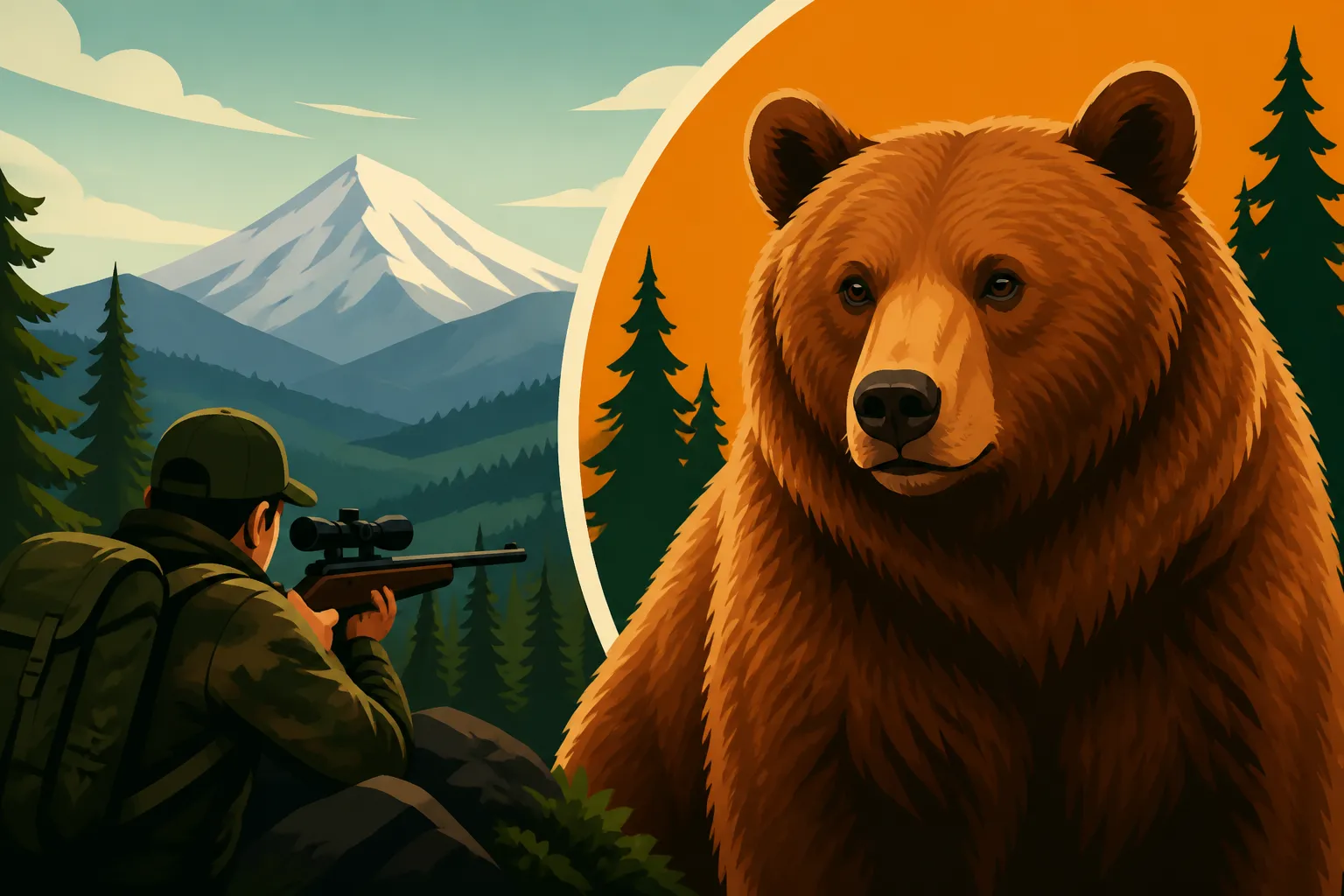
If you've spent any time scouting Oregon's vast timberlands or perusing hunting forums, you've probably heard hushed whispers or seen photos of "cinnamon bears." It's easy to wonder if these reddish-brown beauties are a special, rare species unique to our state, or if there's more to their story. This guide is here to unravel the mystery, diving deep into what a cinnamon bear truly is, where you might encounter one in Oregon, and what to keep in mind if you're out in their territory.
What Exactly Is a "Cinnamon Bear" in Oregon?
The term "cinnamon bear" often sparks curiosity, making people think of a distinct species or a rare genetic anomaly. However, the reality is a bit more straightforward, yet no less fascinating. Understanding this distinction is key for anyone interested in Oregon's diverse wildlife, especially if you're planning a hunt or simply enjoying the backcountry.
Not a Separate Species, But a Color Phase
Let's clear the air right away: a "cinnamon bear" is not a separate species of bear, nor is it a subspecies of bear unique to Oregon. Instead, it's simply a color phase of the widespread American Black Bear (Ursus americanus). Think of it like different hair colors in humans – you can have black, brown, blonde, or red hair, but you're all still human. The same principle applies to black bears.
The reddish-brown coloration that gives the "cinnamon" moniker is due to a genetic variation, essentially a mutation in the gene responsible for fur pigmentation. This gene affects the amount and type of melanin produced in the fur. While pure black fur is the most common phenotype for American Black Bears across their range, various other shades can occur, with cinnamon being one of the most striking. In Oregon, these bears are biologically identical to their black-furred relatives. They share the same diet, habitats, breeding patterns, and general behavior. Their distinct coat is purely cosmetic, making them visually stand out in the green and brown tapestry of Oregon's forests.
The Spectrum of Oregon Black Bear Colors
Oregon's black bear population is remarkably diverse in its color palette. While jet black is indeed prevalent, it's far from the only hue you'll spot if you spend enough time observing these incredible animals. Besides the iconic black and the sought-after cinnamon, you can encounter bears with fur ranging from dark chocolate brown to light blonde, and even a mix of shades within the same individual, especially on their muzzle or flanks.
It's not uncommon to see a sow with cubs that exhibit different color phases, even within the same litter. One cub might be stark black, while its sibling sports a rich cinnamon coat. This phenomenon further highlights that these color variations are genetic expressions within the species, not indicators of different species altogether. The prevalence of these lighter color phases can vary by region within Oregon. In some areas, particularly in parts of Eastern Oregon, lighter-colored bears, including cinnamons and blondes, might be observed more frequently. This variation often correlates with local genetic pools and environmental factors that may favor certain colorations over generations.
Where to Find Cinnamon Bears (and All Black Bears) in Oregon
Knowing that cinnamon bears are just a color phase means you're looking for black bears, regardless of their specific hue. Oregon offers expansive habitats where these powerful omnivores thrive, from dense coastal forests to rugged mountain ranges. Understanding these areas is crucial for anyone hoping to spot or hunt a bear in our beautiful state.
Prime Habitats Across the State
Oregon's diverse landscapes provide excellent habitat for black bears, which means potential for encountering all their color phases, including the striking cinnamon. You'll find black bears widespread throughout the forested regions of the state. The Oregon Black Bear Populations Across Oregon are robust and well-distributed.
- Coast Range: This lush, rain-drenched region on the western side of the state offers dense timber, thick underbrush, and abundant berry patches, making it prime bear country. Clearcuts, especially those a few years old that are regenerating with new growth, are hotspots for bears feeding on berries and other vegetation.
- Cascade Mountains: Extending north to south through the heart of Oregon, the Cascades provide vast expanses of coniferous forests, riparian zones, and high-elevation meadows. Bears here move seasonally, following food sources from lower elevations in spring to higher, berry-rich slopes in summer and fall.
- Blue Mountains: In Northeast Oregon, this rugged range offers a mix of ponderosa pine forests, fir stands, and open meadows. Bears here often frequent areas with huckleberries, chokecherries, and acorns, especially in the fall.
- Klamath Mountains (Southern Oregon): Similar to the Coast Range in its dense vegetation, this area in southwestern Oregon is also excellent bear habitat, with plenty of cover and diverse food sources.
Bears are creatures of habit and opportunity. They thrive where food is plentiful and cover is sufficient to provide security. Look for them in areas with a mix of dense timber for bedding, open clearcuts or meadows for foraging, and reliable water sources. Early mornings and late evenings are often the best times to spot them as they emerge from cover to feed.
Identifying Bear Sign and Behavior
While actually seeing a cinnamon bear, or any bear, can be a challenge given their secretive nature, learning to read their sign is an essential skill for any outdoors enthusiast. Bears leave behind a variety of clues that indicate their presence and recent activity.
- Tracks: Look for large, five-toed paw prints. Front paws are wider than they are long, while hind paws are longer and resemble a human's bare foot. You'll often see distinct claw marks.
- Scat: Bear droppings vary widely depending on their diet. In spring, it might be green and grassy; in summer and fall, it will often be full of berries or seeds. Fresh scat is a strong indicator of recent activity.
- Rub Trees: Bears will rub their backs against trees, particularly evergreens, often leaving hair and distinct rub marks at various heights. They do this for scent marking and to scratch.
- Claw Marks and Chewed Logs: Bears will tear apart rotting logs and stumps to get at grubs and insects. Look for deep claw marks on trees, particularly fruit trees or those with tender bark, where they might climb to feed or to escape.
- Foraging Activity: Areas with overturned rocks, dug-up ground, or trampled berry bushes can indicate a bear has been feeding there.
Understanding seasonal behavior is also crucial. In spring, after emerging from their dens, bears are often found on "green-up" slopes, feeding on tender new vegetation. As summer progresses, they move to areas with ripening berries like huckleberries, salmonberries, and blackberries. In fall, they focus on gorging on acorns, hazelnuts, and other hard mast to build up fat reserves for winter denning. Using advanced mapping tools can be a game-changer for identifying potential bear hotspots. Services like GoHunt provide detailed topographic maps, satellite imagery, and data layers that can help you pinpoint dense cover, water sources, and areas known for berry production or oak groves, significantly improving your scouting efficiency.
Hunting Considerations for Cinnamon Bears in Oregon
If you're considering hunting black bears in Oregon, whether you hope to spot a cinnamon phase or any other color, it's vital to understand the state's specific regulations and ethical considerations. Bear hunting is a challenging and rewarding pursuit, but it demands preparation and adherence to strict guidelines.
Oregon's Bear Hunting Seasons and Regulations
Oregon offers both spring and fall black bear hunting seasons. These seasons are designed to manage the bear population, ensure healthy numbers, and provide opportunities for hunters. However, there are very specific rules you must follow.
- Spring Season: Typically runs from early spring through late May or early June. This season often focuses on bears emerging from dens, seeking new growth, and foraging on green-up slopes.
- Fall Season: Generally aligns with deer and elk seasons, running from August through November or even into December in some units. During this time, bears are actively feeding on berries and nuts to prepare for winter.
- Tagging: You'll need a general black bear tag, and in some areas, controlled hunt tags may be available. Always double-check the current Oregon hunting regulations for specific unit dates, bag limits, and any special restrictions.
- No Baiting or Hounds: Oregon explicitly prohibits the use of bait or hounds for bear hunting. This means hunters must rely on spot-and-stalk tactics, still-hunting, or calling. This makes bear hunting in Oregon a true test of woodsmanship and patience, often requiring you to spend hours Glassing Eastern Oregon Rimrock for Mule Deer or similar terrain, but for bears.
- Mandatory Reporting: Like all big game in Oregon, harvested bears must be reported to ODFW. Failure to do so can result in penalties.
Remember, a cinnamon bear is still a black bear under Oregon law, so the same tags and regulations apply. Your focus should be on legal harvest and ethical hunting practices for the species, regardless of its color phase.
Ethical Hunting and Bear Identification
Ethical hunting practices are paramount, especially when pursuing bears. The color variation adds another layer of complexity to identification, which is already a significant challenge for new and experienced hunters alike.
- Distinguishing Sex: One of the most critical aspects of ethical bear hunting is being able to tell a sow from a lone boar. Sows often have cubs, and harvesting a sow with dependent cubs is illegal and unethical. Look for physical characteristics like body size, head shape, and behavior patterns. Sows tend to be smaller, with more delicate facial features, while boars often have larger, blockier heads and broader shoulders. Sometimes, the presence of cubs is the only definitive way to tell, so observe carefully. Learning Judging a Boar From a Sow at Distance is a skill honed over many hours in the field.
- Judging Size: Bears can be notoriously difficult to size accurately in the field due to varying terrain, vegetation, and lighting conditions. A cinnamon coat might make a bear appear larger or smaller than it truly is under certain light. Look for physical indicators like ear-to-head ratio, body length relative to height, and the bulk of the chest and shoulders. Avoid shooting unless you are absolutely confident in your judgment.
- Clear Shot Opportunities: Always wait for a clear, ethical shot opportunity. This means having an unobstructed view of the animal and being confident in your ability to make a clean kill. Avoid rushing shots, especially in dense cover where a wounded animal can be difficult to track.
- Visibility and Light: A cinnamon bear's coat can sometimes blend surprisingly well with fall foliage or sun-dappled timber. Conversely, in bright open areas, their reddish hue can stand out. Be mindful of how light conditions affect your ability to clearly see and identify the bear before making a decision.
Tools like those offered by GoHunt can assist in the pre-season scouting phase, providing access to public land maps and historical harvest data for specific units. While they can't help you with on-the-spot animal identification, they can help you narrow down areas of high bear activity, increasing your chances of finding a bear and allowing for more observation time to make an ethical judgment. Scouting with Trail Cameras on Oregon Public Land can also be invaluable for understanding local bear populations and their movement patterns, giving you a better idea of what to expect during the season.
Conservation and Management of Oregon's Black Bear Population
Oregon's wildlife managers understand the unique position of black bears in our ecosystems. Their conservation and management strategies are holistic, focusing on the health and sustainability of the entire species, rather than individual color phases. This approach ensures that beautiful cinnamon bears, alongside their black-furred relatives, continue to thrive for generations to come.
ODFW's Role in Bear Management
The Oregon Department of Fish and Wildlife (ODFW) is tasked with the stewardship of all wildlife in the state, including black bears. Their management strategies are based on scientific research, population surveys, and public input, aiming to strike a balance between ecological health and human interests.
- Population Monitoring: ODFW conducts regular surveys and uses harvest data to estimate black bear populations across different regions of Oregon. This data helps them understand trends in bear numbers, reproduction rates, and overall health. They don't differentiate between color phases in these counts, as all are Ursus americanus.
- Habitat Management: A significant part of bear management involves habitat protection and enhancement. This includes working with land managers to ensure that critical bear habitats – like denning sites, foraging grounds, and travel corridors – remain intact and productive.
- Harvest Management: Hunting seasons and tag allocations are carefully set to manage bear populations at sustainable levels. The goal is to prevent over-harvesting while also addressing potential conflicts with human populations or other wildlife.
- Research: ODFW supports and conducts research into bear biology, behavior, and ecology. This scientific understanding informs their management decisions, ensuring they are based on the best available data.
Ultimately, ODFW manages the total black bear population, viewing all color phases as integral parts of the same healthy species. Their efforts focus on ensuring robust, resilient bear numbers across their Oregon range.
Bear-Human Interactions and Safety
As human populations expand and outdoor recreation increases, encounters between bears and people are becoming more common. A cinnamon bear, despite its distinct appearance, is no different from any other black bear in terms of its potential for interaction or conflict. Safety and prevention are key when sharing the landscape with these powerful animals.
- Secure Food and Attractants: The vast majority of human-bear conflicts stem from bears associating humans with food. Whether you're camping, hiking, or living in bear country, always secure your food, garbage, and anything else that might attract a bear. Use bear-resistant containers, store food in locked vehicles, or hang it from a tree. Never leave pet food or birdseed accessible.
- Make Noise on Trails: When hiking, especially in dense vegetation, make noise to avoid surprising a bear. Most bears will try to avoid humans if they hear them coming. Carrying bear spray is also a wise precaution, and know how to use it.
- If You Encounter a Bear:
- Do not run. Running can trigger a chase response.
- Make yourself look large by waving your arms and making noise.
- Back away slowly, giving the bear space.
- Never get between a sow and her cubs. This is when bears are most defensive.
- Report Conflicts: If you experience an aggressive bear encounter or witness a bear repeatedly seeking out human food sources, report it to ODFW immediately. This information helps them monitor bear behavior and intervene when necessary to prevent further conflicts.
Remember, a cinnamon bear is a wild animal with the same instincts and capabilities as a black bear. Treat them with respect, give them space, and take precautions to avoid attracting them. Resources like GoHunt can aid in understanding bear behavior after a wildfire or other environmental changes that might influence where bears are foraging, offering insights that complement ODFW's official guidance and help you navigate the wilderness safely and responsibly.
| Bear Color Phase | Description | Prevalence in Oregon | Identification Notes |
|---|---|---|---|
| Black | Deep, glossy black fur. | Most common. | Classic black bear appearance, often with a brownish muzzle. |
| Cinnamon | Reddish-brown, varying from light red to dark rust. | Less common than black, but regularly observed in various regions. | Can be confused with brown bears (grizzlies) where ranges overlap (not Oregon). Check for shoulder hump, facial dish. |
| Brown | Medium to dark chocolate brown. | Fairly common, especially in Eastern Oregon. | Often appears as a slightly faded or lighter black bear. |
| Blonde/Yellow | Light tan or yellowish fur. | Least common, but occasionally seen. | Can look almost golden in bright sunlight. |
Disclaimer
This article is for general informational purposes only and does not constitute professional advice. Laws, prices and regulations vary by location and change over time. Consult a qualified professional for guidance on your specific situation.