Pneumonia in Oregon Bighorn Herds
It's incredibly disheartening when we talk about Oregon's majestic bighorn sheep herds, because one of the most insidious threats they face isn't just predators or habitat loss, but a silent, microscopic killer: pneumonia. This disease can decimate populations, erasing years of conservation effort and shattering the dreams of hunters hoping for a coveted tag. This guide aims to shed light on bighorn pneumonia, its impact on Oregon's herds, and what we can all do to help protect these incredible animals.
Understanding Bighorn Sheep Pneumonia
When we talk about pneumonia in bighorn sheep, we're not just discussing a simple cough or cold. This is a complex respiratory disease, often leading to widespread mortality events that can fundamentally alter the trajectory of a herd for decades. It's a deeply frustrating reality for anyone who cherishes these iconic animals, whether you're a hunter, wildlife viewer, or simply someone who appreciates Oregon's wild landscapes.
What is Pneumonia in Bighorns?
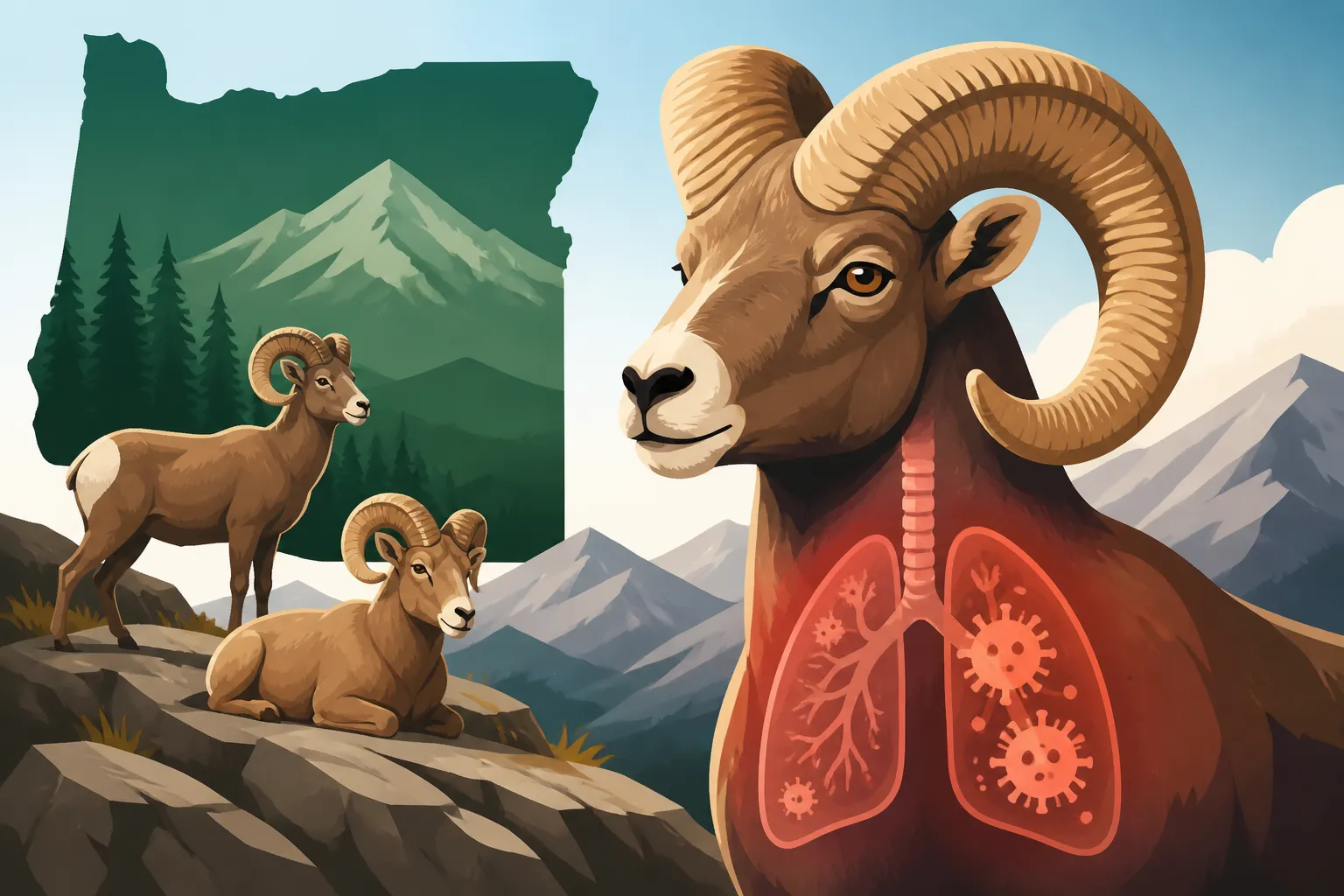
At its core, bighorn sheep pneumonia is a severe infection of the lungs, typically caused by a specific suite of bacteria, often Mycoplasma ovipneumoniae (M.ovi) being the primary culprit. While M.ovi itself might not always be the direct cause of death, it acts as a virulent instigator, weakening the bighorn's respiratory system and paving the way for other opportunistic bacteria to take hold and overwhelm the animal. Young lambs are particularly vulnerable, often succumbing rapidly, but adult sheep can also be hit hard. The disease attacks their ability to breathe, leading to coughing, nasal discharge, lethargy, and ultimately, death. This isn't just a fleeting illness; it's a chronic, debilitating condition for many survivors, impacting their overall health and reproductive success for the remainder of their lives.
Think about it: an animal evolved to thrive in some of Oregon's most rugged and exposed country suddenly struggling to take a breath. It's a brutal reality that wildlife managers and conservationists grapple with constantly. The initial infection can spread like wildfire through a herd, especially in the close quarters that bighorns often keep, leading to staggering die-offs that can see 50% or more of a herd wiped out in a single season.
The Silent Killer: How it Spreads
The most heartbreaking aspect of bighorn pneumonia is its primary mode of transmission: contact with domestic sheep and goats. These domestic animals often carry the bacteria responsible for bighorn pneumonia without showing any symptoms themselves. They've developed a natural immunity over generations, but for a wild bighorn, even a brief encounter can be a death sentence. The bacteria can be shed through nasal secretions, and when a wild bighorn shares grazing areas, water sources, or even just crosses paths with an infected domestic animal, the pathogens can transfer.
Once the bacteria enters a wild bighorn herd, it spreads quickly among them through direct contact. Lambs born to infected ewes often contract the disease shortly after birth, and their immature immune systems are ill-equipped to fight it off. This means that even after an initial die-off, the disease can persist within the herd, causing recurring lamb mortality events year after year, effectively preventing the herd from rebuilding its numbers. This chronic infection is what truly frustrates recovery efforts, creating a persistent drain on the herd's vitality and making it incredibly difficult for populations to rebound naturally.
Historical Context of Outbreaks in Oregon
Oregon's bighorn sheep populations have faced significant challenges throughout history, and pneumonia outbreaks are unfortunately not a new phenomenon. Historically, bighorn sheep were nearly extirpated from the state by the early 20th century, largely due to unregulated hunting and, yes, disease transmitted from domestic livestock. Reintroduction efforts in places like the Wallowas and across the Hells Canyon complex brought back these magnificent animals, but the threat of pneumonia has remained a constant dark cloud.
Major die-offs have been documented in various herds over the years, often traceable back to encounters with domestic sheep. These events are devastating, not only for the animals themselves but for the incredible effort invested in their recovery. Each outbreak is a stark reminder of the delicate balance required to maintain wild populations, especially when their habitat overlaps with agricultural practices. Oregon's bighorn restoration has been a long, hard-fought battle, and these disease events represent significant setbacks, often forcing wildlife agencies to re-evaluate their management strategies and push for stricter separation measures. It's a continuous struggle to protect the gains that have been made.
The Devastating Impact on Oregon Herds
The consequences of pneumonia for Oregon's bighorn sheep herds extend far beyond the immediate deaths. It's a pervasive issue that undermines population stability, complicates conservation efforts, and directly impacts the limited hunting opportunities available to ethical, dedicated hunters. When we talk about California Bighorn Sheep in Oregon's Canyon Country or Rocky Mountain Bighorn in the Wallowas, we're talking about specific populations constantly living under this threat.
Population Declines and Herd Health
The most obvious and immediate impact of pneumonia is a dramatic reduction in herd numbers. When an outbreak hits, a significant percentage of the adult population can be lost, but the long-term damage often manifests as a sustained lack of lamb recruitment. Even if adults survive, many become carriers, continually infecting new lambs, which then often die before reaching maturity. This creates a cycle where the herd struggles to produce enough new members to offset natural mortality, leading to a slow but steady decline over time. It's like trying to fill a bucket with a hole in the bottom; you pour in new life, but it constantly drains away.
This chronic lamb mortality is arguably more damaging in the long run than acute adult die-offs because it prevents the herd from recovering. The remaining adults, if they are carriers, might appear healthy but are still a vector for the disease, perpetuating the problem. This impacts overall genetic diversity and vigor within the herd, making them potentially more susceptible to other diseases or environmental stressors. The health of a bighorn herd is measured not just by its size, but by its ability to reproduce and thrive, and pneumonia severely compromises that fundamental biological function.
Challenges for Conservation and Management
Managing bighorn sheep populations in the face of pneumonia is one of the most complex and frustrating challenges for wildlife agencies like ODFW. The core issue is often the proximity to domestic sheep and goats, making it a land-use conflict as much as a wildlife disease problem. Creating and enforcing buffer zones, relocating domestic herds, and sometimes even removing bighorns from areas of high risk are all strategies considered, but each comes with its own set of logistical and social difficulties. Resources like GoHunt can help hunters understand unit boundaries and potential bighorn ranges, but these maps don't always reflect the invisible threat of disease.
ODFW must continually monitor herds for signs of disease, conducting health assessments and sometimes even capturing animals for testing. When outbreaks occur, the response is often reactive, trying to minimize further spread and understand the source, but preventing the initial transmission is incredibly difficult. The disease also impacts future reintroduction efforts; agencies are hesitant to move bighorns into areas where the risk of contact with domestic livestock is high, thus limiting opportunities to expand bighorn range and grow overall state populations. It's a constant, uphill battle, trying to safeguard vulnerable populations while navigating complex land ownership and agricultural interests.
Hunter Opportunities and Tag Implications
For hunters, the impact of bighorn pneumonia is felt directly through the scarcity of tags. Oregon's bighorn sheep tags are already among the most difficult to draw, often considered a once-in-a-lifetime opportunity for residents. When a herd suffers a pneumonia outbreak and subsequent decline, ODFW typically responds by reducing tag allocations, sometimes dramatically, to protect the remaining population and allow for recovery. This means fewer chances for hunters, increasing the already astronomical Oregon Sheep Draw Odds for Residents and Oregon Sheep Draw Odds for Nonresidents.
The reduction in tags isn't just a numerical drop; it represents a loss of potential revenue from tag sales, which then impacts ODFW's ability to fund other wildlife management and conservation programs. Moreover, the uncertainty surrounding herd health can make planning for such a highly desired hunt challenging. Hunters investing in Oregon Preference Points and How They Work for years might see their target unit tags disappear due to an unforeseen disease event. It's a tangible loss for those who dream of pursuing these magnificent animals, and it underscores the critical importance of effective disease management for the future of bighorn hunting in Oregon.
The Role of Domestic Sheep and Goats
Understanding the primary vector for bighorn pneumonia is critical to grasping the full scope of the problem. It's not about pointing fingers, but acknowledging a fundamental biological incompatibility between wild bighorns and their domestic relatives. This issue forms the nexus of many management debates and conservation strategies.
Why Domestic Sheep Threaten Bighorns
The uncomfortable truth at the heart of the bighorn pneumonia crisis is that domestic sheep and goats often carry the Mycoplasma ovipneumoniae (M.ovi) bacteria without any detrimental effects to themselves. They are carriers. For them, it’s just another pathogen their immune system handles. For a wild bighorn, however, exposure to this bacteria is frequently fatal. Even seemingly healthy domestic livestock can transmit the disease, turning a brief encounter into a death sentence for a bighorn. This phenomenon is why the internal link Why Domestic Sheep Threaten Bighorns exists – it's a foundational piece of knowledge for anyone concerned about bighorn health.
This isn't about blaming ranchers or farmers; it's a scientific reality of differing immunities. The shared ancestry means the pathogens can jump the species barrier, but only one species has evolved a strong defense. When domestic sheep graze on public lands adjacent to bighorn habitat, or if a domestic animal escapes and wanders into wild bighorn range, the risk of pathogen transfer skyrockets. This makes land-use planning and careful management of grazing allotments incredibly important, but also incredibly contentious.
Management Strategies and Buffer Zones
Given the severe risk, much of the management effort revolves around preventing contact between wild bighorns and domestic sheep and goats. This primarily involves establishing and enforcing buffer zones and spatial separation. These zones aim to create geographic gaps where bighorns can thrive without the risk of encountering domestic carriers. This often means adjusting grazing allotments for domestic livestock on public lands, sometimes requiring significant changes for ranchers who have historically used those areas.
Other strategies include fencing, herd monitoring, and, in some cases, the relocation of bighorns to areas deemed safer from transmission risk. ODFW works with various stakeholders to negotiate these complex arrangements, attempting to balance conservation goals with existing land-use practices. These decisions are rarely easy and often involve difficult compromises. The goal is always to provide bighorn herds with enough secure, disease-free habitat to grow and flourish, protecting the existing populations and giving new generations a fighting chance.
The Ongoing Debate and Stakeholder Perspectives
The issue of bighorn pneumonia and its link to domestic sheep creates a persistent and often heated debate among various stakeholders. Ranchers, conservationists, hunters, and government agencies all have valid perspectives and interests. Ranchers often have long-standing grazing rights and depend on public land allotments for their livelihoods, viewing changes as a threat to their way of life. They might argue that the science linking all pneumonia outbreaks to domestic sheep isn't always definitive or that other factors are at play.
Conservation groups and many hunters, on the other hand, emphasize the critical need to protect wild bighorns, often advocating for stricter separation measures and prioritizing bighorn health above other land uses in critical habitats. They see the continued presence of domestic sheep in or near bighorn range as an unacceptable risk. Oregon Commission Meetings on Hunting Rules are often where these debates play out, with passionate arguments from all sides. Finding common ground and effective solutions requires ongoing dialogue, scientific research, and a commitment to protecting Oregon's unique wildlife heritage for future generations.
What Can Hunters and Public Do?
While the challenge of bighorn pneumonia is immense, there are concrete steps that hunters and the general public can take to contribute to conservation efforts and help protect these magnificent animals. Awareness and responsible actions are key to being part of the solution, not part of the problem.
Reporting Sick Animals
One of the most immediate and impactful actions you can take is to report any sightings of sick or dead bighorn sheep. Early detection of a disease outbreak can be critical for wildlife managers to intervene, assess the situation, and potentially prevent wider spread. If you're out scouting with your GoHunt app or on a hike in bighorn country and observe an animal displaying symptoms like coughing, nasal discharge, extreme lethargy, or stumbling, it's vital to report it.
Do not approach the animal, but make careful note of the location, time, and any specific behaviors or symptoms you observe. Then, contact ODFW directly and provide them with all the details. This information helps them monitor herd health and respond quickly to potential outbreaks. Your eyes and ears in the field are an invaluable resource for wildlife biologists working to protect these vulnerable populations. Knowing how to report a sick animal, as outlined in guides like Reporting a Sick Animal to ODFW, is an essential part of responsible outdoor stewardship.
Supporting Conservation Efforts
Beyond reporting sick animals, there are numerous ways to support bighorn conservation. Many non-profit organizations are dedicated to bighorn sheep research, habitat restoration, and disease prevention efforts. Contributing to these groups, either through donations or volunteering your time, directly aids their work on the ground. These organizations often fund critical research into M.ovi, implement fencing projects, or participate in bighorn relocation efforts to establish new, healthy herds.
Another powerful way to contribute is by participating in the public process for land-use planning. Attend ODFW or US Forest Service public meetings, submit comments on proposed grazing allotments, or simply stay informed about conservation issues affecting bighorn habitat. Your voice matters in advocating for policies that prioritize the health and long-term viability of Oregon's bighorn sheep. Every bit of support helps ensure that future generations can marvel at these incredible animals.
Staying Informed with ODFW and Other Resources
Knowledge is power when it comes to wildlife conservation. Make it a habit to regularly check the Oregon Department of Fish and Wildlife (ODFW) website for updates on bighorn sheep populations, disease surveillance, and management plans. ODFW publishes annual big game regulations and often releases reports on specific herd health statuses, especially if there have been significant events like disease outbreaks or population changes. This information is crucial for hunters when considering where to apply for tags, and for anyone interested in the species.
Beyond official channels, utilize resources like GoHunt for up-to-date draw odds, unit information, and articles related to bighorn sheep hunting and conservation. These platforms can aggregate information and provide tools to help you stay informed about the latest developments, including any changes to hunt areas or tag availability due to herd health. Staying engaged and informed ensures you understand the complex factors influencing bighorn sheep in Oregon and allows you to be a more effective advocate for their protection.
Here's a quick look at how disease can impact tag availability:
| Herd Health Status | Typical Tag Allocation Impact | Hunter Odds Implications | Conservation Action Example |
|---|---|---|---|
| Healthy/Stable | Moderate to low reduction | Remains extremely difficult | Habitat improvements, population monitoring |
| Minor Decline/Disease Risk | Slight reduction/caution | Increasingly difficult, potential for future reductions | Increased disease surveillance, early intervention |
| Post-Outbreak/Declining | Significant reduction or zero | Near impossible to impossible, tags may be pulled entirely | Herd rebuilding efforts, stricter separation measures |
| Chronic Disease/Slow Recovery | Consistently low | Remains very difficult, long-term impact on draw chances | Intensive research, potential translocations |
Remember, even when tags are scarce, the conservation efforts are ongoing. Knowing the status of units and understanding the factors at play, like Bighorn Pneumonia Die-Offs in Oregon, empowers you to make informed decisions as a hunter and a conservationist.
Disclaimer
This article is for general informational purposes only and does not constitute professional advice. Laws, prices and regulations vary by location and change over time. Consult a qualified professional for guidance on your specific situation.