Rocky Mountain Bighorn in the Wallowas
For many hunters, the thought of pursuing bighorn sheep in Oregon feels like a distant dream, a lottery ticket that rarely pays off. The sheer ruggedness of their Wallowa Mountain home, combined with the incredibly low tag numbers, makes drawing one of these coveted tags a true lifetime achievement. If you’re one of the incredibly few fortunate souls to draw a Rocky Mountain bighorn tag, or if you’re just dreaming of that day, understanding these magnificent animals and their unique habitat is absolutely crucial. This comprehensive guide will delve deep into the world of Rocky Mountain bighorn sheep in Oregon's stunning Wallowas, covering everything from their ecology to the realities of a hunt.
Understanding Oregon's Bighorn Sheep Subspecies
Oregon is a truly special place, home to not one, but two distinct subspecies of bighorn sheep: the California bighorn and the Rocky Mountain bighorn. While both are iconic symbols of the high country, they have different histories, appearances, and, crucially for hunters, different ranges within our state. Knowing these distinctions is the first step in appreciating the specific challenge and beauty of a Wallowa bighorn hunt.
Distinguishing Features
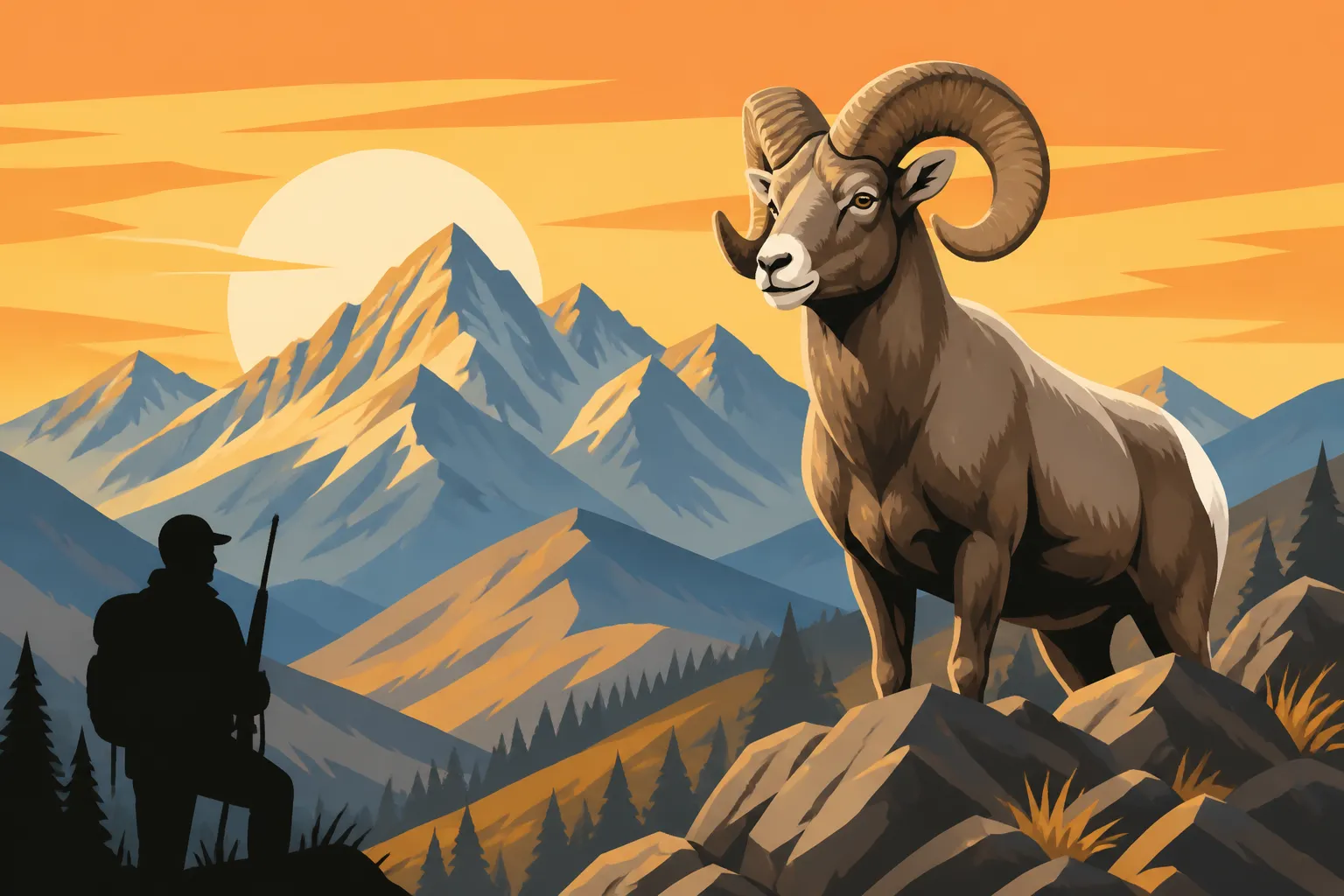
At first glance, both bighorn subspecies share that classic muscular build, short tawny coat, and incredible climbing prowess. However, there are subtle yet important differences that set the Rocky Mountain bighorn apart. Rocky Mountain rams typically boast heavier, more massive horns that often form a tighter curl against their head, appearing more robust and sometimes darker. Their body size can also be slightly larger on average compared to their California counterparts, which tend to be a bit more slender with horns that flare out a bit wider from the head. The facial features might also seem a touch broader on a Rocky Mountain bighorn, giving them a truly formidable presence that perfectly suits the dramatic peaks they inhabit. Both, of course, have that distinctive white rump patch, a natural signal flag for their herd mates as they navigate perilous terrain.
Geographic Distribution in Oregon
When it comes to where you'll find these incredible animals in Oregon, the lines are pretty distinct. The California bighorn sheep are primarily found in the rugged, arid canyonlands and rimrock country of Eastern Oregon's high desert. Think of places like the John Day River, the Owyhee Breaks, and the areas around Steens Mountain. Their habitat is characterized by sparse vegetation, steep volcanic cliffs, and generally lower elevations compared to their cousins. On the other hand, the Rocky Mountain bighorn sheep, the focus of our discussion, are almost exclusively found in the majestic, high-elevation, alpine terrain of the Wallowa Mountains in Northeast Oregon. This means the hunt for a Rocky Mountain bighorn is fundamentally different – trading the desert heat for alpine cold, and sagebrush for subalpine fir. You can learn more about the other subspecies in our guide on California Bighorn Sheep in Oregon's Canyon Country.
Historical Context and Reintroduction
Oregon's bighorn sheep populations faced a devastating decline in the late 19th and early 20th centuries, largely due to disease contracted from domestic sheep, overhunting, and habitat loss. It's a sad chapter in our state's wildlife history, but thankfully, dedicated conservation efforts have brought these magnificent animals back from the brink. The reintroduction of Rocky Mountain bighorn sheep to the Wallowas began in the mid-20th century, with animals transplanted from other states like Idaho and Montana. These efforts were painstaking, involving trapping, relocation, and careful monitoring. The goal was not just to bring them back, but to establish self-sustaining, healthy herds capable of thriving in their ancestral homelands. These reintroduction programs, alongside strict management by the Oregon Department of Fish and Wildlife (ODFW), are why we even have the opportunity to pursue these once-in-a-lifetime tags today. It’s a testament to what dedicated conservation can achieve, though challenges remain.
Where to Find Rocky Mountain Bighorns in Oregon: The Wallowa Connection
If you're dreaming of a Rocky Mountain bighorn hunt in Oregon, your gaze absolutely must turn to the Wallowa Mountains. This stunning range, often called "Oregon's Little Switzerland," is the heart and soul of the state's Rocky Mountain bighorn population. The terrain here is unlike almost anywhere else in Oregon, presenting a unique set of challenges and rewards for the intrepid hunter.
The Eagle Cap Wilderness and Hells Canyon
The vast majority of Oregon's Rocky Mountain bighorn sheep call the rugged confines of the Eagle Cap Wilderness and the adjacent Hells Canyon complex home. The Eagle Cap Wilderness, part of the Wallowa-Whitman National Forest, is a designated wilderness area, meaning no motorized vehicles or mechanized equipment are allowed beyond designated trailheads. This is truly wild country, characterized by jagged granite peaks, glacial cirques, deep valleys, and pristine alpine lakes. Bighorn sheep thrive in these high, exposed areas, using the steep terrain as a natural defense against predators. Hunters venturing into this area for sheep will often be deep into the backcountry, far from roads and services, necessitating serious physical preparation and robust packing plans, perhaps even considering Horse and Llama Packing Into Oregon Backcountry.
On the eastern edge of the Wallowas, the dramatic depths of Hells Canyon, carved by the Snake River, also harbor significant bighorn populations. Here, the landscape transitions from alpine peaks to extremely steep, often brushy canyon walls that drop thousands of feet to the river below. Access into Hells Canyon can be incredibly difficult, often requiring boat travel up the Snake River or arduous hikes down from the rim. Both the Eagle Cap and Hells Canyon present their own distinct, formidable hunting environments, each demanding a different set of skills and strategies. For more detailed access information, you might find our guides on Eagle Cap Wilderness Hunting Access and Hells Canyon Access for Oregon Hunters particularly useful.
Habitat Preferences: Steep, Rugged Terrain
Rocky Mountain bighorn sheep are quintessential mountain dwellers, biologically wired for extreme, vertical environments. Their ideal habitat consists of steep, rocky slopes, cliffs, and broken terrain that offer both excellent visibility for spotting predators and immediate escape cover. They prefer areas with a mosaic of open grassy slopes, which provide prime foraging opportunities, interspersed with rocky outcrops and cliffs for bedding and escape. These are not animals you'll typically find lingering in dense timber or flat, open valleys. They feel most secure when they have an unimpeded view of their surroundings and a quick, steep path to safety.
During summer months, they often ascend to the highest alpine meadows, enjoying the cooler temperatures and abundant forage. As winter approaches and snow depths increase at higher elevations, they will migrate to lower, often south-facing slopes where snow melts faster, exposing critical forage. This seasonal movement pattern is crucial for hunters to understand when planning a hunt, as it dictates where the sheep might be found at different times of the year.
Seasonal Movements and Water Sources
Understanding the seasonal movements of Rocky Mountain bighorns is paramount for a successful hunt. In late spring and summer, after lambing, ewes and lambs often utilize high-elevation alpine basins and ridgelines. Rams, on the other hand, might form bachelor groups and range across even higher, more isolated peaks. As the temperatures climb, access to reliable water sources becomes incredibly important. While they are adapted to arid conditions, bighorns still need to drink regularly. Springs, snowmelt, and alpine lakes become natural congregation points, especially in dry years.
Come fall, leading into the rut, rams become more active, moving more widely in search of ewes, often descending slightly from their highest summer haunts but still favoring steep terrain. When deep snow blankets the high country in winter, entire herds will move to lower, windswept ridges and south-facing slopes to find forage and avoid being trapped by snow. These wintering grounds are often distinct from their summer range and are critically important for their survival. Knowing where these animals will likely be during different seasons, and always considering proximity to water in the dryer months, is key to narrowing down your search in such a vast wilderness.
Understanding Rocky Mountain Bighorn Behavior and Ecology
To truly appreciate these magnificent animals and increase your chances of finding them, it’s not enough to just know where they live; you need to understand how they live. Rocky Mountain bighorn sheep have evolved a fascinating set of behaviors and adaptations that allow them to thrive in some of the most unforgiving landscapes in Oregon.
Social Structure and Ram Dynamics
Bighorn sheep are highly social animals, typically living in segregated herds for much of the year. Ewes, lambs, and yearlings form nurseries, led by older, experienced ewes. These groups are constantly on the move, grazing and staying vigilant against predators. Rams, particularly the mature ones, tend to form separate bachelor herds. These ram groups are often smaller, consisting of anywhere from a few individuals to a dozen or more, and they frequently inhabit even more remote and rugged terrain than the ewe groups.
The dynamics within ram herds are heavily influenced by age and horn size. Older rams with impressive horn development command the most respect. During the rut, typically in November and December, these separate groups merge. This is when the spectacular head-butting contests, for which bighorns are famous, occur. Rams will charge each other at high speed, colliding with immense force to establish dominance and breeding rights. These clashes can last for hours, and the sound echoes through the mountains. For a hunter, understanding these social structures helps in predicting where you might find rams outside of the rut, often in those higher, more secluded pockets.
Diet and Foraging Habits
Rocky Mountain bighorn sheep are primarily grazers, meaning their diet consists predominantly of grasses and forbs (broad-leafed plants). They are incredibly efficient at digesting tough, fibrous plant matter. In the Wallowas, their diet will include a variety of native mountain grasses, sedges, and alpine wildflowers. They are opportunistic feeders, however, and will browse on shrubs and small trees if preferred forage is scarce, especially in winter.
Their foraging habits are closely tied to the availability of nutritious plants and their need for safety. They often graze in open areas adjacent to steep escape terrain, constantly lifting their heads to scan for danger. They're particularly fond of areas with good visibility where they can see for miles. Their short, muscular necks and flexible lips allow them to efficiently crop vegetation close to the ground. This combination of specialized diet and predator awareness defines their daily life in the mountains.
Breeding Season and Lambing
The breeding season, or rut, for Rocky Mountain bighorns typically kicks off in late autumn, usually beginning in November and extending into December. During this period, rams will join the ewe herds, and the fierce competition for breeding rights intensifies. The dramatic head-butting contests, which often awe wildlife observers, are a key part of this ritual, determining which rams pass on their genetics. These battles, though brutal, are rarely fatal due to their incredibly thick skulls and specialized shock-absorbing bone structure.
Lambing occurs in the spring, usually between April and June, often depending on elevation and snowmelt. Ewes seek out the most inaccessible and rugged cliff faces and rock ledges to give birth, providing maximum protection for their vulnerable newborn lambs from predators like cougars, coyotes, and eagles. These nursery areas are chosen for their extreme inaccessibility, which helps boost lamb survival rates. A ewe will typically give birth to a single lamb, though twins are occasionally observed. The lambs are remarkably precocious, able to stand and follow their mothers within hours of birth, a necessity for survival in their harsh environment. Knowing these crucial times in their life cycle helps in understanding herd dynamics and the overall health of the population.
The Challenges of Hunting Rocky Mountain Bighorn in Oregon
Drawing an Oregon Rocky Mountain bighorn tag is literally a once-in-a-lifetime opportunity for residents, and an incredibly rare feat for non-residents. But getting the tag is only the first, albeit monumental, step. The hunt itself is an entirely different beast, presenting some of the most demanding challenges an Oregon hunter can face.
Extreme Physical Demands
Hunting Rocky Mountain bighorn sheep is not for the faint of heart or the out of shape. The Wallowa Mountains are incredibly steep, with vast elevation changes, rocky scree slopes, and often no trails in the prime sheep habitat. You'll be climbing thousands of feet, often at high altitudes, carrying a heavy pack. This isn't just a physical test; it's a mental marathon. You need to be prepared for multi-day excursions into remote wilderness, often in unpredictable weather conditions that can swing from sunny and mild to frigid and snowy in a matter of hours.
Many hunters spend months, even years, training specifically for this kind of exertion. It involves rigorous cardio, strength training, and, ideally, plenty of time hiking with a weighted pack in steep terrain. If you're not accustomed to sustained physical effort at elevation, you will quickly find yourself at a severe disadvantage. The "trophy" isn't just the ram; it's proving to yourself that you can conquer the mountain. Our article on Physical Training for an Oregon Elk Hunt offers great advice that can be adapted for a sheep hunt.
Navigating Roadless Country
As mentioned, much of the prime Rocky Mountain bighorn habitat in the Wallowas lies within the Eagle Cap Wilderness or equally rugged roadless areas of Hells Canyon. This means you won't be driving your truck to your glassing knob or setting up a comfortable camp just off a forest road. Access involves backpacking in, often for many miles, from designated trailheads. You'll be relying on maps, a GPS, and your own navigation skills in terrain that can be challenging to traverse, even with a clear trail.
Packing in all your gear—tent, sleeping bag, food, water, spotting scope, rifle—for a multi-day hunt requires careful planning and efficient packing. Every ounce counts. If you're successful, the pack out will be even more strenuous, with hundreds of pounds of meat, cape, and horns to transport. For many, a bighorn hunt means completely embracing the backcountry experience, where self-sufficiency and wilderness skills are just as important as hunting prowess. This is where detailed E-Scouting Oregon Units With Satellite Imagery becomes vital, allowing you to plan your routes and potential camping spots long before you ever set foot on the mountain.
Spotting and Stalking in Vertical Terrain
Bighorn sheep blend incredibly well into their rocky surroundings, and their acute eyesight makes them masters of detection. Spotting a ram, even a mature one with impressive horns, can be a monumental challenge. You'll spend countless hours behind your optics, systematically dissecting every rockslide, every ridgeline, and every patch of scattered timber. High-quality binoculars and a powerful spotting scope are absolutely non-negotiable tools.
Once a ram is spotted, the stalk begins, and this is where the vertical terrain truly tests a hunter. You'll need to use every natural fold, every rock, and every bit of sparse vegetation for cover. Stalks can involve ascending or descending incredibly steep slopes, crossing treacherous scree fields, or traversing exposed ledges. A successful stalk often means navigating terrain that would intimidate many hikers, all while trying to maintain silence, control your breathing, and keep the wind in your favor. Furthermore, estimating range and shot angles in such dramatic, broken country requires extensive practice and a keen understanding of ballistics, as what looks like a relatively flat shot can often be severely angled.
Conservation Efforts and Herd Health
While Rocky Mountain bighorn sheep are thriving in certain areas of the Wallowas, their existence is far from problem-free. These magnificent animals face ongoing threats, and dedicated conservation efforts by ODFW and partner organizations are crucial to maintaining and growing healthy herds. For any hunter interested in these animals, understanding their conservation status is essential.
Pneumonia Die-Offs and Their Impact
Perhaps the single greatest threat to bighorn sheep populations in Oregon and across the West is respiratory disease, particularly bacterial pneumonia. This disease is often introduced to wild bighorn herds through contact with domestic sheep, which carry bacteria (like Mycoplasma ovipneumoniae) that are benign to them but lethal to bighorns. When an outbreak occurs, it can decimate a bighorn herd, especially lambs, with mortality rates sometimes reaching 90% or higher.
The impact of pneumonia die-offs is devastating, setting back decades of conservation efforts in a single season. Not only does it kill animals, but survivors often become carriers, leading to chronic disease and poor lamb survival in subsequent years. ODFW rigorously monitors bighorn herds for signs of disease and implements management strategies to prevent contact between wild and domestic sheep, but it remains an uphill battle. This is a topic thoroughly explored in our article, Pneumonia in Oregon Bighorn Herds.
Habitat Protection and Restoration
Beyond disease, habitat loss and fragmentation also pose challenges to bighorn sheep. While the Wallowas offer vast tracts of suitable terrain, maintaining the quality and connectivity of this habitat is critical. Conservation efforts focus on protecting key wintering ranges, lambing grounds, and migration corridors. This can involve working with private landowners, implementing controlled burns to improve forage quality, and ensuring that human development or recreational activities don't unduly disturb critical areas.
Restoration projects might include removing encroaching conifers to maintain open vistas and forage, or improving water sources in dry areas. These efforts ensure that the bighorn sheep have access to the resources they need year-round, helping to support robust, healthy populations. These kinds of habitat initiatives are often long-term and require continuous commitment from various stakeholders.
Management Strategies by ODFW
The Oregon Department of Fish and Wildlife (ODFW) employs a multi-faceted approach to manage Rocky Mountain bighorn sheep. This includes:
- Population Monitoring: Regular aerial surveys, ground counts, and radio-collaring projects are used to estimate herd sizes, lamb survival rates, and overall herd health. This data is critical for making informed management decisions, which is highlighted in our piece on Oregon Wildlife Disease Surveillance.
- Disease Management: Strict protocols are in place to prevent contact between wild and domestic sheep. This might involve spatial separation, fencing, and even targeted culling of affected bighorn herds in extreme cases to prevent wider spread.
- Regulated Hunting: Limited hunting opportunities, like the extremely rare Rocky Mountain bighorn tags, are a key management tool. The harvest of mature rams helps to maintain a healthy age structure within the herd, and the funds generated from tag sales directly support bighorn conservation efforts.
- Public Education: ODFW also works to educate the public about bighorn conservation, the importance of minimizing disturbance, and the risks associated with domestic sheep contact.
These strategies collectively aim to ensure the long-term viability and health of Oregon's Rocky Mountain bighorn sheep populations, so future generations can continue to marvel at these incredible animals.
Applying for a Rocky Mountain Bighorn Tag in Oregon
So, you've decided to chase the dream of a lifetime and apply for an Oregon Rocky Mountain bighorn sheep tag. Be prepared for a long wait and minuscule odds, but don't let that deter you. The possibility, however remote, is what keeps the dream alive. Understanding the application process and what you're up against is critical.
The Oregon Draw System
Oregon's big game tag allocation, including for bighorn sheep, operates through a controlled hunt draw system. This is not an over-the-counter tag; you must apply. The application period is typically in the spring, with a firm deadline around May 15th each year. You submit your application online through the ODFW licensing system, making your unit choices and paying a non-refundable application fee. For bighorn sheep, and other special species like mountain goat, these are "once-in-a-lifetime" tags. This means if you are fortunate enough to draw and harvest a bighorn sheep (or mountain goat), you can never apply for or harvest that species again in Oregon. This makes the tag even more precious and the decision of which unit to apply for incredibly weighty. The process is explained in more detail in our guide on the Oregon Controlled Hunt Draw Explained.
Odds and "Once-in-a-Lifetime" Status
Let's be brutally honest: the odds of drawing a Rocky Mountain bighorn tag in Oregon are incredibly low. We're talking about single-digit percentages, often less than 1%. For non-residents, these odds are even more astronomical due to a cap on nonresident tags. For example, in recent years, Oregon might offer only a handful of Rocky Mountain bighorn tags across a few units. When you consider that thousands of hunters apply annually for these precious few tags, you can quickly see the challenge.
The "once-in-a-lifetime" status attached to these tags is a double-edged sword. On one hand, it ensures that more hunters get a chance at this unique experience over time, as a successful draw permanently removes you from the pool for that species. On the other, it means you only get one shot at the harvest of a lifetime. This rarity is part of what makes the pursuit so special and so revered among hunters. You can dive deeper into the odds in our article, Oregon Sheep Draw Odds for Residents. For perspective, you might even look at Oregon Mountain Goat Draw Odds to compare similar rarity.
Maximizing Your Chances
Given the long odds, what can you do to maximize your chances?
- Consistent Application: The most fundamental strategy is simply to apply every single year. While Oregon's bighorn draw doesn't use a traditional preference point system like deer or elk, consistency ensures you're always in the running.
- Research Unit History: Pay close attention to the previous year's draw statistics. While these tags are "once-in-a-lifetime" and don't accrue points, understanding which units are typically offered and how many tags are allocated can inform your choices. Some units may offer slightly better odds than others, simply due to the number of tags available.
- Utilize Data Resources: This is where resources like GoHunt come into play. Platforms like GoHunt aggregate draw data, success rates, and unit information, allowing you to analyze trends and make the most informed decision possible. While they can't magically give you a tag, they provide invaluable insights into draw odds and unit characteristics that can help you strategize.
- Consider Party Applications (Carefully): While party applications exist for some controlled hunts, the once-in-a-lifetime nature of sheep tags means careful consideration here. If you apply as a party, and one member draws, the entire party gets the tag, and everyone loses their ability to apply for that species again. This is typically reserved for very close hunting partners who are equally committed.
- Stay Informed: Always check the most current ODFW hunting regulations pamphlet for any changes to unit boundaries, tag numbers, or application rules. These can change year to year, especially with the recent shift to herd ranges in Oregon. Information on Oregon Bighorn Sheep Tag Numbers will be in the annual regulations.
Drawing a Rocky Mountain bighorn tag is a true triumph, the culmination of years of dreaming and applying. If that day ever comes, you'll embark on one of the most physically and mentally challenging, yet ultimately rewarding, hunts Oregon has to offer.
| Feature | Rocky Mountain Bighorn Sheep | California Bighorn Sheep |
|---|---|---|
| Primary Range | Wallowa Mountains (Northeast Oregon) | Arid canyonlands, high desert (Eastern Oregon) |
| Typical Habitat | High-elevation alpine, granite peaks, cirques | Lower elevation rimrock, volcanic cliffs, sagebrush |
| Horn Appearance | Heavier, more massive, often tighter curl | Generally lighter, often flare wider from head |
| Body Size | Tend to be larger and more robust | Slightly more slender on average |
| Historic Return | Reintroduced from other states (e.g., ID, MT) | Reintroduced, also from internal translocations |
| Hunting Unit Examples | Wallowa, Hells Canyon units | John Day, Owyhee, Steens units |
| Conservation Concerns | Pneumonia, habitat connectivity | Pneumonia, habitat degradation, water access |
Disclaimer
Please remember that hunting regulations, seasons, and tag allocations can change. Always consult the most current Oregon Department of Fish and Wildlife (ODFW) regulations pamphlet before planning any hunt. This guide is for informational purposes only and should not replace official ODFW resources. Be safe, ethical, and responsible in all your outdoor pursuits.