California Bighorn Reintroduction in Oregon
The allure of hunting in Oregon often conjures images of majestic elk or wily blacktail deer. However, for a select few, the dream revolves around a truly elusive prize: the bighorn sheep. Many hunters might not even realize that Oregon is home to these incredible animals, let alone understand the epic journey of their reintroduction and the delicate balance of their survival. This guide aims to pull back the curtain on the inspiring, often challenging, story of California Bighorn reintroduction in Oregon, offering a comprehensive look at their past, present, and the hope for their future in our state's wild landscapes.
The Return of Giants: A History of California Bighorn in Oregon
It's hard to imagine Oregon's rugged, high desert landscapes without the iconic sight of a bighorn ram silhouetted against a rocky ridge. Yet, for a significant period, this was almost our reality. The story of California Bighorn in Oregon is one of near-total loss and a painstaking, decades-long effort to bring them back.
Original Decline and Near Extinction
To truly appreciate the bighorn's return, we first need to understand what led to their disappearance. Historically, California Bighorn sheep thrived across much of eastern Oregon's arid, rocky country. Old records and anecdotal accounts paint a picture of scattered but healthy herds. However, the arrival of European settlers in the 19th century brought a wave of devastating changes. A primary culprit was the introduction of domestic sheep. These animals, while valuable to early settlers, carried diseases like pneumonia, to which wild bighorns had no natural immunity. When wild sheep encountered infected domestic flocks, often sharing scarce water sources or grazing areas, the results were catastrophic.
Beyond disease, unregulated hunting in the early days, before modern wildlife management practices were in place, also took its toll. Coupled with increasing human settlement, which fragmented habitat and encroached upon traditional bighorn ranges, the populations dwindled rapidly. By the early 1900s, California Bighorn were virtually extirpated from Oregon. It was a stark reminder of how quickly even the most resilient species can vanish without careful stewardship.
Early Reintroduction Efforts
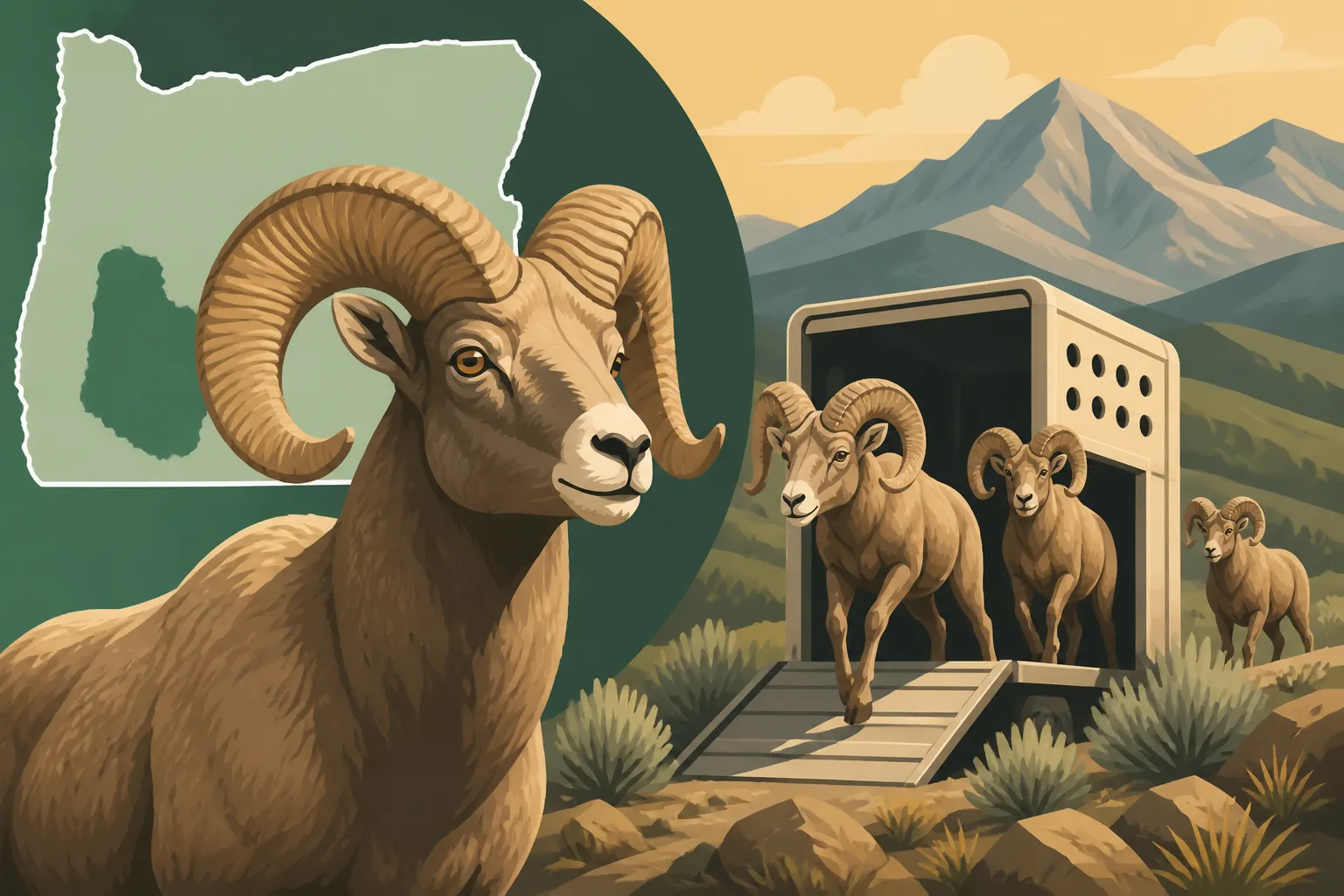
The dream of seeing bighorn sheep back on Oregon's cliffs didn't fade, though. Dedicated conservationists and wildlife managers recognized the ecological and aesthetic importance of these animals. The first significant stride towards reintroduction came in the 1950s. The Oregon Department of Fish and Wildlife (ODFW), working with other state agencies, embarked on an ambitious plan to re-establish herds. The initial stock for these efforts often came from healthy populations in other Western states, such as British Columbia. Imagine the logistical challenge: capturing wild sheep, transporting them across vast distances, and releasing them into new, carefully chosen habitats.
These early reintroductions weren't always smooth sailing. There were steep learning curves involved in selecting suitable release sites, understanding the sheep's immediate needs in a new environment, and mitigating potential threats. Each release was a scientific experiment, with biologists meticulously monitoring survival rates, dispersal patterns, and reproductive success. It was a true testament to long-term vision and commitment, knowing that success wouldn't be overnight.
Key Release Sites and Founding Herds
Over the decades, ODFW and its partners strategically released bighorns into various parts of eastern Oregon that offered the ideal combination of rugged terrain, escape cover, and quality forage. Some of the most iconic and successful reintroduction areas include the breathtaking John Day River Canyon and the wild, remote Owyhee Canyonlands. These areas provided the steep, broken terrain that bighorns need for predator evasion and the diverse forage of native grasses and forbs they rely on.
Other significant sites, like the Burnt River Canyon and portions of the Hells Canyon complex, also became homes for founding herds. These locations, with their minimal human disturbance and ample high-quality habitat, gave the sheep the best possible chance to establish self-sustaining populations. The success in these core areas slowly but surely led to the expansion of bighorn range, a visible sign that the painstaking reintroduction efforts were indeed paying off, allowing these magnificent animals to reclaim their ancestral lands.
Biology and Behavior of Oregon's California Bighorns
Understanding the biology and unique behaviors of California Bighorn sheep is key to appreciating their resilience and the specific challenges of managing their populations. They are truly marvels of adaptation, perfectly suited to their rugged, arid homes.
Distinguishing California Bighorns
While many might simply think of "bighorn sheep," there are actually several subspecies across North America. In Oregon, we primarily have California Bighorn sheep (Ovis canadensis californiana) in the drier, eastern regions, and a smaller population of Rocky Mountain Bighorn sheep (Ovis canadensis canadensis) in the Wallowa Mountains. The two are distinct. California Bighorns tend to be a bit smaller than their Rocky Mountain cousins, with a lighter coat color that can range from a light brown to a grayish-tan, often with a darker stripe along their back.
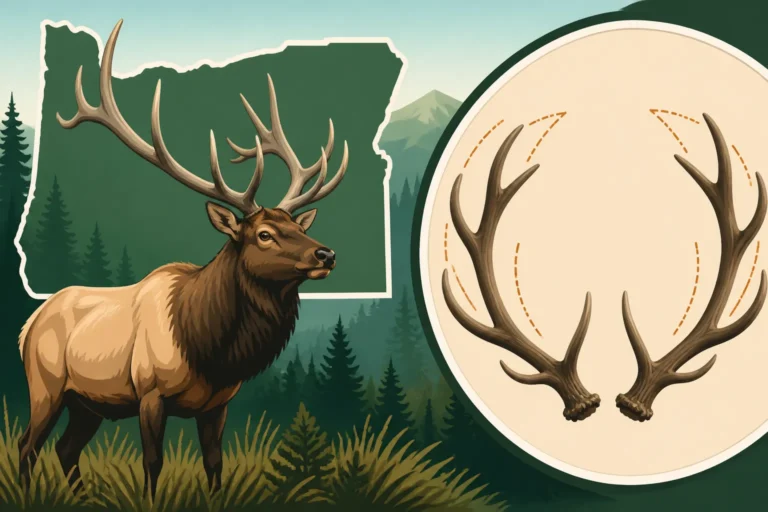
Perhaps the most striking difference is in their horns. While both sexes have horns, those of the rams are legendary. California Bighorn rams grow impressive, tightly curled horns that can complete a full curl by the time they are mature. These horns are not just for display; they are critical in dominance displays and spectacular head-butting contests during the rut. As hunters often note, the Bighorn Ram Horn Growth Rings tell a precise story of the animal's age and life history. Ewes have much smaller, straighter horns that are more like daggers. Beyond the physical, there are subtle behavioral differences too, often tied to their specific habitat.
Habitat Preferences and Adaptations
California Bighorns are masters of their high desert domain. Their primary habitat preference is steep, rocky, open terrain with abundant escape cover in the form of cliffs, bluffs, and broken ground. This type of landscape is their fortress against predators like Cougars in Oregon After the Hound Ban and coyotes. They use their incredible agility and keen eyesight to navigate seemingly impossible inclines, finding refuge where other animals cannot follow.
They are also highly adapted to arid environments. While they need water sources, they can survive on surprisingly little and are adept at finding isolated seeps and springs. Their diet consists mainly of grasses, forbs, and shrubs, which they graze and browse on throughout the year. Their hooves, with their rough, pliable soles, provide exceptional grip on slick rock, allowing them to traverse treacherous slopes with remarkable ease. This specialized foot structure is a testament to millions of years of evolution in demanding environments.
Seasonal Movements and Herd Dynamics
Bighorn sheep, like many large ungulates, exhibit seasonal movements, though these are often dictated by forage availability and snow depth rather than long-distance migrations. During the spring and summer, they typically disperse into higher elevations or more verdant areas to take advantage of lush growth. Rams and ewes often segregate into separate bands for much of the year, with ram bands typically forming smaller groups and ranging more widely, while ewe bands stick together with their lambs for protection.
As fall approaches and the rut begins, usually from October into December, ram bands seek out ewe bands. This is when the famous head-butting contests occur, determining dominance and breeding rights. Once the rut concludes, the sheep will typically move to lower elevation winter ranges, often south-facing slopes that shed snow quickly, allowing access to critical forage during the leanest months. The tight social structure of the ewe and lamb bands, especially, provides a collective defense against predators and helps in foraging efficiency.
Challenges and Successes in Reintroduction and Management
Bringing California Bighorns back to Oregon has been a monumental success story, but it's also been fraught with persistent challenges. The ongoing management of these herds requires vigilance, scientific understanding, and a willingness to adapt.
Disease Threats: The Persistent Battle
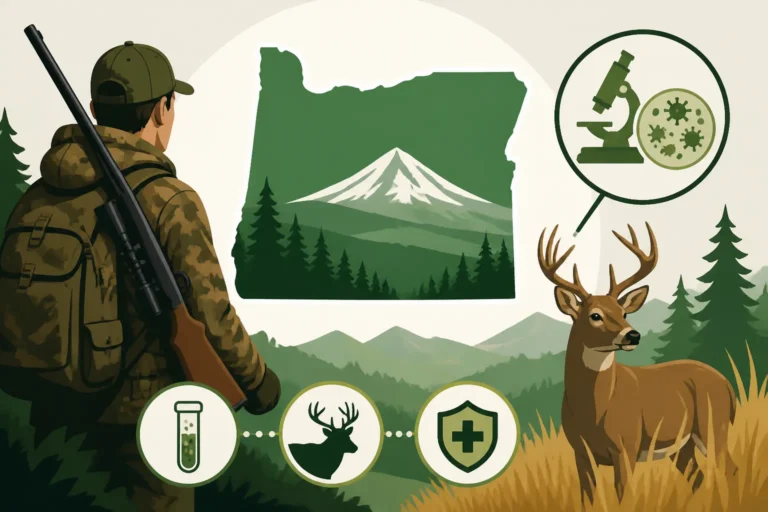
The single greatest threat to bighorn sheep populations, both reintroduced and long-standing, remains disease, particularly pneumonia. This isn't just a minor cold; it's a devastating respiratory illness that can wipe out entire herds, especially lambs. The primary source of these outbreaks, as tragically demonstrated historically, is often contact with domestic sheep that carry certain bacteria (Mycoplasma ovipneumoniae) without showing symptoms. Wild bighorns have no immunity to these strains.
When a domestic sheep and a bighorn share a water source, graze in adjacent areas, or simply come into close proximity, the disease can jump species. Once introduced to a bighorn herd, it spreads like wildfire. ODFW and other agencies have invested heavily in understanding and preventing these outbreaks. This includes strict separation protocols, testing of bighorn herds, and, in some extreme cases, even targeted removal of sick animals to try and stop the spread. The constant threat of Bighorn Pneumonia Die-Offs in Oregon is a stark reminder of why managing interactions between domestic and wild sheep is absolutely critical to the bighorn's future. It's a complex, often politically charged issue, but one that is paramount for their survival.
Predation and Other Mortality Factors
While disease is the most significant hurdle, bighorns also face natural predation. Lambs are particularly vulnerable to coyotes and eagles, while adult sheep can fall prey to cougars. The rugged terrain they inhabit helps them evade predators, but it doesn't eliminate the risk entirely. ODFW actively monitors predator populations in bighorn ranges to ensure a healthy Predator Prey Balance in Oregon Units.
Beyond disease and predation, other mortality factors exist. Accidents on steep terrain, especially for lambs, can occur. Severe winters can also take a toll, especially on older animals or those in poor condition. Human disturbance, though generally minimal in their remote habitats, can sometimes stress herds, particularly during lambing season. Understanding these various mortality factors is crucial for biologists when conducting surveys and estimating herd health, allowing them to implement targeted management strategies.
Habitat Management and Conservation Efforts
The ongoing success of California Bighorn reintroduction isn't just about managing threats; it's also about actively managing and enhancing their habitat. ODFW plays a central role, often in partnership with federal agencies like the Bureau of Land Management (BLM) and the U.S. Forest Service, as well as private landowners and conservation groups. These efforts include projects to improve forage quality, enhance water sources in arid regions, and maintain critical escape terrain.
For example, selective grazing by cattle in certain areas can sometimes benefit bighorns by reducing taller grasses and promoting forbs, which sheep prefer. Prescribed burns can also rejuvenate older vegetation, creating fresh, nutritious growth. Furthermore, ongoing efforts to prevent encroachment of juniper trees into sagebrush steppe habitats are vital, as juniper can reduce valuable forage and impede visibility for bighorns, making them more vulnerable to predators. It’s a holistic approach, recognizing that the health of the habitat directly translates to the health of the herds.
Hunting California Bighorns: A Once-in-a-Lifetime Opportunity
For hunters, drawing a California Bighorn sheep tag in Oregon is often considered the pinnacle of a hunting career—a truly extraordinary achievement that signifies years of dedication and an incredible stroke of luck.
The Rarity of a Bighorn Tag in Oregon
Let's be blunt: bighorn sheep tags in Oregon are exceedingly rare. These are not general season hunts where you can simply purchase an over-the-counter tag. Instead, they are highly controlled, permit-only hunts, with only a handful of tags issued each year across the entire state. The reason is simple: bighorn populations, while growing, are still relatively small and sensitive to harvest pressure. The management goal is always conservation first, ensuring the long-term health and growth of the herds.
For many, applying for a bighorn tag is an annual ritual fueled by hope, even if the odds feel astronomical. It's truly one of those Once-in-a-Lifetime Tags in Oregon: Sheep and Goat opportunities. A successful draw is a testament to the decades of hard work by ODFW and conservation partners, allowing a limited, sustainable harvest that helps fund further conservation efforts.
Application Process and Preference Points
Applying for a bighorn sheep tag in Oregon falls under the state's controlled hunt draw system. To even be considered, you'll need an Oregon hunting license and to pay the Oregon Controlled Hunt Application Fee. While other big game species, like deer and elk, utilize a preference point system that rewards consistent applications, sheep tags are different. As detailed in Why Oregon Sheep Has No Point System, Oregon's bighorn sheep and mountain goat tags are drawn on a pure lottery system. Every applicant has an equal chance, regardless of how many years they've applied. This means a first-time applicant has the same odds as someone who's been applying for 30 years.
This no-point system is often debated among hunters. Some love the pure chance, while others find it frustrating. However, it does mean that anyone, at any time, could draw that coveted tag. Websites like GoHunt provide valuable insights into application strategies and draw odds, helping hopeful hunters navigate this challenging process, though for sheep, it's really just about consistent application. The Oregon Sheep Draw Odds for Residents and Oregon Sheep Draw Odds for Nonresidents underscore just how tough it is to draw one of these tags, making a successful draw even more meaningful.
Ethical Considerations and Conservation Mindset
Drawing a bighorn tag comes with immense responsibility. Hunters are not just pursuing a trophy; they are participating in the careful management of a fragile, reintroduced population. Ethical hunting practices are paramount. This means knowing your target, making a clean shot, and adhering strictly to all regulations. Given the limited number of animals and the difficulty of the terrain, physical fitness is also a major factor. A successful bighorn hunter must be prepared for extreme climbs and potentially long pack-outs.
Beyond the hunt itself, bighorn sheep hunters are often passionate conservationists. A portion of the tag fees directly supports bighorn research and habitat projects. By participating, hunters contribute to the very health of the herds they pursue. It fosters a deep appreciation for the landscape and the animals, transforming the experience into much more than just a harvest. It's a journey into the heart of Oregon's most rugged and wild places, where the spirit of the bighorn reigns supreme.
Monitoring, Research, and the Future of Oregon's Bighorns
The reintroduction of California Bighorn sheep to Oregon is an ongoing story, one that requires continuous scientific inquiry, dedicated monitoring, and adaptive management strategies to ensure their long-term survival and prosperity.
Tracking and Population Surveys
To effectively manage these unique herds, ODFW biologists rely on a variety of sophisticated methods to track individual animals and estimate population numbers. One of the most critical tools is the use of radio collars. Sheep are occasionally captured, often via net-gunning from helicopters, and fitted with collars that transmit signals allowing biologists to pinpoint their locations, track seasonal movements, and monitor survival rates. This data is invaluable for understanding how herds are utilizing their habitat and identifying potential issues.
Beyond individual tracking, regular population surveys are conducted. These often involve aerial surveys, where biologists fly specific routes over known bighorn range, counting animals and classifying them by age and sex (rams, ewes, lambs). This information helps ODFW assess herd health, reproductive success (lamb-to-ewe ratios), and overall population trends. Understanding How ODFW Counts Big Game is crucial for appreciating the data-driven decisions behind tag allocations and habitat projects. These surveys are often challenging, covering vast, inaccessible terrain, but they provide the essential backbone for science-based conservation.
Research into Disease Resistance and Genetics
The persistent threat of pneumonia continues to drive significant research efforts. Biologists and veterinarians are constantly working to understand why some bighorns survive outbreaks while others succumb, hoping to identify genetic markers for disease resistance. Research explores everything from herd genetics to the specific strains of bacteria involved in outbreaks and potential vaccination strategies, although no widely effective vaccine currently exists.
ODFW also collaborates with universities and other wildlife agencies on broader genetic studies. These studies help determine genetic diversity within Oregon's various bighorn herds and understand how isolated populations might benefit from the introduction of new genetic material. Maintaining healthy genetic diversity is vital for a population's long-term resilience to disease and environmental changes. The insights gained from this research directly inform future reintroduction strategies and help mitigate the devastating impact of Why Domestic Sheep Threaten Bighorns.
Expanding Range and Future Reintroduction Potential
The success of reintroduction efforts has led to a slow but steady expansion of the California Bighorn's range in Oregon. While most herds remain concentrated in eastern Oregon's arid, rugged landscapes, ODFW continually assesses new potential habitats. This involves looking for areas with suitable escape terrain, sufficient forage, and, critically, minimal risk of contact with domestic sheep.
The long-term vision is to establish more robust and connected bighorn populations across the state where suitable habitat exists. This might involve additional translocations, moving sheep from thriving herds to establish new, smaller populations in unoccupied areas. However, each potential reintroduction site undergoes rigorous evaluation, weighing the benefits against the risks, particularly concerning disease. The goal is not just to have bighorns present, but to have healthy, self-sustaining herds that can weather environmental challenges and continue to be a vibrant part of Oregon's wild heritage for generations to come.
| Key California Bighorn Reintroduction Sites in Oregon |
|---|
| Location |
| John Day River Canyon |
| Owyhee Canyonlands |
| Burnt River Canyon |
| Hells Canyon Complex |
| Challenges |
| Pneumonia outbreaks |
| Habitat encroachment |
| Predation |
Disclaimer
Please remember that hunting regulations and wildlife management practices can change. Always consult the most current Oregon Department of Fish and Wildlife (ODFW) regulations and publications before planning any hunting activity or making management decisions. This guide is for informational purposes only and should not replace official ODFW resources.