Predator Prey Balance in Oregon Units
It's a question many of us find ourselves grappling with out in the field: why do deer and elk populations fluctuate so much, and what role do predators play in that delicate dance? Understanding the intricate balance between predators and their prey in Oregon's diverse units is crucial for any hunter or wildlife enthusiast. This guide will dive deep into the natural forces, management strategies, and hunter contributions that collectively shape the health and numbers of our beloved game species across the state.
Understanding the Dynamics of Predator-Prey Relationships in Oregon
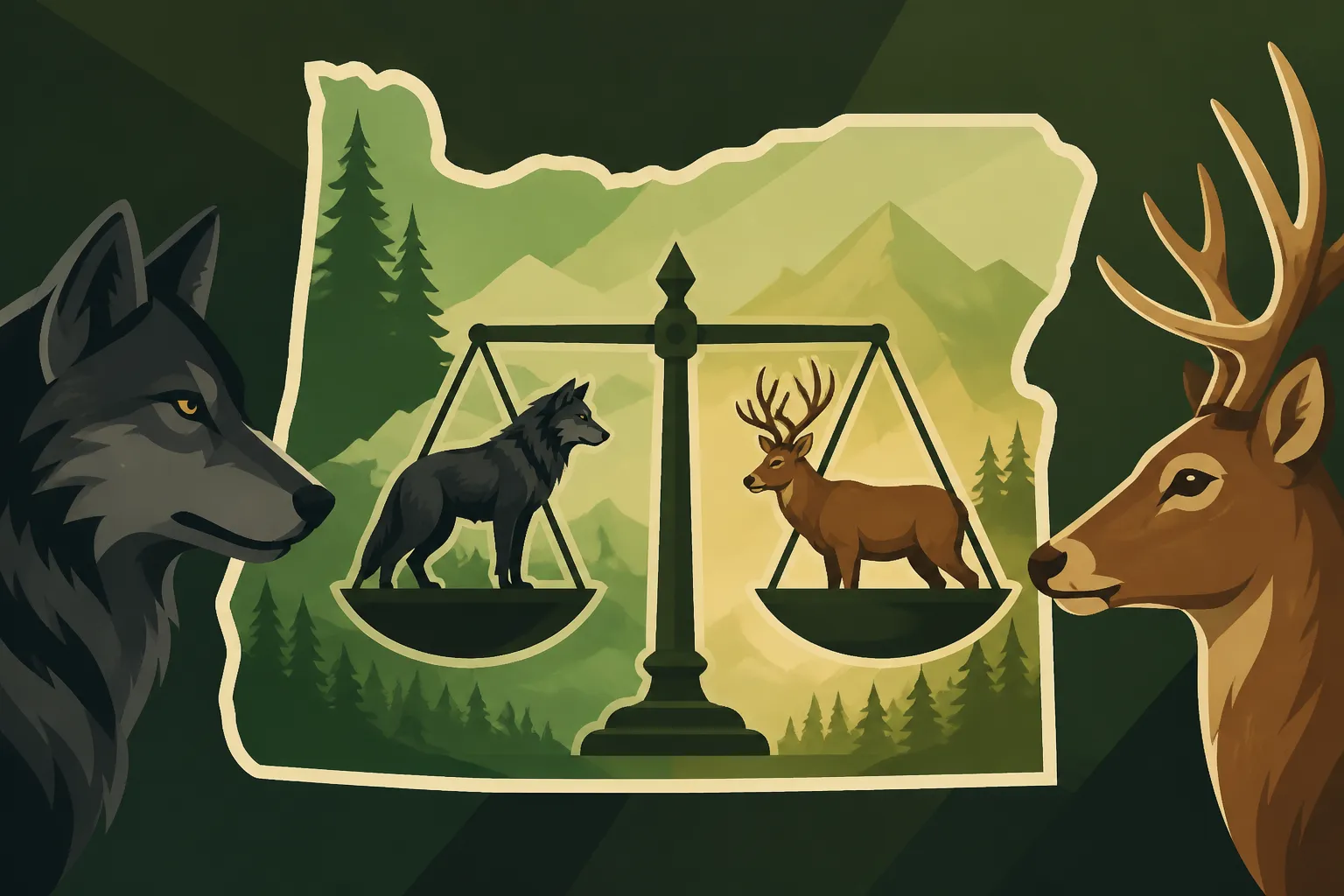
The wild places we cherish are ecosystems, complex webs where every thread—from the smallest mouse to the largest bull elk—is interconnected. In Oregon, the relationship between predators and their prey is a cornerstone of these ecosystems. It's not a simple equation of predator eats prey, and numbers decline. Instead, it's a dynamic interplay influenced by habitat, climate, disease, and human activity, all culminating in a constantly shifting balance that determines the health and resilience of our wildlife populations.
For hunters, this balance directly impacts our experiences and expectations. When prey numbers are low, or heavily pressured, it feels like the wild is out of whack. When predators are perceived as abundant, it's easy to point fingers. But the reality is far more nuanced, and understanding these fundamental dynamics helps us appreciate the bigger picture, not just the snapshot of one season. The health of a herd is often reflected in its ability to withstand predation, which in turn is a reflection of its habitat and overall condition.
Key Predators and Their Impact on Game Species
Oregon is home to a robust suite of predators, each with its own preferred prey and hunting strategies. While wolves get a lot of headlines, they're just one piece of a much larger puzzle. Cougars, bears, and coyotes also exert significant pressure on prey populations, particularly on young or vulnerable animals. Their presence is a natural and necessary component of a healthy ecosystem, culling the weak and ensuring the survival of the fittest.
Consider the cougar, for instance. These stealthy hunters are incredibly efficient, often targeting deer as a primary food source. In areas with high cougar densities, or where deer habitat is fragmented, their impact on local deer populations can be pronounced. Cougar Prey and Deer Herd Impact explores this in more detail. Similarly, black bears, especially in spring, can be significant predators of elk and deer fawns and calves. While adult bears are largely omnivores, a newborn calf makes for an easy meal, which can affect recruitment rates in some areas. Coyotes, too, are opportunistic predators, and while often targeting smaller animals, they can certainly impact fawn and calf survival, especially in open country or during harsh winters.
And then there are wolves. While their presence in Oregon is relatively recent compared to other predators, their return has certainly shifted dynamics in eastern Oregon units. Wolves typically target elk and deer, and their pack hunting strategy can be incredibly effective. Understanding Oregon Wolf Pack Numbers and their distribution is a constant point of discussion among wildlife managers and hunters alike. The impact of any predator is amplified when prey populations are already stressed by other factors like habitat loss, severe weather, or disease, making the assessment of their specific role complex.
Primary Prey Species and Their Vulnerabilities
Oregon's primary big game species—elk, mule deer, and blacktail deer—each have unique vulnerabilities that predators exploit. Elk calves and deer fawns are, by far, the most susceptible to predation. A newborn calf or fawn is small, relatively immobile, and lacks the experience to evade a determined predator. This critical period, usually from birth through their first few months, is when many succumb to predation by bears, cougars, coyotes, and wolves. The survival rate during this time directly influences future herd numbers, often referred to as "fawn recruitment rates" or "calf survival."
Adult animals are not immune, of course. Older, weaker, or injured animals are more likely to be targeted. During harsh winters, when deep snow or extreme cold depletes energy reserves, even healthy adults can become vulnerable. Habitat plays a massive role here; thick cover provides hiding places for young, while open terrain can make them easy targets. For instance, Elk Calf Survival and Predation in Oregon highlights how cover and migratory patterns affect how well calves survive their first few months. The overall health of the herd, which is intrinsically linked to the quality and quantity of available forage and habitat, determines its ability to absorb predation losses without long-term declines.
How Oregon Monitors Predator-Prey Balance
Understanding the intricate relationship between predators and prey isn't just academic; it's fundamental to sound wildlife management. Oregon wildlife agencies, primarily the Oregon Department of Fish and Wildlife (ODFW), invest significant resources into monitoring these populations. It's a challenging task, fraught with variables and often hampered by the sheer scale of Oregon's wild landscapes. They're trying to piece together a complex puzzle with limited pieces, and the public's perception often adds another layer of complexity to their scientific efforts.
For hunters, understanding these monitoring efforts can provide valuable context when interpreting hunt regulations or observed animal numbers. It's not simply guesswork; it's a continuous, data-driven process, even if the data isn't always perfect or immediately obvious to someone scouting a remote basin.
Data Collection and Management Strategies
ODFW employs a variety of methods to collect data on both predator and prey species. For prey, this includes aerial surveys (counting animals from planes or helicopters), ground surveys, trail camera data, and harvest statistics from mandatory hunter reporting. These efforts provide estimates of population size, sex ratios, and fawn/calf recruitment. For instance, in areas like eastern Oregon, understanding Mule Deer Fawn Recruitment Rates is critical to assessing herd health.
Predator populations are often harder to count directly. Agencies rely on methods like track surveys, scat analysis, remote cameras, public sighting reports, and harvest data (for species with hunting seasons like bear and cougar) to estimate populations and distribution. For wolves, radio-collaring and genetic sampling are key components of tracking their numbers and movements. This data helps ODFW understand population trends, identify areas where predator numbers might be impacting prey, and inform management decisions, including setting harvest quotas or establishing protected zones. The goal is to strike a balance that maintains healthy predator populations while ensuring robust game herds for sustained hunting opportunities and ecological well-being.
Challenges in Assessing Population Dynamics
Despite best efforts, assessing predator-prey dynamics is incredibly challenging. One major hurdle is simply counting animals, especially those that are elusive or occupy vast, remote territories. Predators like cougars and wolves are notoriously difficult to survey accurately. Oregon Cougar Population Estimates are often based on modeling and indirect evidence, rather than direct counts, leading to inevitable uncertainties. The dense forests of western Oregon make aerial surveys for blacktail deer and Roosevelt elk far less effective than counting mule deer in open eastern Oregon sagebrush.
Another challenge is isolating specific causes for population changes. If elk numbers decline in a unit, is it primarily due to increased wolf predation, severe winter weather, habitat degradation, disease, or a combination of all these factors? Teasing apart these variables requires long-term studies and sophisticated analysis. Predation, Habitat and Climate on Mule Deer illustrates just how many factors are at play. Additionally, public perception and political pressures can heavily influence management decisions, sometimes diverging from pure scientific recommendations. This is where hunters can contribute by sharing their observations and understanding the data, rather than reacting solely to anecdotal evidence. Online platforms and mapping tools, like those offered by GoHunt, can help hunters better track and visualize unit-specific data released by agencies, putting the bigger picture into perspective.
Hunter's Role and Management Implications
Hunters are not merely consumers of wildlife resources; we are critical stakeholders and active participants in wildlife management. Our harvest directly influences game populations, and our contributions through license fees and excise taxes fund the very research and management efforts discussed above. When we talk about predator-prey balance, hunters are right in the middle of that conversation, often feeling the immediate effects of population shifts.
It’s easy to get frustrated when you're seeing fewer animals, and the blame game starts. But our role extends beyond simply pulling a trigger. It’s about being informed, ethical, and contributing to the overall health of the resource we cherish. Understanding that our actions, both individually and collectively, have implications helps us be better stewards of the land and its wildlife.
The Impact of Harvest on Predator and Prey Populations
Hunter harvest is a significant management tool for both predator and prey species. For prey like deer and elk, regulated hunting seasons help control populations to match available habitat, reduce disease transmission, and maintain healthy age and sex structures within herds. When populations are over-objective, increased tags can help bring them down; when they're under, tag numbers are reduced, or seasons shortened.
For predators, hunting seasons for black bears and cougars are used to manage their numbers and distribution. This isn't about eradication, but about maintaining populations at levels that are in balance with prey availability and human tolerance. For instance, a healthy cougar harvest can sometimes alleviate pressure on local deer herds, especially if those herds are already struggling. However, it's a fine line. Removing too many predators can have unintended consequences, just as allowing numbers to grow unchecked can. The annual regulations are the result of years of data collection and careful deliberation, aiming for a sustainable balance.
Ethical Considerations and Conservation
Beyond the direct impact of harvest, hunters have a profound ethical responsibility in maintaining predator-prey balance. This includes respecting regulations, reporting observed wildlife, and engaging in constructive dialogue about management challenges. Conservation funding, largely driven by hunter dollars, is essential for habitat projects, wildlife research, and enforcement. Many hunters use resources like GoHunt to research units, understand regulations, and prepare for their hunts, all of which contribute to a more informed and ethical approach to hunting.
For example, if you observe a high number of cougar tracks in a specific area, and deer sightings are low, reporting that information can contribute to the larger data set that ODFW uses for its management plans. Similarly, participating in public comment periods for proposed rule changes allows hunter perspectives to be heard. Ultimately, our commitment to ethical hunting and broader conservation efforts directly supports the health of all wildlife, including both predators and prey. Oregon Wildlife Disease Surveillance is another critical area where hunter observations and reporting can make a significant difference.
Regional Variations and Local Unit Differences
Oregon is a state of incredible ecological diversity, and what applies to predator-prey dynamics in the high desert of eastern Oregon might be very different from the dense rainforests of the Coast Range. This regional variation means that wildlife managers can't apply a one-size-fits-all approach. Each hunting unit, or even sub-unit, has its own unique characteristics, habitat constraints, and predator-prey relationships.
A hunter needs to understand these localized differences when planning a hunt. What kind of predator pressure might you expect? What are the primary prey species in that specific habitat? These questions dictate everything from scouting tactics to hunting strategies. Ignoring these regional nuances is like trying to use a map of the Cascades to navigate the Coast Range – you'll get lost quickly.
Eastern Oregon's High Desert Ecosystems
Eastern Oregon, with its vast expanses of sagebrush, juniper forests, and rimrock canyons, presents a different set of predator-prey dynamics. Mule deer are a key prey species here, and they face predation primarily from cougars, coyotes, and, in some areas, wolves. The more open landscape means that mule deer can be more visible, but also more vulnerable in certain situations. Finding Mule Deer in Juniper Draws often means understanding how they use cover to evade predators.
Coyote populations can be quite robust in these open areas, and their impact on fawn recruitment is regularly monitored. Coyote Density in Eastern Oregon can directly influence the success of mule deer herds, particularly when other factors like drought or harsh winters are already stressing the deer. Elk, especially Rocky Mountain elk, also inhabit eastern Oregon, and they too contend with cougars and wolves. The availability of water, quality of forage, and severity of winter weather all play massive roles in determining the resilience of prey populations against predator pressure in this arid region.
Western Oregon's Dense Timber and Coastal Ranges
Move west of the Cascades, and the landscape shifts dramatically to dense, wet timber, rugged mountains, and the unique Coast Range. Here, Roosevelt elk and Columbian blacktail deer are the primary big game species. The thick cover offers different challenges and advantages for both predator and prey. Cougars are still a primary predator, their stealth perfectly suited to the dense undergrowth. Hunting Blacktails in Fog and Drizzle means understanding how these animals move and hide in such terrain, often to avoid detection from both hunters and predators.
Black bears are also more numerous in western Oregon's forested regions, and their impact on elk calves and deer fawns can be significant, particularly during spring green-up. While wolves are less prevalent in western Oregon, cougars and bears exert steady pressure. The challenges for wildlife managers here include the difficulty of surveying animals in dense timber and understanding how logging practices, such as clearcuts, create new habitat, but also new vulnerabilities for prey species. It’s a constant balancing act in these lush, wet environments.
| Predator Species | Primary Prey in Oregon | Impact on Game Species | Regional Presence (General) |
|---|---|---|---|
| Cougar (Puma) | Deer (Mule & Blacktail), Elk (Calves) | Significant impact on deer, especially during vulnerable periods; selective pressure on elk calves and weaker adults. | Statewide; higher densities in forested, rugged terrain. |
| Black Bear | Elk & Deer Calves/Fawns (especially spring), opportunistic on adults | Opportunistic predators, particularly on newborns. Can impact recruitment rates. Also scavengers. | Statewide, abundant in forested areas (Cascades, Coast Range). |
| Gray Wolf | Elk, Deer | Can exert significant pressure on local elk and deer herds, especially in pack-hunting scenarios. | Eastern Oregon (growing presence); some isolated western sightings. |
| Coyote | Deer Fawns, smaller game | Can impact fawn survival, especially in open country or during severe winters. Highly adaptable. | Statewide; very common in eastern Oregon open country. |
Disclaimer
This article is for general informational purposes only and does not constitute professional advice. Laws, prices and regulations vary by location and change over time. Consult a qualified professional for guidance on your specific situation.