Where the Two Elk Subspecies Overlap
One of the most frequent questions I get from hunters, especially those new to the state or exploring different regions, revolves around Oregon's two distinct elk subspecies. It can be genuinely confusing to understand where the mighty Roosevelt elk ends and the robust Rocky Mountain elk begins, and what that even means for your hunt. This guide aims to clear up that geographical mystery, helping you better understand the habitat, behavior, and physical characteristics of these incredible animals across our diverse state.
The Great Divide: Unpacking Oregon's Elk Boundary
Oregon is unique in that it hosts two distinct subspecies of elk: the Roosevelt elk (also known as "Roosies") and the Rocky Mountain elk. While they are both elk, their physical characteristics, preferred habitats, and even their vocalizations can differ significantly. Understanding where these two populations generally separate, and where they might even mingle, is crucial for any serious elk hunter in Oregon.
Highway 97: The Traditional Line in the Sand
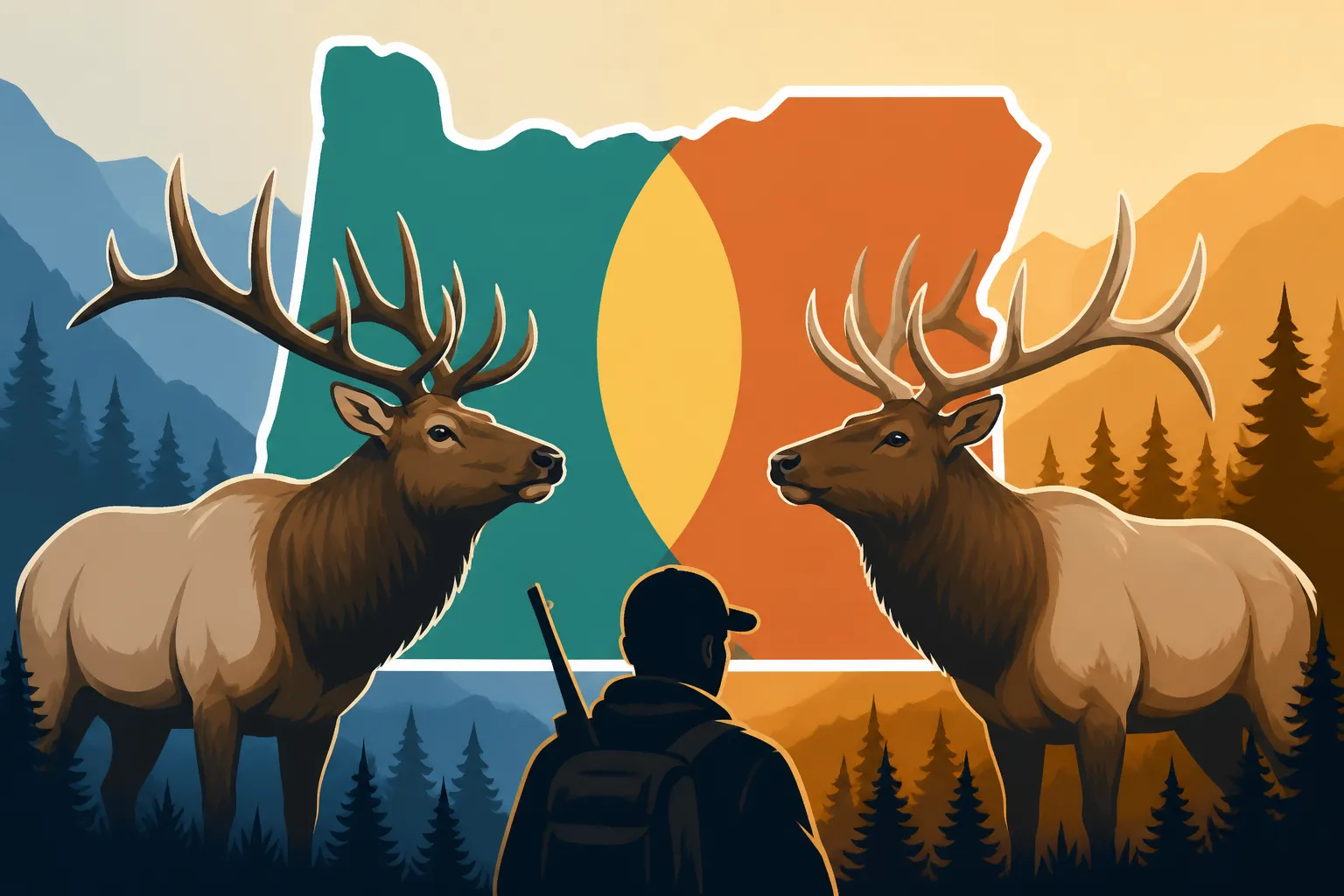
For many years, and still largely held true today, the major geographical feature that divides these two subspecies is U.S. Highway 97. This busy north-south highway essentially runs down the spine of the state, from the Columbia River Gorge in the north all the way to California in the south. West of Highway 97, you're generally in Roosevelt elk country. East of Highway 97, you're looking at Rocky Mountain elk. It's the common answer you'll get from long-time guides and wildlife biologists alike when you ask, "Where Highway 97 Splits Oregon's Two Elk Subspecies."
This isn't just an arbitrary highway; it represents a significant ecological divide. The lands to the west of 97 are typically wetter, more heavily forested with dense timber and coastal rainforests, and often steeper. This is prime Roosevelt habitat. To the east, you transition into the drier, more open landscapes of the high desert, dotted with juniper and sagebrush, and eventually the Ponderosa pine forests of the eastern mountain ranges. This is the domain of the Rocky Mountain elk. Think of it less as a painted line on a map and more as a broad ecological transition zone where the dominant habitat types shift dramatically. This broad distinction helps hunters mentally categorize units and anticipate the type of elk they'll encounter.
Beyond the Pavement: Understanding the Transition Zone
While Highway 97 provides a great general reference, nature doesn't always adhere to human-drawn boundaries. The reality is that the division isn't a hard, impassable wall. Instead, it's more of a gradual transition, a mosaic where influences from both subspecies can be felt. There are areas, particularly where the Cascade Range meets the high desert, where you might find characteristics of both within a relatively close proximity.
Consider the eastern slopes of the Cascades, for instance, where the dense Douglas fir and hemlock forests slowly give way to dryer pine forests and then sagebrush flats. Here, elk from both sides might venture across, especially during seasonal migrations or if pushed by hunting pressure or forage availability. River drainages, like the Metolius or the Deschutes, can also act as corridors that allow some movement. It's in these transition areas that identifying an elk as a pure Roosevelt or a pure Rocky Mountain can become less clear-cut. Hunters spending time in units like the Upper Deschutes or parts of the Paulina unit might witness this blending firsthand, observing animals that seem to carry traits from both worlds. This is where truly understanding the specific unit you're hunting, and perhaps doing some extensive E-Scouting Oregon Units With Satellite Imagery, becomes invaluable. You're not just looking for "elk," you're looking for which type of elk, and what habitat they prefer in that specific area.
Characteristics of Elk in the Overlap Areas
When you venture into these transitional zones, it's helpful to remember the classic distinctions between Roosevelt and Rocky Mountain elk, as even in areas of overlap, these fundamental traits often persist. However, expect some blurring of the lines.
Roosevelt Influence in the West
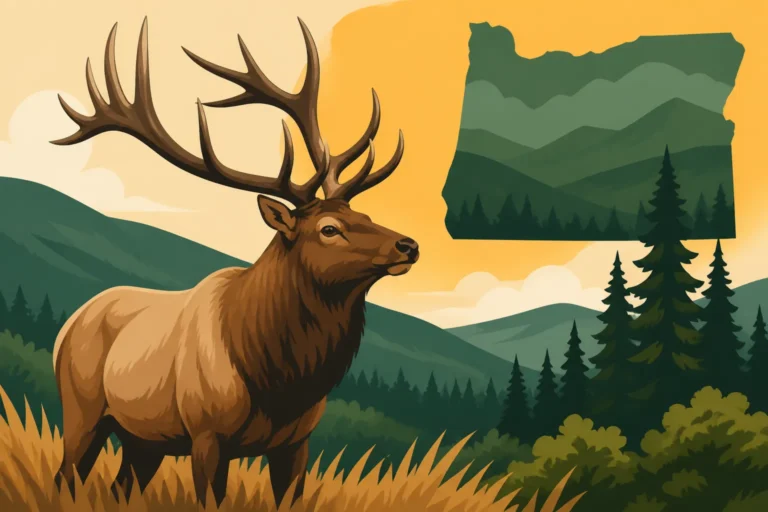
West of the primary divide, Roosevelt elk are kings. They are typically larger-bodied animals, often sporting a darker, sometimes almost chocolate-brown, coat. Their antlers tend to be shorter, thicker, and have heavy main beams, often with fewer, but more robust, points. If you're looking for a good visual, think about the classic "crown" on a big bull, often a hallmark of Roosevelt Bull Body Size and Antler Shape. These elk are perfectly adapted to the dense, wet, and often rugged timber of western Oregon.
In the overlap areas, especially on the western fringes, you'll still see these dominant Roosevelt characteristics. They thrive in thick cover, making them notoriously challenging to hunt. Their primary defense is often to disappear into the tangled undergrowth or drop into steep canyons. When calling, their bugles are often raspier, deeper, and less drawn out than their eastern cousins. Hunters pursuing elk in the western part of the Cascade units, even those bordering Highway 97, should expect to encounter animals that largely conform to the Roosevelt mold. Their movements are often dictated by logging activity, clearcuts, and the availability of nutrient-rich forage in old growth or regenerating timber.
Rocky Mountain Traits in the East
Shift to the east of Highway 97, and you enter the realm of the Rocky Mountain elk. These elk are generally a bit lighter in body size and color, often a tan or yellowish-brown. Their antlers are typically taller, more graceful, and spread wider, with longer, more slender points. The iconic long tines reaching skyward are a common trait in Rocky Mountain Bull Antler Growth in Oregon. They are creatures of more open country, thriving in vast sagebrush flats, juniper woodlands, and the scattered pine forests of the high desert and eastern mountain ranges.
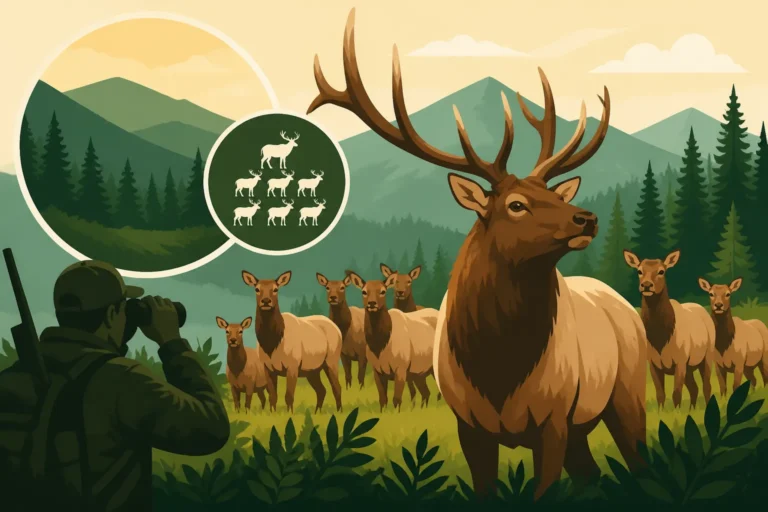
Even in the transition zones, the influence of the Rocky Mountain elk is evident. They often use open areas for feeding, especially during cooler parts of the day, and will bed in the patchy timber or rimrock country. Their bugles are famously higher-pitched, longer, and more melodic, a sound that carries across vast distances, allowing you to often pinpoint a bull from a long way off. Hunting these elk often involves extensive glassing, covering large areas, and being prepared for longer shots. You'll find these characteristics prevalent in units like the Paulina, Maury, and parts of the Grizzly unit. Understanding "How Roosevelt and Rocky Mountain Elk Differ" is more than just academic; it dictates your hunting strategy.
Hybridization and Genetic Blending
The fascinating part about these overlap areas is the potential for hybridization. While the core populations on either side maintain their distinct genetic profiles, individuals moving through the transition zone can interbreed. This means you might encounter an elk with a robust Roosevelt-like body but with a slightly more open, Rocky Mountain-style rack, or vice versa.
Genetic studies have confirmed that while relatively rare, some interbreeding does occur. This blurring of lines can make field identification a real head-scratcher for hunters who are used to clear-cut distinctions. Imagine scouting in a unit like the Metolius or the Upper Deschutes and seeing a bull that just doesn't quite fit either mold. Is it a Roosevelt with an unusually wide rack, or a Rocky Mountain bull with a particularly heavy body? For most hunters, the exact genetic makeup is less important than understanding the general population characteristics of the unit they are hunting and adapting their tactics accordingly. However, for those keen on trophy characteristics or simply fascinated by wildlife, these mixed-trait animals add another layer of intrigue to Oregon's elk landscape.
Hunting Implications in the Overlap Zone
Understanding the overlap between Roosevelt and Rocky Mountain elk isn't just a biological curiosity; it has tangible implications for your hunting strategy, tag choices, and even your gear selection. Being prepared for the potential blend of behaviors and habitats can make all the difference in your success.
Adjusting Tactics to Mixed Habitats
When you're hunting in a transition zone, you can't just rely on one set of tactics. You need a versatile approach, ready for both dense timber and more open country. For instance, if you're in an area where Ponderosa pine forests meet vast clearcuts, you might need to employ skills typically associated with both subspecies. You could find yourself still-hunting slowly through dark timber one moment, trying to catch a glimpse of a Roosevelt-style bull, and then transitioning to a glassing knob overlooking a clearcut, hoping to spot a Rocky Mountain-influenced animal feeding.
This adaptability extends to calling as well. Some hunters in these zones might even carry two types of diaphragms or calls: one for the deeper, raspier Roosevelt sounds and another for the higher-pitched, more drawn-out Rocky Mountain bugles. You never know which might get a response when you're trying to coax a bull into range during Calling Bull Elk During Oregon's Archery Season. A truly hybrid approach means being ready to get tight into the brush, but also having optics capable of surveying distant hillsides. It’s a dynamic environment that rewards flexible, observant hunters.
Tagging Considerations and Unit Boundaries
Oregon's hunt units are meticulously drawn, and your tag will always specify whether you're hunting Roosevelt or Rocky Mountain elk. This is critical. Even if you're hunting in a unit that straddles the general Highway 97 divide, your tag dictates which subspecies you're legally allowed to harvest. For example, a unit might be primarily Roosevelt habitat, but its eastern edge brushes up against areas where Rocky Mountain elk might wander. If your tag is for Roosevelt elk, you must ensure the animal you harvest is indeed a Roosevelt.
This makes understanding unit boundaries and the primary elk populations within them paramount. Always consult the official Oregon Department of Fish and Wildlife (ODFW) regulations and maps for your specific hunt. These regulations specify the hunt number, the unit, and the subspecies. Don't assume that just because you see an elk, it's fair game if it falls into a mixed-species area. Hunters often use tools like GoHunt to cross-reference unit boundaries with historical elk data and habitat types. This helps them understand the predominant elk type in their chosen unit, ensuring compliance and maximizing their chances of success. Ignoring this can lead to serious legal trouble and the forfeiture of your hard-earned tag.
E-Scouting and Planning with Overlap in Mind
Modern hunting tools have made planning for these overlap zones much easier. E-scouting platforms, including those from GoHunt, allow you to study satellite imagery, topographical maps, and public/private land boundaries from the comfort of your home. When focusing on transition areas, pay close attention to changes in vegetation, elevation, and terrain features.
Look for key indicators:
- Dense, dark timber: Suggests Roosevelt preference.
- Open sage flats or scattered junipers: Points to Rocky Mountain habitat.
- Water sources: Essential for both, but how elk approach and use them can differ based on cover availability.
- Logging roads and clearcuts: Often favored by Roosevelt elk for forage access.
- Rimrock and steep canyons: Used by Rocky Mountain elk for bedding and escape.
By overlaying these observations with information on Oregon Elk Herd Numbers by Region and the specifics of your chosen hunt unit, you can develop a more informed strategy. This kind of detailed reconnaissance helps you understand not just where elk are, but which kind of elk you are most likely to encounter, allowing you to pack the right gear, from specialized calls to appropriate Rifle Calibers That Suit Oregon Elk, and prepare mentally for the unique demands of hunting in a mixed-species zone. It also helps tailor your Physical Training for an Oregon Elk Hunt to the specific terrain you'll be navigating.
Elk Subspecies Comparison
To help visualize the general differences, here's a quick comparison of Roosevelt and Rocky Mountain elk traits that hunters often observe:
| Feature | Roosevelt Elk | Rocky Mountain Elk |
|---|---|---|
| Body Size | Larger, heavier build | Slightly smaller, more slender |
| Coat Color | Darker, often chocolate-brown | Lighter, tan to yellowish-brown |
| Antler Shape | Shorter, thicker, heavy main beams, often crowned | Taller, wider spread, longer and more slender points |
| Habitat | Dense, wet timber; rainforests; steep canyons | Open forests (pine), sagebrush flats, rimrock |
| Vocalization | Deeper, raspier bugle, less drawn out | Higher-pitched, more melodic, longer bugle |
| Primary Range | Western Oregon (West of Hwy 97) | Eastern Oregon (East of Hwy 97) |
Remember, this table represents general characteristics. In the overlap zones, you might see animals that exhibit a mix of these traits. This is why thorough scouting and familiarity with your specific hunting unit are so important. Always aim to learn as much as you can about the local population dynamics in the area you plan to hunt.
Disclaimer
This article is for general informational purposes only and does not constitute professional advice. Laws, prices and regulations vary by location and change over time. Consult a qualified professional for guidance on your specific situation.