Blacktail Buck Antler Size
There’s something truly captivating about the antlers of a blacktail buck, isn't there? Every hunter out there, myself included, has spent countless hours wondering just how big a buck's rack can get, especially when you're dreaming of that elusive Oregon giant. It’s a common frustration to see a buck in the timber and struggle to truly gauge its size. This guide will help you understand the factors influencing blacktail antler growth and offer practical tips for estimating size in the field.
The Marvel of Antler Growth: A Seasonal Cycle
Antlers are an incredible biological phenomenon, and for blacktail deer in Oregon, their growth cycle is particularly fascinating. Unlike horns, which are permanent, antlers are shed and regrown annually. This means every year, a buck starts from scratch, putting immense energy into developing a new rack. This annual process is heavily influenced by a buck's overall health and the resources available to it.
The Velvet Stage: Rapid Development
The growth process begins in early spring, often around April or May, when days lengthen and new forage becomes abundant. This is when the antlers begin to sprout from pedicels on the buck's skull, covered in a soft, fuzzy skin known as velvet. This velvet is rich in blood vessels and nerves, supplying the rapidly growing bone tissue with the nutrients it needs to expand. During this phase, the antlers are incredibly fragile, and any damage can lead to deformities or "nontypical" points. Many hunters are amazed by just how quickly this growth occurs; a buck can add inches to its rack in a matter of days during the peak of the velvet stage. The quality and abundance of food during this period are critical.
Hardening and Shedding: The Annual Renewal
By late summer, typically August or early September, the antlers have reached their full size for the year. At this point, the velvet begins to dry, crack, and peel away. This process, often aided by the buck rubbing its antlers on trees and brush, reveals the hardened, bony structure underneath. This is when hunters really get excited, as the bucks transform into their majestic, hard-horned glory, ready for the breeding season. After the rut concludes, typically from late December through March, the buck's testosterone levels drop, causing the bone at the base of the pedicle to weaken, and the antlers are shed. These shed antlers provide valuable calcium to other animals in the forest, completing the cycle. Understanding this cycle helps us appreciate the fleeting nature of their impressive headgear.
Typical Versus Nontypical Blacktail Racks
When we talk about antler size, it’s not just about length or width; it's also about the configuration of the points. Blacktail deer, especially those in the dense, wet forests of Western Oregon, are known for having some truly unique racks that often defy the perfect symmetry seen in many Rocky Mountain elk or mule deer.
Defining Typical Antlers
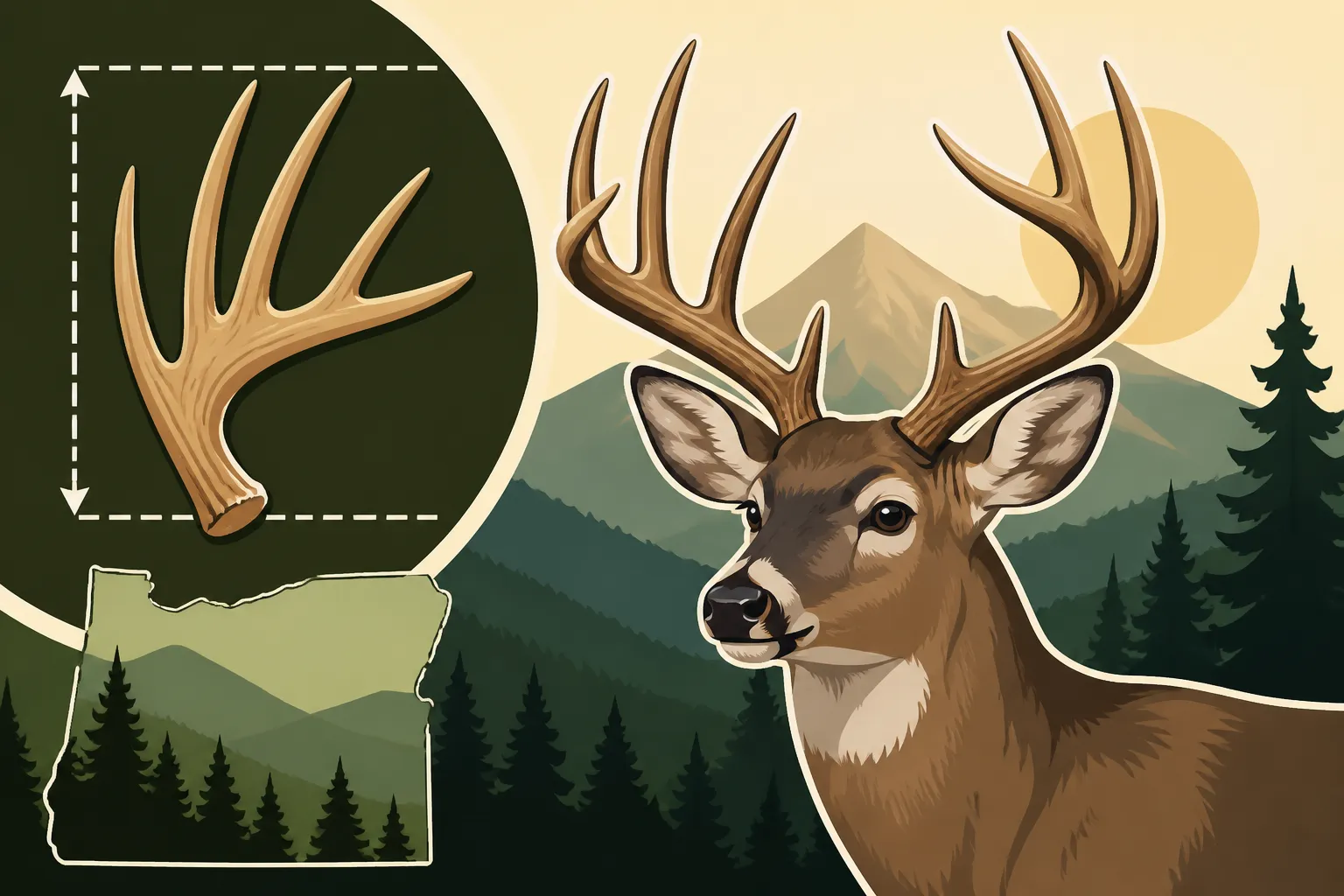
A "typical" blacktail rack generally follows a predictable pattern of tines growing vertically off the main beam. For blacktails, this often means a main beam that curves outward and upward, usually sporting an eye guard (G1), a brow tine (G2), and a back tine (G3), sometimes with additional points off the back tine. A classic Western Oregon blacktail is often considered a "forked horn" with a main beam and one or two tines off of it, commonly referred to as a "two-point" or "three-point" on each side. The symmetry between the two sides is a key characteristic of a typical rack. A buck might be a 4×4 (meaning four points on each side, including the main beam and eye guard), but often the points are shorter and thicker than those on an Eastern Oregon mule deer. You might be interested in the differences covered in Blacktail Versus Mule Deer Differences.
The Charm of Nontypical Antlers
Nontypical antlers, on the other hand, are anything that deviates from this standard pattern. This can include drop tines, abnormal points sprouting in odd directions, or main beams that fork multiple times in unconventional ways. Many blacktail hunters have a soft spot for nontypical bucks because they are so distinctive. These irregularities can be caused by genetics, injury during the velvet stage, or even nutritional deficiencies. I’ve seen some blacktails that looked like they had a small pine branch growing off their head, and those are often the ones people talk about for years. While traditional scoring systems might penalize these unique characteristics, many hunters find them even more appealing. When you're glassing the dense cover, a nontypical rack can sometimes catch your eye more quickly due to its unusual shape, making it a real challenge and a thrill to pursue.
Age and Genetics: The Primary Drivers of Antler Size
While habitat and nutrition play a huge role, the fundamental potential for antler size in a blacktail buck ultimately comes down to its age and genetic makeup. You can have the best habitat in the world, but a young buck won't grow its largest rack, nor will a buck with poor genetics, regardless of age.
The Role of Age in Antler Development
This is probably the most crucial factor. A blacktail buck's antlers generally increase in size, mass, and point count as the buck matures, typically peaking between 4.5 and 6.5 years old. Younger bucks, like 1.5-year-olds (often spikes or small forked horns) and 2.5-year-olds (small 2x2s or 3x3s), are still dedicating much of their energy to body growth. They're growing muscle, bone, and simply trying to survive. It's only once their skeletal and muscular systems are largely developed that they can truly pour excess energy into antler production.
Once a buck reaches its prime (4.5 to 6.5 years), you'll start to see significant improvements in mass, spread, and tine length. Their antlers become thicker, the main beams extend further, and the points become more robust. After this peak, some bucks might begin to regress, with antler quality potentially declining as they get older, though this isn't always the case and can vary wildly. Understanding this age progression is vital for those who are trying to manage for larger deer or simply want to hold out for a truly mature buck. It requires a lot of patience, something many of us hunters struggle with when that first legal buck steps out!
The Genetic Blueprint for Big Antlers
Beyond age, genetics provide the blueprint for what a buck can potentially grow. Some bucks are simply born with the genetic propensity to grow larger, more impressive antlers, while others, even with optimal nutrition and age, might never achieve the same size. These genetic traits are passed down from both parents. A doe's genetics are just as important as a buck's, as she contributes half of the genetic material.
This is why, in areas with strong genetics, you might consistently see bucks with impressive headgear year after year, even if there are variations due to environmental factors. Conversely, in areas with weaker genetics, even older bucks might only sport modest racks. While as public land hunters we have little control over the genetics in a wild population, recognizing this factor helps temper expectations and appreciate the unique potential of each animal. It’s also why seeing an exceptional buck is such a thrill—it's often a rare combination of excellent genes, age, and perfect environmental conditions converging.
Habitat, Nutrition, and Health: Environmental Influences
Even with good genes and age on their side, a blacktail buck's antlers are only as good as the habitat and nutrition available to them. Oregon's diverse landscapes offer varying levels of resources, directly impacting antler development.
The Impact of Quality Forage and Minerals
Imagine trying to build a house without enough lumber or nails – it just won't happen. The same goes for antler growth. Bucks need a diet rich in protein, energy, and minerals, especially calcium and phosphorus, during the antler-growing season. Areas with lush, diverse forage, like clover, forbs, and browse that pops up after logging, tend to produce bucks with better antlers. This is where understanding Blacktail Deer Habitat in Oregon Clearcuts can be really beneficial.
A bad drought year, for instance, can significantly reduce the quality and quantity of forage, leading to smaller antler growth across the board, even for mature bucks. Conversely, a wet spring followed by a warm summer with abundant plant growth can mean a fantastic antler year. The amount of available mineral licks or mineral-rich soils can also play a role, providing the raw materials needed for that dense bone growth. Hunters often notice these yearly fluctuations, and it’s a constant reminder of how connected deer health is to the health of the land they live on.
Disease, Injury, and Stressors
A buck’s overall health directly influences its ability to grow impressive antlers. Any illness or injury can divert critical energy away from antler growth, leading to smaller racks or deformities. For example, a severe leg injury might mean a buck spends more energy healing and less on growing big antlers. Even parasites can take a toll.
Beyond physical ailments, chronic stress can also impact antler development. High population densities, intense predation pressure, or persistent human disturbance can all contribute to stress, potentially impacting the deer's physiological ability to grow its best rack. While nature always finds a balance, it's worth remembering that the life of a wild blacktail buck is tough, and every challenge they face can be reflected in the size and quality of their annual antler growth. Tools like GoHunt can sometimes help you research general health trends or population numbers in specific units, giving you a better understanding of the local conditions.
Estimating Antler Size in the Field
This is where the rubber meets the road, and honestly, it's one of the hardest parts of blacktail hunting. Blacktails often live in dense cover, offering fleeting glimpses, making accurate field judging a real challenge. You often only get a few seconds before they vanish into the thick brush.
Quick Tips for Field Judging Blacktails
- Look at the Ears: A common trick is to use the buck’s ears as a reference. Blacktail ears are generally 6-7 inches long from base to tip. A rack that's significantly wider than the ears is a good starting point for a respectable spread.
- Count the Points: Quickly count the visible points on each side. A mature blacktail often has two or three main tines off the beam (a 2×2 or 3×3), though some can be more complex. Don't forget to look for those nontypical points!
- Assess Mass and Length: Look for mass at the base of the antlers. Thicker bases usually indicate an older, more mature buck. Then, try to gauge the length of the main beams and tines. Are the points longer than the ears? Does the main beam extend well past the eye?
- Body Size as a Clue: While not about antlers, a buck's body size can often tell you if it's a mature animal. Older bucks will have a thicker neck, a deeper chest, and a more developed body structure than a young, lanky deer. If you're looking for an older buck, body clues are often your first indicator, especially when he's obscured by timber, as discussed in Still-Hunting Blacktails in Wet Oregon Coastal Brush.
- Patience and Optics: This is key. Use good binoculars or a spotting scope. Take your time if the buck stands still. The better you can see, the more accurate your judgment will be. Sometimes, waiting a few minutes for a buck to turn or step into a small opening can reveal all you need to know.
The Challenge of Western Oregon Cover
Unlike the open country of Eastern Oregon where mule deer might be spotted from miles away, blacktail hunting in the Coast Range or Cascades is a game of inches and quick decisions. The dense rhododendron, salal, and young timber can hide a buck's entire rack, leaving you to guess based on a fleeting glimpse of an ear or the shine of an antler tip. This makes field judging incredibly difficult and often frustrating. You might catch a glimpse of what looks like a massive frame, only for the buck to disappear before you can get a clear view. This is why many blacktail hunters often rely more on finding mature bucks in areas where they know the deer frequent, like Edge Cover Blacktails Bed In, rather than solely judging antler size from afar.
The lighting can also play tricks, especially in dark timber or during a foggy, drizzly morning typical of Western Oregon. What looks like a massive rack can shrink when the buck steps into better light. Don't be too hard on yourself if you misjudge a buck—it happens to the best of us! The experience you gain by simply being out there and observing deer is the best teacher. And remember, the thrill of the hunt is often in the challenge, not just the final outcome.
For those serious about understanding the potential of a hunting unit, looking at historical data and success rates can be helpful. Tools like GoHunt provide data that can help you gauge the general quality of bucks coming out of certain areas, which can inform your expectations on antler size. Just remember, historical data is a guide, not a guarantee.
Age Class and Antler Characteristics
To further help with field judging, here’s a general overview of what you might expect from blacktail bucks across different age classes in Oregon. Keep in mind, this is a generalization, and individual bucks will always vary.
| Age Class (Years) | Antler Characteristics (Typical Blacktail) | Notes |
|---|---|---|
| 1.5 | Spike or small fork horn, often narrow. | Still growing, usually focused on body development. |
| 2.5 | Forked on both sides, possibly small third points. | Body growing stronger, antlers improving but still young. |
| 3.5 | Developing mass, decent spread, more points possible. | Approaching maturity, good potential, but not yet peak. |
| 4.5 – 6.5 | Peak maturity, good mass, width, and tines. | Often the largest antlers; spread equal to or outside ears. |
| 7.5+ | May decline in mass or tines; "regressing" bucks. | Antler quality can start to drop as body condition declines. |
Using a resource like The Oregon Hunting Map Online and combining it with on-the-ground scouting can also give you insights into the quality of habitat and how it might support antler growth in specific areas. Looking for good browse and bedding cover, especially in clearcuts that are Reading a Two-Year-Old Clearcut for Bucks, will always increase your odds of finding a mature buck with good antlers.
Disclaimer
This article is for general informational purposes only and does not constitute professional advice. Laws, prices and regulations vary by location and change over time. Consult a qualified professional for guidance on your specific situation.