Roosevelt Bull Body Size and Antler Shape
It's incredibly frustrating when you're out in the timber, trying to judge an elk, and every bull looks like a monster, especially when you're after a specific type like a Roosevelt. Their sheer size and unique antlers can make field identification a real challenge, leading to missed opportunities or, worse, making a mistake. This comprehensive guide is here to demystify the Roosevelt elk, focusing on their impressive body size and distinctive antler characteristics, so you can head into the Oregon woods with confidence and a clearer picture of what you're truly seeking.
Understanding Oregon's Roosevelt Elk
Hunting Roosevelt elk in Oregon is an experience unlike any other, largely due to the unique characteristics of these magnificent animals. They're often found in the denser, wetter habitats of western Oregon, making encounters both thrilling and demanding.
The Realm of the Roosevelt
Roosevelt elk ( Cervus canadensis roosevelti ) thrive in the lush, temperate rainforests of the Pacific Northwest, particularly along Oregon's Coast Range and western slopes of the Cascades. Unlike their Rocky Mountain counterparts, who prefer more open country and higher elevations further east, Roosevelts are creatures of the deep timber. You'll find them navigating thick stands of Douglas fir, hemlock, and alder, often in areas with heavy undergrowth like sword fern and salal. This dense habitat shapes not just their behavior, but also their physical attributes. When considering where to find these impressive animals, understanding their preferred environment is key. For more on where these animals roam, you might find our guide on Roosevelt Elk in Western Oregon particularly helpful.
Historically, Roosevelt elk populations faced severe declines due to overhunting and habitat loss in the late 19th and early 20th centuries. However, dedicated conservation efforts, including reintroduction programs and habitat management, have allowed their numbers to rebound significantly. Today, Oregon boasts healthy Roosevelt populations, offering some incredible hunting opportunities, especially during the general rifle seasons or even the challenging Archery Elk Hunting Oregon's August and September Seasons.
Why Size Matters (and What to Expect)
When we talk about Roosevelt elk, "size" isn't just a number; it's a defining characteristic that sets them apart. They are, quite simply, the largest subspecies of elk in North America by body mass. This isn't just a fun fact; it's a crucial piece of information for hunters. A mature Roosevelt bull can dwarf a Rocky Mountain bull, making it a truly formidable animal to encounter and, indeed, to pack out.
Understanding their potential size helps you prepare for the physical demands of the hunt. Imagine trying to pack out an animal that can weigh over 1,000 pounds live weight, often from steep, brushy terrain. This knowledge also shapes your gear choices, from rifle caliber to pack frame strength. Knowing what to expect in terms of body size helps manage expectations and ensures you're adequately prepared for the challenges and rewards of pursuing these majestic animals.
Deciphering Roosevelt Bull Body Size
The sheer bulk of a mature Roosevelt bull is often the first thing that strikes you. They are built like tanks, a necessity for pushing through the tangled undergrowth and steep terrain of their preferred habitat.
Mature Bull Proportions
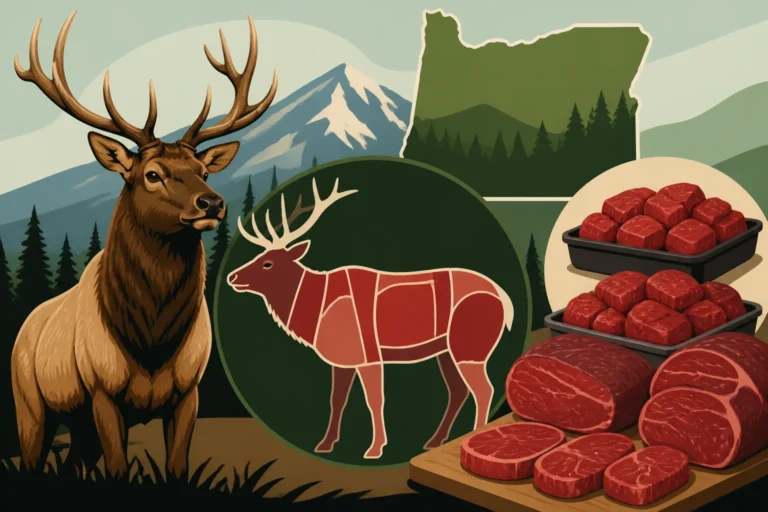
A fully mature Roosevelt bull is a truly massive creature. While live weights can vary, it's not uncommon for a mature bull to tip the scales at anywhere from 700 to well over 1,000 pounds, with some exceptional specimens pushing closer to 1,200 pounds or more. This is significantly heavier than the average Rocky Mountain bull, which typically ranges from 600-800 pounds. To put that in perspective, imagine trying to field dress and quarter an animal that weighs as much as a small horse!
Their height at the shoulder can reach 5 to 5.5 feet, with a body length stretching 8 to 10 feet from nose to tail. This stocky, powerfully built frame is perfectly adapted to their environment. Their broad shoulders and deep chests allow them to bust through dense timber and navigate steep, broken country with surprising agility. This robust build is often what allows them to hold prime real estate in the thickest cover, making them tough to spot and even tougher to dislodge. The sheer physical output required to bring one of these behemoths out of the woods should be a strong motivator for Physical Training for an Oregon Elk Hunt.
Regional Variations in Body Mass
While Roosevelts are generally large, there can be subtle variations in body mass depending on their specific location and the quality of their habitat. For instance, bulls living in the lush, wet rainforests of the central and northern Oregon Coast Range, with abundant, high-quality forage year-round, might average slightly heavier than those in the drier, eastern edges of the Cascade Mountains.
Factors like soil quality, rainfall, and overall plant diversity directly influence the nutritional plane available to the elk. Areas that experienced recent wildfires or extensive timber harvest might see an initial boost in forage quality for a few years, leading to healthier, larger animals. Over time, as forests mature, the available forage can decrease, potentially impacting the overall size and health of the herd. Access to consistent and diverse food sources plays a critical role, not just in body size but also in the animal's ability to develop impressive antlers.
The Distinctive Antler Shape of a Roosevelt
While Rocky Mountain elk are often celebrated for their long, sweeping tines and symmetrical racks, Roosevelt elk antlers tell a different story. They are a testament to power, mass, and the rigors of their dense forest homes.
Classic Roosevelt Antler Characteristics
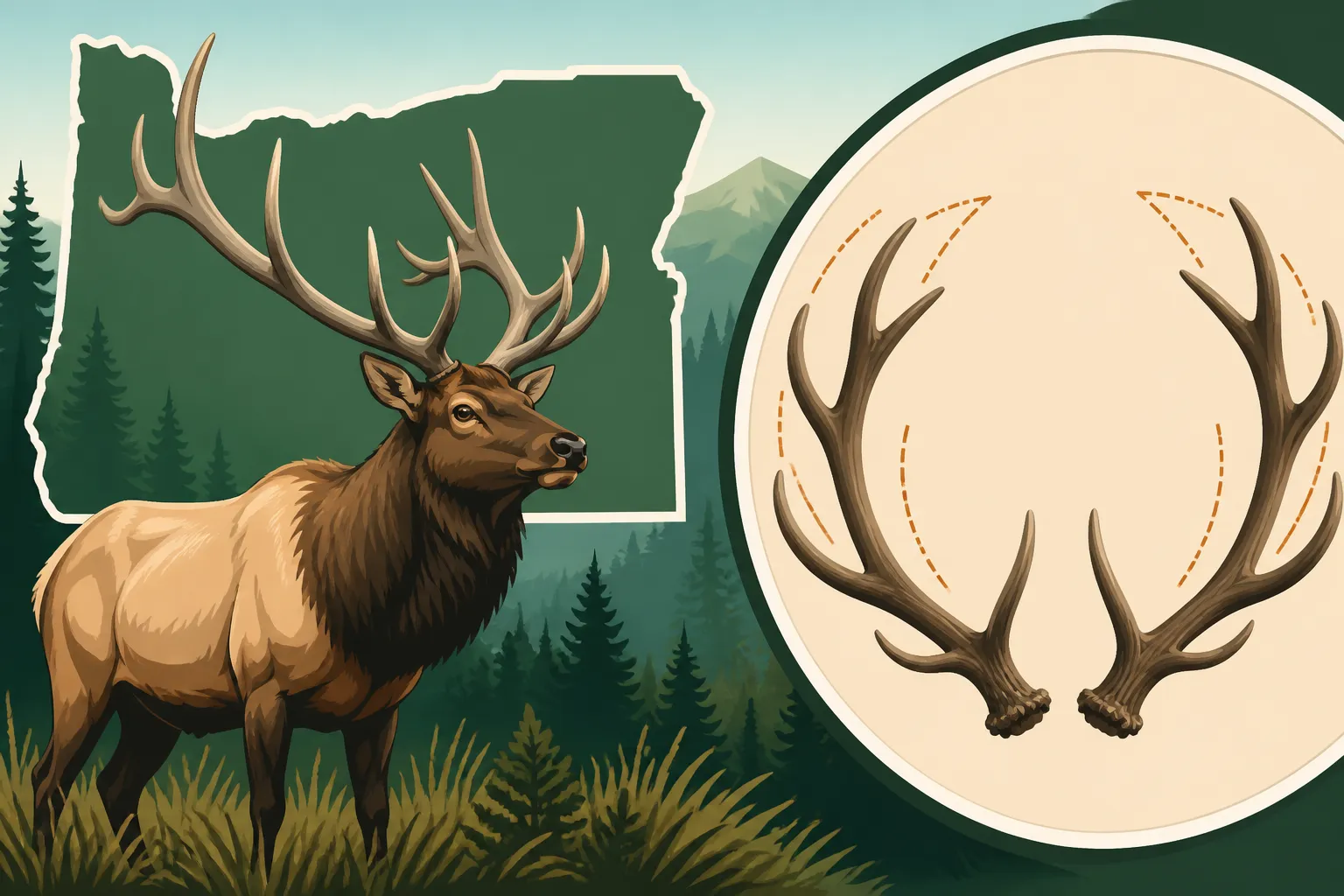
The most striking feature of a Roosevelt bull's antlers is their sheer mass. Instead of long, spindly tines, Roosevelts tend to have thick, heavy beams that carry their mass well through the points. They often feature dense, club-like ends, sometimes referred to as "crowning" or "cupping," where the terminal tines grow close together, creating a formidable, palmated appearance. It's a look that speaks of brute strength, ideal for pushing through thick brush and sparring with rival bulls in dense cover.
Typical mature Roosevelt bulls will sport 6×6 racks, meaning six points on each side, but 7×7 or even more atypical points are not uncommon. The tines themselves are generally shorter than those of a Rocky Mountain bull, but they are considerably thicker. The overall spread can be impressive, but it’s often the circumference of the beams and the density of the points that truly distinguish a Roosevelt rack. They are built for close-quarters combat, not for showing off long points in open country.
Antler Growth Cycle and Development
Like all elk, Roosevelt bulls shed their antlers annually, usually in late winter or early spring (February to April). Soon after, the new growth begins, initially covered in velvet. This period of rapid growth is highly dependent on the bull's overall health, age, and nutritional intake. A bull in excellent condition with access to abundant forage will typically grow larger, more robust antlers.
As the summer progresses, the antlers harden, and by late August or early September, the velvet is rubbed off, signaling the readiness for the rut. Antler development is a fascinating process where age plays a critical role. Younger bulls (2.5-4.5 years old) might have respectable racks, but it's the older, more mature bulls (5.5 years and older) that truly develop the impressive mass and crowning characteristic of trophy Roosevelts. Learning to estimate a bull's age in the field, often using clues from their body structure and antler development, is a skill that takes practice. Hunting units with older age-class bull objectives, often found on GoHunt maps and data, can offer better chances at these more mature animals.
Comparing Roosevelt to Rocky Mountain Elk Antlers
For anyone new to elk hunting in Oregon, differentiating between Roosevelt and Rocky Mountain elk antlers can be a head-scratcher. Both are majestic, but their headgear tells distinct stories of their subspecies and habitats.
Key Differences in Antler Architecture
The most noticeable difference between Roosevelt and Rocky Mountain elk antlers lies in their overall architecture. Rocky Mountain elk (found predominantly in eastern Oregon) typically boast longer, straighter main beams with impressive tine length and often greater symmetry. Their racks tend to be more open and "airy," designed for displaying dominance in the more open landscapes they inhabit.
Roosevelt antlers, by contrast, are characterized by their bulk and robustness. The main beams are often shorter and thicker, carrying more mass throughout their length. The tines, while often numerous, are usually shorter and blunter, culminating in the distinctive "club" or "crown" at the end of the main beam. This dense, heavy structure is perfectly suited for navigating and defending territory in the dense, tangled forests of western Oregon. It's truly a matter of "mass over length" when it comes to Roosevelt antlers, whereas Rocky Mountains often emphasize length and symmetry. When evaluating a potential trophy, these differences are critical. For a deeper dive into this specific comparison, you can check out our article on Roosevelt Versus Rocky Mountain Antler Score.
Scoring Differences and Trophy Expectations
Both Boone & Crockett and Pope & Young clubs recognize Roosevelt and Rocky Mountain elk as distinct categories, reflecting their unique antler characteristics. For a Roosevelt, the scoring emphasizes mass, circumference, and the density of the points, rather than just tine length. A truly exceptional Roosevelt bull might not have the sweeping beams of a Rocky Mountain, but its sheer girth and the complex crowning at the ends of its antlers make it a highly coveted trophy.
A typical Boone & Crockett Roosevelt bull entry needs a minimum score of 290 points, while a non-typical requires 300. In comparison, Rocky Mountain elk have higher minimums (360 typical, 375 non-typical), reflecting the difference in their average antler size and configuration. Understanding these benchmarks helps hunters set realistic expectations and appreciate the unique trophy potential of each subspecies. When you're dreaming of an Oregon record, it's worth reviewing the Oregon Record Book Roosevelt Bulls to get a sense of what's truly possible.
Factors Influencing Antler Quality in Oregon
The antlers a Roosevelt bull grows are a direct reflection of its environment and genetic potential. In Oregon, a confluence of factors contributes to the impressive headgear these animals can develop.
Habitat, Genetics, and Nutrition
Three pillars support the growth of trophy-class antlers: habitat quality, genetics, and nutrition. Oregon's western regions provide some of the best Roosevelt elk habitat in North America. The consistent rainfall and rich soils create lush forage throughout much of the year, offering the protein, calcium, and phosphorus essential for robust antler development. Areas with a mosaic of old-growth timber, recent clearcuts, and riparian zones often provide the ideal balance of food, water, and cover.
Genetics also play a significant role. Some herds naturally have a predisposition for growing larger, more massive antlers. While you can't control the genetics of a wild elk, consistently healthy populations tend to produce a higher proportion of bulls with excellent antler potential. Finally, consistent, high-quality nutrition is paramount. Bulls need a steady supply of nutrient-rich forage, especially during the spring and summer antler-growing period. A tough winter, a prolonged drought, or limited access to prime feeding areas can significantly impact antler development, even in genetically superior animals. Information often found on platforms like GoHunt can help analyze specific unit data for habitat types and herd health.
Age and Herd Management
Perhaps the most critical factor in antler quality, beyond genetics and nutrition, is age. Simply put, older bulls grow bigger antlers. A Roosevelt bull typically reaches its prime antler-growing years between 6 and 10 years old. Before this, they are still developing, and their energy is often prioritized for body growth. Allowing bulls to reach these older age classes is a cornerstone of effective wildlife management for trophy potential.
The Oregon Department of Fish and Wildlife (ODFW) implements various management strategies, including controlled hunts and general season structures, to help achieve specific herd objectives. Some units might be managed for higher bull-to-cow ratios or older age classes, increasing the chances of encountering a truly mature bull with an impressive rack. Understanding these management goals and how they apply to specific units can be incredibly valuable for hunters. Scouting reports and detailed analysis of hunt unit statistics, often available through resources like GoHunt, can provide insight into the age structure and antler potential of a specific area.
Field Judging Roosevelt Elk in Oregon
Field judging a Roosevelt elk is a skill honed by experience and careful observation. In the dense timber of western Oregon, it often means making quick decisions under challenging conditions.
Estimating Body Size in the Field
When you glimpse a bull through the trees, the first thing you're trying to assess is its overall maturity. For Roosevelt elk, this often starts with body size. A young bull (spike or raghorn) will appear lanky, with a slimmer body and neck relative to its overall frame. A mature bull, however, will have a much deeper chest, thicker neck, and a more pronounced sway in its back. Its hindquarters will be massive and powerful.
One trick is to compare the bull to nearby cows, which are generally smaller and more delicately built. A bull that significantly dwarfs the cows in the group is likely a more mature animal. Using known objects for scale, like a familiar tree trunk, a specific boulder, or even a vehicle if visible from a distance (though rare in deep Roosevelt country), can help calibrate your eye. Remember, the dense cover can play tricks on your perception of size, so take your time and use good quality optics whenever possible.
Assessing Antler Mass and Points
After judging the body, turn your attention to the antlers. For Roosevelts, mass is paramount. Look at the circumference of the main beams right above the brow tines and halfway up the beam. Are they thick and heavy, or do they look spindly? Mature Roosevelt bulls will carry that mass well throughout their entire rack.
Next, count the points. While 6×6 is typical for a mature bull, look for extra points, particularly the "crowning" or "clubby" ends characteristic of Roosevelts. These are usually clusters of shorter, thicker points at the end of the main beam, contributing significantly to the visual bulk and score. Don't get too hung up on perfectly symmetrical racks; many excellent Roosevelt bulls have unique, even slightly asymmetrical, antler formations. Remember, the dense timber can obscure parts of the rack, so try to get multiple angles or wait for the bull to move to fully assess its headgear. Patiently assessing a bull's rack in difficult terrain is part of the art of Calling Bull Elk During Oregon's Archery Season and other close-quarters methods.
Roosevelt vs. Rocky Mountain Elk: A Quick Comparison
To help solidify the differences we've discussed, here's a handy comparison table for quick reference.
| Feature | Roosevelt Elk | Rocky Mountain Elk |
|---|---|---|
| Primary Habitat | Dense, wet coastal rainforests and mountain slopes in Western Oregon | More open timber, meadows, and high country in Eastern Oregon |
| Body Size (Mature Bull) | Largest subspecies by body mass; 700-1200+ lbs | Generally smaller; 600-800 lbs |
| Antler Mass | Very heavy, thick beams; mass carried throughout | Moderate to heavy beams |
| Antler Tine Length | Generally shorter, blunter tines | Often longer, more elegant tines |
| Antler Ends | Distinctive "crowning" or "club-like" points at beam ends | More individual, defined points |
| Antler Spread | Can be wide, but often overshadowed by mass | Often impressive, sweeping spread |
| Trophy Focus | Mass, unique crowning, overall bulk | Length, symmetry, tine length |
| Vocalization | Often deeper, more guttural bugle | Higher-pitched, clear bugle |
Disclaimer
The information provided in this guide is for general educational and informational purposes only. Hunting regulations, seasons, and access can change rapidly in Oregon. Always consult the most current Oregon Department of Fish and Wildlife (ODFW) regulations and maps before planning any hunting trip. Personal safety and ethical hunting practices should always be your top priorities.