Oregon Record Book Roosevelt Bulls
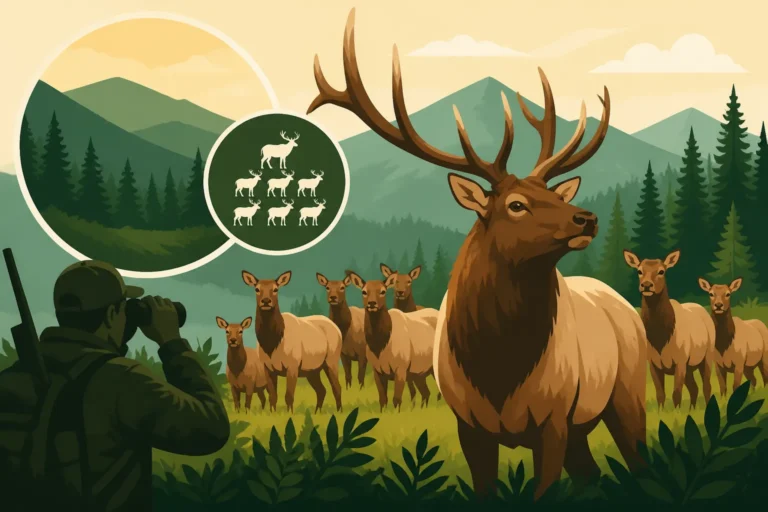
For many Oregon elk hunters, the dream of laying eyes on a true record book Roosevelt bull feels like an almost mythical quest. It’s an aspiration fueled by awe-inspiring photos and whispered tales, but the path to achieving it is long, challenging, and often frustrating. This guide aims to pull back the curtain on what it truly means to pursue one of these magnificent animals in Oregon, exploring the criteria, the prime territories, and the sheer dedication required to even have a chance.
Understanding What Defines a Record Book Roosevelt Bull
When we talk about "record book" elk, we're typically referring to animals that meet specific minimum score requirements established by organizations like the Boone and Crockett Club. These aren't just big bulls; they are exceptional specimens, often representing the genetic and environmental pinnacle of their species. For Roosevelt elk, a distinct subspecies, the scoring system focuses on antler measurements, looking for both overall mass and symmetry (for typical entries) or exceptional antler material (for non-typical entries).
A Roosevelt bull's antlers are truly a marvel. Unlike the wide, sweeping racks of Rocky Mountain elk, Roosevelt antlers often exhibit immense mass, shorter main beams, and a more compact, dense structure, especially in the upper tines. When a bull carries exceptional mass, long tines, and perhaps even some non-typical points, that's when he starts to approach record book status. It’s a combination of genetics, age, and nutrition that allows a bull to grow such a magnificent crown. The journey to a record book entry is a testament to the bull's longevity and the quality of its habitat.
The Boone and Crockett Club has specific minimum scores for both typical and non-typical Roosevelt elk. Meeting these thresholds means the animal is not just big in your eyes, but objectively among the largest ever recorded. This is where the real challenge lies: finding a bull that has survived long enough, has the right genetics, and has lived in an environment rich enough to allow him to reach his maximum antler potential. Many hunters spend a lifetime in pursuit of an animal that meets these rigorous standards, and often, it's the chase itself, the dedication to understanding these animals, that becomes the true reward.
| Category | Minimum Score (Boone and Crockett) | Description |
|---|---|---|
| Typical Roosevelt Elk | 290 | Focuses on symmetry and overall antler mass, length, and spread. |
| Non-Typical Roosevelt Elk | 300 | Allows for unique and irregular antler points and formations. |
Where Oregon's Giant Roosevelt Bulls Are Found
Oregon is blessed with some incredible Roosevelt elk habitat, predominantly found west of the Cascade Mountains in the dense, wet forests of the Coast Range and the western slopes of the Cascades. These areas provide the lush forage and ample cover that Roosevelt elk need to thrive and grow to impressive sizes. Units like the Wilson, Trask, and Alsea are often mentioned in hushed tones by hunters who dream of a big Roosevelt, but truly exceptional bulls can be found in many other units with the right conditions.
The key to finding record book Roosevelt bulls isn't necessarily about going to the "most popular" units, but rather identifying areas within those units, or less pressured units, that offer optimal conditions: rich nutrition, minimal human disturbance, and plenty of older growth timber and dense clearcuts for sanctuary. These bulls are masters of evasion, using the thick timber to their advantage, often disappearing into a sea of sword fern and salal with barely a sound. You might be interested in reading about Calling Roosevelt Elk in Oregon Rainforest Timber to get a sense of the dense cover they inhabit. Areas with challenging terrain and limited access often hold older, larger bulls simply because fewer hunters are willing or able to reach them consistently.
What really drives antler growth to record proportions is consistent access to high-quality feed year-round, combined with minimal stress and sufficient age. While clearcuts provide excellent browse, it’s the mosaic of mature timber, wet meadows, and riparian zones that create the perfect storm for a bull to grow truly massive antlers. These older bulls are wise, they know where the danger lies, and they will exploit every patch of dense cover and every terrain feature to avoid detection. E-scouting tools, like those offered by GoHunt, can be invaluable for identifying potential sanctuary areas, remote pockets, and advantageous terrain within these vast timberlands. They help you visualize the landscape from afar, pinpointing areas where a savvy bull might choose to live out his golden years, away from the constant pressure of hunting season. Exploring Roosevelt Elk in Western Oregon can give you a better understanding of their typical habitat.
The Challenges of Pursuing a Record Book Roosevelt
Let's be realistic: finding and harvesting a true record book Roosevelt bull is an extremely rare accomplishment, even for the most dedicated hunters. It's a pursuit that demands an extraordinary blend of patience, physical endurance, exceptional woodsmanship, and a good dose of luck. These bulls don't get big by being easy to find, and they certainly don't get old by making mistakes. They are the survivors, the ghosts of the forest.
One of the primary challenges is simply locating these animals. Roosevelt elk live in some of the most unforgiving terrain in Oregon. The Coast Range and western Cascades are renowned for their steep, wet, and incredibly brushy conditions. Imagine trying to navigate through clearcuts so thick you can't see your boots, or attempting to track an animal through dense rainforest undergrowth. This environment makes traditional glassing tactics nearly impossible in many areas, forcing hunters to rely on still-hunting, tracking, and calling to locate animals. Hunters often find themselves crawling through tangles of brush, soaking wet, and pushing their physical limits just to cover a few hundred yards. This grueling physical demand is often underestimated by those who haven't experienced it firsthand.
Furthermore, acquiring the right tag is another hurdle. While Oregon offers general season opportunities for Roosevelt elk, the units known for producing larger bulls are often highly sought after in the controlled hunt draw. Accumulating preference points over many years is often necessary to even draw a tag in some of the premier units. For more on this, you can check out Oregon Controlled Hunt Draw Explained and Oregon Preference Points and How They Work. Even with a tag in hand, success is far from guaranteed. The limited number of these truly giant bulls means you might hunt for years, doing everything right, and still not encounter one that meets the coveted record book criteria. It’s a testament to the wildness of these animals and the vastness of their habitat.
Strategies for Increasing Your Odds (Slightly)
While there’s no magic bullet for harvesting a record book Roosevelt bull, there are strategies you can employ to stack the odds slightly more in your favor. It starts with meticulous research, relentless scouting, and a commitment to year-round preparation, not just during hunting season.
First, dive deep into the data. Look at past harvest statistics for specific units, paying close attention to antler configurations and bull-to-cow ratios. While these reports don't explicitly list "record book" animals, they can give you an idea of units that consistently produce older age-class bulls. Utilize resources like GoHunt's Insider platform to analyze draw odds, public land percentages, and habitat types. This kind of detailed analysis can help you identify overlooked pockets or units that might have less pressure but still offer good potential. Understanding Oregon Elk Herd Numbers by Region can also inform your research.
Second, dedicate yourself to year-round scouting. This isn't just a pre-season activity; it's a lifestyle. Record book bulls leave clues all year long. Look for massive rubs from prior seasons, enormous tracks, and significant wallows. Identify potential bedding areas that offer both sanctuary and easy access to feeding grounds. Pay attention to water sources and natural travel corridors. Even though the canopy might be thick, knowing the lay of the land, the subtle benches, and the hidden draws, is paramount. Consider scouting with trail cameras in key areas, though be sure to know Trail Camera Rules on Oregon Public Land. This helps you understand animal movement patterns without constant direct intrusion.
Finally, prepare yourself mentally and physically for an arduous hunt. These hunts are physically demanding, requiring you to navigate steep, dense, and often wet terrain for days on end. Invest in high-quality rain gear that actually keeps you dry, durable boots with excellent traction, and a pack frame that can handle heavy loads. Practice shooting in various conditions and angles, as a shot opportunity on a record bull might be fleeting and challenging. The mental fortitude to push through discomfort, stay positive during slow days, and maintain focus is just as important as physical strength. Understand that many, many hunters will pursue this goal for a lifetime without achieving it, but the experience of being in these wild places, of pursuing such an incredible animal, is its own reward.
Disclaimer
This article is for general informational purposes only and does not constitute professional advice. Laws, prices and regulations vary by location and change over time. Consult a qualified professional for guidance on your specific situation.