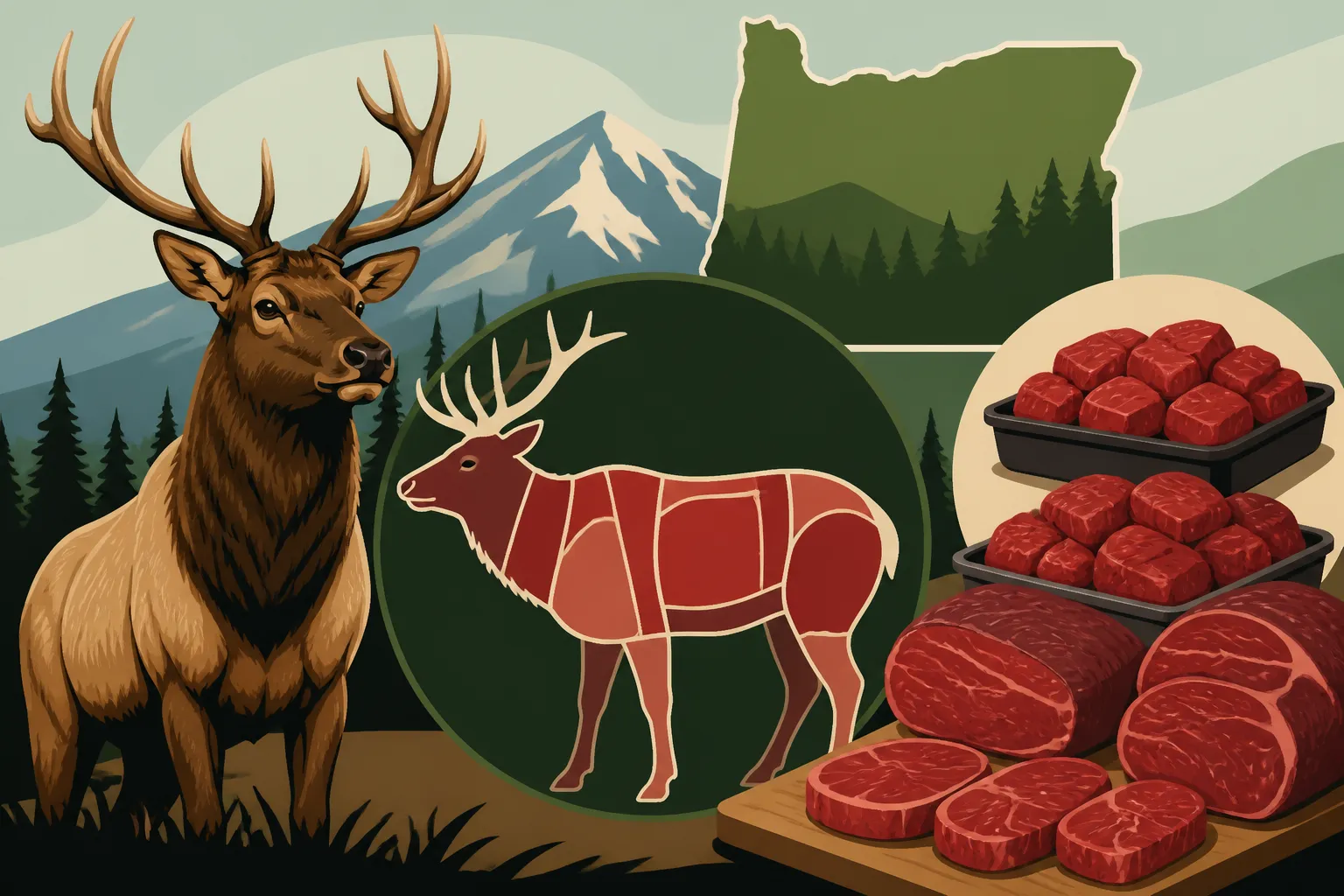
Elk Meat Yield From a Roosevelt Bull
One of the biggest questions that weighs on every hunter's mind, especially when you're dreaming of that freezer full of meat, is "how much will I actually get?" You put in the scouting, the sweat, the early mornings, and the long hikes, all for the reward of wild game. When it comes to a magnificent Roosevelt bull, you know it's a huge animal, but turning that impressive beast into neatly wrapped packages for the freezer is a journey. This guide is all about setting realistic expectations for the meat yield from a Roosevelt bull, so you can plan your hunt, your pack out, and your processing with confidence, avoiding any surprises.
Understanding "Yield" – What Goes Into the Cooler?
When we talk about "meat yield," it's easy to picture the whole animal, but the reality is a multi-stage reduction process. What you see standing in the timber is vastly different from what ends up in your vacuum-sealed packages. It’s crucial to understand these different weight benchmarks so you can manage your expectations and plan your logistics accordingly.
Live Weight vs. Dressed Weight
First, let's consider the initial size of these incredible animals. Roosevelt elk are known for being massive, especially the bulls in Oregon's Coast Range and Cascades. A mature Roosevelt bull can easily weigh anywhere from 700 to 1,000 pounds, with some of the truly giant ones pushing even higher. That's a lot of animal!
However, the "live weight" is just that – the weight of the animal as it stands. Once you've successfully harvested your bull, the first step in processing is typically field dressing. This involves removing the internal organs (gut pile). This immediately reduces the weight substantially, often by 25-35%. So, a 900-pound live bull might be closer to 600-675 pounds "dressed weight" after the guts are removed. This dressed weight is what most commercial processors refer to when they talk about the initial carcass weight. It's still a massive amount of weight, and the thought of packing it all out becomes very real at this stage.
Boned-Out Meat Weight
Now, here's the number that most hunters really want to know: the boned-out meat weight. This is the actual amount of lean, usable meat you'll take home, free of bone, excess fat, and gristle. This is where the big numbers start to shrink dramatically, which can sometimes be a bit of a shock if you're not prepared for it.
Generally, you can expect the boned-out meat to be roughly 50-60% of the dressed weight, or about 30-40% of the live weight. So, taking our 900-pound live bull example (which dressed out at 600-675 pounds), you're looking at a boned-out yield in the ballpark of 300 to 400 pounds. This can vary based on several factors, which we'll dive into next, but it gives you a much more realistic picture for filling those freezer bags. It's still an impressive haul, easily enough to feed a family for a year or more, but it's important to understand the reduction from the animal's colossal live weight.
Factors Influencing Your Final Meat Haul
While those percentage ranges give us a good starting point, the actual amount of meat you get from your Roosevelt bull can be influenced by a variety of factors. It's not just about the size of the animal, but also how the harvest and subsequent handling are managed.
Age and Size of the Bull
This might seem obvious, but a larger, heavier bull generally means more meat. A young 5×5 bull, while still a fantastic animal, will yield less boned-out meat than a mature, broad-chested 7×7 old-timer. The sheer mass of muscle and bone in an older, more dominant bull contributes significantly to the final poundage.
However, there's a trade-off to consider with age. While older bulls often carry more bulk, their meat can sometimes be tougher than that of a younger animal. This doesn't mean it's not delicious, but it might require different cooking methods or more aggressive aging to achieve optimal tenderness. Still, if maximum meat poundage is your goal, a truly big, mature Roosevelt bull is what you're after. How Big Roosevelt Bulls Get can give you an idea of the upper limits in Oregon.
Shot Placement and Meat Damage
This is a critical factor that hunters can directly control. Where your bullet or arrow impacts the animal directly affects how much meat is lost to bloodshot tissue or contamination. A perfectly placed shot through the lungs, avoiding major muscle groups, will result in minimal meat loss. The animal expires quickly, and the damage is largely confined to the chest cavity.
Contrast that with a high-shoulder shot or a shot that impacts heavy bone in the front quarter. While these can be effective killing shots, they can absolutely destroy a significant amount of valuable meat. A large exit wound through a prime cut like the shoulder can render several pounds of meat unusable due to severe bloodshot bruising and bone fragments. Ethical hunters always aim for a quick, clean kill, but being mindful of how shot placement impacts meat salvage is also a crucial part of the process.
Field Dressing and Processing Techniques
The way you handle the carcass in the field, and later during butchering, makes a huge difference in your final yield.
- Speed and Cleanliness: Getting the animal field dressed quickly, especially in warmer weather, is paramount to preventing spoilage and bacterial growth. A clean job means less risk of contamination from stomach contents, which can ruin meat if not handled carefully. Field Dressing an Elk in Warm Early-Season Weather is essential reading for this.
- Gutless Method: Many backcountry hunters opt for the gutless method, which involves skinning and quartering the animal without removing the entrails. This can be faster, lighter for packing, and keeps the meat cleaner. While it sounds counter-intuitive, it can actually lead to better meat preservation in the field. This method is incredibly efficient when you're miles deep in rugged Oregon country. Gutless Method on a Bull Elk provides a great overview of this technique.
- Butchering Style: Whether you take it to a professional processor or Butchering Your Own Deer at Home, your butchering style matters. Some people trim very aggressively, removing almost all fat and silverskin, which reduces total weight but increases lean meat quality. Others might leave a bit more fat for flavor or to speed up the process. A skilled butcher can maximize yield by working efficiently around bones and tendons.
- Cooling: Proper cooling is non-negotiable. Meat that isn't cooled quickly and kept cool can spoil, leading to significant loss. Getting the quarters out of the animal and aired out, or into game bags in the shade, is vital. Coolers, Ice and the Drive Home From Eastern Oregon will emphasize the importance of this step for preservation.
Practical Expectations for Your Roosevelt Bull
So, after all the theoretical numbers and influencing factors, what's a reasonable expectation for the amount of usable meat you'll get from that hard-earned Roosevelt bull? Let's talk real numbers that might end up in your freezer.
Estimating Boned-Out Meat
Based on the typical size of mature Roosevelt bulls in Oregon, and assuming good shot placement and proper field care, you can generally expect to bring home between 250 to 450 pounds of boned-out meat. This is a broad range, reflecting the variability in bull size, age, and individual processing preferences.
Let's break that down with an example:
| Measurement | Low End (Younger/Smaller Bull) | High End (Mature/Larger Bull) |
|---|---|---|
| Live Weight | 700 lbs | 1000 lbs |
| Dressed Weight | 490-525 lbs (70-75% of Live) | 700-750 lbs (70-75% of Live) |
| Boned-Out Meat | 250-300 lbs (50-60% of Dressed) | 350-450 lbs (50-60% of Dressed) |
This table illustrates the wide spectrum. A smaller, perhaps younger bull might net you a solid 250 pounds, which is still an incredible amount of protein. A truly magnificent, mature bull from a prime area could push you closer to that 400-450 pound mark. Think about how many meals that represents! It’s also crucial to consider the logistics. How Many Pack Trips a Bull Elk Takes might involve several strenuous trips, especially if you're deep in the wilderness. Tools like GoHunt can help with E-Scouting potential harvest sites and planning optimal pack routes, understanding terrain features that could impact your ability to get heavy quarters out efficiently.
Meat Quality and Care
Beyond just the quantity, the quality of your elk meat is paramount. A lot of effort goes into harvesting the animal; equal effort should go into preserving its culinary potential.
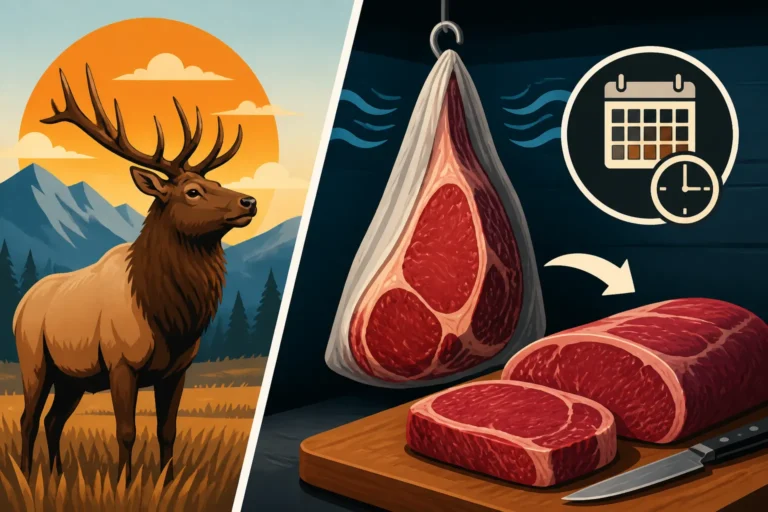
- Aging the Meat: This is often overlooked but profoundly impacts tenderness and flavor. After the initial cooling, allowing the meat to "age" in a controlled, cool environment (ideally between 34-40°F) for several days, or even up to two weeks, allows natural enzymes to break down muscle fibers. This makes the meat significantly more tender. You can do this in a large walk-in cooler at a processor, or if you have the space and temperature control, at home. Aging Game Meat in a Spare Fridge is a guide that can help you understand this process.
- Preventing Spoilage in the Field: Moisture, warmth, and dirt are the enemies of good meat. Keep meat dry, clean, and cool. Quality game bags are essential to protect the meat from flies, dirt, and debris while allowing air circulation. Hanging quarters in the shade, especially overnight, can drop the temperature dramatically. Remember, the clock starts ticking the moment the animal is down.
- Transporting Meat Properly: The journey home is the final hurdle. Invest in good coolers and plenty of ice. Block ice lasts longer than cubed ice. Ensure the meat is not sitting in melted water, as this can degrade its quality. If you're on a multi-day trip, draining coolers and replacing ice is critical. For long drives home from Eastern Oregon, having a strategy for ice resupply, or pre-freezing gallon jugs of water, can be a game-changer. Coolers, Ice and the Drive Home From Eastern Oregon has more tips.
Maximizing Your Yield and Enjoying the Harvest
Getting a Roosevelt bull on the ground is just the first victory; the true success lies in efficiently processing and enjoying every ounce of that hard-earned meat. Maximizing your yield means being prepared, making smart choices in the field, and knowing how to handle the carcass post-harvest.
Strategic Hunting and Ethical Shots
The ethical shot placement isn't just about a quick, humane kill, it's also about preserving as much meat as possible. When you’re lining up a shot, consider the angles. A broadside shot into the vitals (lungs and heart) minimizes damage to the prime cuts in the shoulders and hindquarters. If you’re faced with a quartering-away shot, aim for the opposite shoulder to ensure a lethal hit without obliterating the near-side meat.
Avoid spine shots or shots into the gut if at all possible, as these can cause extensive damage and contamination, respectively. Practice your shooting at various distances and angles before the season opens. Knowing your rifle's capabilities, or your archery setup for wet Oregon timber, and your own limitations will lead to more confident and ethical shot placement, ultimately resulting in less meat wasted. Shot Placement on a Bull at Close Range highlights the importance of precision in the field.
Professional Processing vs. DIY
Deciding whether to process your elk yourself or take it to a professional butcher is a big choice, and both have their merits.
- Professional Processor: If you're short on time, lack the space, or don't have the experience, a professional processor is a fantastic option. They have the equipment, expertise, and temperature-controlled facilities to handle a large animal efficiently and hygienically. They can also offer services like custom cuts, sausage making, and vacuum packing. The downside is the cost, but many hunters find it well worth the investment for the quality and convenience. However, during peak hunting seasons, finding an available processor can be challenging. Finding a Processor During Peak Season can be a struggle, so booking ahead or researching options is smart.
- Do-It-Yourself (DIY): Processing your own elk can be incredibly rewarding. It allows you complete control over how the meat is cut, trimmed, and packaged. It's also a significant cost saver over time. You'll need a dedicated workspace, sharp knives, a meat saw (or a reciprocating saw with a clean blade), and plenty of freezer space. It’s a labor-intensive process, often requiring several days of work, but for many, it’s a cherished part of the hunting experience. Guides like Cutting Your Own Deer at the Kitchen Table can give you a starting point for understanding the process, though an elk is a much larger undertaking.
Utilizing All Parts of the Animal
Maximizing your yield isn't just about getting the big roasts and steaks. A Roosevelt bull provides a treasure trove of culinary opportunities if you're willing to explore them.
- Ground Meat: Even if you get prime cuts, there will always be trim meat. This is perfect for grinding. Mix it with a little pork fat if you like, and you'll have delicious ground elk for burgers, chili, tacos, and more. Grinding and Packaging Wild Game can inspire your creativity.
- Jerky and Sausages: These are fantastic ways to utilize tougher cuts or smaller pieces of meat. Elk jerky is a phenomenal snack, and homemade elk sausage can be a true delicacy. Many hunters invest in a meat grinder and a sausage stuffer for this very reason.
- Organ Meats: Don't overlook the heart, liver, and tongue! These are highly nutritious and can be incredibly flavorful if prepared correctly. Elk heart, for instance, is a lean muscle that's excellent sliced and fried. The liver, if handled quickly and carefully, is also a prized part of the harvest for many.
- Bones for Stock: Even the bones have value. You can use them to make rich, flavorful bone broth, which is excellent for soups, stews, or simply sipping on its own.
By considering all these aspects – from careful shot placement to thorough processing and creative use of all edible parts – you can ensure that your hard-earned Roosevelt bull provides a truly exceptional and abundant harvest for your table. It’s a lot of work, but the satisfaction of knowing where your food comes from and the unparalleled quality of wild game meat makes every step of the process worthwhile.
Disclaimer
This article is for general informational purposes only and does not constitute professional advice. Laws, prices and regulations vary by location and change over time. Consult a qualified professional for guidance on your specific situation.