Finding a Processor During Peak Season
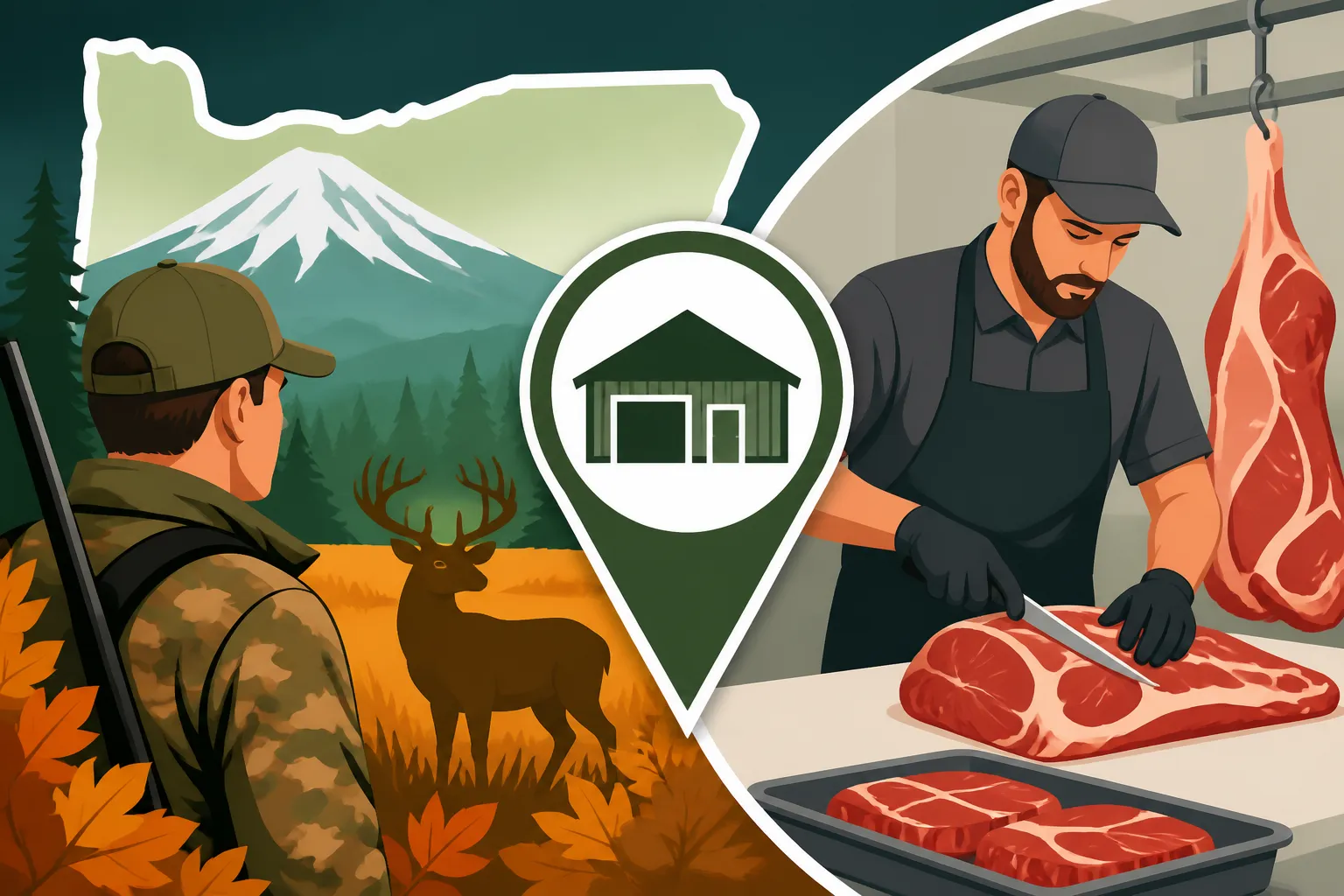
You’ve just made the shot of a lifetime, or perhaps it was a tough grind that finally paid off – an elk or deer is down, and the hard work of packing it out begins. But then, the cold reality sets in: it’s peak hunting season, every processor within a hundred miles has a full sign on their door, and you're left scrambling. This guide is here to walk you through the frustrating, often chaotic process of securing a meat processor in Oregon when every hunter seemingly has the same idea at the same time, ensuring your hard-earned game makes it to your freezer without a hitch.
The Scramble for a Spot: Why Peak Season is So Tough
Let's be honest, few things are as disheartening as having a beautiful animal on the ground, only to realize the logistics of getting it processed are turning into a nightmare. The sheer volume of successful hunters during popular seasons creates a bottleneck that many new, and even experienced, hunters underestimate. When rifle seasons for elk or deer open across Oregon, it's like a dam breaking. Suddenly, thousands of hunters are out in the field, and even a modest success rate means hundreds, if not thousands, of animals need processing within a very tight timeframe.
Processors, especially the smaller, family-run operations that often do the best work with wild game, simply don't have unlimited cooler space or staff. They operate on a first-come, first-served basis, or sometimes with pre-booked slots that fill up months in advance. Imagine you've successfully harvested a magnificent bull during one of the Oregon Roosevelt Elk Rifle Seasons in November, perhaps deep in the Coast Range. You're physically exhausted but exhilarated. You make that first call to a processor, then a second, and a third, only to be met with polite but firm apologies that they're completely booked. This isn't just an inconvenience; it can quickly become a crisis if you're hours from home and have a limited window to get that meat cooled and cut before it spoils.
The issue is compounded by the unpredictable nature of hunting. You can plan your hunt, scout your unit, and practice your shots, but you can't schedule when you'll actually pull the trigger. When multiple hunters tag out on the same weekend in the same general area, every local processor gets inundated. It's not uncommon for a small-town processor to be full by Monday morning after a busy Saturday and Sunday hunt. This means hunters who punched their tag on a Tuesday might find themselves with very few options, leading to long drives and desperate phone calls.
Planning Ahead: Strategies Before You Even Hunt
The best defense against a peak-season processing panic is a good offense, meaning proactive planning. Don't wait until you've got an animal cooling on the ground to start thinking about who will turn it into steaks and burger.
Pre-Season Research and Calls
This is arguably the most critical step. Weeks, if not months, before your hunt even begins, you need to identify potential processors in or around your hunting unit, and ideally, along your route home. Don't just Google "meat processor Oregon" and call it good. Dig a little deeper. Many smaller, excellent processors don't have a massive online presence. Talk to other hunters, check local hunting forums, or use community-driven platforms. For example, some hunters use resources like GoHunt to scout areas and often find discussions about local services.
Once you have a list, start making calls. Ask about their game processing services, specifically wild game. Some processors primarily handle domestic livestock and might not be set up for the unique challenges of a field-dressed elk or deer. Inquire about their booking policy: Do they take appointments? Do they have a waiting list? What's their expected capacity during the specific season you'll be hunting? Some might offer "drop-off only" services where you leave your animal, and they'll call you if a spot opens up, but this can still be risky if demand is too high. Don't be afraid to ask for specific dates. If you're hunting the general rifle season for deer, ask about their availability the first two weeks of October. If it's a popular controlled elk hunt, inquire about those specific dates.
Understanding Processor Services and Timelines
When you connect with a potential processor, don't just ask "Are you taking game?" Go into detail about what you need and what they offer. This isn't just about availability; it's about getting your meat handled the way you want it. Here are some key questions to ask:
- Cut Specs: Can you specify how you want your meat cut? Steaks, roasts, burger ratios, jerky, sausages, summer sausage, etc. Some processors have standard cuts, while others are highly customizable.
- Packaging: How do they package the meat? Vacuum-sealed is ideal for freezer longevity, but some might use butcher paper or double-wrap.
- Turn-around Time: What's the realistic timeframe for getting your meat back during peak season? It could be days, or it could stretch into weeks. Knowing this helps you manage expectations and plan for temporary storage if needed.
- Aging: Do they age game meat, and if so, for how long? Proper aging can significantly improve the tenderness and flavor of your venison or elk. Ask about their aging facilities and process.
- Hide and Skull Handling: What's their policy on hides? Do they keep them, or can you get yours back? If you want to keep the skull for a European mount or taxidermy, do they offer cleaning services, or will you need to handle that yourself? Remember, ethical hunting often means utilizing as much of the animal as possible, and proper hide and skull handling is part of that.
- Storage: What happens if you can't pick up your meat immediately when it's ready? Do they have freezer storage, and is there a fee?
By having these conversations ahead of time, you can confidently field dress your animal knowing exactly where it's headed and what to expect. This also helps you decide if it's worth it to Butchering Your Own Deer at Home if processing options seem too limited or don't meet your needs.
On-the-Fly Solutions When You're In the Field
Despite all the best planning, sometimes circumstances conspire against you. You might tag out unexpectedly, or the one processor you counted on is suddenly overwhelmed. This is where quick thinking and proper field care become your absolute lifesavers.
Field Dressing and Cooling as Your First Priority
When an animal is down, the clock starts ticking, especially if temperatures are mild or warm. Your immediate priority, beyond safely securing the animal, is to begin the cooling process. Proper Field Dressing an Elk in Warm Early-Season Weather is non-negotiable. Get the guts out quickly to allow the carcass to begin cooling from the inside out. For larger animals like elk, this often means quartering the animal in the field. The "gutless method" is an excellent technique for this, allowing you to break down the animal into manageable pieces without ever having to eviscerate it or flip it over. This gets the meat off the bone and allows it to cool even faster. The goal is to get the quarters cooled down as rapidly as possible, ideally below 40 degrees Fahrenheit, to prevent bacterial growth.
Once quartered, don't just pile the meat on the ground. Prop it up, hang it if possible, and get air circulating around each piece. If you're in a situation where you know you'll be packing out over several days, or if processors are already full, taking these steps diligently can literally save your meat. Many hunters underestimate the importance of rapid cooling and end up with spoiled meat, not because they couldn't find a processor, but because the meat wasn't cared for correctly in the crucial hours post-harvest. This directly ties into the critical task of Getting Meat Out Before It Spoils.
Backup Plans: Coolers, Ice, and DIY Options
If processors are full, or the drive home is long, you need to have a Plan B (and C, and D). This usually involves coolers and ice. Large, high-quality coolers like those from Yeti or RTIC are essential. For an elk, you might need several 100-quart coolers. For a deer, one or two smaller ones might suffice.
- Ice Management: Stock up on ice. Figure out where you can buy bulk ice in the small towns nearest your hunting area. Some gas stations or grocery stores in hunting towns often run out, so consider bringing extra large Ziploc bags or even dedicated ice blankets to keep your ice longer. Dry ice is another excellent option for rapid cooling and maintaining cold temperatures over long periods, though it requires careful handling. Many general stores in rural Oregon might not have it, so plan to pick it up in a larger town on your way in or out.
- Meat-in-Cooler Technique: Once the meat is cooled as much as possible, layer it in your coolers with ice. Don't let meat sit in melted ice water; this can leach flavor and promote bacterial growth. Use game bags or even heavy-duty trash bags (clean, unscented ones!) to keep meat separate from the ice water. Drain the coolers regularly and replenish ice as needed. This method can keep meat good for several days, giving you time to find a processor further afield or commit to Butchering Your Own Deer at Home.
- Temporary Storage: If you're staying at a cabin or RV, consider a spare chest freezer or even a large, clean plastic tote filled with ice as a temporary walk-in cooler. Some enterprising hunters have even converted old refrigerators into game coolers for their hunting camps. Checking resources like the GoHunt forum might reveal local tips on where to find ice or temporary storage solutions shared by fellow hunters.
Networking with Other Hunters
Never underestimate the power of community in the hunting world. If you're having trouble, talk to other hunters you encounter at trailheads, gas stations, or local diners. They might have just gotten a spot at a processor you hadn't considered, or they might know someone with a walk-in cooler that has a little extra space. Sharing information, especially about processor availability, is a common courtesy among ethical hunters. You might find that a fellow hunter who tagged out earlier and got a spot can recommend an alternative, or even knows a small butcher shop that caters more to domestic meat but will take wild game in a pinch. Sometimes, a friendly chat over a cup of coffee can yield the solution you've been desperately seeking.
Key Questions to Ask a Processor
Once you finally get a processor on the phone or visit in person, it's crucial to ask the right questions to ensure your meat is handled to your satisfaction. Don't be shy; you've worked hard for this meat, and you want it done right.
Here's a handy table of essential questions to ask, and why they matter:
| Question to Ask | Why It Matters |
|---|---|
| What are your current lead times/turnaround for game? | Sets realistic expectations for when your meat will be ready. During peak season, this can range from a few days to several weeks. |
| Do you have capacity for my animal (e.g., deer, elk)? | The most crucial initial question. Confirms if they can even take your animal, especially important if you're on a tight schedule. |
| What are your specific cut options? | Ensures you get the cuts you prefer (steaks, roasts, burger, jerky grind, etc.). Some processors have standard packages, others are more flexible. |
| How is the meat packaged (vacuum seal, butcher paper)? | Vacuum sealing is superior for long-term freezer storage, preventing freezer burn. Butcher paper is okay for shorter terms, but ensure it's high quality. |
| Do you age the meat, and for how long? | Aging Elk Meat Before Cutting or deer meat can significantly tenderize it and improve flavor. Different processors have different practices for aging, or may not offer it for game. |
| What is the cost per pound (hanging weight/finished weight)? | Helps you budget. Understand if the price is based on the initial hanging weight (carcass weight) or the final packaged weight. Be clear on what's included in the base price. |
| What forms of payment do you accept? | Ensures you're prepared. Many small, rural processors might prefer cash or check. |
| What are your hours for drop-off and pickup? | Crucial for planning logistics, especially if you have a long drive. |
| How do you handle trimmings and burger grind? | Important if you want specific fat ratios for your burger, or if you're considering adding pork or beef fat to your grind. This leads into effective Grinding and Packaging Wild Game. |
| Can I get my own meat back (not commingled)? | Assures you receive meat from your animal, not a mix from multiple animals. This is a common concern for many hunters and ethical processors will always segregate. |
| Do you offer hide/skull services (caping, cleaning)? | If you plan on a taxidermy mount or European mount, confirm if they offer these services, or if you need to handle that yourself. |
| What happens if I can't pick up on time? | Understand their policy for storing finished meat. There might be additional fees for extended storage. |
By asking these detailed questions, you'll gain a clear understanding of the processor's capabilities, costs, and policies. Many hunters find that information shared on GoHunt or similar platforms often addresses these questions, giving them a head start before even making the call.
Navigating Specific Oregon Challenges
Oregon is a diverse state, and the challenges of finding a processor can vary significantly depending on whether you're hunting the dense forests of the west side or the vast open spaces of Eastern Oregon.
Western Oregon Processors
Hunting in Western Oregon, especially for the formidable Roosevelt Elk in Western Oregon or coastal blacktails, presents its own unique set of processing challenges. The population centers are denser, but dedicated game processors might be fewer and farther between in some truly rural areas. The sheer amount of rainfall and often mild temperatures mean that rapid cooling is even more critical. If you're hunting in the Coast Range or Cascades, you're likely dealing with heavy timber and rough terrain, meaning it could take longer to get your animal out of the woods.
Processors in these areas might be accustomed to larger elk or the unique demands of heavy-boned blacktails. They'll also be used to very wet conditions, but this doesn't alleviate the need for you to deliver a clean, well-cared-for carcass. Be prepared to drive a bit if your local options are full. Many hunters from the Willamette Valley or Portland might have to drive eastward or southward to find an open spot, so factor that travel time into your meat cooling plans.
Eastern Oregon Considerations
Eastern Oregon offers a different landscape and different processing considerations. Distances between towns can be vast, and while there might be more agricultural-focused processors due to the ranching culture, they can still fill up quickly during specific deer or Rocky Mountain elk seasons. The arid climate often means cooler nights, which can aid in the initial cooling of your meat, but days can still be quite warm, especially in early archery or general deer season.
The long drives back from Eastern Oregon also mean that your cooling strategy must be robust. You're not just driving an hour or two; you might be driving five, six, or even eight hours to get home or to a processor. This makes having ample ice and well-insulated coolers absolutely essential. Neglecting proper cooling for a long drive can ruin an entire hunt. Check out our guide on Coolers, Ice and the Drive Home From Eastern Oregon for more detailed advice on this critical step. Always confirm processor availability before you start the long drive, as turning around with a truck full of meat is not an option.
Rules for Transporting Carcasses
While Oregon is currently considered CWD-free, it's always wise to be aware of regulations regarding carcass transport. If you're transporting a whole or partial carcass, especially across state lines, you need to understand the rules to prevent the spread of diseases. Many states have restrictions on bringing in specific parts of deer or elk from other regions to mitigate the risk of Chronic Wasting Disease (CWD). While Oregon hunters don't currently face CWD-related restrictions within the state, staying informed is always a good practice. For a deeper dive into these regulations and general precautions, consider reading up on CWD Carcass Transport Rules. Always consult the latest Oregon Department of Fish and Wildlife (ODFW) regulations before your hunt to ensure you are compliant with all current transport rules.
Ultimately, finding a processor during peak hunting season in Oregon often comes down to preparation, persistence, and a healthy dose of flexibility. By planning ahead, understanding your options, and taking meticulous care of your meat in the field, you can ensure that your successful hunt culminates in delicious, freezer-ready game for your family.
Disclaimer
This guide offers general advice for finding meat processors during Oregon's hunting seasons. Hunting regulations, processor availability, and pricing can change frequently. Always consult the most current Oregon Department of Fish and Wildlife (ODFW) regulations and contact processors directly for the most up-to-date information before making any decisions related to your hunt or meat processing.