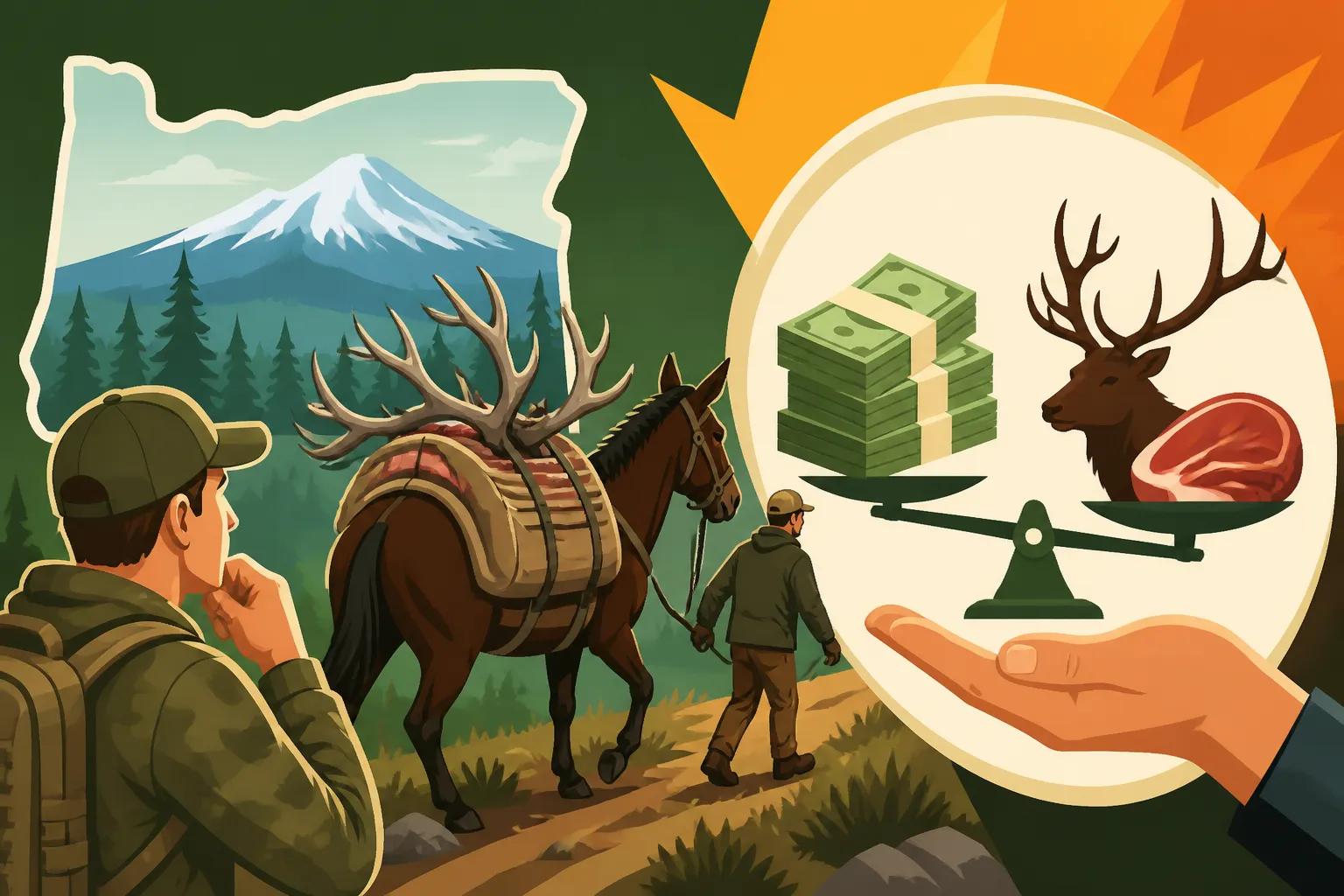
What It Costs to Hire a Packer With Stock
The sheer thought of finally getting that hard-earned bull or buck on the ground in a remote Oregon wilderness unit is exhilarating. But then, the cold reality sets in: how on earth are you going to get hundreds of pounds of meat, hide, and antlers out of steep, gnarly country, possibly miles from the nearest road, before it spoils? For many, especially those eyeing challenging hunts, the answer often involves hiring a packer with stock, and understanding the financial commitment involved is key to planning a successful hunt. This guide will walk you through the various costs and considerations when entrusting your harvest to a professional packer and their trusty animals.
Understanding the Need for a Packer in Oregon's Backcountry
Oregon’s diverse hunting landscapes, from the dense, wet rainforests of the Coast Range to the rugged, expansive high desert and towering peaks of the Wallowas, present unique challenges for every hunter. While the dream is always to harvest an animal close to a road, reality often dictates otherwise. That’s where the idea of a packer really starts to shine, or sometimes, become an absolute necessity.
The Physical Demands of Packing Out Big Game
Let's be brutally honest: packing out a big game animal in Oregon is often less about the glory and more about the grueling physical grind. Picture this: you've just taken down a large Roosevelt elk deep in the Siuslaw National Forest. That animal could easily weigh 700-900 pounds live, and even after field dressing, you're looking at hundreds of pounds of meat and bone. Now imagine breaking that down into manageable pieces and hauling it through dense salal and sword fern, up and down steep, slick slopes, for several miles to your truck. The physical toll is immense, requiring multiple trips, often through incredibly challenging terrain, and it can take strong, fit hunters an entire day or more just to get one animal out. This is where many hunters face a critical decision point; pushing too hard can lead to injury, and inadequate gear like a cheap pack frame can make the job unbearable. The reality of Pack Frame Load Weight for One Hunter quickly becomes apparent when you're staring down a quarter that feels like it weighs more than you do.
The struggle is real, and it’s not just about strength. Fatigue can lead to mistakes, injuries, or even getting lost. Furthermore, the clock is always ticking, especially during warmer early-season hunts. When you're trying to retrieve an animal in 70-degree September heat, as is common during parts of the Oregon Archery Season Dates for Deer and Elk, every hour counts to prevent meat spoilage. This pressure, combined with the sheer effort, is why many seasoned hunters eventually look to outside help, recognizing their limits and prioritizing the ethical care of their meat.
When to Seriously Consider Hiring Stock
There are specific scenarios where hiring a packer with stock transcends being a luxury and becomes a practical, wise, and often necessary choice. First and foremost, if you’re planning a hunt in truly remote locations or designated wilderness units, stock can be a lifesaver. Areas like the Eagle Cap Wilderness in Northeast Oregon, or the more remote sections of the Rogue River-Siskiyou National Forest, are stunning but notoriously difficult to access and navigate. Hiking in several miles for a multi-day camp with all your gear, and then expecting to haul an elk out on your back, is a recipe for exhaustion and potential failure. For those eyeing an early season Archery Elk Hunting Oregon's August and September Seasons in such remote areas, stock might be your only realistic option for getting your harvest out efficiently.
Furthermore, if you’re specifically targeting a large animal like a bull elk, or a big mule deer in the expansive landscapes of Eastern Oregon, the sheer volume and weight of the meat often necessitate mechanical assistance. This is especially true if you are hunting solo or as a small group without the manpower for multiple arduous trips. Think about the logistics of Quartering and Packing an Elk Alone; it's possible, but incredibly demanding. Stock allows you to pack in all your camping gear for a comfortable Multi-Day Camps in Oregon's Roadless Country and, hopefully, pack out a full animal in one or two efficient trips, vastly reducing physical strain and minimizing the risk of meat spoilage. Many hunters use digital scouting tools like GoHunt to analyze terrain and distance before the season, helping them identify areas where a packer might be essential long before they ever set foot in the field.
Breaking Down the Costs of Hiring a Packer with Stock
So, you've decided a packer is the smart move. Now, let's talk about the dollars and cents. The cost of hiring a packer in Oregon can vary significantly based on several factors, but it's an investment in both your hunting success and the quality of your harvested meat.
Daily Rates Versus Package Deals
When you look into hiring a packer, you’ll typically encounter two main pricing structures: daily rates or package deals. A daily rate means you're paying for the packer's time and the use of their stock on a per-day basis. This can be flexible, ideal if you need help with a specific task like packing out a single animal after a successful hunt, or simply hauling your gear into a base camp. Daily rates might range from $400 to $800+ per day for a packer and their string of animals, depending on the operator and the complexity of the job. It's often used for "spot" services – you call when you have an animal down, and they come in to help.
Package deals, on the other hand, offer a set price for a defined service. This is common for "drop camps" or full pack-in/pack-out services. For instance, an outfitter might offer a package to pack your gear and food into a remote camp, and then return on a pre-arranged date to pack out your harvest and camp. These packages might run anywhere from $1,500 to $5,000+, depending on the number of hunters, distance, duration of the hunt, and the amount of gear and game anticipated. While seemingly higher upfront, these packages often provide better value and peace of mind for multi-day backcountry hunts, giving you a clear financial picture from the start.
Factors Influencing the Final Price Tag
The sticker price for packer services isn't arbitrary; it's a reflection of many variables that impact the outfitter's time, resources, and risk. Understanding these factors can help you anticipate costs and communicate effectively with potential packers.
First, distance and terrain are massive determinants. Hauling gear or game five miles over flat, well-maintained trails is a vastly different undertaking than a 10-mile trek through steep, brush-choked country in a unit like the Willamette National Forest. The more arduous the journey for the stock and packer, the higher the cost will be. Similarly, crossing rivers or navigating particularly dangerous sections of trail will command a higher price due to increased risk and specialized skills required.
Second, the number of animals or total weight impacts the cost. While you might only intend to shoot one deer, a successful elk hunt means significantly more weight to transport. A packer will need to dedicate enough stock and make enough trips to handle the load. If you secure a tag for an Oregon Roosevelt Elk Rifle Seasons in November, you'll likely need more capacity than for a blacktail buck. Outfitters often have a maximum weight or number of trips included in a base rate, and additional charges will apply if you exceed those limits.
Third, the type of service requested plays a big role. Do you need a full drop camp setup where the packer provides tents and cooking gear in addition to transport? Or simply a one-way trip to retrieve a downed animal? A full-service drop camp, where the packer sets up and breaks down camp, often provides a more comprehensive experience but at a higher price than just a basic pack-out. This is where tools like GoHunt can help you understand the terrain to decide if a full drop camp is worth the investment for the added comfort and logistics.
Finally, seasonality and demand can affect prices. Peak hunting seasons, particularly for popular controlled hunts in areas known for Oregon Rocky Mountain Elk Season Structure or general season elk hunts, see higher demand for packers. Booking well in advance is crucial, and last-minute bookings might be harder to secure or come with a premium. The general location also matters; packers operating in highly accessible areas might have slightly different overheads than those specializing in deep wilderness access. For example, packers working near the Wallowa-Whitman National Forest Hunting might have different logistical challenges and pricing than those working closer to population centers.
Additional Expenses to Anticipate
Beyond the base rate or package price, there are a few other expenses you should factor into your budget when hiring a packer. One of the most common and important is tipping. Packers work incredibly hard, often in difficult conditions, and providing excellent service. A standard tip for a packer can range from 10-20% of the total service cost, depending on your satisfaction and the level of effort provided. This is a significant part of their income and a well-deserved recognition of their labor.
Another consideration, though usually managed by the packer, is certified weed-free feed for their stock. In many national forests and wilderness areas, like the Eagle Cap Wilderness, it is legally mandated that any feed brought in for pack animals must be certified weed-free to prevent the introduction of invasive plant species. While a reputable packer will handle this and factor it into their costs, it's a detail that underscores the professionalism and regulations involved. You can read more about Weed-Free Feed Rules on Forest Land to understand its importance. Ensure your contract clarifies who is responsible for providing this for the animals.
Lastly, be prepared for potential unforeseen circumstances. What if you harvest two animals instead of one? Or your hunt gets extended due to unexpected weather? Clear communication with your packer upfront, and a detailed contract, should outline how these additional services or changes in schedule will be handled financially. Being transparent about your hunting goals and potential scenarios can help avoid unexpected charges down the line.
What to Expect When Working with a Packer in Oregon
Hiring a packer isn't just about handing over money; it's about entering a professional relationship that requires good communication and mutual understanding to ensure a smooth operation.
Planning and Communication are Key
The foundation of a successful experience with a packer is planning and communication. Don't wait until the last minute to book your services. Reputable packers often book up many months, even a year, in advance, especially for prime season dates. Start your research early, ideally as soon as you know your hunt unit and dates. Many hunters use mapping software like GoHunt to scout potential areas and then use that information to discuss specific access points and camp locations with their packer.
When you contact a packer, be prepared to discuss crucial details:
- Your specific hunt unit and the general area you plan to be in.
- The dates you need services (pack-in, pack-out, or on-call retrieval).
- The number of hunters in your party.
- The type of animal(s) you're targeting (elk, deer, bear, etc.) and the anticipated weight/volume of gear and meat.
- Your preferred rendezvous point at the trailhead.
- Any special considerations, like physical limitations, or specific camp needs.
A good packer will ask you similar questions and provide a clear contract outlining services, costs, cancellation policies, and emergency procedures. This document is essential for both parties. Make sure you understand the agreement fully, including what happens if you fill your tag early or if weather delays the pack-out. It’s also wise to leave a detailed trip plan with someone at home, including your packer's contact information and intended hunting areas.
Logistics at the Trailhead and in Camp
On the day of your pack-in, you’ll meet the packer and their stock at a pre-determined trailhead. This might be a bustling Forest Service trailhead or a quiet, out-of-the-way access point on Bureau of Land Management (BLM) land. It's crucial that your gear is packed efficiently and securely in appropriate bags, ready for loading. Most packers prefer gear in duffel bags or specialized pannier bags, not loose items or rigid containers that are difficult to load onto a horse or mule. For hunters heading into areas like the Imnaha Unit, where trails can be rugged and long, proper gear preparation is critical.
Once you have an animal down, the process for retrieval also requires preparation on your end. The packer expects you to have the animal field-dressed and ideally quartered. For elk, many packers prefer the "gutless method" to prepare the meat for transport, as it keeps the quarters cleaner and reduces overall weight. Proper Field Dressing an Elk in Warm Early-Season Weather is paramount. Meat should be placed in breathable game bags to protect it from dirt and insects. When the packer arrives, they will efficiently load the quarters, head, and antlers onto their pack animals. Remember, the packer's primary role is transport. They are not there to assist you in hunting, tracking, or even field dressing your animal, though many are a wealth of knowledge and happy to offer advice. They are adhering to strict rules, and you should too, especially concerning things like Oregon's 300-Foot Rule Beside an Open Road for shooting or other regulations.
Comparing Packer Services with Full Guided Hunts
It's important to draw a clear distinction between hiring a packer and booking a full guided hunt. A packer with stock provides a logistical service: they transport your gear, supplies, and harvested game into and out of the backcountry. They are essentially a specialized freight service for remote areas. While they might share local knowledge or offer advice, their contract is specifically for transportation, not for actively helping you locate or pursue game. This service is perfect for experienced hunters who prefer to scout and hunt independently but need help with the physical demands of deep backcountry access or game retrieval.
On the other hand, a full guided hunt involves an outfitter and guide who actively assist you in all aspects of the hunt. This includes scouting, tracking, calling animals, setting up shots, and often provides lodging, meals, and assistance with field care and packing out. The cost of a full guided hunt is significantly higher, often ranging from several thousand dollars to tens of thousands, because you are paying for the guide's expertise, time, and all-encompassing support. If you're new to Oregon hunting, or looking for a higher success rate with less personal effort on the hunting aspect, you might consider Hiring a Registered Oregon Hunting Guide. However, for many self-reliant hunters, a packer offers the perfect balance of independence and necessary logistical support.
Here’s a quick overview of typical packer service costs and inclusions:
| Service Type | Description | Estimated Cost Range (Oregon) | Typical Inclusions |
|---|---|---|---|
| On-Call Game Retrieval | You harvest an animal in the backcountry, then contact the packer to come in and retrieve the meat, hide, and antlers. Often charged per trip or per animal. | $800 – $2,500+ (per animal/trip) | Packer, pack stock, transport of game (typically boned out in game bags) from kill site to nearest trailhead. |
| Gear Pack-In/Pack-Out | Packer transports your camp gear, food, and supplies into a remote camp and returns on a scheduled date to pack out your camp and any harvested game. Usually a package deal. | $1,500 – $4,000+ | Packer, pack stock, transport of hunter's personal gear/food/camp into pre-determined camp location, and return trip to pack out camp/game. |
| Drop Camp Service | Similar to Gear Pack-In/Pack-Out, but the packer might also provide a pre-set camp (tents, cooking equipment, water). Hunter provides food and personal gear. | $2,500 – $5,000+ | Packer, pack stock, transport of hunter's gear/food, and packer-provided camp equipment (tents, stove, etc.) into and out of designated camp. |
| Resupply/Emergency Run | For longer hunts, a packer might bring in fresh supplies mid-hunt or assist in emergencies. Often charged at a daily rate or an agreed-upon flat fee. | $400 – $800+ (per day/trip) | Packer, pack stock, transport of specific items (e.g., more food, ice, water) to camp, or extraction of an injured hunter. |
| Antler/Cape Only Retrieval | For hunters who pack out their own meat but need help with a large rack or heavy cape, especially if it's a long distance. | $500 – $1,500+ | Packer, pack stock, transport of antlers (often caped) from kill site/camp to trailhead. |
Note: These are estimated ranges for Oregon and can vary widely based on the specific outfitter, distance, terrain, and prevailing market conditions. Always get a detailed quote and contract.
Disclaimer
The information provided in this article is for general guidance and informational purposes only. Hunting regulations, seasons, and costs for services like packing can change frequently. Always consult the most current Oregon Department of Fish and Wildlife (ODFW) regulations and directly contact service providers for the most up-to-date and accurate information before planning your hunt. Always prioritize safety and ethical hunting practices.