Spring Bear Hunting Timing by Elevation
Trying to time an Oregon spring bear hunt can feel like chasing a ghost, especially when you factor in the sheer diversity of our state's landscapes. One week you might be seeing fresh tracks in a low-elevation clearcut, and the very next, those bears have vanished, moving up into higher country where the snow is finally receding and new forage is popping up. It's a frustrating dance with Mother Nature, where being even a week off can mean the difference between a great opportunity and a cold, quiet hunt. This guide will walk you through how elevation dictates bear movement and food sources during Oregon's spring season, helping you pinpoint those crucial "green-up" zones for a more successful hunt.
Understanding Oregon's Spring Bear Season Basics
Before we dive into the specifics of elevation, let's just ground ourselves in the general framework of spring bear hunting here in Oregon. It’s a fantastic opportunity to be out in the woods as winter gives way to vibrant life, but it requires a different mindset than, say, a fall elk hunt.
General Season Dates and Tag Specifics
Oregon's spring bear season typically kicks off in April and runs through May, sometimes stretching into early June, depending on the unit. Unlike some other big game hunts, spring bear is usually a general season tag you can buy over-the-counter, often with the option for an additional bear tag if you’re lucky enough to fill your first. You don't have to worry about the complex draw system for these tags, which is a relief for many hunters. This makes it a great opportunity for both resident and nonresident hunters to get out and enjoy Oregon's diverse landscapes. However, there are often quotas in place for certain zones, and once that quota is met, the season in that particular zone will close. It's absolutely crucial to stay on top of the Oregon Department of Fish and Wildlife (ODFW) website or their physical regulations to know the exact start and end dates for your chosen unit, and to monitor for any in-season closures. These quotas are set to manage bear populations sustainably, especially in areas where there might be timber damage concerns or specific management goals.
Why Elevation Matters So Much for Bears
Now, to the heart of the matter: elevation. For spring bears, elevation isn't just a number on a map; it's a dynamic calendar that dictates their entire world. When bears emerge from their dens, often around March or April, they are looking for one thing: food. Their bodies are craving nutrition after months of hibernation, and they're instinctively programmed to follow the earliest green-up, which is always found at lower elevations first.
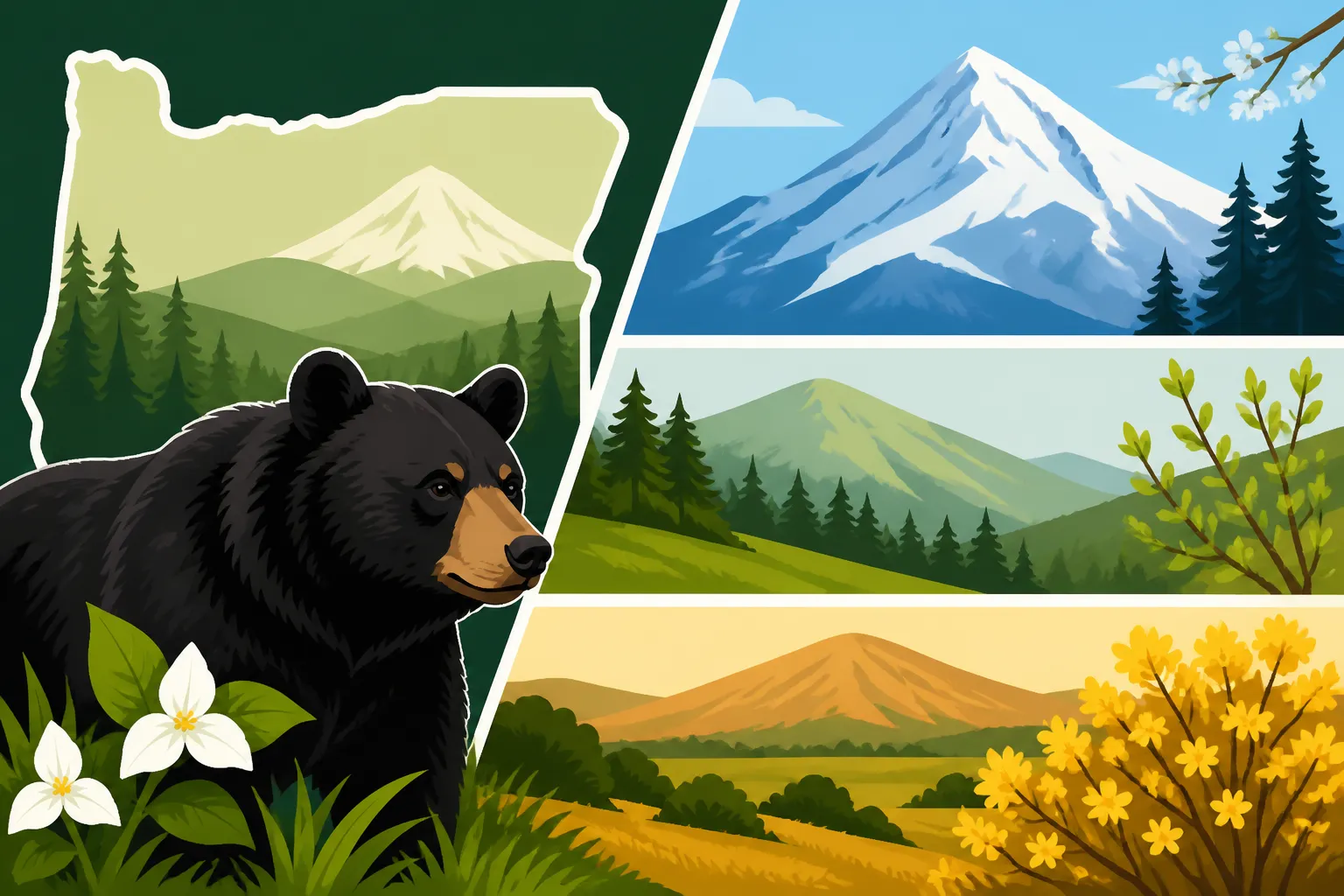
Think of it like a wave. As the sun gets stronger and temperatures rise, the snow melts, exposing the forest floor. The first tender, nutrient-rich plants sprout in these newly uncovered areas. This "green-up" wave then slowly creeps its way uphill as the season progresses. Bears, being incredibly efficient foragers, will follow this wave. They're not just meandering aimlessly; they are actively seeking out the freshest, most digestible forage available. This means that if you're hunting in April, you need to be focused on the lowest accessible elevations in your unit. If you're out in late May or June, those same areas will likely be picked over, and you'll need to look much higher, sometimes thousands of feet up, to find where the spring has just arrived. Ignoring this elevation gradient is like showing up to a party a month early or a month late – you'll miss all the action.
The Green-Up Gradient: Tracking Bear Food Sources
Understanding the "green-up" isn't just about snowmelt; it's about identifying the specific types of vegetation bears are keying in on. These opportunistic omnivores are looking for easily digestible carbohydrates and proteins after their long winter fast.
Low Elevation Starts: Early Season Strategies (April-Early May)
When the spring bear season first opens, typically in April, your focus should be on the lowest elevations of your chosen unit. We're talking about areas below 2,000-2,500 feet, sometimes even lower in the Coast Range or southern Oregon. Here, the snow will have melted weeks ago, and the first flush of spring vegetation is already underway.
Bears at this time are often drawn to south-facing slopes, as these areas receive the most sunlight and warm up fastest. Look for clearcuts that might be a few years old, providing open access to sunlight, or the edges of agricultural fields if you have permission to hunt them. River bottoms, creek drainages, and areas with lush, moist soil are also prime spots. The key food sources during this early period include skunk cabbage, sedges, emerging grasses, clover patches, and tender shoots of various forbs. Bears will be seen overturning rocks and logs, searching for grubs, insects, and roots. I've had success in the past by carefully still-hunting old logging roads that wind through these lower-elevation clearcuts, constantly scanning the edges and open areas. If you're looking for early-season action, focusing on these accessible areas is paramount. Check out our guide on Spot-and-Stalk Spring Bear on Oregon's Green Slopes for more detailed tactics.
Mid-Elevation Progression: Peak Opportunities (Mid-May-Early June)
As April transitions into May, and especially by late May or early June, that green-up wave has pushed significantly higher. Now, you should be concentrating your efforts in the 2,500 to 4,500-foot elevation range, sometimes even higher depending on the region and the year's specific weather patterns. The bears have moved up, following the receding snow line and the subsequent burst of new growth.
This mid-elevation window often offers some of the most consistent hunting, as bears are actively foraging in more expansive areas. They're less concentrated than in the very early season but still predictable in their pursuit of fresh food. Look for newly exposed slopes after snowmelt, especially those with good sun exposure. Clear-cuts, again, are critical, but now you're looking at higher ones, often with steeper terrain. New growth in these areas might include huckleberry shoots, serviceberry, and various broadleaf plants that are just coming alive. Remember, bears are looking for easy calories, so anything that provides a dense patch of fresh greenery will be a magnet. This is also a time when you might start seeing bears feeding on emerging berries, though they are usually still focused on vegetation. Accessing these areas often means more hiking and less driving, but the rewards can be significant. Understanding Bear Diet Through the Oregon Seasons can give you a deeper insight into what they're truly after.
High Elevation Hunts: Late Season Tactics (Late June)
For those die-hard hunters willing to chase spring bear into the final weeks of the season, late June means pushing high into the mountains. This is where you'll find bears feeding in the true high country, often above 4,500-5,000 feet, sometimes even nearing timberline in some units. This phase of the hunt is entirely dependent on how quickly the snow pack melts out.
At these elevations, the green-up is just beginning, sometimes only days or a week after the snow recedes. Bears will be hitting alpine meadows, high-elevation clearings, and south-facing slopes that have been under snow for months. The vegetation here will be incredibly tender and sought after. Think about areas where persistent snow patches are melting, creating moist, fertile ground for new growth. Bears will also key into avalanche chutes and steep, rocky slopes that hold pockets of early vegetation. This kind of hunting can be physically demanding, requiring significant hiking, but it offers a unique challenge and often incredible scenery. Finding a bear up high requires patience and good optics, as the animals can be small specks on vast mountainsides. Your best bet is often to set up with a good spotting scope and glass extensively during the early morning and late evening hours, when bears are most active.
Here's a quick overview of how elevation generally influences bear activity in Oregon during the spring:
| Elevation Range (Approx.) | Typical Timing | Primary Bear Activity & Food Source | Scouting Focus | Challenges |
|---|---|---|---|---|
| Below 2,500 feet | April – Early May | Emerging from dens, seeking early green-up (skunk cabbage, grasses, clover), grubs. | South-facing clearcuts, river bottoms, logging roads. | Bears can be concentrated but also more wary due to human presence. |
| 2,500 – 4,500 feet | Mid-May – Early June | Following green-up wave, huckleberry shoots, new forbs, persistent snowline. | Higher clearcuts, newly exposed slopes, dense patches of tender vegetation. | Requires more hiking, bears spread out, weather can be unpredictable. |
| Above 4,500 feet | Late June | Alpine meadows, avalanche chutes, highest green-up, melting snow patches. | Steep slopes, open basins, high-elevation clearings. | Extreme physical demand, vast terrain, bears can be harder to locate. |
Note: These are general guidelines; actual timing will vary significantly based on specific unit, year's snowpack, and weather patterns.
Tools and Techniques for Timing Your Hunt
Accurately timing your spring bear hunt by elevation isn't just about guessing; it involves a combination of modern tools and old-fashioned boots-on-the-ground effort. The more data points you have, the better your chances of being in the right place at the right time.
E-Scouting and Satellite Imagery
In this modern age, electronic scouting, or e-scouting, has become an invaluable tool for virtually every hunting pursuit, and spring bear is no exception. Platforms like GoHunt provide incredibly detailed satellite imagery and a wealth of mapping layers that can help you visualize the landscape from your living room. You can study historical snowpack data, analyze terrain features like aspect and slope, and even get a sense of vegetation types.
When e-scouting for spring bear, use satellite imagery to identify south-facing slopes, old clearcuts, and areas with known water sources or drainages. These are often the first places to shed snow and green up. Look for areas where the forest transitions into open spaces, as bears will often feed in the open but quickly retreat into cover if disturbed. Many of these digital mapping tools also offer snow depth overlays, allowing you to watch the snowmelt progression in real-time or near real-time. This helps you predict when those higher-elevation spots might become accessible and start to green up. By understanding E-Scouting Oregon Units With Satellite Imagery, you can really dial in your pre-season planning. Pay close attention to the past year's imagery as well, as sometimes you can discern historical patterns of green-up in certain areas that consistently produce early forage.
Boots-on-the-Ground Scouting
While e-scouting is powerful, nothing replaces actual boots-on-the-ground scouting. If possible, take several trips to your chosen hunting unit in the weeks leading up to and during the season. Start at lower elevations and work your way up, observing the snow line and the progression of green growth. Look for fresh bear sign: tracks, scat, overturned rocks, and claw marks on trees.
Pay attention to what specific plants are growing in different elevation bands. Are the skunk cabbage leaves just starting to unfurl in the river bottoms? Is new grass pushing through the duff on south-facing clearcuts at 2,000 feet? Are the higher slopes still completely snow-covered? These observations are gold. Drive accessible roads and walk logging spur roads, constantly looking for activity and understanding the local conditions. A wet spring will delay the green-up, pushing bear activity later, while a warm, dry spring can accelerate it. Keep a log of what you see and where. This real-time data will be far more accurate than any digital prediction. If you're serious about your hunt, this crucial step of Public Land Scouting in Oregon Before the Draw Results applies just as much to general bear season, helping you refine your strategy.
Weather Patterns and Their Impact
Finally, never underestimate the power of local weather patterns. A cold, wet spring can significantly delay snowmelt and green-up, pushing bear activity to lower elevations for longer, and forcing high-country bears to emerge later. Conversely, a warm, dry spring can speed everything up, meaning bears move to higher elevations much earlier than anticipated.
Keep a close eye on the long-range forecast for your hunting unit. Pay attention to temperature trends, significant rainfall, and new snowfall at higher elevations. A late-season snowstorm can temporarily push bears back down to lower, accessible food sources, offering a unique opportunity. Understanding these micro-climates and how they influence vegetation growth is key. For example, a sheltered basin might green up later than an exposed ridge at the same elevation. Always be prepared to adapt your hunting strategy based on current conditions, rather than rigidly sticking to a pre-conceived plan. The ability to be flexible and read the landscape is what truly separates successful hunters from those who consistently struggle.
Disclaimer
Please note that hunting regulations, seasons, and access can change. Always consult the most current Oregon Department of Fish and Wildlife (ODFW) regulations and land management agency rules before planning any hunting trip.